Do You Actually Need Olympic Workout Equipment to Get Strong?
I remember my first garage gym setup. It was a $150 'all-in-one' special from a big-box store with a skinny 1-inch barbell and plastic-coated cement plates. I felt like a king until I tried to deadlift 225 pounds. The bar didn't just bend; it stayed bent. That was the day I realized that olympic workout equipment isn't just about looking cool—it is about gear that actually survives a heavy session.
Quick Takeaways
- Standard 1-inch bars usually fail or bend permanently once you cross the 200-lb threshold.
- Olympic bars feature 2-inch sleeves, rotating bearings, and much higher weight capacities (often 700–1,500 lbs).
- Standard plates are hard to find in heavier increments, making progressive overload a nightmare.
- Olympic gear has a higher resale value; cheap 1-inch gear usually ends up in a landfill.
The 1-Inch vs 2-Inch Sleeve Debate (Why Standard Bars Fail)
The biggest difference between standard and olympic weight equipment is the sleeve diameter. Standard bars are one inch thick from end to end. They are usually made of cheap, low-tensile strength steel that has zero 'whip' and a lot of permanent deformation. If you load 250 pounds on a standard bar, you are basically holding a ticking time bomb of metallurgical failure.
Olympic bars have 2-inch sleeves that rotate. This rotation is huge. When you curl or press, the plates can spin independently of the bar, which saves your wrists from a massive amount of torque. When choosing the best strength and weight training equipment for your goals, you have to ask if you plan on lifting more than your body weight. If the answer is yes, the 1-inch bar is a waste of money.
Most Olympic bars are rated by 'tensile strength' (measured in PSI). A decent entry-level bar is around 160,000 PSI, while the top-tier stuff hits 190,000+. Standard bars don't even list these specs because they’d be embarrassing.
When Should You Finally Upgrade to Olympic Weight Equipment?
You don't need a professional setup to do bicep curls, but the second you start squatting, deadlifting, or cleaning, the physics change. Standard bars are often too short to fit into a proper power rack. This means you’re stuck using flimsy independent stands that can tip over if you breathe on them too hard.
I tell people to upgrade the moment they hit a 200-pound deadlift. At that point, olympic weight equipment becomes a safety feature. Olympic plates are also standardized at 450mm in diameter for the 45-lb (or 20kg) size. This puts the bar at the exact right height off the floor for a deadlift. Standard plates are often smaller, forcing you into a deficit that can wreck your lower back.
The Core Pieces You Should Actually Buy First
Don't get distracted by fancy cable machines or specialized leg press units. If you're building a real gym, you need a 'Big Three' foundation. Start with a 20kg (45-lb) Olympic barbell with decent knurling. You want something that feels like sandpaper, not a greased pole, when your hands get sweaty.
Next, get a set of iron or bumper plates. If you plan on dropping the weights (like in CrossFit or Weightlifting), bumpers are mandatory. If you’re just powerlifting, old-school iron is fine and takes up less room on the sleeve. For a deeper dive into the specifics of outfitting your space, check out this ultimate home gym weight equipment guide.
Skip the 1.25-lb 'fractional' plates for now, but make sure you have plenty of 45s, 25s, 10s, and 5s. You can do 90% of all human movement with just a bar and some round metal circles.
Building the Rest of Your Setup Around the Bar
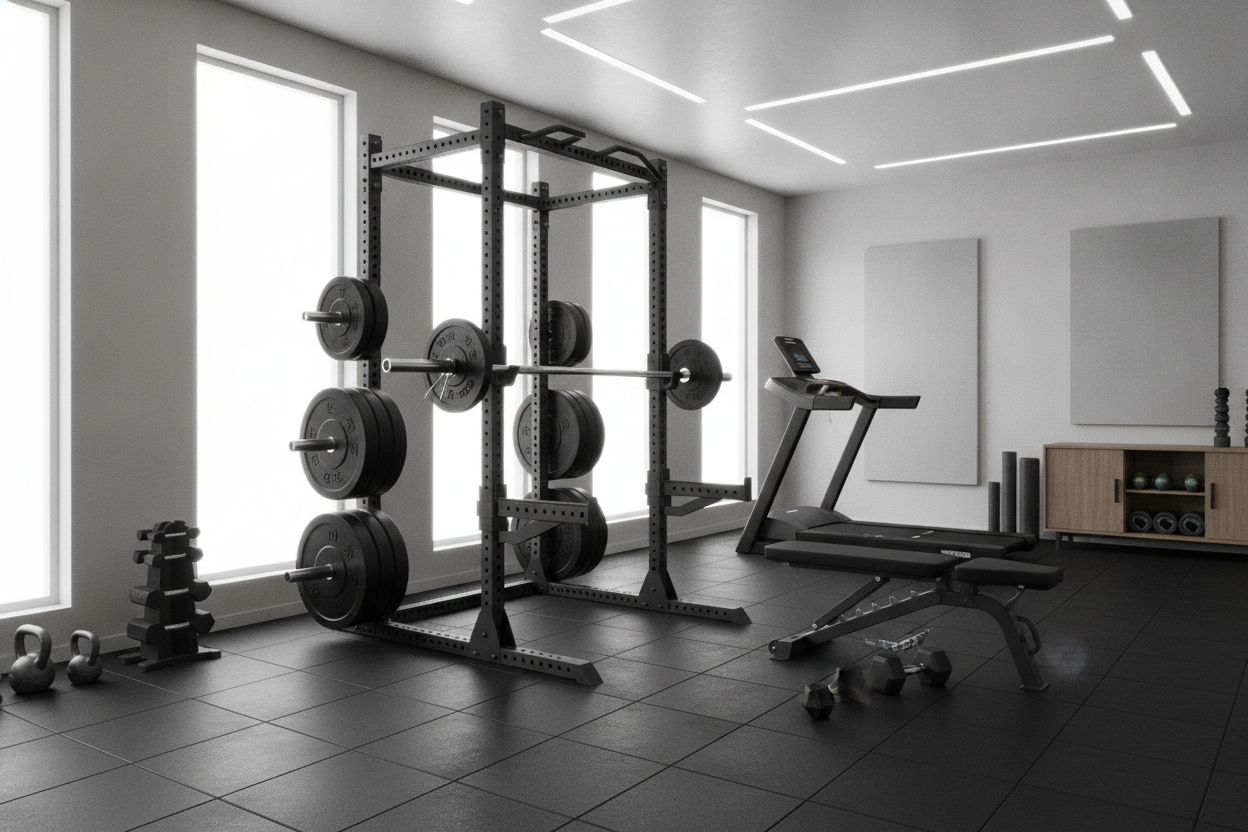
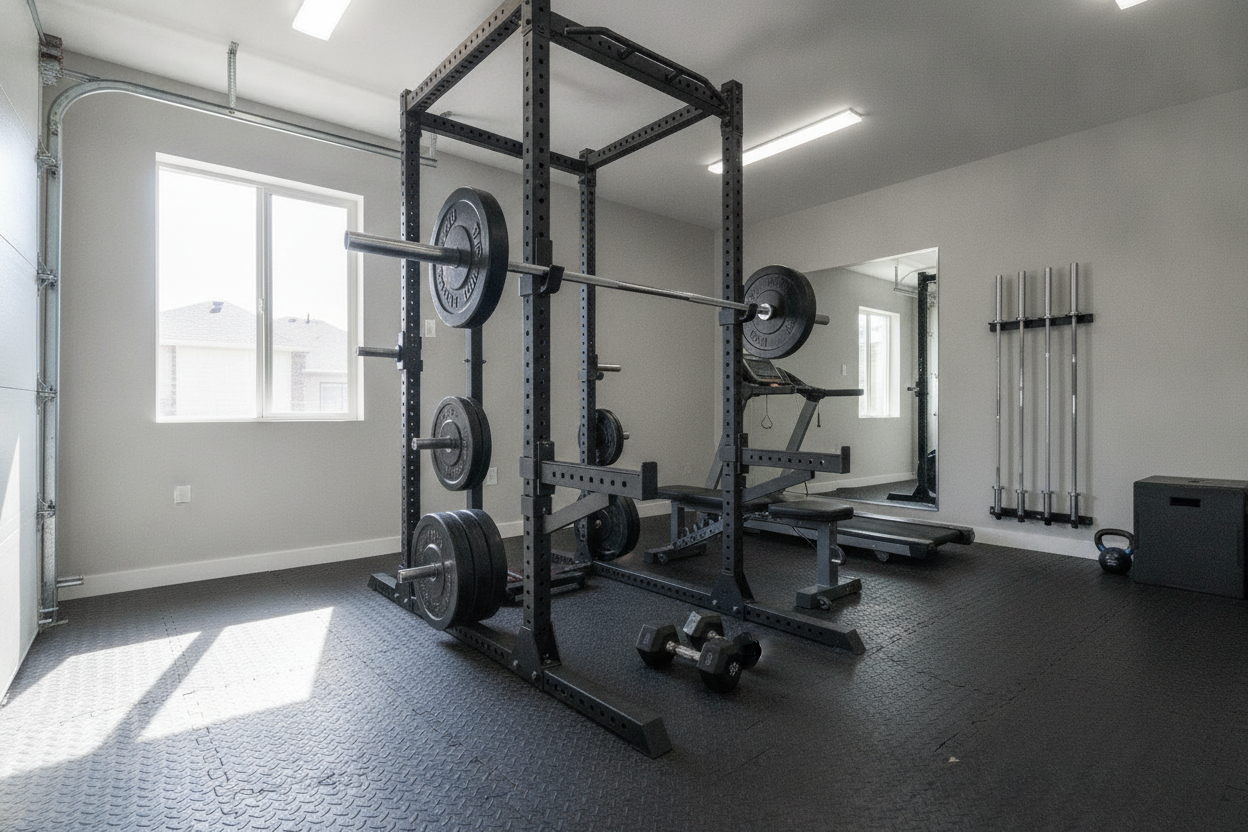
Once you have the bar and plates, you need a home for them. A standard 1-inch bar won't even reach the uprights on a professional rack. You need a setup designed for the wider footprint of Olympic gear. The Gxmmat X6 Power Rack Weight Bench Package is a solid example of a heavy-duty base that can actually handle the weight without the whole thing shimmying across the garage floor when you re-rack a heavy squat.
Stability is everything. If you're benching 225 pounds, the last thing you want is a bench that feels like a seesaw. Using a dedicated Gxmmat adjustable weight bench provides the back support and 'grip' on the pad so you can actually drive through your legs without sliding off the top.
The Final Verdict: Is the Premium Price Tag Worth It?
I’ve spent thousands of dollars on gym gear over the last decade. My biggest mistake was trying to save $200 early on by buying 'standard' equipment. I ended up selling it for pennies on the dollar six months later because I outgrew it. Olympic gear is an investment. A high-quality barbell will literally last longer than you will if you keep it clean and oiled.
Buy once, cry once. The extra $100–$300 you spend on an Olympic setup today will save you from buying a whole new gym in two years. Plus, there is nothing like the sound of real iron plates clinking together on a 2-inch sleeve to get you hyped for a PR.
FAQ
Can I use Olympic plates on a standard bar?
No. The hole in an Olympic plate is 2 inches wide, and a standard bar is 1 inch. The plates will slide around and be incredibly dangerous. Don't even try it with 'adapters'—they usually suck.
Are Olympic bars always 45 pounds?
Most are, but you can find 15kg (33-lb) women's bars or 10kg junior bars. They still have the 2-inch sleeves, but the shaft is slightly thinner and the bar is shorter.
Do I need bumper plates or iron plates?
If you're lifting on a platform or dropping the bar from overhead, get bumpers. If you're just doing slow, controlled lifts on a mat, iron is cheaper and allows you to fit more weight on the bar.