You're Overthinking How to Have Muscles (Do These 4 Things)
I spent three hours last night looking at calibrated powerlifting plates I definitely don't need, and it reminded me of my first year training. I was obsessed with finding the 'perfect' program, convinced that if I didn't have a $2,000 rack and a specific brand of creatine, I’d never see results. If you are currently spiraling into a YouTube rabbit hole trying to figure out how to have muscles, take a breath. You are likely making it way harder than it actually is.
- Pick a routine and stick to it for at least 12 weeks without changing a single thing.
- Prioritize compound movements like squats, presses, and rows over bicep curls.
- Eat more protein than you think you need—aim for roughly 0.8 to 1 gram per pound of body weight.
- Stop buying fancy gadgets and focus on moving more weight than you did last month.
Stop Searching for the Perfect Beginner Routine
The biggest hurdle when you ask 'how do i start building muscle' isn't a lack of information; it's too much of it. You see one guy on Instagram saying you need high-volume isolation work, and another saying you only need three heavy sets of squats. Here is the truth: almost any program works for a beginner if you actually do it with intensity. Analysis paralysis kills more gains than bad programming ever will.
Instead of searching for the 'optimal' split, pick a basic 3-day full-body routine. Your goal in the first six months is to learn how to move. You need to teach your nervous system how to recruit muscle fibers before those fibers can actually grow. Consistency beats optimization every single time. If you show up three days a week and work hard, you will grow. If you spend three days a week researching the best tempo for lat pulldowns, you won't.
The Bare Minimum Equipment You Actually Need
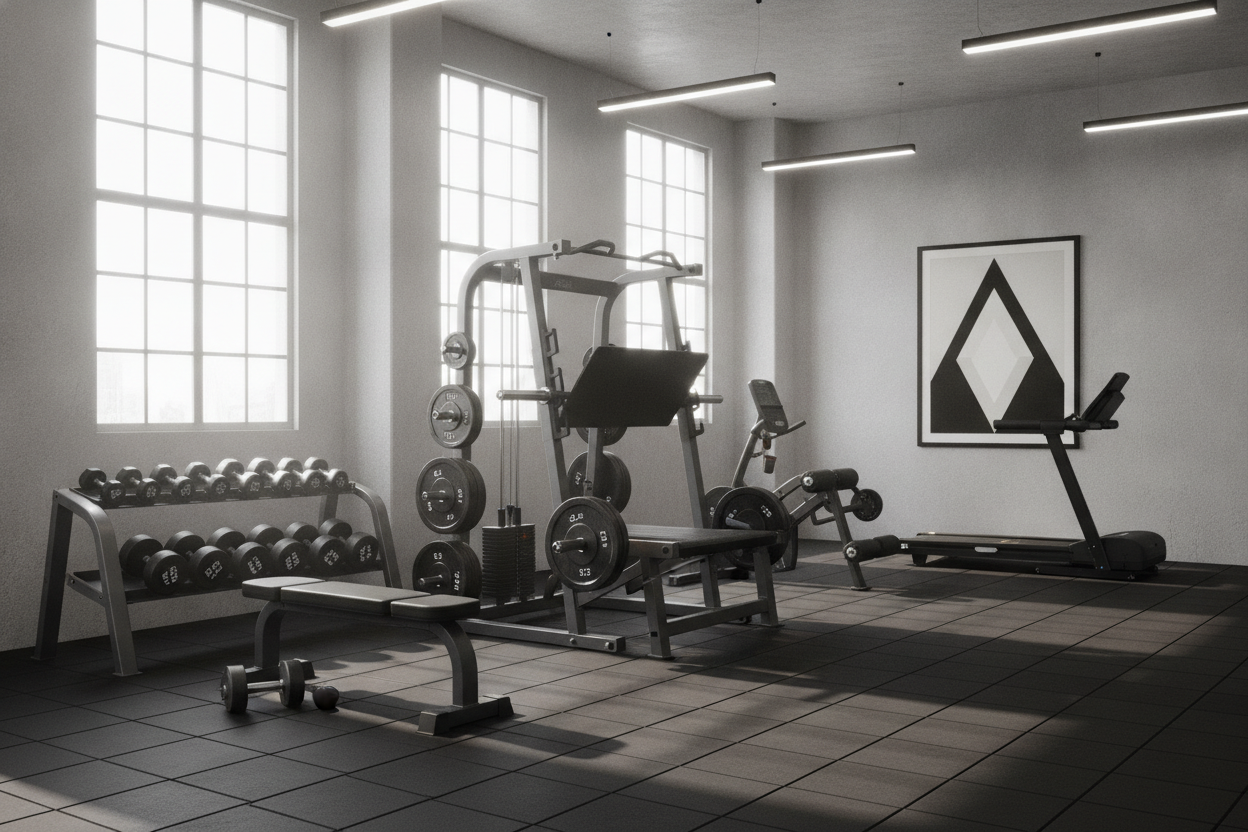
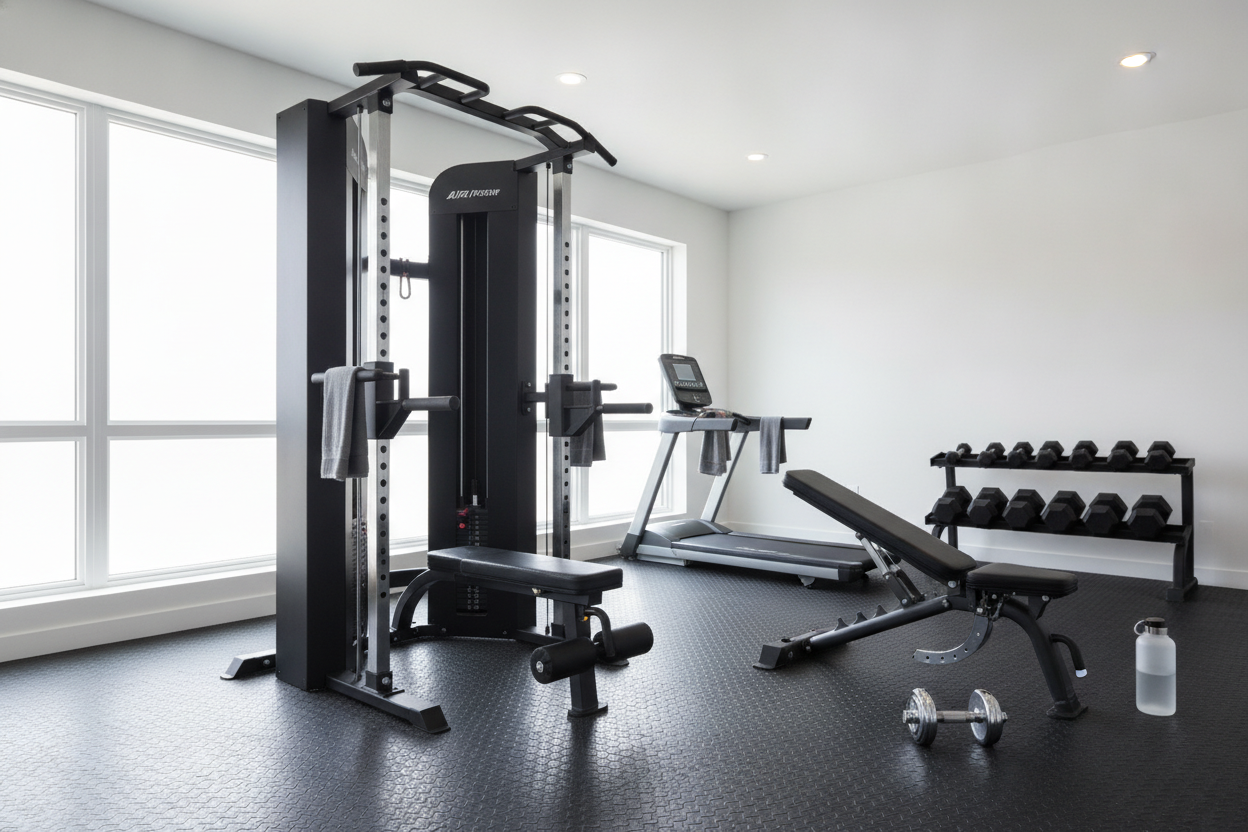
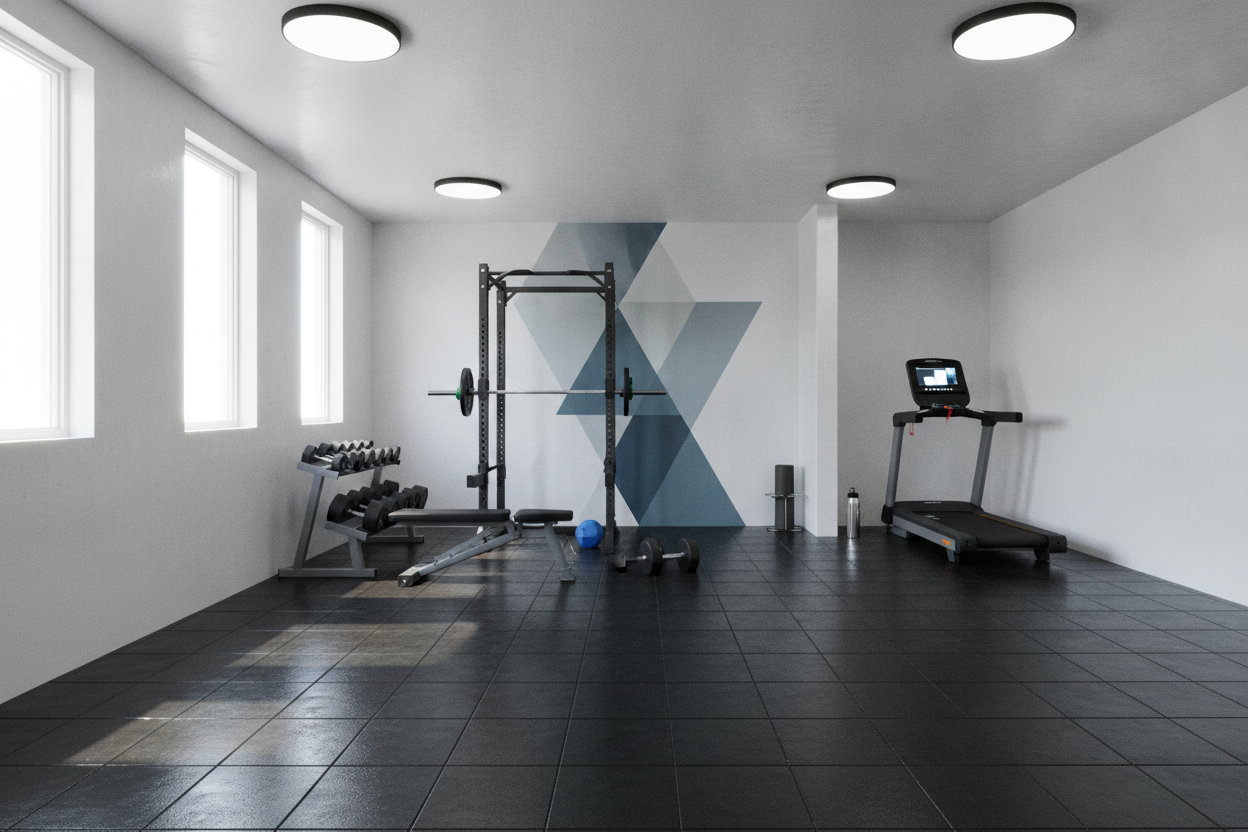
You don't need a $50-a-month commercial gym membership to see real changes. I started in a cramped garage with a pair of adjustable dumbbells and a dream. The key is creating a space where you actually want to train. If you're working out on bare concrete, your joints will hate you within a month. I always recommend laying down extra wide 7 feet exercise mats to give yourself enough room for lunges and deadlifts without slipping or ruining your floor.
Don't feel like you need a full power rack and a bench immediately, either. You can absolutely gain muscle mass on the floor by performing floor presses and glute bridges. A solid pair of dumbbells or a single kettlebell can take you surprisingly far. The goal is to remove friction. If your equipment is easy to access and your floor is comfortable enough to move on, you're much more likely to actually finish your workout.
Mastering the Basics: How to Begin Building Muscle
If you want to know how to begin building muscle, look at the big four: Squat, Bench, Deadlift, and Overhead Press. These are compound movements, meaning they use multiple joints and muscle groups at once. They give you the most 'bang for your buck.' You can spend forty minutes doing five different types of bicep curls, or you can spend ten minutes doing heavy rows and get twice the stimulus. It’s a simple trade-off.
The secret to how to start to build muscle is progressive overload. This just means doing more over time. If you lifted 50 pounds for 10 reps last week, try for 11 reps this week, or 55 pounds for 10. If free weights feel too intimidating or you have old injuries to work around, using a lower body strength machine can be a great way to safely push your legs to failure without worrying about your balance. Just keep adding weight to the bar (or the machine) and the muscle will follow.
Fueling the Machine: How to Start Building Muscle Mass
You cannot build a house without bricks, and you cannot build muscle without calories. When beginners ask how to start building muscle mass, they usually focus on supplements. Forget the supplements for now. Focus on eating enough protein and staying in a slight caloric surplus. You don't need to 'dirty bulk' and eat everything in sight—that’s just a recipe for gaining unnecessary body fat that you'll have to diet off later.
To understand how to start building body mass effectively, aim for a 200-300 calorie surplus above your maintenance level. Eat whole foods: chicken, beef, rice, potatoes, and plenty of greens. If the scale isn't moving and you aren't getting stronger, you aren't eating enough. It's not a mystery. Your body is an adaptive machine; if you give it a reason to grow (heavy lifting) and the resources to do it (food), it will happen.
My First-Year Mistake
I spent my first year of lifting following a 'Pro Bodybuilder' routine I found in a magazine. It was six days a week, two hours a day, with about 30 sets per body part. I was exhausted, my shoulders constantly hurt, and I looked exactly the same after 12 months. I was doing too much 'trash volume' and not enough heavy lifting. Once I scaled back to a basic 3-day-a-week program focused on getting my squat from 135 to 225, my body finally started to change. Less is often more when you're starting out.
FAQ
Do I need protein shakes to build muscle?
No. Protein shakes are just convenient food. If you can get enough protein from chicken, eggs, and Greek yogurt, you don't need them. They are helpful if you're on the go, but they aren't magic.
How many days a week should a beginner train?
Three days a week is the sweet spot. It allows for a full day of recovery between sessions, which is when the actual muscle growth happens. Quality over quantity is the rule here.
Can I build muscle and lose fat at the same time?
Yes, especially as a beginner. This is called 'body recomposition.' If you have a decent amount of body fat and you're new to lifting, your body can use stored energy to fuel the muscle-building process. Keep your protein high and train hard.