Building Your Dream Home Gym: A Lifter's Complete Guide
Walking into a commercial gym during peak hours can be a test of patience. Waiting for the squat rack, wiping down someone else's sweat, and navigating crowded spaces made me realize there had to be a better way. That's when I decided to invest in building a serious training space in my own garage. The journey from a single set of adjustable dumbbells to a fully-equipped home lifting sanctuary taught me more about effective training and equipment than any gym membership ever could.
Laying the Foundation: Essential Home Gym Weight Equipment
Before you start buying every shiny piece of home gym workout equipment you see, it's crucial to understand what truly delivers results. The foundation of any effective home training space isn't about quantity—it's about strategic selection. The goal is to maximize your exercise variety while minimizing space and financial waste.
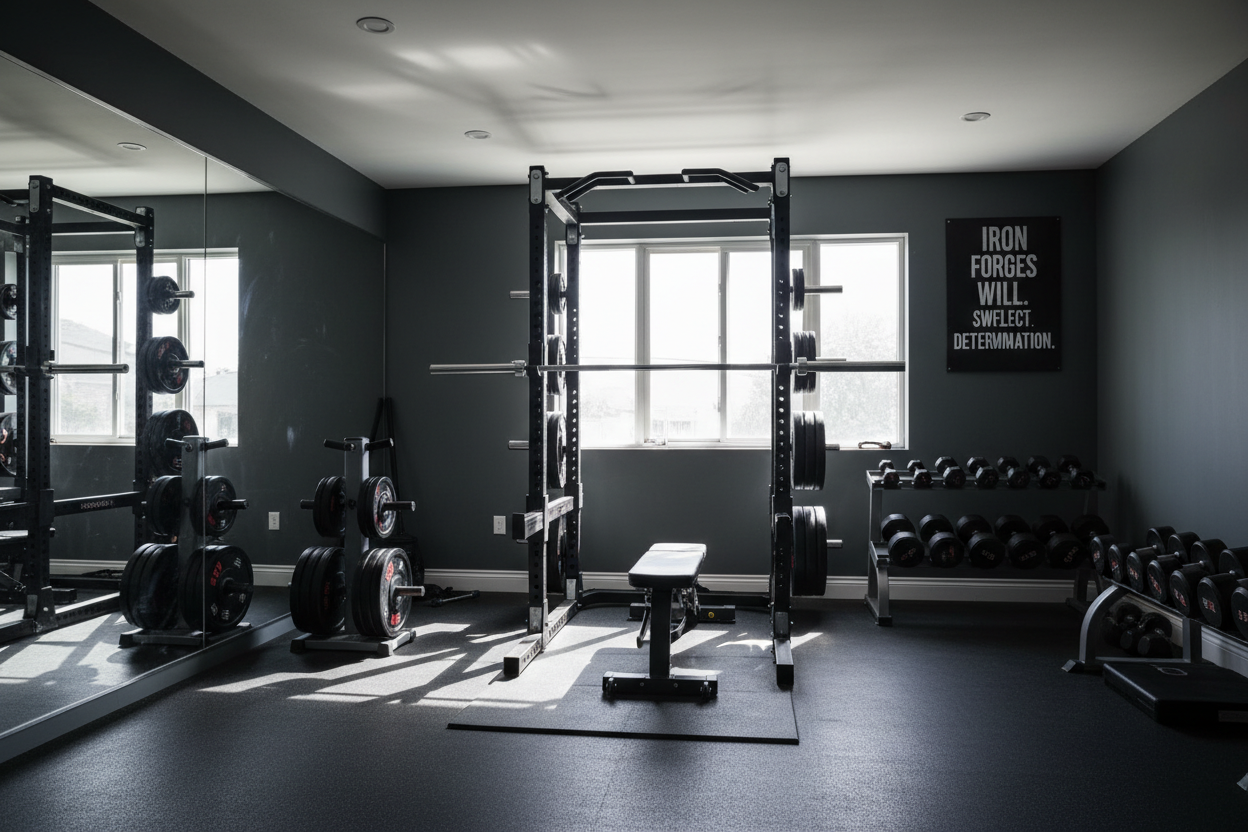
Start with what I call the 'Holy Trinity' of home lifting equipment: an adjustable bench, a barbell with weight plates, and a power rack or squat stand. This combination might seem basic, but it unlocks hundreds of compound and isolation exercises. A quality power rack isn't just for squats; it provides safe anchor points for pull-ups, dip attachments, and most importantly, it offers safety bars for training to failure without a spotter.
When I first assembled my rack, I was amazed at how it transformed my training confidence. Knowing I could safely fail a heavy bench press or squat without being trapped under the bar changed everything. It allowed me to push my limits in a way I never could alone in a commercial gym.
Beyond the Basics: Smart Additions for Serious Gains
Once your foundation is solid, you can strategically expand. For bodybuilding equipment for home, consider implements that offer unique resistance curves and training angles. Adjustable dumbbells are arguably the best space-saving investment after the barbell. Modern designs allow you to go from 5 to 90 pounds with the turn of a dial, replacing an entire rack of traditional dumbbells.
Another game-changer for my own home bodybuilding equipment collection was a cable pulley system. You can attach these to your power rack or get a standalone functional trainer. Cable movements provide constant tension throughout the entire range of motion—something free weights can't replicate. This is invaluable for carving out muscle details in your chest, shoulders, and back.
Don't overlook floor protection and storage. Rubber stall mats from tractor supply stores are inexpensive and protect both your equipment and your floors. A simple weight tree or plate storage posts on your rack keep your space organized and safe, preventing tripping hazards and making quick weight changes effortless.
Creating a Bodybuilding Sanctuary: Equipment for Aesthetics
If your primary goal is building an impressive physique, your home gym workout equipment selection needs a more specialized approach. Bodybuilding requires targeting muscle groups from multiple angles, which means having tools that allow for precise movement patterns.
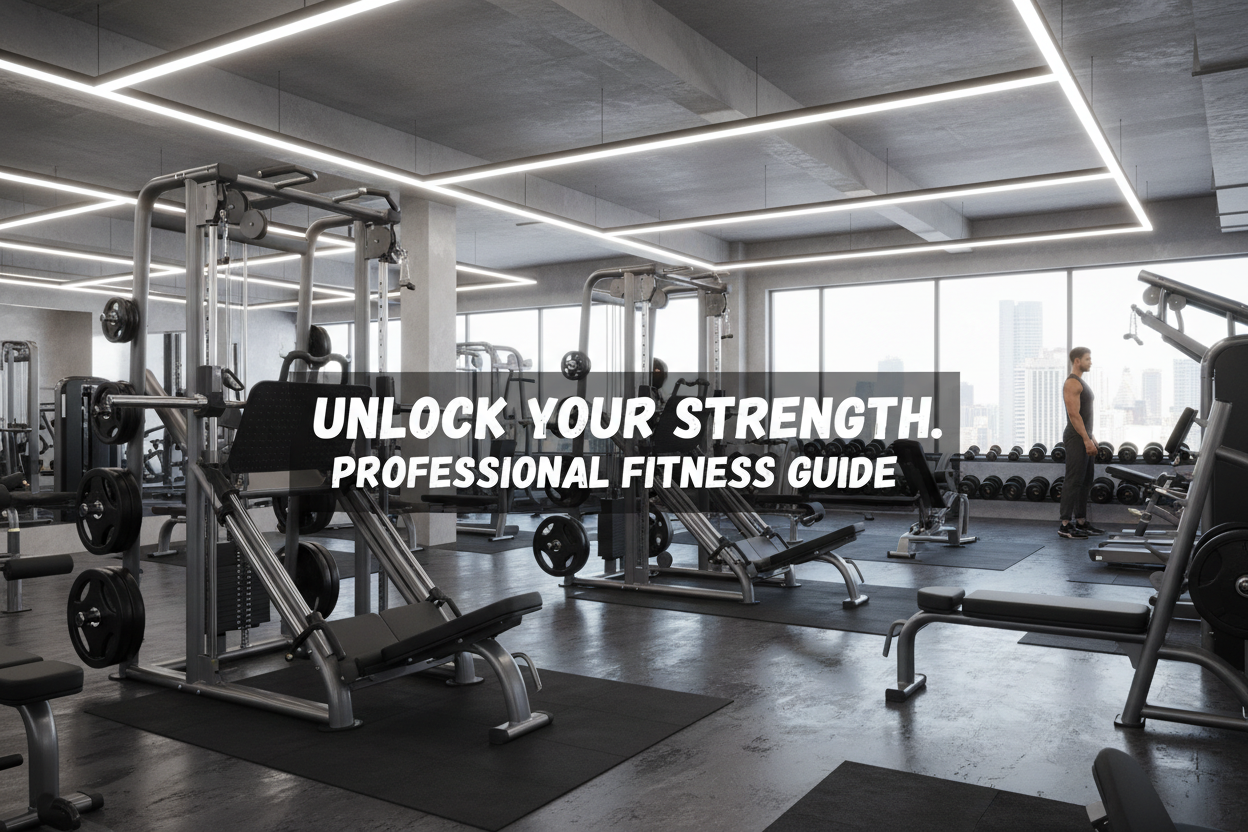
A leg press/hack squat machine was the single biggest addition to my lower body development. While squats are king, having a dedicated leg press allowed me to pile on volume without crushing my spine. For home use, look for compact designs that combine multiple functions. Many modern machines integrate a leg press, hack squat, and sometimes even a calf raise into one footprint.
For upper body, a preacher curl bench and a adjustable decline bench became crucial. These specialized benches help isolate the biceps and lower chest respectively, creating those signature bodybuilding lines. The preacher curl bench in particular helped me break through a years-long bicep plateau by forcing strict form and eliminating cheating.
Space-Saving Solutions for Effective Home Lifting Equipment
Not everyone has a dedicated garage or basement space. The beauty of modern home gym weight equipment is that innovation has created incredibly efficient designs for small spaces.
Wall-mounted foldable racks are brilliant for garage spaces that need to serve multiple purposes. These sturdy systems fold flat against the wall when not in use, freeing up the entire space for vehicles or other activities. Similarly, adjustable kettlebells that use plate loading systems can replace an entire rack of traditional kettlebells.
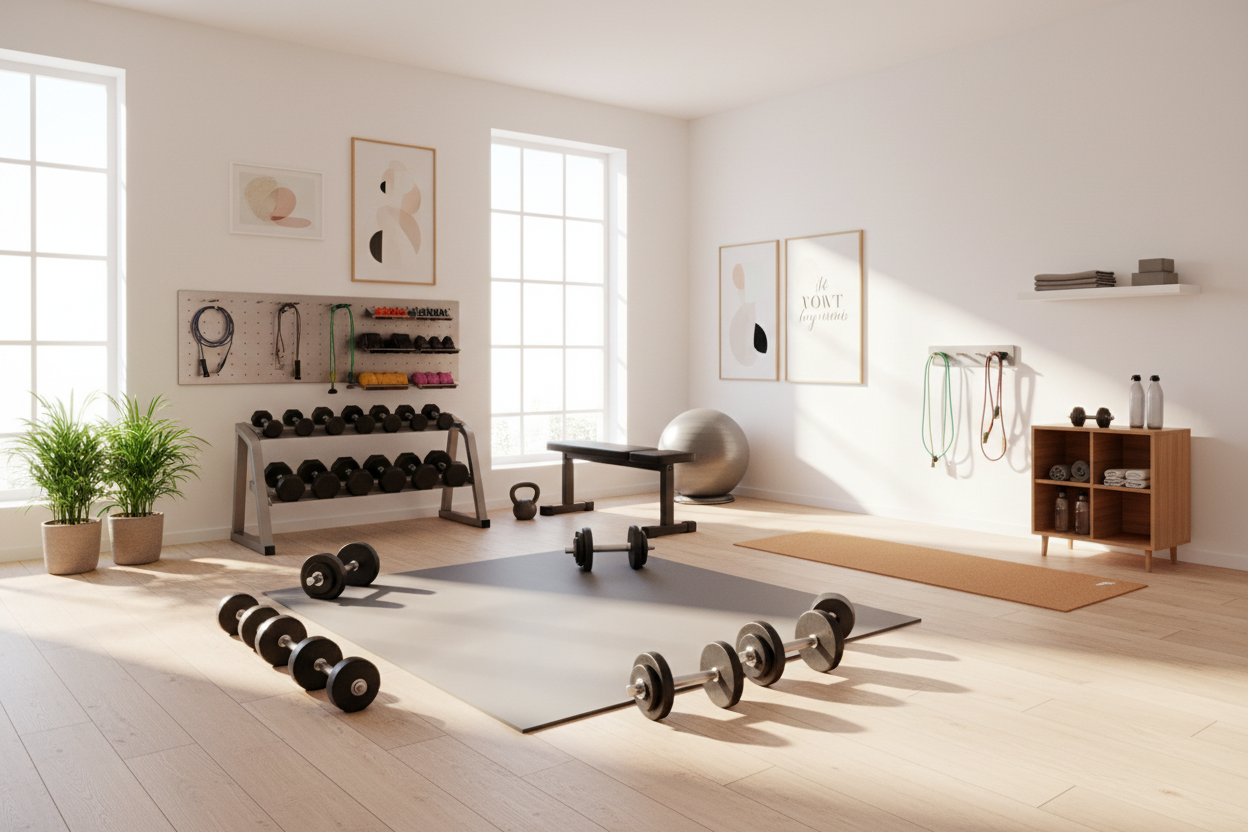
During a period when I lived in an apartment, I used a compact squat stand that could be broken down and stored in a closet. Paired with resistance bands and adjustable dumbbells, I maintained—and even built—impressive strength and muscle mass without dedicating a permanent room to training. Resistance bands, in particular, are underestimated; they're excellent for adding accommodating resistance to barbell movements and for rehabilitation work.
Making It Your Own: The Psychology of a Home Training Space
The physical equipment is only part of the equation. The environment you create significantly impacts your consistency and performance. Good lighting is non-negotiable—both for safety and for creating an energizing atmosphere. I installed bright LED lights in my garage gym and noticed an immediate improvement in my mood and focus.
Music is another crucial element. A quality Bluetooth speaker that can overcome the clanging of weights keeps you motivated through tough sets. Ventilation is often overlooked; a simple fan or ensuring you can open windows makes summer training sessions bearable.
Perhaps the most psychological benefit I've discovered is the elimination of distractions. There's no waiting for equipment, no unnecessary small talk, and no self-consciousness. It's just you and the iron. This focused environment has led to more productive sessions than I ever experienced in commercial facilities. The convenience alone has eliminated the 'I don't have time to go to the gym' excuse that previously derailed my consistency during busy weeks.
Building Over Time: A Sustainable Approach
The most common mistake I see is people buying cheap, inadequate equipment initially, only to replace it later at greater expense. It's far better to build your home gym weight equipment collection slowly, investing in quality pieces that will last a lifetime.
Start with the absolute essentials—a power rack, bench, barbell, and plates. Train with just these for several months while you save for your next major purchase. This approach not only spreads out the financial burden but also forces you to master fundamental movements. Some of my best strength gains came when my equipment was most limited, compelling creativity and focus on perfecting compound lifts.
Building my home gym transformed from a practical decision into a passionate hobby. Each piece added was carefully researched and saved for, making the final setup not just a collection of metal and rubber, but a personalized toolkit for self-improvement. The clang of weights in my own space isn't just noise—it's the sound of goals being met, one rep at a time.