Kettlebell Floor Press: How to Do It Without a Bench
Quick answer: To do a kettlebell floor press, lie on your back on a mat with your knees bent and feet flat. Hold a kettlebell in each hand (or one in a single hand) with the bells resting on the outside of your forearms, upper arms on the floor at about 45 degrees from your body. Press the bells straight up over your chest until your arms are straight, then lower slowly until your upper arms lightly touch the floor. Pause and press again. Do 3–4 sets of 8–12 reps. The kettlebell floor press builds the chest, triceps and shoulders, and it's a great bench press alternative when you don't have a bench.
Key takeaways
- No bench needed: the floor limits the range and protects the shoulders.
- Elbows at about 45 degrees, not flared out.
- Pause when the upper arms touch the floor; don't bounce.
- Wrists straight with the bells resting on the forearms.
- Single-arm version adds a core challenge.
Muscles worked
| Muscle | Role |
|---|---|
| Chest (pecs) | Main pressing muscle |
| Triceps | Lockout, especially with the shorter range |
| Front delts | Assist the press |
| Core | Stabilizes, especially single-arm |
Benefits
- Bench-free chest training at home.
- Shoulder friendly: the floor stops the elbows from dropping too low.
- Triceps strength for lockout in pressing.
- Stability: each arm works independently.
- Safe to train alone with light-to-moderate bells.
How to do a kettlebell floor press
- Get set: sit on the mat with the kettlebells beside your hips.
- Lie back: roll onto your side, grab the bell with both hands, and roll onto your back with it at your chest. Repeat for the second bell.
- Position: knees bent, feet flat, upper arms on the floor at 45 degrees, bells on the outside of the forearms.
- Press: push the bells straight up until the arms are straight over your chest.
- Lower: 2–3 seconds until the upper arms lightly touch the floor.
- Pause briefly, then press again. To finish, bring the bells to your chest and roll to the side to set them down.
Variations
| Variation | Why |
|---|---|
| Single-arm floor press | Core anti-rotation; need only one bell |
| Alternating floor press | Press one side while the other holds at the top |
| Bottoms-up floor press | Bell upside down; grip and stability (light weight); see bottoms up press |
| Floor press with legs straight | Less leg drive, more upper body |
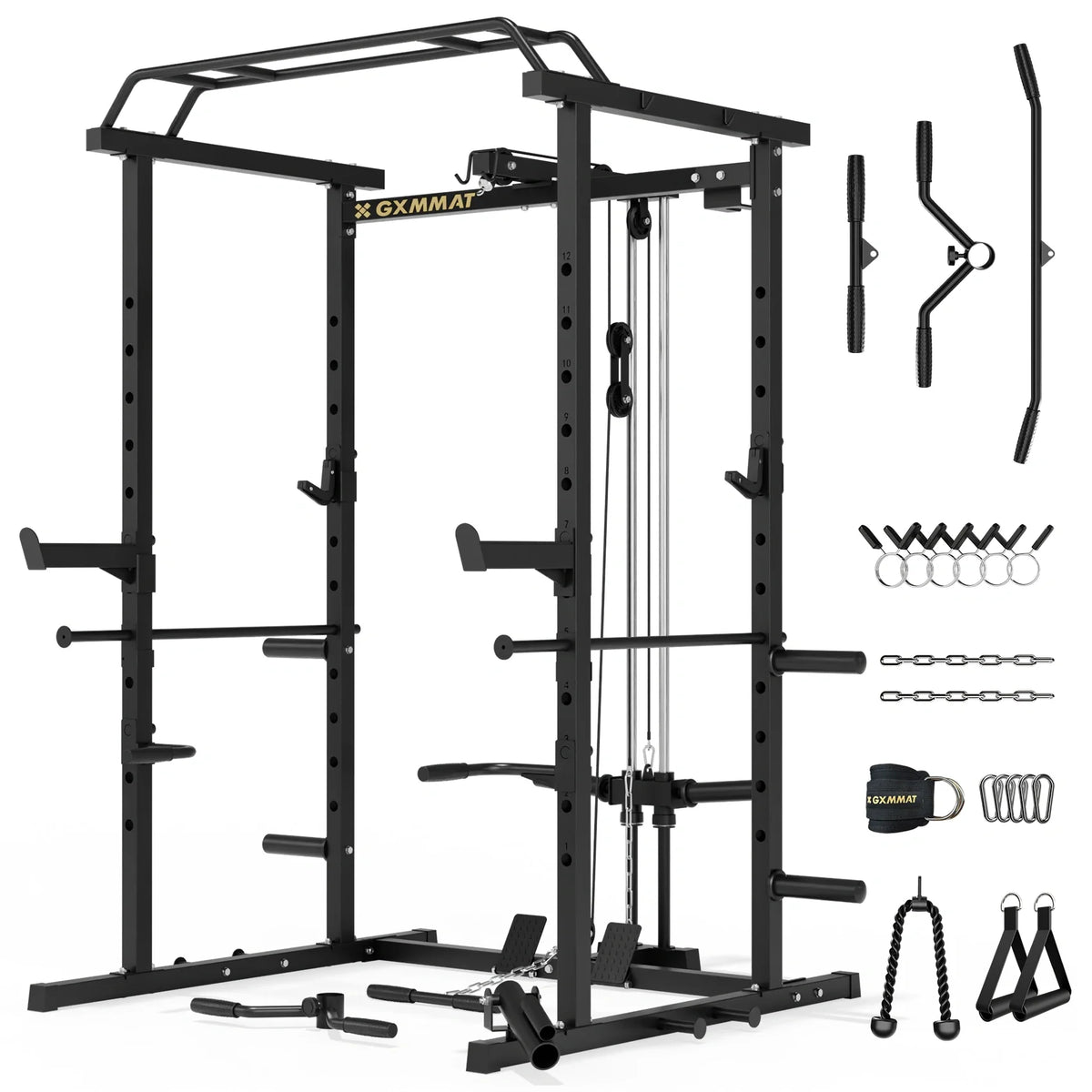
| Barbell floor press | Heavier loading in a power rack |
Common mistakes
| Mistake | Fix |
|---|---|
| Elbows flared at 90 degrees | Tuck to about 45 degrees |
| Bouncing elbows off the floor | Touch lightly and pause |
| Bent-back wrists | Keep the wrists straight, knuckles up |
| Unsafe setup | Use the roll-in, roll-out method |
Sample kettlebell upper body workout
| Exercise | Sets × reps |
|---|---|
| Kettlebell floor press | 4 × 10 |
| Kettlebell gorilla row | 4 × 10 per side |
| Kettlebell push press | 3 × 6 per arm |
| Push-ups | 2 × max |
| Kettlebell halo | 2 × 8 each direction |
For more no-bench options, see bench press alternatives.
Who should be careful
- Shoulder pain: the floor press is often more comfortable than the bench press, but stop if it hurts.
- Wrist pain: adjust the bell position or go lighter.
Floor press setup at home
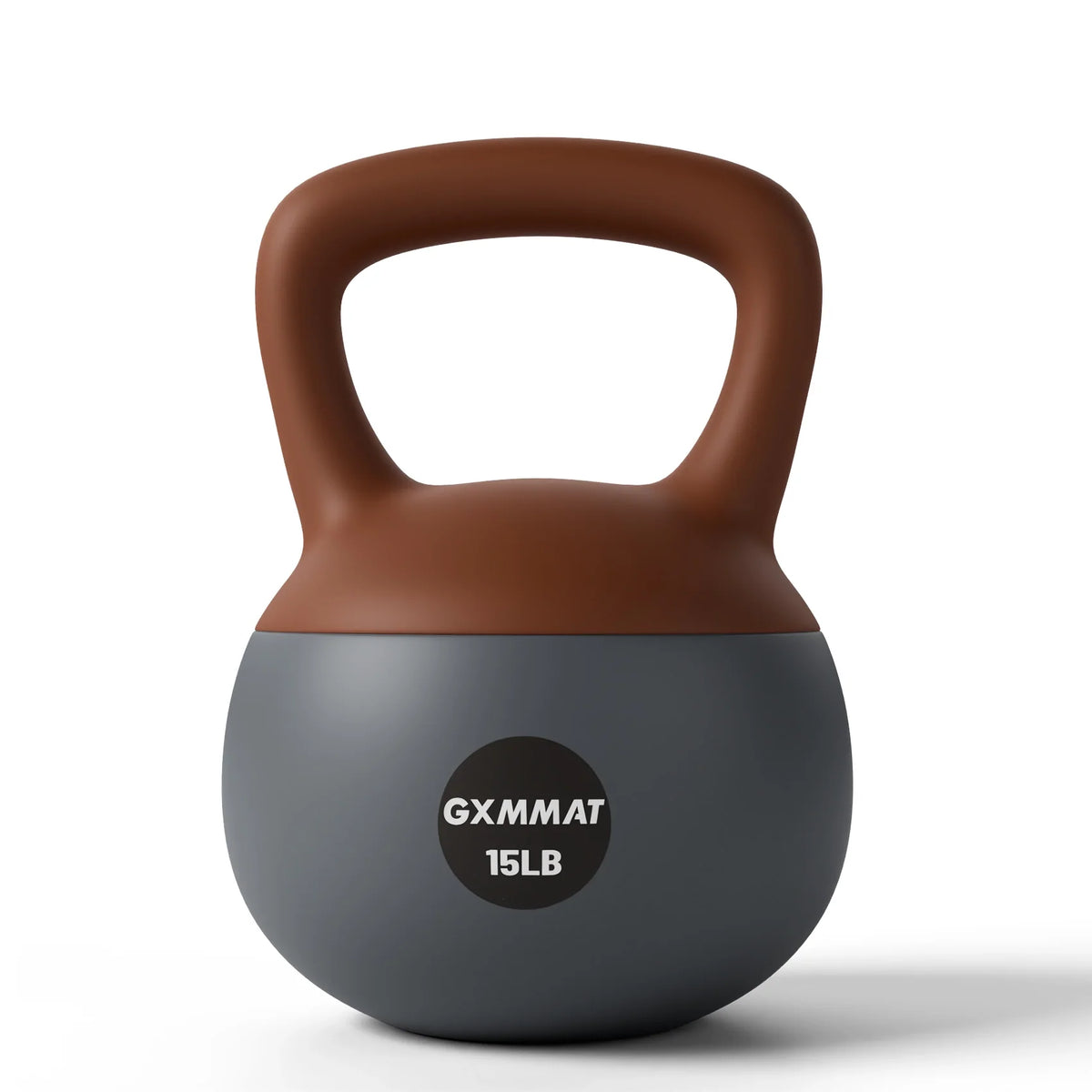
A cushioned floor makes the floor press much more comfortable for your elbows and back. A GXMMAT large exercise mat gives you room to lie down with kettlebells on each side, and its non-slip surface keeps your feet planted. The GXMMAT soft kettlebell comes in 10, 15, 20 and 25 lb; many people floor press a pair of 15–25 lb bells. When you're ready to bench, see the rack and bench packages.
FAQ
What does the kettlebell floor press work?
The chest, triceps and front shoulders, with the core stabilizing.
Is the floor press as good as the bench press?
It has a shorter range of motion but builds chest and triceps strength and is often easier on the shoulders.
Can I floor press with one kettlebell?
Yes. The single-arm floor press works well and adds a core challenge.
What weight should I use?
Many people start with 15–25 lb per hand for 8–12 reps.
Should my legs be bent or straight?
Bent knees are more stable for most people; straight legs make the upper body work harder.
Written by Yuvien Royer for GXMMAT. This article is general fitness information, not medical advice.