Is Cardio Good for Weight Loss? Practical Home Tips
When planning a new fitness routine, many people ask: is cardio good for weight loss, or is spending hours on a treadmill an outdated approach? The simple answer is that cardio is good for weight loss when combined with steady daily habits, sensible nutrition, and a workout environment that keeps your joints comfortable.
Aerobic conditioning elevates your heart rate, increases your daily movement, and strengthens stamina. Understanding how cardiovascular training works in practice requires looking at how different movement styles affect your body and how your training space supports regular sessions.
Why Cardio Is Good for Weight Loss and Energy Balance
To understand why cardio is good for weight loss, it helps to examine daily energy balance. Engaging in regular aerobic exercise increases overall calorie expenditure during the workout itself. When your body expends more energy than it consumes over time, fat reduction naturally follows.
Many beginners wonder: can cardio help lose weight without complex gym machines? Yes. Simple movements like brisk walking, stepping, cycling, or doing cardio workouts at home all raise your metabolic output. If you are exploring structured plans, reviewing our detailed cardio workout guide can help you organize session lengths and movement selections.
Beyond immediate energy burn, consistent cardiovascular training builds stamina, making everyday tasks easier and allowing you to exercise with less fatigue. This sustained capacity makes a fat loss routine far more manageable over weeks and months.
Choosing Between Steady-State and Interval Training
Not all cardio sessions feel the same. Two common approaches are steady-state cardio and interval training. Deciding between them depends on your fitness level, schedule, and joint tolerance.
- Steady-state cardio: Involves maintaining a stable, moderate pace for an extended period, such as jogging, rowing, or cycling. This form of aerobic exercise builds endurance with predictable pacing and lower acute strain.
- Interval training: Alternates bursts of vigorous effort with short recovery intervals. Doing high-energy intervals increases short-term calorie expenditure and condenses work into tighter windows, which is ideal when time is limited.
- Bodyweight circuits: Combining jumping jacks, mountain climbers, and bodyweight squats creates a dynamic circuit that blends conditioning with general muscular endurance.
For those asking whether cardiovascular routines require intense sprinting every single day, the reality is that mixing moderate steady-state cardio with occasional interval training prevents burnout. This balanced method gives your connective tissues time to recover while still keeping your weekly fat loss routine on track.
Can Cardio Help You Lose Weight If Your Diet Is Unchanged?
Can cardio help you lose weight if your diet is unchanged? Cardiovascular exercise can increase daily output, but if nutritional intake continues to match or exceed what you burn, fat reduction will stall.
Understanding the link between diet and cardio is essential for sustainable progress. While aerobic exercise burns energy, an intense session can stimulate appetite. Without mindful eating habits, it is easy to accidentally consume the energy you just expended. Aligning healthy diet and cardio choices ensures that your effort translates into measurable change.
Moreover, asking can cardio help lose weight in isolation overlooks the value of lean muscle tissue. Combining resistance movements with cardiovascular work preserves muscle tone, ensuring your metabolism stays active as your body composition changes. You can review our beginner workout guide to see how lifting and conditioning complement one another.
Simply put, does cardio exercise help you lose weight on its own? It helps create an energy deficit, but paired with smart food choices, diet and cardio become vastly more effective together.
Does Jump Rope or Dynamic Cardio Damage Hardwood Subfloors?
Does jump rope or dynamic cardio damage hardwood subfloors? Repeated impact from athletic shoes, rope tips, and rapid foot shifts can scratch protective finishes and cause wear on subfloors over time.
When performing high-tempo movements like jump rope workouts or explosive bodyweight circuits, your flooring absorbs substantial physical force. Direct contact on bare concrete, tile, or hardwood floors can scuff the surface and send vibrations through the building structure. For this reason, adding reliable subfloor protection is a vital step for any dedicated space.
Beyond floor protection, surface choice directly influences your body. Hard, unyielding surfaces transfer sharp forces upward into ankles, shins, and knees. Experiencing frequent joint impact can lead to soreness that forces you to skip planned sessions. Installing resilient, durable gym flooring or rolling out a dedicated mat provides essential shock absorption that softens landings during jumping drills.
If you are building your training zone, browsing our exercise mat collection offers versatile floor padding options designed to cushion repeated steps while guarding your original floorboards against scrapes.
Setting Up and Caring for Your Home Workout Space
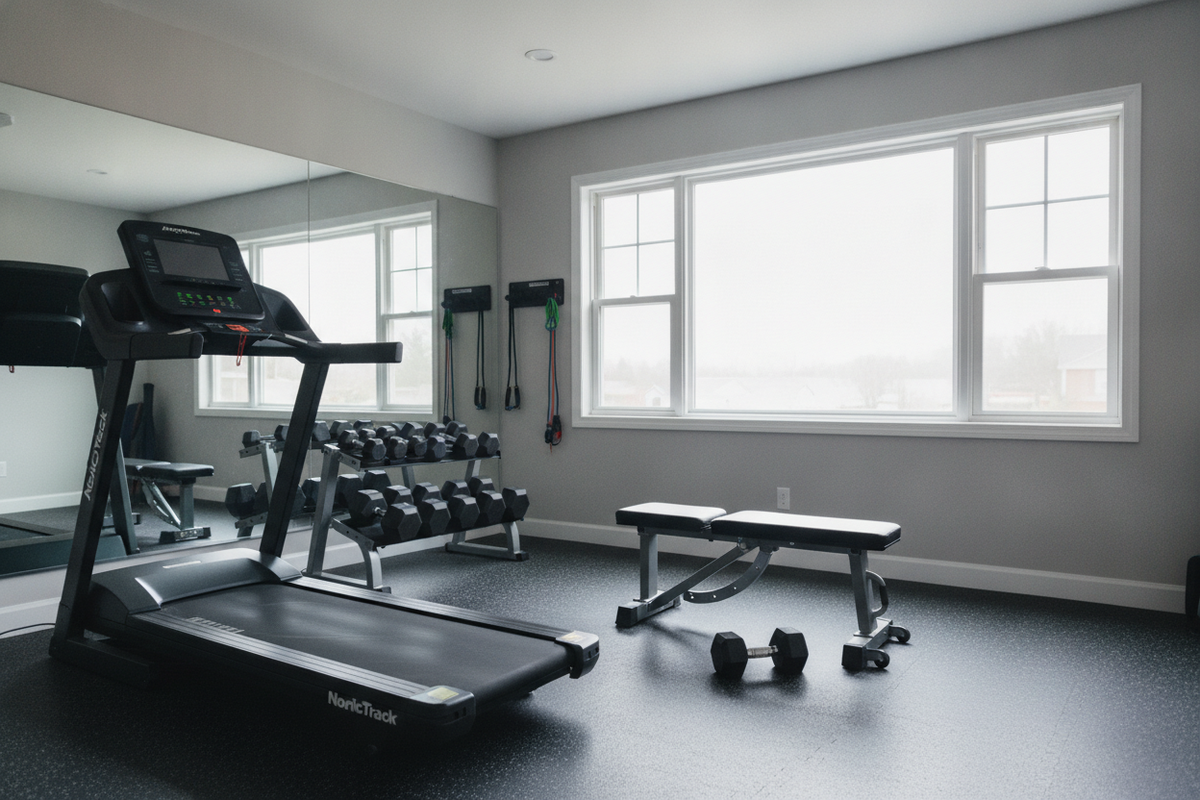
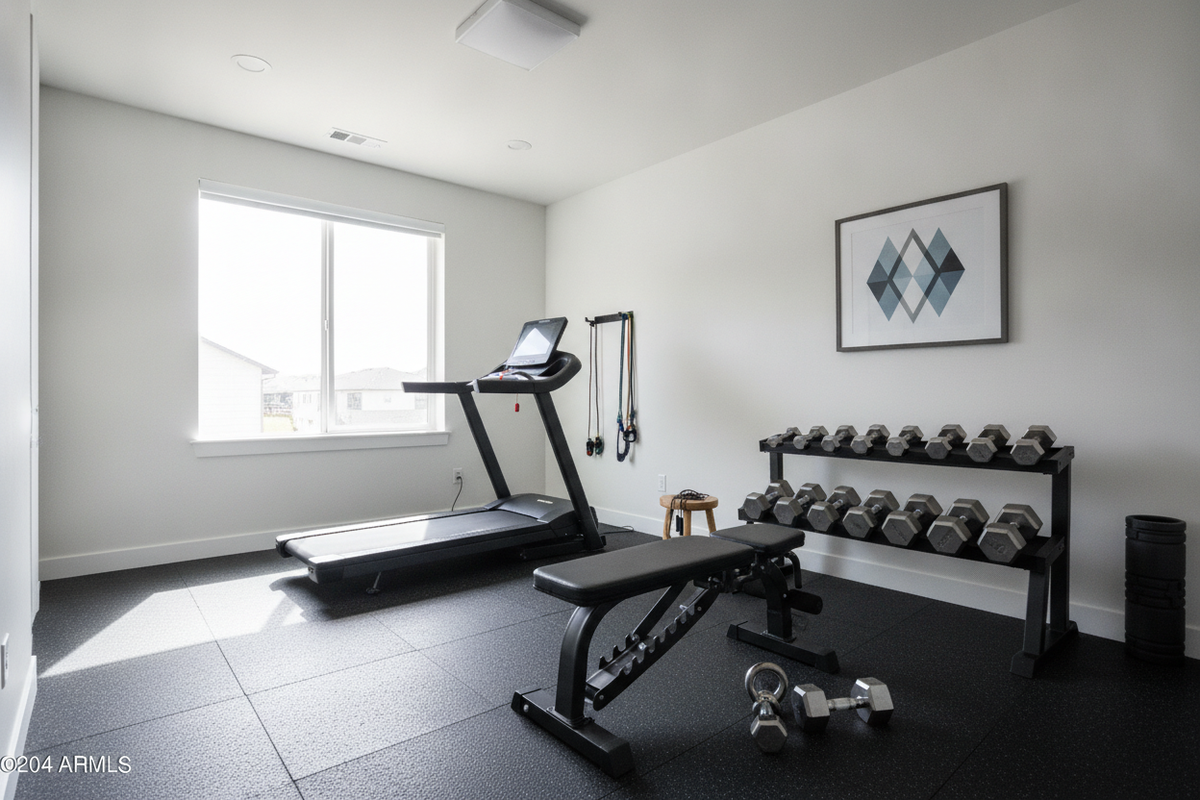
Creating an inviting home gym setup removes friction from your daily schedule, making it easier to stick with your training program. When setting up an area for cardio workouts at home, consider the following layout and upkeep essentials:
Surface Selection and Traction
A proper workout surface must balance cushion and stability. A dense foam mat prevents your feet from bottoming out against hard concrete, while maintaining firm footing so you do not wobble during lateral lunges or burpees. Reliable traction and grip on both sides of the surface prevents the mat from sliding across smooth hardwood floors while keeping your shoes firmly planted.
For wide-ranging drills and jump rope workouts, investing in a generous surface such as a large workout flooring mat gives you ample room to move without stepping off the edges. A spacious, large exercise mat provides enough continuous coverage for rolling, skipping, and side-to-side shuffling.
Equipment Placement and Clearances
Plan your equipment placement thoughtfully. Leave at least a few feet of clear perimeter around your main mat space so that stray ropes, weights, or furniture do not create tripping hazards during fast-paced interval training. Proper clearance allows full arm and leg extension during dynamic bodyweight circuits.
How Do You Keep Large Workout Mats Clean After Sweaty Cardio Sessions?
How do you keep large workout mats clean after sweaty cardio sessions? Routine cleaning with a mild soap-and-water solution and a microfiber cloth keeps workout surfaces sanitary and free of slippery residue.
After rigorous aerobic exercise, sweat and dust accumulate quickly on workout surfaces. Consistent wipe-down maintenance removes surface oils that can compromise the material's traction and grip. Avoid abrasive chemical bleaches or rough scrubbing pads that might degrade the textured finish of a dense foam mat. Once wiped, allow the mat to air dry completely before rolling it up or placing gear back on top.
Building a Long-Term Movement Habit
If you find yourself asking does cardio exercise help you lose weight, remember that consistency matters far more than short-term intensity. Planning cardiovascular routines into your weekly schedule succeeds when the activity fits your lifestyle, respects your recovery needs, and feels good on your joints.
Whether you choose brisk outdoor walks, indoor cycling, or dynamic bodyweight circuits on a cushioned large exercise mat, cardiovascular training remains a foundational tool for energy balance and heart health. By pairing balanced diet and cardio habits with a safe, comfortable home gym setup, you can pursue your health goals steadily and avoid unnecessary physical strain.