Best Cardio Workout to Lose Weight: Routine Blueprints, Intensity Frameworks, and Home Floor Staging
Understanding Cardiovascular Conditioning for Sustainable Weight Management
Finding the best cardio workout to lose weight comes down to structuring a routine that balances total energy expenditure with joint longevity and recovery. Many trainees ask what is the best cardio exercise for weight loss, assuming a single machine or movement holds the key. In practice, an effective cardio fat loss plan blends different intensity zones rather than relying solely on exhaustive daily efforts.
When planning good cardio weight loss workouts, two primary energy systems take center stage: high-intensity interval formats and low-impact steady-state conditioning. High-intensity training challenges the cardiovascular system through rapid bursts of work, demanding full-body muscular engagement. Conversely, steady-state aerobic work provides sustained movement at a manageable pacing baseline, making it easy to accumulate weekly volume without overwhelming the central nervous system. Balancing both approaches protects your joints from repetitive stress while maintaining consistent training consistency.
Top Cardio Modalities and Movement Blueprints
A well-rounded training regimen can incorporate several distinct modalities depending on whether you train in a commercial facility or at home.
- Bodyweight Circuit Complexes: Combining movements such as squat thrusts, lateral lunges, skater bounds, and high knees creates dynamic resistance. For those seeking structured home intervals, following a dedicated fat killer hiit strength workout cardio guide offers a systematic path to elevate your heart rate across multi-planar movement patterns.
- Interval Micro-Bursts: Short, high-density intervals challenge anaerobic capacity. Structuring sessions around timed work-to-rest intervals, such as those found in a tabata workout cardio fast guide, allows trainees to maintain high power output across brief, focused training blocks.
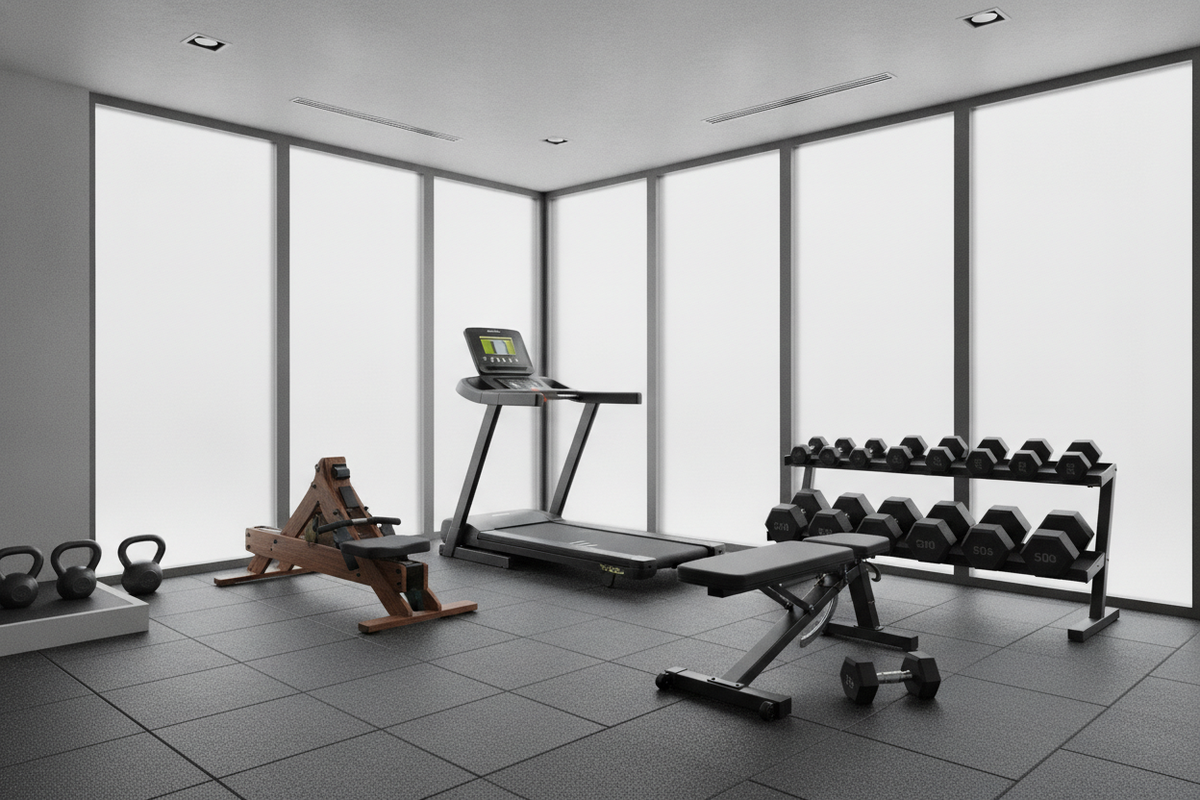
- Low-Impact Steady-State (LISS): Incline treadmill walking, stationary cycling, and rowing machine intervals serve as best gym cardio to lose weight when looking to manage impact forces while steadily burning energy.
- Hybrid Multi-Planar Drills: Shadowboxing, jump rope variations, and agility ladder footwork build coordination, spatial awareness, and conditioning simultaneously.
Sample Weekly Cardio Structures for Home and Gym
Rather than chasing cardio workouts for fast weight loss with unmanageable daily volume, structuring a sustainable weekly rhythm yields superior long-term results. Below are two distinct templates tailored for home training and gym setups.
Home Conditioning Blueprint
When executing a cardio workout to lose weight at home, space constraints and joint impact require strategic planning:
- Day 1 (Dynamic Bodyweight Intervals): 5 rounds of 45 seconds of work followed by 15 seconds of active recovery, cycling through mountain climbers, lateral bounds, squat jumps, and plank shoulder taps.
- Day 2 (Low-Impact Aerobic Flow): 30 to 40 minutes of continuous low-impact movement, including shadowboxing combinations, high-knee stepping, and step-touch mobility drills.
- Day 3 (Hybrid Conditioning Circuit): Alternating jump rope intervals with push-up walkouts and reverse lunge knee drives to challenge both upper and lower body endurance.
Gym-Based Cardio Routine
A dedicated weight loss cardio gym routine takes advantage of varied resistance equipment:
- Session A (Incline Treadmill & Rower Intervals): 20 minutes of steady incline walking paired with 10 rounds of 30-second rowing sprints alternated with 30 seconds of easy recovery paddling.
- Session B (Stair Climber & Bike Progression): 15 minutes of steady stair climbing maintaining consistent cadence, followed by 15 minutes of stationary bike interval surges.
- Session C (Functional Turf Circuit): Sled pushes, kettlebell swings, and battle rope waves structured in a continuous circuit to build total-body work capacity.
Staging Your Home Cardio Space: Impact Absorption and Floor Protection
When executing dynamic multi-directional cardio movements at home, hard subfloors such as concrete, tile, or unpadded hardwood can transfer significant impact forces directly into ankles, knees, and hips. Repetitive jumping, bounding, and pivoting also present slipping risks on bare floors, while sweat accumulation can damage underlying flooring materials over time.
Establishing a stable foundation with a dedicated large exercise mat for home gym spaces creates a protective, non-slip staging zone. A high-density surface absorbs kinetic energy from landings, dampens room vibration, and keeps high-tempo movements secure underfoot.
For wide-stance agility drills, sprawling burpees, and lateral bounding complexes, setting up a 6x10ft exercise mat yoga mat gym flooring for home workout footprint ensures you never step off the padded boundary mid-interval. The textured surface prevents footing from slipping during high-intensity sessions, giving you the confidence to train explosively without risking floor scuffs or joint strain.
Long-Term Adherence, Recovery, and Equipment Maintenance
Achieving lasting results from cardiovascular training requires smart progression and proper equipment maintenance. Instead of immediately increasing session speed or daily duration, focus on the following long-term practices:
- Pacing Progression: Increase interval work durations gradually before attempting to increase raw movement speed. This ensures clean movement mechanics under cardiovascular fatigue.
- Surface Hygiene: High-sweat conditioning sessions leave residue on gym mats. Wipe down exercise surfaces after every workout using a mild, non-abrasive soap solution and allow them to air dry completely to maintain traction.
- Active Recovery Integration: Complement high-intensity sessions with dedicated mobility work, light walking, and adequate hydration to facilitate muscular recovery between challenging training days.