I Wasted $4,000 Before Finally Building a Great Home Gym
I remember the day the delivery truck dropped off a 700-pound crate of chrome and cables. I thought I was a genius. I’d just spent four grand on a massive all-in-one station that looked like it belonged in a high-end hotel. Six months later, I was doing pull-ups on a ceiling joist because that 'masterpiece' took up 80% of my garage floor and felt like dragging a sled through gravel every time I pulled a handle. Building a great home gym isn't about matching the local franchise gym; it’s about maximizing your square footage for the heavy stuff.
- Footprint is King: If you can't walk around the equipment, you won't use it.
- Cable Quality Matters: Cheap pulleys are jerky and ruin the mind-muscle connection.
- The Barbell is the GOAT: One 7-foot bar replaces ten single-use machines.
- Buy Once, Cry Once: 11-gauge steel lasts forever; thin tube steel wobbles on your first heavy set.
The Commercial Gym Illusion
We’ve been conditioned to think a gym needs rows of single-use machines. In a 12x12 spare room, a dedicated leg extension station is just a $600 clothes rack. Trying to squeeze a commercial layout into your house is the fastest way to kill your motivation. You end up feeling cramped, the lighting is weird, and you realize Why Frantic HIIT Circuits Aren't the Best At Home Strength Training when you're tripping over a leg press just to do a set of burpees.
A commercial gym has space to waste. You don't. Every square inch of your floor needs to earn its keep. If a piece of equipment only does one thing, it better do that one thing better than a barbell can. Most of the time, it doesn't.
What Actually Makes the Best Strength Training Equipment?
The best strength training equipment is defined by versatility and build quality. You want gear that doesn't dictate your movement path. When you use free weights, your stabilizer muscles are screaming. When you use a cheap 'home version' of a chest press, you're stuck in a fixed, often awkward arc that can wreck your shoulders over time.
Realizing Building Real Strength The Truth About Best At Home Resistance Equipment means looking for 3x3-inch steel uprights and high-tensile strength bars. The best home strength training machines are often the simplest ones—a rock-solid power rack with a smooth cable addition. Don't get distracted by flashy plastic shrouds or digital screens that will be obsolete in three years.
Why I Ditched My Expensive Multi-Station
My $4,000 mistake was a multi-station rig that promised 50 exercises. In reality, it did 48 of them poorly. The resistance curve was all wrong; it was heavy at the start and slack at the top. Even the best weight machine on paper is useless if the biomechanics feel 'off.' I sold it for forty cents on the dollar and felt a massive sense of relief when that floor space opened back up.
If you're looking for the best strength training machine, don't buy something that tries to be a Swiss Army knife. A machine that tries to be a squat rack, a cable crossover, and a smith machine usually fails at being great at any of them. I went back to basics, and my bench press numbers shot up 30 pounds in two months because I was finally using a real bar again.
The Core Four: My Blueprint for Serious Lifters
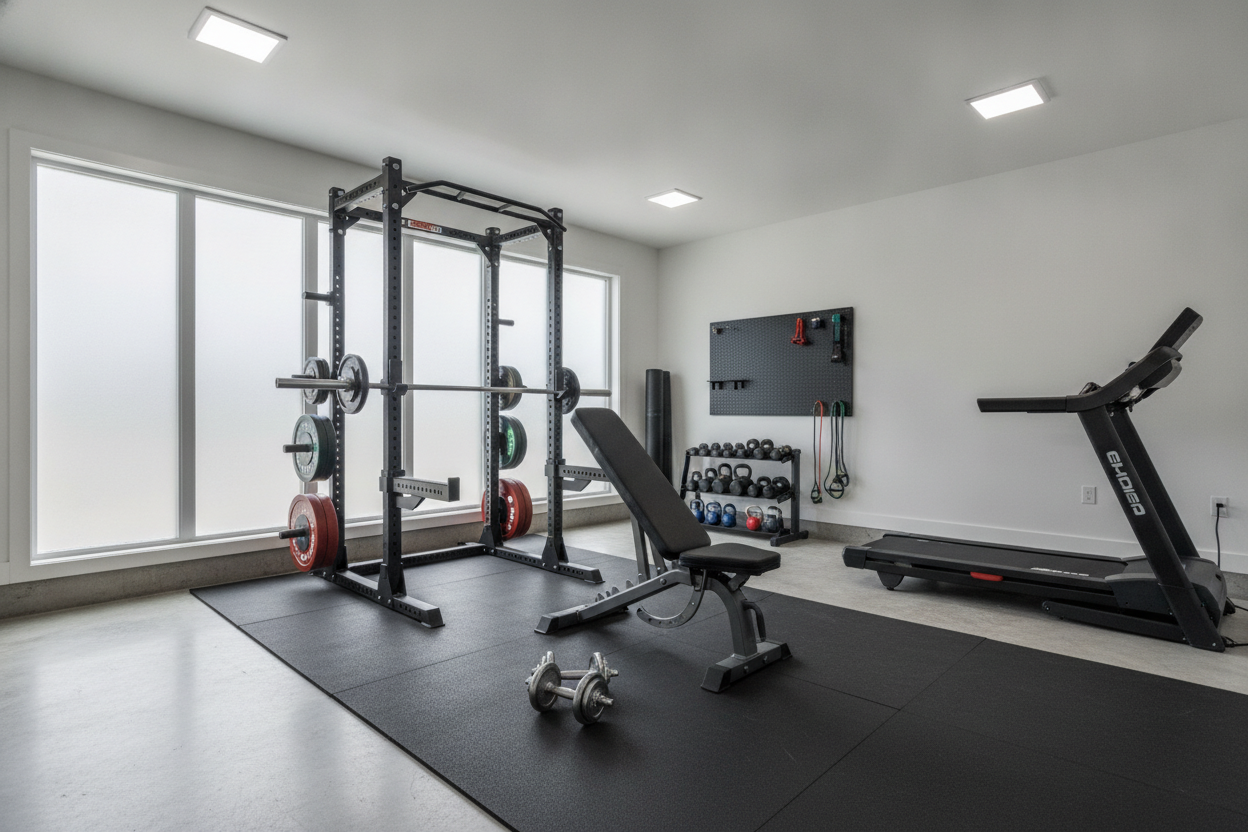
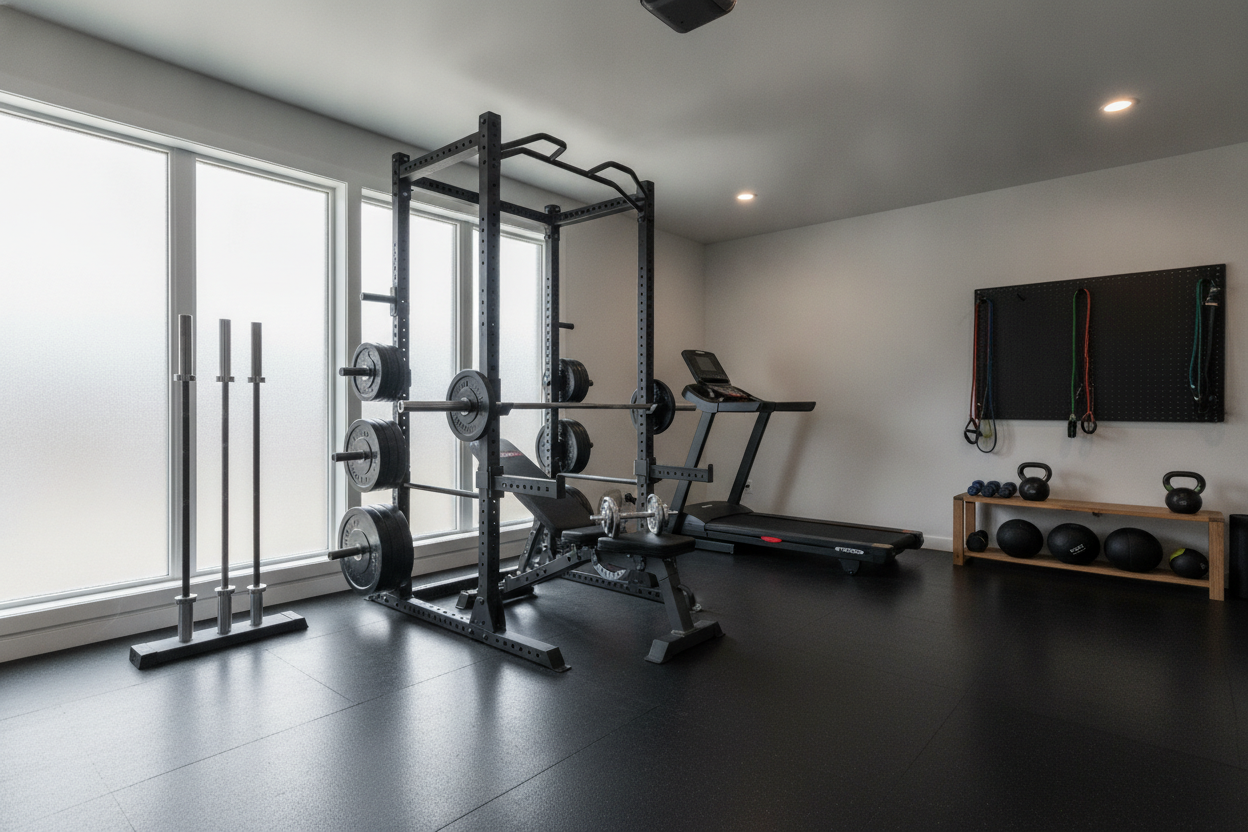
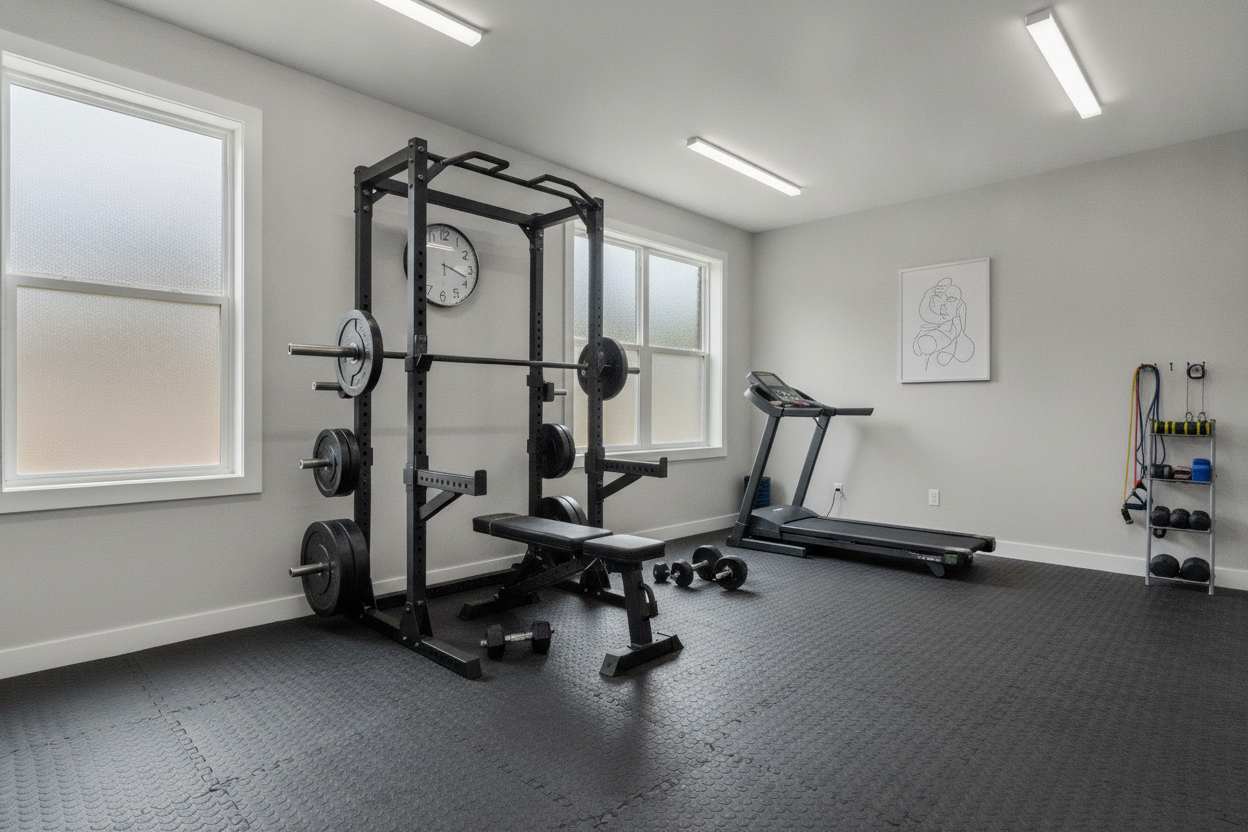
If I had to start over with a blank concrete floor, I’d buy four things: a four-post power rack, a 20kg multi-purpose barbell, 450 lbs of iron plates, and an adjustable bench. This combo is the absolute best resistance training equipment you can own. It fits in an 8x8 footprint and allows for every major compound lift that builds actual mass.
Once you have the foundation, you can start adding Strength Training Accessories. I'm talking about J-cups with plastic liners to protect your bar, a landmine attachment for rows, and maybe a pair of dip handles. These small additions turn a simple steel cage into a total body workshop without taking up a single extra inch of floor space.
Expanding Smartly: When to Actually Buy a Dedicated Machine
After you’ve mastered the barbell, you might find your recovery lagging or your joints needing a break from heavy squatting. That is the only time I suggest looking into a Lower Body Strength Machine. A high-quality leg press or a hack squat can provide the volume your quads need without the systemic fatigue of a heavy spinal load. Just make sure you have the clearance for the plate horns.
Don't pay full retail if you can help it. I always tell people to browse Home Gym Equipment Deals during the off-season. You can often find a pro-grade selectorized lat pulldown or a functional trainer for the price of a budget 'Amazon Special' if you time it right. Buy the heavy stuff once, and your grandkids will be lifting on it.
How much ceiling height do I need for a power rack?
Most standard racks are about 84 to 92 inches tall. Always measure to the lowest point of your ceiling—including garage door openers or low-hanging pipes. If you’re under 8 feet, look for 'shorty' racks specifically designed for basements.
Should I get iron or rubber-coated plates?
Iron plates are thinner, meaning you can fit more on the bar, and they have that classic 'clank' that sounds like progress. Rubber-coated or bumper plates are better if you’re lifting on a finished floor or dropping weights from overhead, but they are significantly bulkier.
Is a 1-inch or 2-inch hole bar better?
Always go with 2-inch (Olympic) sleeves. The 1-inch 'standard' bars are flimsy, have lower weight capacities, and the plate selection is terrible. Don't waste your money on equipment you'll outgrow in three months.