Soreness Is a Liar: The Real Science of How to Get Built
I remember waking up after a 100-rep leg day feeling like I had been hit by a freight train. I could not sit on a chair without bracing against the wall, and I wore that pain like a badge of honor. I thought I had cracked the code on how to get built, but six months later, my legs were the same size and my squat had barely budged. I was just tired, not better.
- Muscle soreness (DOMS) is an indicator of novelty, not necessarily growth.
- Mechanical tension is the primary driver of hypertrophy.
- Training frequency often beats per-session intensity for natural lifters.
- The posterior chain is the foundation of a massive physique.
Why Being Too Sore Actually Kills Your Progress
We have been conditioned to believe that if you aren't limping, you didn't work hard enough. That is total nonsense. Delayed Onset Muscle Soreness (DOMS) is mostly just structural inflammation and a reaction to movements your body isn't used to. While a little bit of soreness is fine, being absolutely crippled for three days is a progress killer. It stops you from figuring out how to build muscle and strength fast because you simply cannot train often enough.
If you destroy your chest on Monday and can't touch a barbell again until the following Tuesday, you are only stimulating growth 52 times a year. If you manage your fatigue better, you can hit that same muscle group twice a week, giving you 104 growth opportunities. High frequency is the real secret to how to gain muscle and strength fast. You want to stimulate the muscle, not annihilate it. When you are too sore to maintain proper form, your injury risk skyrockets and your power output drops off a cliff.
Mechanical Tension: The Undisputed King of Mass
If you want to know how to increase muscle strength fast, look at your logbook, not the mirror. Mechanical tension—the force generated by your muscle fibers when they are stretched under load—is what tells your body to grow. This is why a guy who benches 315 for reps is almost always bigger than the guy chasing a 'pump' with 15lb dumbbells. You need to focus on progressive overload on big, ugly compound movements.
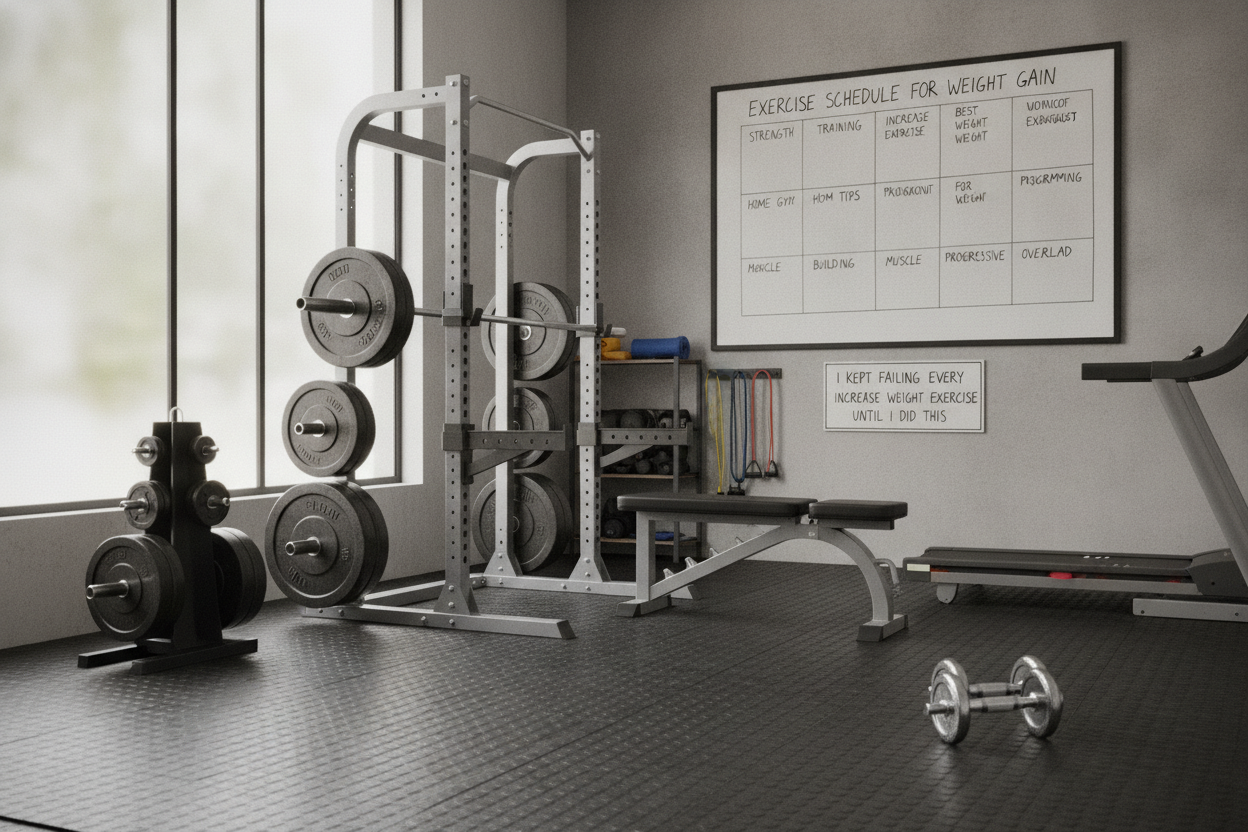
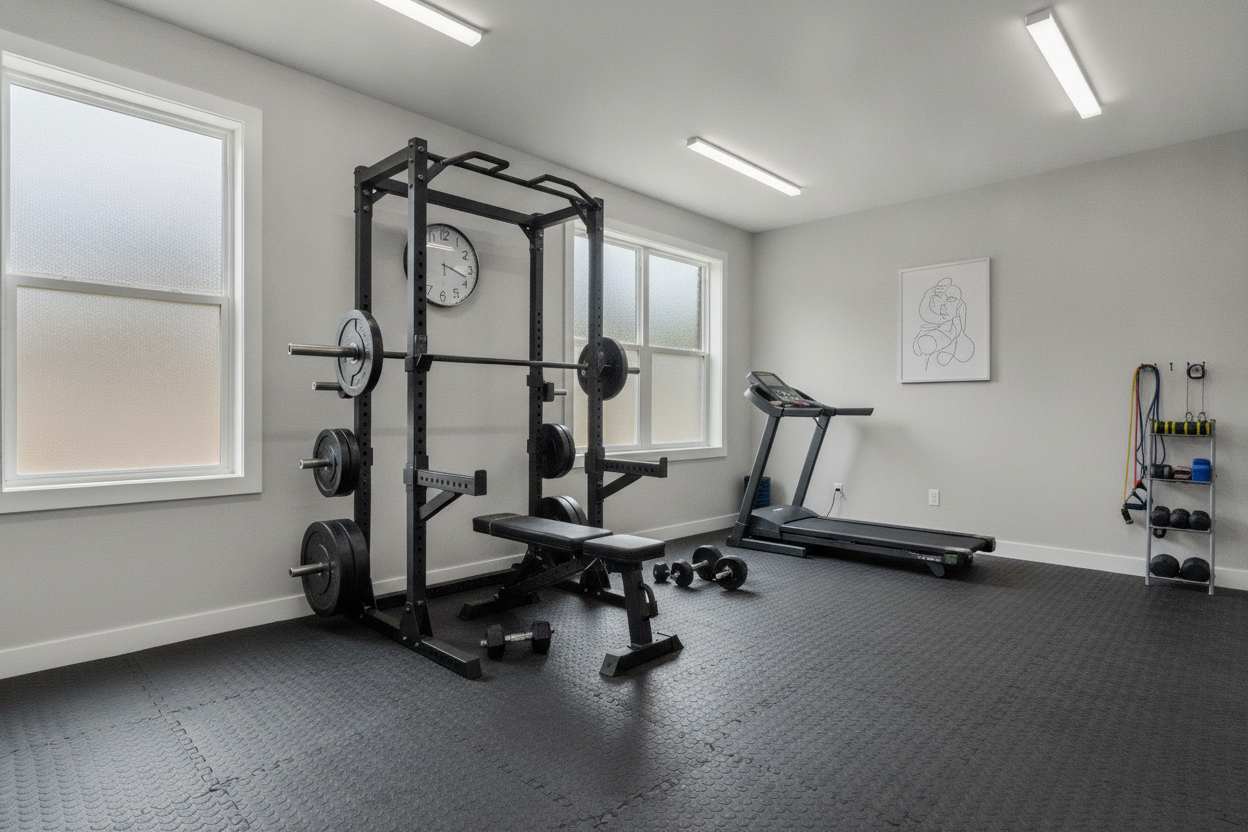
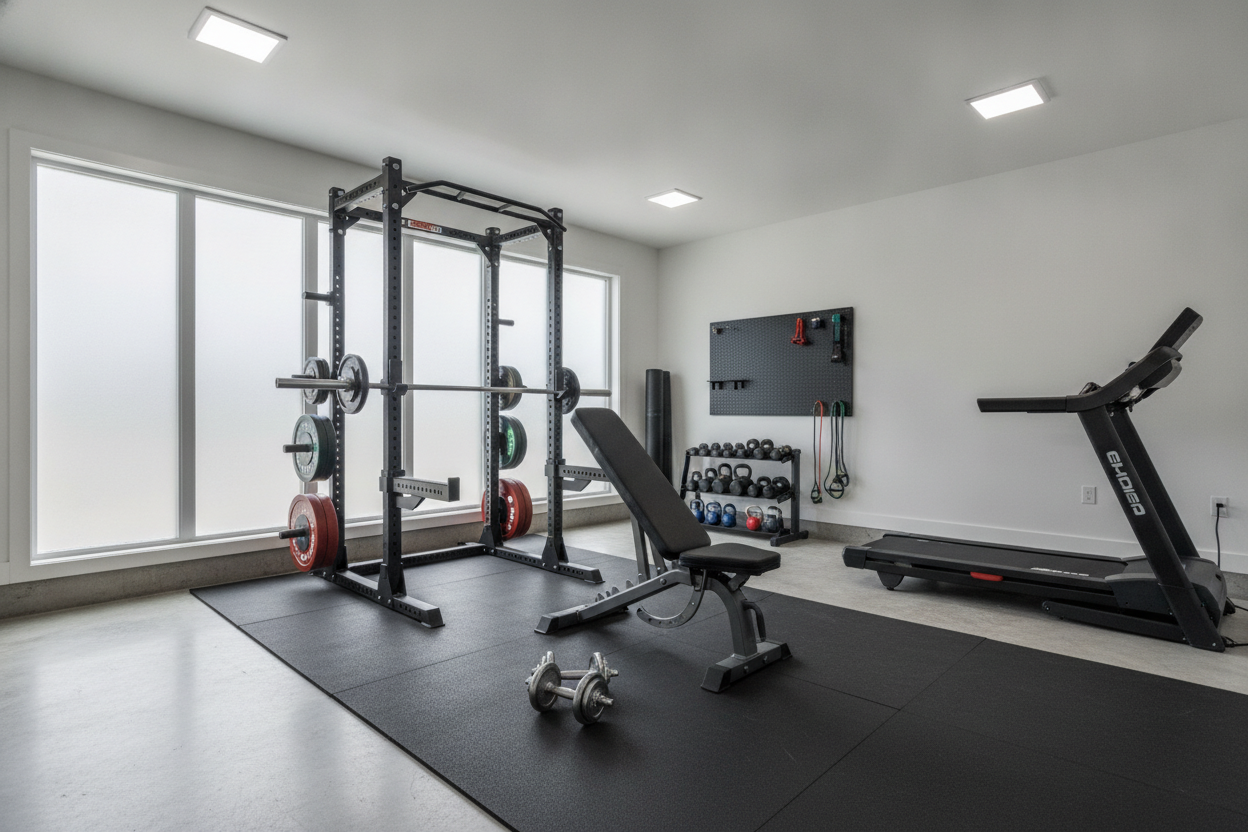
Investing in quality strength equipment for your home gym allows you to stay consistent without waiting for a rack. You need a solid barbell, a rack that won't wobble when you re-rack a heavy set, and plates that actually weigh what they say they do. Once you have the gear, focus on the top 5 chest exercises to build strength and muscle fast as your foundation. Stop swapping exercises every week to 'confuse' the muscle. The only thing you’ll confuse is your own progress. Pick 5-8 movements, get incredibly strong at them, and the mass will follow.
Stop Neglecting Your Posterior Chain
Most guys spend all their time on 'mirror muscles'—chest, bis, and abs. But if you are trying to learn how to gain mass in body fast, you have to look at the back of your body. Your glutes, hamstrings, and erectors are the largest muscle groups you have. Heavy deadlifts, RDLs, and squats release a hormonal response that helps your entire body grow. You cannot build a skyscraper on a foundation made of toothpicks.
I see it all the time: guys with massive arms and chests who look like they’d tip over in a stiff breeze. Real thickness comes from the back. Understanding the science of glute growth how to build strength and mass effectively is just as important for men as it is for women. Strong glutes stabilize your spine and allow you to move more weight on every other lift. If your posterior chain is weak, your squat will stall, and your overall mass will plateau.
Recovery Is Where the Magic Actually Happens
You do not grow in the gym; you grow in your sleep. The 'no days off' culture is a fast track to burnout and tendonitis. To master how to build muscle strength fast, you have to treat your recovery with the same intensity as your training. This means sleeping 8 hours, eating in a slight caloric surplus, and managing stress. If you are constantly in a state of high cortisol, your body will refuse to drop fat or add muscle.
On your off days, don't just sit on the couch. Use Gxmmat new upgraded exercise mats for some light mobility work or foam rolling. Active recovery keeps the blood flowing to those damaged tissues without adding more systemic fatigue. This is how to gain muscle and strength fast without feeling like a walking bruise. Your goal is to show up to your next session feeling fresh enough to beat your previous numbers.
My Own Hard Lesson in Overtraining
A few years back, I tried a high-volume 'pro' routine I found in a magazine. I was training six days a week, 30 sets per session. I was constantly sore, my joints felt like they were filled with sand, and I was perpetually grumpy. After two months, I hadn't gained a single pound of muscle, but I had developed a nasty case of golfer's elbow. I stripped everything back to a basic three-day-a-week full-body split, focused on heavy triples and fives, and I put on more size in three months than I had in the previous year. More isn't better; better is better.
Frequently Asked Questions
Can I build muscle if I'm never sore?
Absolutely. Soreness is a poor indicator of growth. If you are adding weight to the bar or doing more reps with the same weight over time, you are building muscle, regardless of how your body feels the next morning.
How many days a week should I train to get built?
For most people, 3 to 5 days is the sweet spot. This allows for enough volume to stimulate growth while providing at least 48 to 72 hours of recovery for each muscle group between sessions.
Do I need to do cardio while building mass?
Yes, but keep it low impact. A 20-minute walk or a light cycle helps with nutrient partitioning and heart health without interfering with your recovery. Just don't run a marathon if you're trying to set a squat PR.