What Really Happened When She Started Strength Training at 49
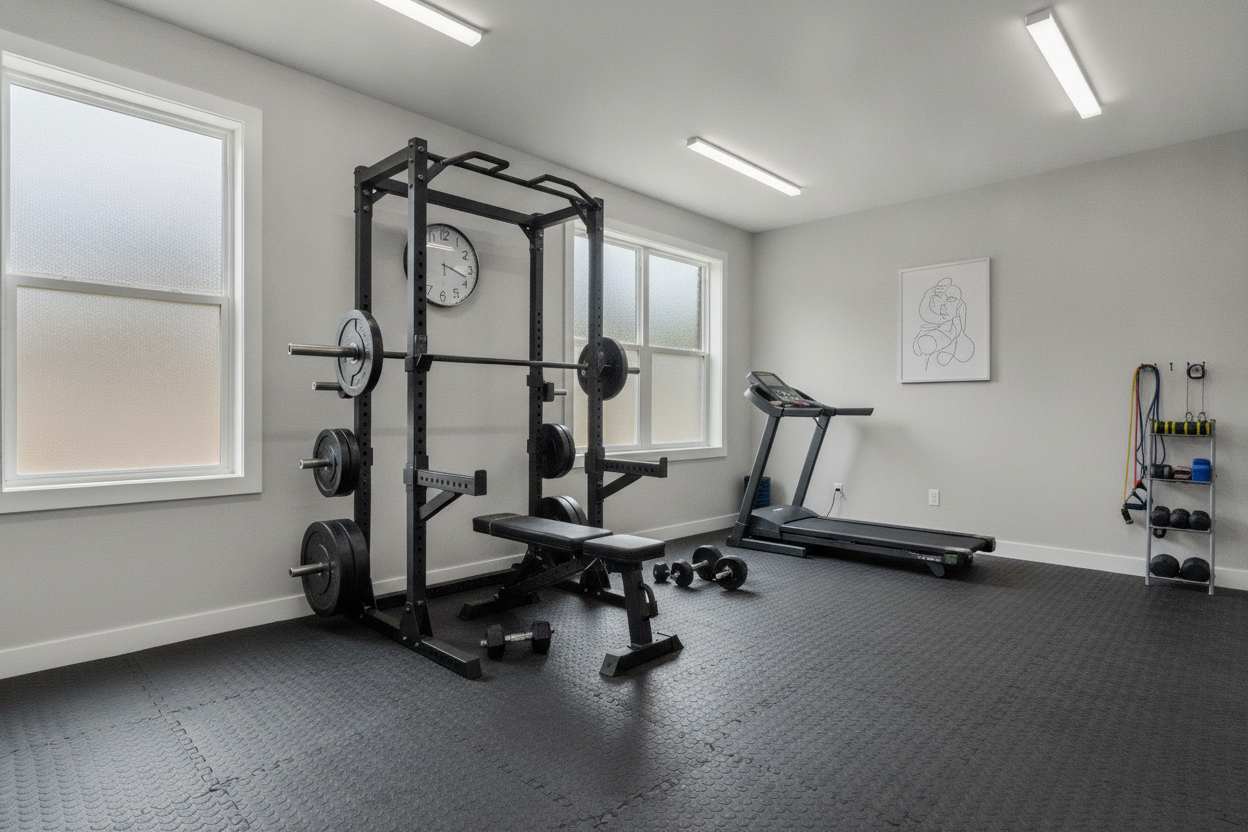
Sarah walked into my garage gym looking like she was ready for a root canal. She had been a runner for twenty years, but her knees were shot, her back constantly ached, and she felt 'soft' despite the miles. she started strength training at 49 because she realized that her current routine was actually accelerating her aging process rather than slowing it down.
- Muscle mass is the ultimate insurance policy for your 50s and beyond.
- You do not need a 5,000-square-foot commercial gym to see results.
- Barbell anxiety is real, but it usually disappears after the third session.
- Progressive overload is the only way to improve bone density.
Why the 'Menopause Cardio' Routine Was Ruining Her Joints
For a decade, Sarah followed the standard advice for women's health: lots of cardio and maybe some 3-lb dumbbells to 'tone.' The result? She was losing muscle mass every year. This high-impact, low-resistance approach left her joints inflamed and her metabolism sluggish. She finally realized that I Quit Mainstream Women's Health Strength Training (Here's Why) was the right move because those magazine workouts weren't designed to build a resilient skeleton.
We stopped the endless treadmill sessions and replaced them with foundational movements. The goal wasn't to burn calories; it was to build a body that could withstand the demands of the next forty years. Within weeks, the chronic 'runner's knee' that plagued her for years started to vanish as her glutes and quads actually began to support her weight.
The First 30 Days: Surviving Barbell Anxiety
The first time Sarah stood in front of my power rack, she wouldn't even touch the bar. There is a specific kind of fear that comes with heavy iron—a fear of looking stupid or, worse, getting hurt. We started with a 15-lb aluminum technique bar. No plates, no ego, just learning how to hinge at the hips without rounding her spine.
By day 15, she was using the standard 45-lb Olympic bar. The mental shift was more dramatic than the physical one. She stopped saying 'I can't' and started asking 'How much is on there?' Building that motor control in the first month is the most critical step. Once you realize the bar isn't going to bite you, the real training begins.
The Bare-Bones Gear That Actually Built Her Muscle
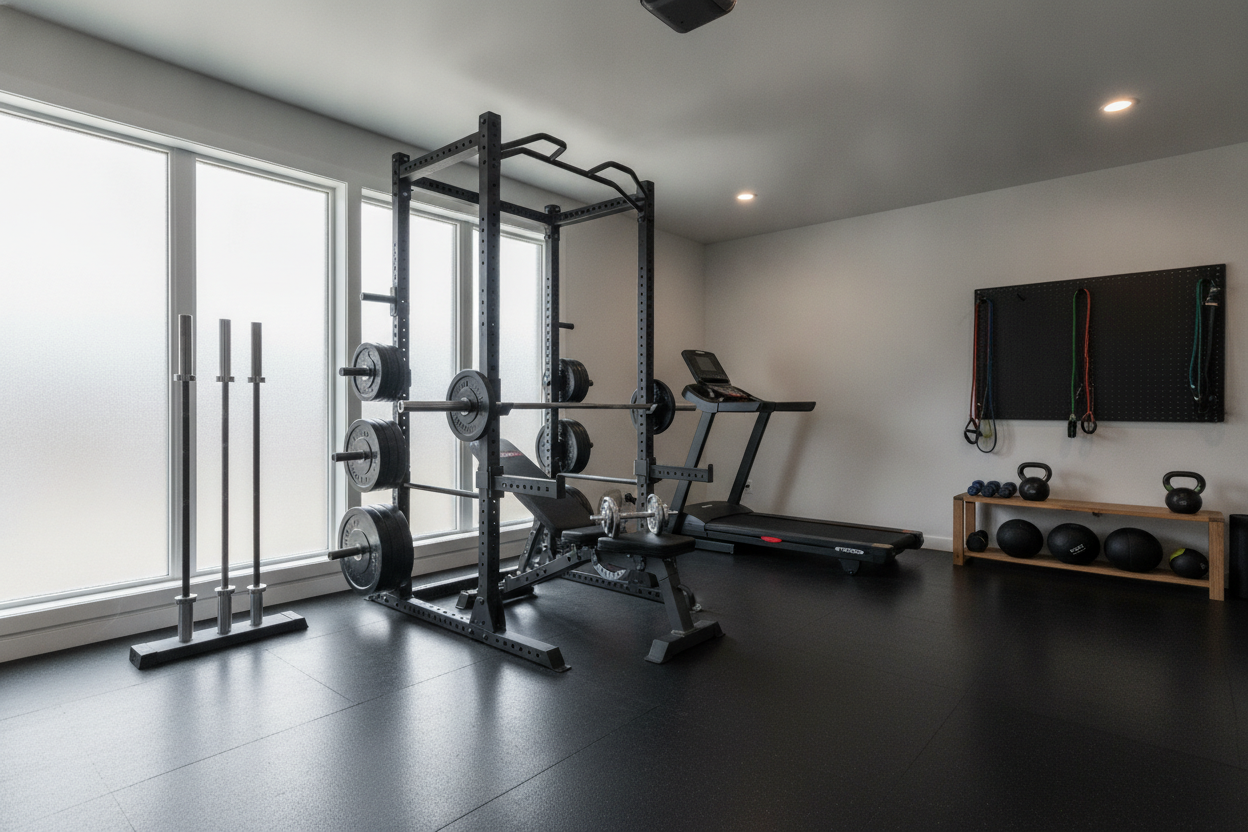
You don't need a $3,000 cable crossover machine. Sarah’s transformation happened with a squat rack, a flat bench, and a decent barbell. I always tell people to invest in high-quality strength equipment because cheap, hollow bars and plastic-coated weights feel unstable and dangerous when you start moving real weight. If the gear feels solid, you feel confident.
We kept the floor plan open and focused on the big lifts. I'm a firm believer that I Only Use 4 Pieces of Strength Training Equipment at the Gym because it forces you to master the basics rather than getting distracted by shiny gadgets. We used a rack, a bar, some iron plates, and a set of adjustable dumbbells. That’s it.
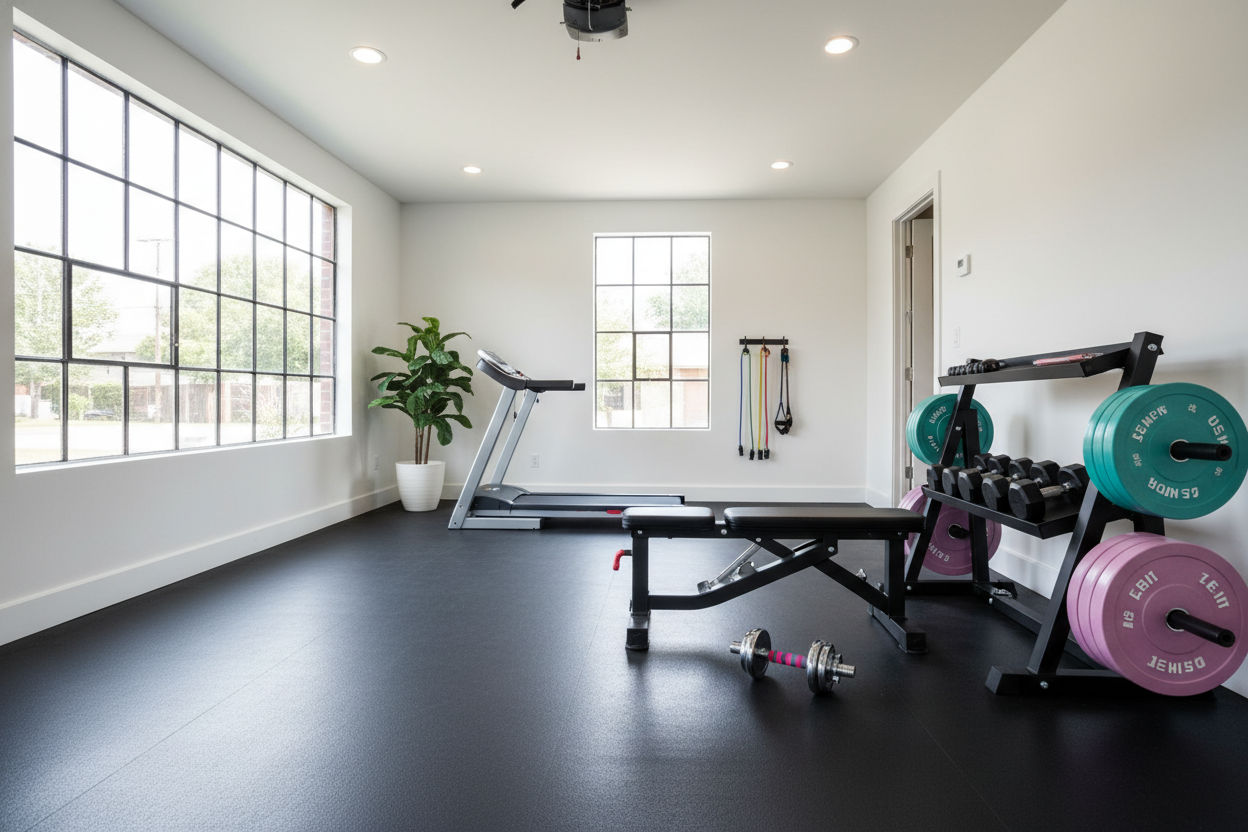
Why We Threw Out the Pink Dumbbells
Those 2-lb neoprene weights are fine for a paperweight, but they won't change your physiology. To stimulate bone density and muscle protein synthesis, you need mechanical tension. If you can do 30 reps without breaking a sweat, you aren't training; you're just moving. We moved Sarah to weights that challenged her in the 5-8 rep range, which is where the magic happens for women's health strength training at 49.
Month 6: When 'Newbie Gains' Hit in Midlife
By the six-month mark, Sarah looked like a different person. Her posture was upright, her shoulders had actual shape, and she was sleeping through the night for the first time in years. This is the 'newbie gains' phase, and it’s just as potent at 49 as it is at 19. Her resting metabolism increased because she finally had enough muscle to demand more energy from her body.
The most surprising change wasn't the scale—it was her energy. She stopped hitting that 3 PM wall. When you train for strength, your nervous system becomes more efficient, and everyday tasks stop feeling like a chore. She was deadlifting 135 lbs for reps, a number she previously thought was reserved for professional athletes.
The Real-World Payoff Nobody Talks About
The best part of Sarah's year wasn't a PR in the gym; it was when she helped her daughter move into a third-floor apartment and realized she wasn't winded. That is functional independence. As she got stronger, we introduced strength training accessories like fractional plates—1/2 lb increments—to keep her progressing without hitting a plateau. Those tiny wins kept her motivated.
I’ve coached a lot of people, but seeing a woman go from 'fragile' to 'formidable' in her late 40s is the most rewarding part of my job. Strength training at 49 women's health isn't about vanity; it's about making sure your body is a place you actually want to live in for the long haul.
Personal Experience: My Biggest Mistake
When I first started coaching older beginners, I pushed the volume too high, too fast. I treated a 50-year-old recovery capacity like a 20-year-old's. I quickly learned that while the intensity needs to be high to see results, the frequency needs to be managed. Sarah only lifted three days a week. Any more than that, and her joints couldn't keep up with the repair process. Recovery is where the muscle is actually built.
Frequently Asked Questions
Is it safe to start lifting at 49 if I have osteoporosis?
It's not just safe; it's often recommended. Weight-bearing exercise is one of the few ways to actually increase bone mineral density. Just make sure you have a coach check your form on the big lifts like squats and deadlifts.
Will lifting heavy make me look 'bulky'?
No. Most women don't have the testosterone levels to build massive, 'bulky' muscles without specific, high-level supplementation. You’ll just look tighter, firmer, and more athletic.
How many days a week should I train?
Three days a week is the sweet spot for most beginners. It allows for a full 48 hours of recovery between sessions, which is crucial for joint health and central nervous system recovery as we age.