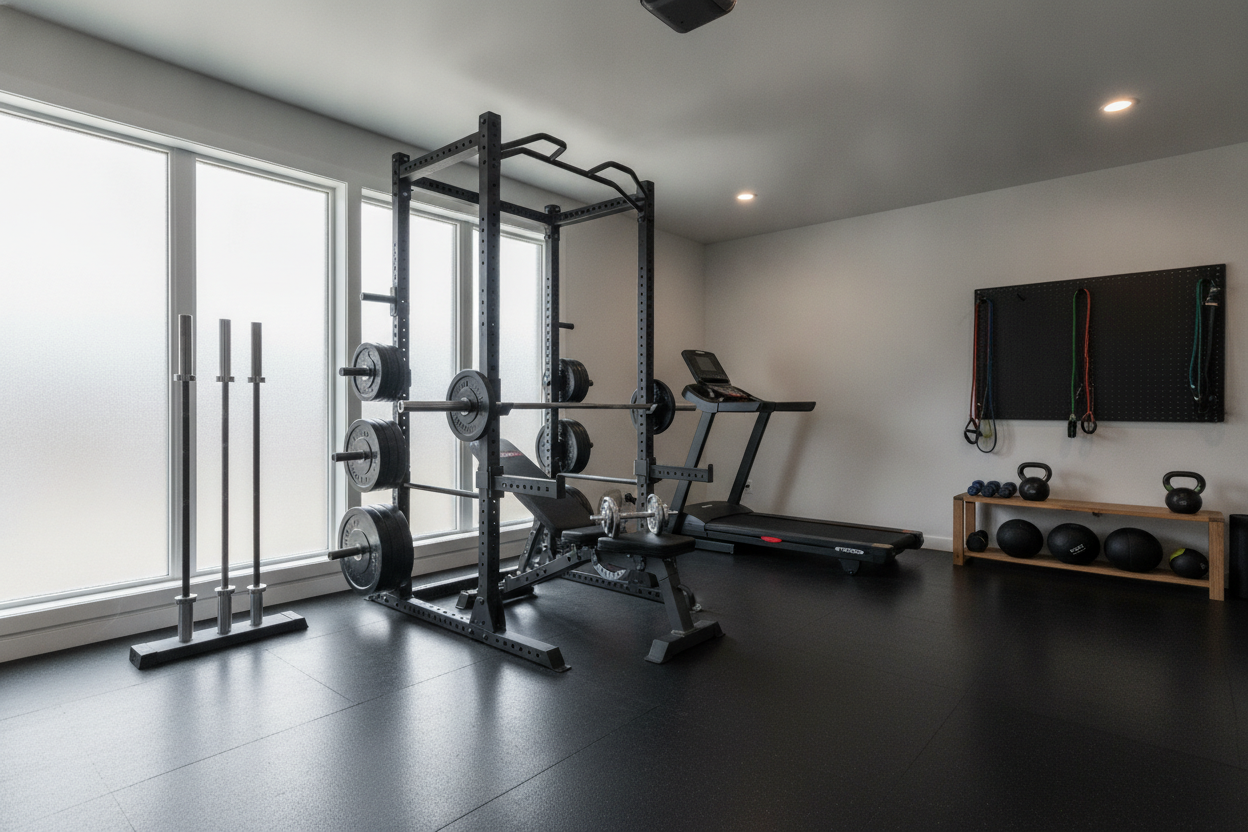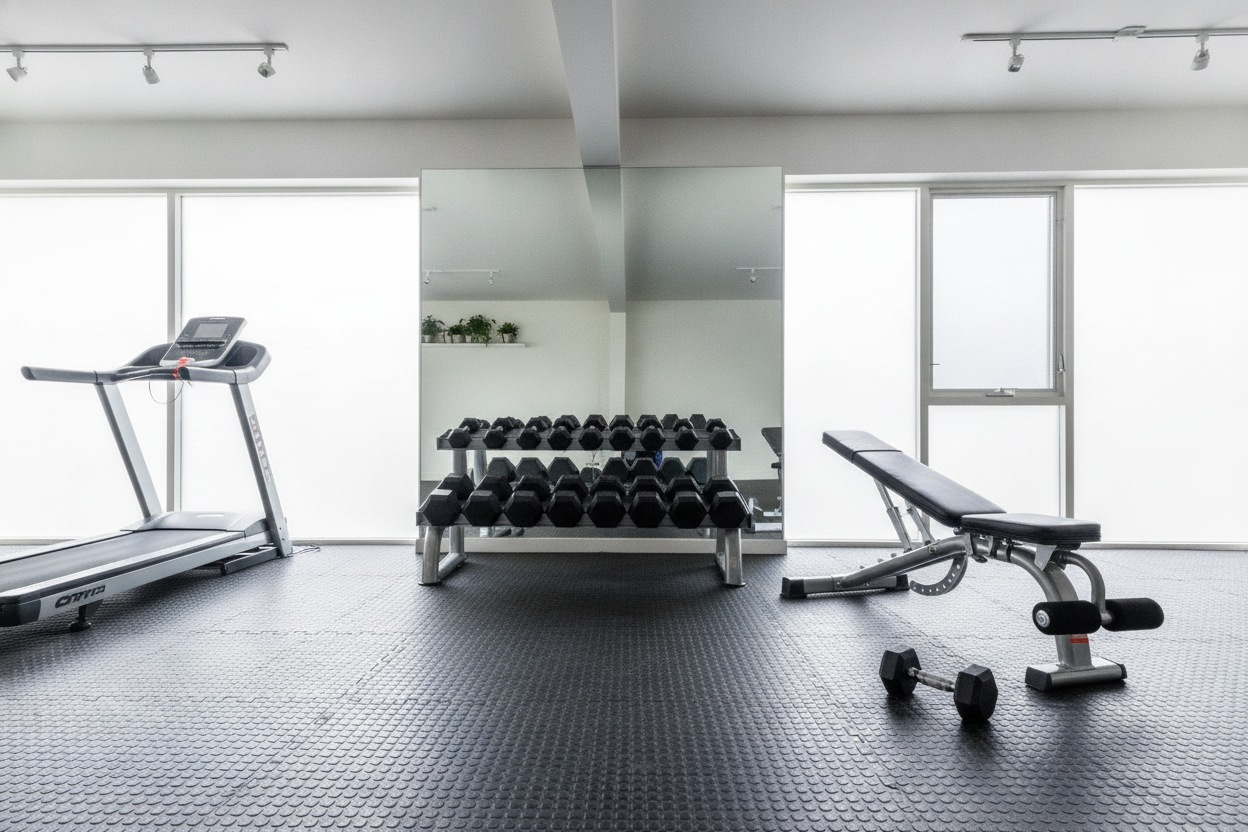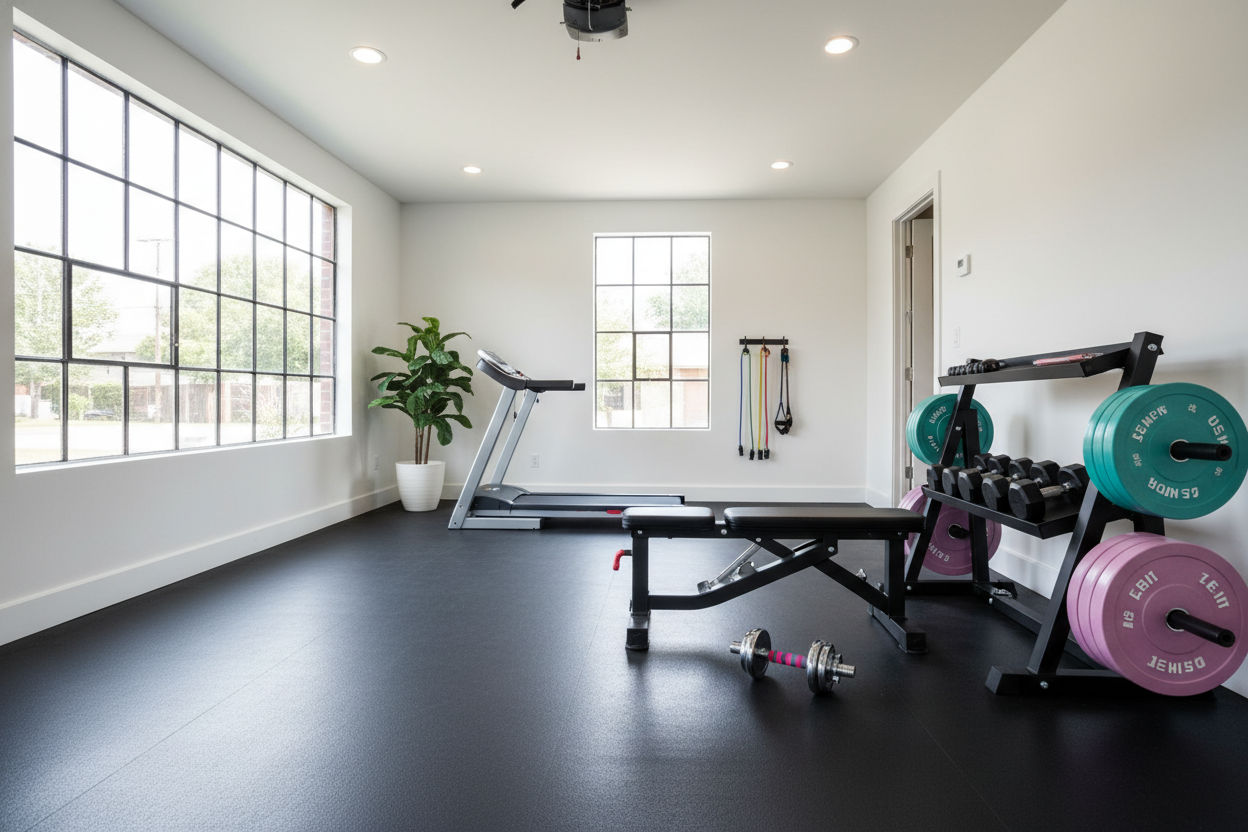
What Strength Training Equipment for Women Actually Matters?
I remember the first time I tried to build a home gym. I fell for the 'fitness' marketing and bought a pair of 3-pound neoprene dumbbells and a set of flimsy rubber bands that looked like giant hair ties. Within three weeks, the bands snapped and the weights were basically paperweights. Most strength training equipment for women is marketed as if we are fragile, but if you want to actually build muscle or get lean, you need gear that can handle a beating.
The truth is, your muscles don't know the color of the iron you're lifting. They only know tension and load. If you're tired of outgrowing your equipment every month, it's time to stop buying toys and start buying tools. Here is what actually belongs in your garage or spare room.
Quick Takeaways
- Prioritize adjustable dumbbells over fixed sets to save space and allow for micro-loading.
- Invest in a high-density floor mat to protect your joints and your foundation.
- A single 16kg or 24kg kettlebell is more versatile than a dozen light accessories.
- Buy gear based on weight capacity and steel gauge, not 'for her' branding.
The 'Ladies Fitness Gear' Trap (And Why It Halts Progress)
Walk into any big-box sporting goods store and you'll see a 'women's' section filled with pastel pink 2-pound weights and 'toning' sticks. This is the biggest barrier to progress I see. These tools are designed for high-repetition, low-intensity work that plateau almost immediately. Once your body adapts to that 5-pound weight—which happens in about two weeks—you stop getting stronger.
The industry markets this lightweight, non-durable junk because it's cheap to manufacture and easy to ship. But real weight lifting equipment for women should be built to the same standards as any other gym gear. When you buy 'toning' gear, you're essentially paying for a product with a built-in expiration date. If it can't support progressive overload—the act of gradually increasing weight to challenge your muscles—it’s not a fitness tool; it’s a decoration.
I’ve seen too many lifters get frustrated because they aren't seeing results, only to realize their equipment literally doesn't allow them to lift heavy enough to trigger a change. Real strength comes from moving iron, not waving around plastic. You want gear that makes you feel capable, not gear that treats you like a beginner forever.
The Foundation: Dumbbells That Can Actually Grow With You
If you buy a full rack of fixed dumbbells, you’re going to lose half your bedroom and a few thousand dollars. For most people, adjustable dumbbells are the smartest entry point. Look for sets that go from 5 lbs up to at least 50 lbs. This range allows you to do everything from lateral raises to heavy goblet squats without needing a commercial-sized rack.
When selecting the top home gym equipment for women, I always look for dumbbells with a standard knurled handle. Avoid the 'soft-grip' foam handles; they get sweaty, gross, and eventually peel off. A steel handle with a medium knurl gives you the grip security you need when your hands get slick during a high-volume set.
The beauty of a solid adjustable set is the ability to micro-load. If you can only jump from a 10-lb dumbbell to a 15-lb dumbbell, that’s a 50% increase in weight—which is huge and often impossible for upper body lifts. Good adjustables often have 2.5-lb increments, which is the secret sauce for consistent, long-term progression. You want a tool that grows with your strength, not one that forces you to shop for more gear every time you get a little stronger.
Protect Your Joints (And Your House) First
I learned the hard way that lifting on a standard living room carpet is a recipe for a rolled ankle. Carpet fibers shift under your feet, especially when you're holding 40 lbs of iron. If you’re serious about moving weight, you need a dense, non-slip surface that provides actual feedback to your feet.
A thick 6x8ft exercise mat yoga mat gym flooring for home workout is the minimum viable protection for your home. It’s not just about saving your floor from a dropped kettlebell; it’s about stability. When you’re doing split squats or deadlifts, you need a surface that doesn't compress or slide. A high-density rubber mat absorbs the shock that would otherwise go straight into your knees and lower back.
Plus, let's be honest: cleaning sweat out of a carpet is impossible. A dedicated gym mat can be wiped down in seconds. If you're working in a small space, look for a mat that is heavy enough to stay flat without curling at the edges, but thin enough that it doesn't feel like you're standing on a mattress. You want to feel connected to the floor, not cushioned away from it.
Kettlebells: The Most Versatile Tool You're Not Using
If I could only pick one piece of women's weight lifting equipment for a tiny apartment, it would be a single 16kg (35lb) cast iron kettlebell. You can swing it, squat it, press it, and carry it. It takes up less than one square foot of floor space but provides a stimulus that machines simply can't match. The offset center of gravity forces your core to work overtime to stabilize the weight.
When you compare a kettlebell to the best at home gym equipment for women, the kettlebell wins on efficiency every time. You don't need a bulky cable machine or a leg press to build powerful legs and a solid back. A heavy kettlebell swing is arguably the most effective movement for the posterior chain, and it's much easier to store than a barbell and plates.
Don't buy the plastic-coated ones filled with cement. They are too bulky and the handles are usually poorly finished, which will tear up your hands. Stick to powder-coated cast iron or competition-style steel kettlebells. They’ll last a lifetime, and the texture holds chalk much better when you start getting into high-rep snatches or swings.
Skip the Gimmicks, Buy a Solid Bench
A lot of people try to use a couch or a coffee table for their bench presses and rows. Don't. It’s dangerous and limits your range of motion. A real adjustable weight bench is a non-negotiable for weight training equipment for women. It allows you to hit different angles—incline, flat, and decline—which is essential for targeting different parts of the chest and shoulders.
Look for a bench with at least a 600-lb weight capacity. That might sound like overkill, but you have to account for your body weight plus the weights you're holding. You want 11-gauge or 12-gauge steel frames. If the bench feels light enough to pick up with one finger, it’s probably going to wobble when you’re trying to press heavy dumbbells over your face. Stability is safety.
A good bench also doubles as a platform for step-ups and seated rows. Make sure the padding is firm; if you sink all the way through to the wood base, it’s going to be uncomfortable and provide zero support for your spine. A gap-less design is a bonus, so you don't feel like you're falling into a hole when the bench is in the flat position.
Where to Look for Real Value on Heavy Gear
You don't need to pay a premium for 'aesthetic' gear. Most of the time, the 'pink tax' adds 20% to the price for a product that is objectively worse than the standard version. When I'm hunting for home fitness equipment for women, I look at the specs first: Is it powder-coated? What is the steel thickness? Is the weight tolerance within 1%?
If you’re building your gym on a budget, keep an eye on home gym equipment deals during the off-season. You can often find high-quality, commercial-grade gear for the same price as the flimsy stuff if you know where to look. Focus on the core pieces first—weights, flooring, and a bench. Everything else is just a distraction. Buy it once, buy it heavy, and it will serve you for years.
My Personal Experience: The 'Cheap Bench' Lesson
I once bought a $60 folding bench from a generic brand because I thought I was being 'smart' with my budget. The first time I tried to do a set of 40-lb dumbbell presses, the backrest creaked and shifted two inches to the left. I spent the whole set worried about the bench collapsing rather than focusing on my form. I ended up giving it away and buying a real, heavy-duty bench that weighed 70 lbs. The difference in my confidence was immediate. If you don't trust your gear, you will never push yourself to lift what you're truly capable of.
FAQ
Do I need a barbell to start strength training?
Not necessarily. You can build an incredible physique and significant strength using just dumbbells and kettlebells. However, if your goal is maximal strength (like powerlifting), you will eventually want a barbell and a squat rack to handle heavier loads safely.
Is 50 lbs too heavy for a woman's home gym?
Absolutely not. Many women can goblet squat 50 lbs within a few months of consistent training. Having weights that go up to 50 lbs or more ensures you won't have to buy a new set by the time you've actually started seeing results.
Can I just use a yoga mat for lifting?
Yoga mats are designed for grip and cushion during floor poses, not for supporting heavy external loads. They are usually too soft and will compress or tear under heavy weights. A dedicated gym mat or horse stall mat is much safer for lifting.