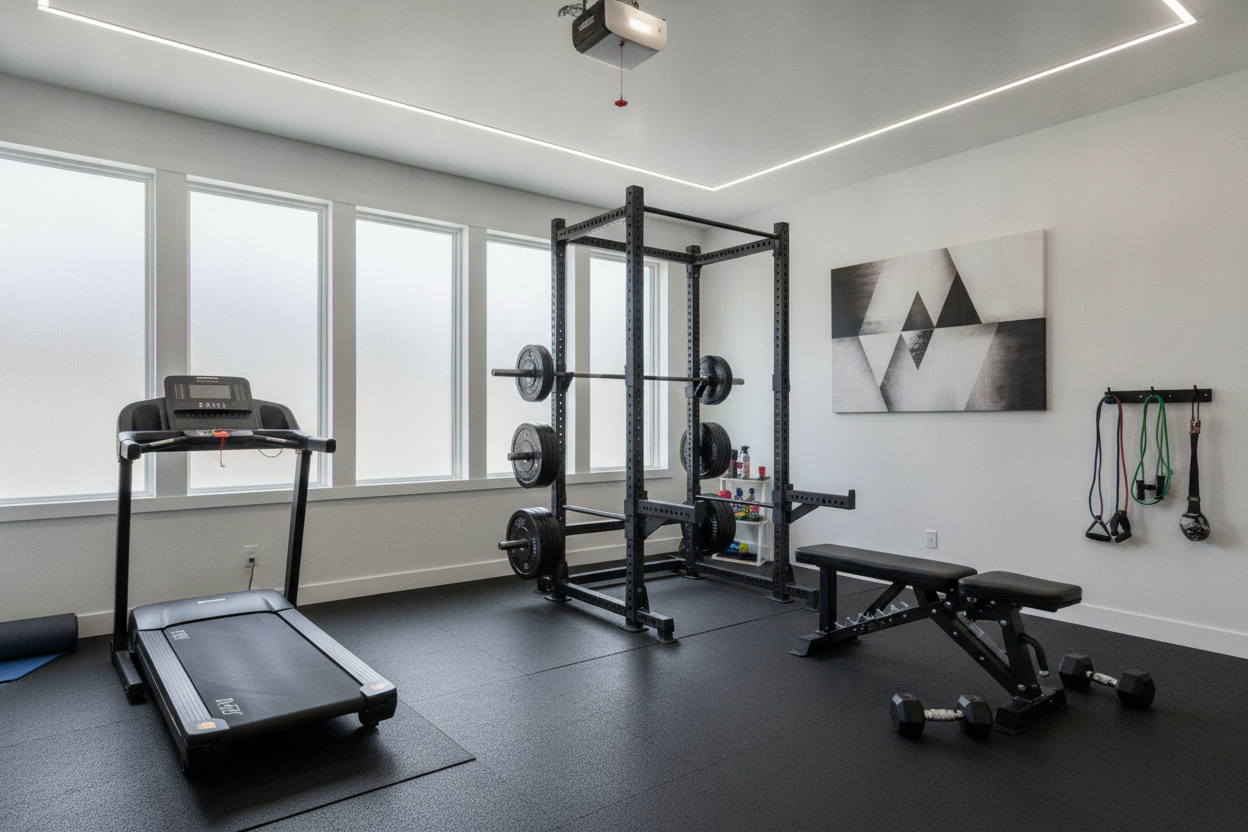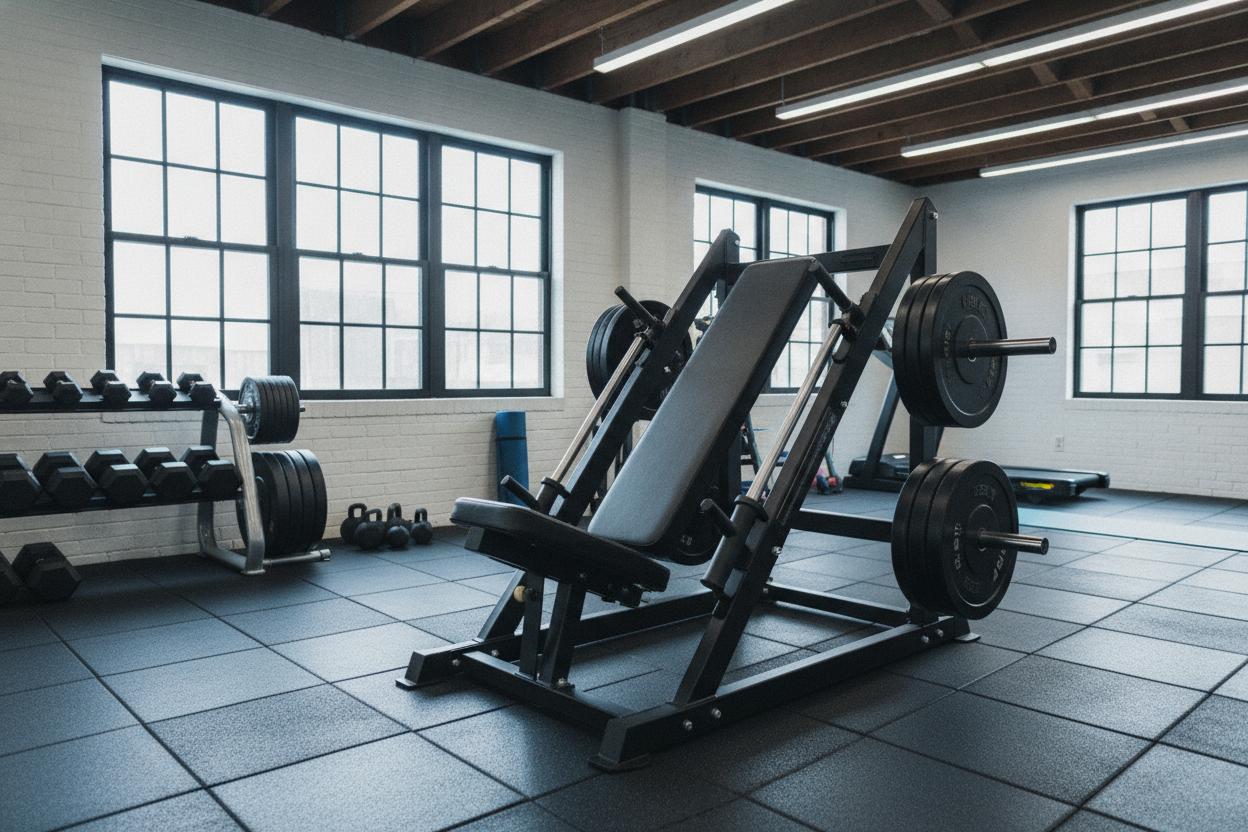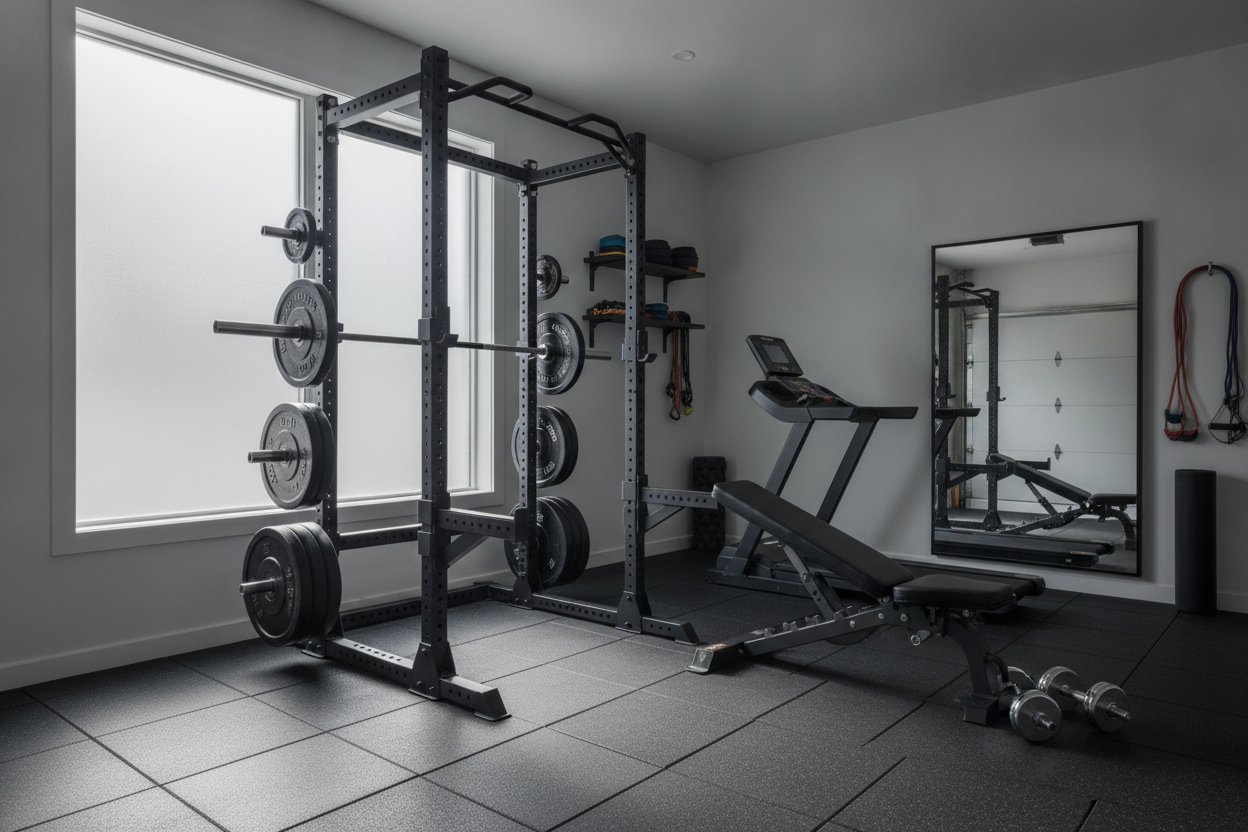
I Tried Outfitting My Garage Gym at a Local Fitness Sport Shop
I remember standing in my empty garage on a Friday night, staring at the concrete and picturing a heavy-duty power rack. My shipping tracker said the gear I wanted was ten days out, and my patience was at zero. I figured I could just hit a local fitness sport shop and grab everything I needed to start training by morning. I thought, 'How different could a retail rack really be from the stuff the pros use?'
It turns out, the difference is exactly what keeps you from getting pinned under a collapsing bar. Before you load up your SUV with shiny boxes, you should stop buying sport fitness equipment until you read this. Retail convenience usually comes at the cost of your safety and your progress.
Quick Takeaways
- Retail racks often use 14-gauge steel which feels unstable with anything over 225 lbs.
- Cast iron plates from big-box stores are notoriously inaccurate, sometimes off by 3-5 lbs.
- Bundled benches are often too narrow (under 10 inches) for proper shoulder support.
- Save the retail trips for 'soft goods' like bands, mats, and jump ropes.
The Temptation of the Saturday Afternoon Gym Haul
We've all been there. You're motivated, you've got the budget, and you want to sweat right now. Driving down to a local sport and fitness shop feels like a win because you skip the $200 freight shipping fee and the week-long wait. You see the boxes with the muscular models on the front and think it's 'good enough' for a home setup.
The problem is that these stores optimize for shelf space and shipping weight, not for your PRs. They want boxes that a teenager can move with a hand truck, not the heavy-duty 3x3 inch steel uprights that require two grown men to lift. I bought a 'pro' rack at a retail spot once; by the time I hit my third set of squats, the whole unit was walking across my garage floor.
Why Retail 14-Gauge Steel Terrifies Me
When you look at legitimate strength equipment, you're usually looking at 11-gauge steel. At a generic sport fitness store, you're almost always getting 14-gauge steel. It sounds like a small difference, but 11-gauge is roughly double the thickness. That 14-gauge tubing is essentially a glorified soda can when you're trying to rack a heavy bar.
I’ve seen these retail racks sway nearly three inches side-to-side just from a person doing pull-ups. If you're planning on ever benching more than 135 lbs, that wobble isn't just annoying—it's a liability. Real structural steel doesn't flinch. Retail steel feels like it's waiting for a reason to buckle.
The Truth About the Iron Aisle
The iron plates at your average sports and fitness store look fine under the fluorescent lights, but get them home and the flaws scream at you. I once took a luggage scale to a stack of '45-lb' plates at a retail shop. One was 42.1 lbs, and the one right behind it was 47.6 lbs. That's a 5.5-lb difference on the same side of the bar.
If you're trying to follow a program like 5/3/1, you can't have your weights fluctuating by 10% every time you grab a different plate. Plus, the casting is usually bottom-tier. The 'iron' is often porous and brittle, meaning the first time you drop a deadlift, you're likely to see a chunk of your plate fly across the room. It’s better to buy once and buy right.
The Wobbly Bundle Trap
Avoid the 'all-in-one' weight sets. These bundles usually pair a cheap bar with a narrow, unstable bench. A proper weight set and bench combo should have a bench pad at least 11-12 inches wide to protect your rotator cuffs. Retail benches are often 9 inches wide and feel like you're balancing on a 2x4.
The bars in these sets are even worse. They usually have a 300-lb capacity and 'bolt-on' sleeves. Once those bolts loosen—and they will—the sleeves start to rattle and spin unevenly. It ruins your lift and makes every rep feel like you're fighting the equipment instead of the weight.
What I Actually Buy at a Sports and Fitness Store
I’m not a total snob; I still walk into a retail shop occasionally. These places are great for accessories that don't involve life-or-death weight capacities. I'll grab a heavy jump rope, some 20-lb resistance bands, or a new yoga mat for stretching. If it's made of rubber or foam, the retail version is usually fine. But if it’s made of steel and meant to hold my body weight, I’m walking right past it.
Where to Safely Spend Your Heavy Iron Budget
If you want gear that lasts long enough to hand down to your kids, you have to look beyond the local strip mall. Visiting a dedicated sport equipment warehouse or ordering from a specialized manufacturer is the only way to ensure you're getting 11-gauge steel and calibrated plates. You can actually find better home gym equipment deals by shopping online because you aren't paying the 'retail markup' that covers the store's expensive rent and electricity.
Wait for the freight truck. It’s better to wait ten days for a rack that stays still than to spend ten years wishing you hadn't bought a wobbly one on a whim.
FAQ
Is a retail rack okay for a beginner?
Only if you never plan to lift more than 150 lbs. Most lifters outgrow the weight capacity and stability of retail gear within the first six months of consistent training. It’s a waste of money to buy twice.
Why are retail plates so much cheaper?
They use 'dirty' iron casting and skip the machining process. This leads to air bubbles in the iron and massive weight variances. You get what you pay for when it comes to accuracy.
Can I upgrade a retail rack later?
Not really. Most retail racks use non-standard hole spacing (like 2-inch or 3-inch centers with odd bolt sizes), which means you can't buy high-quality attachments like dip bars or spotter arms later on.