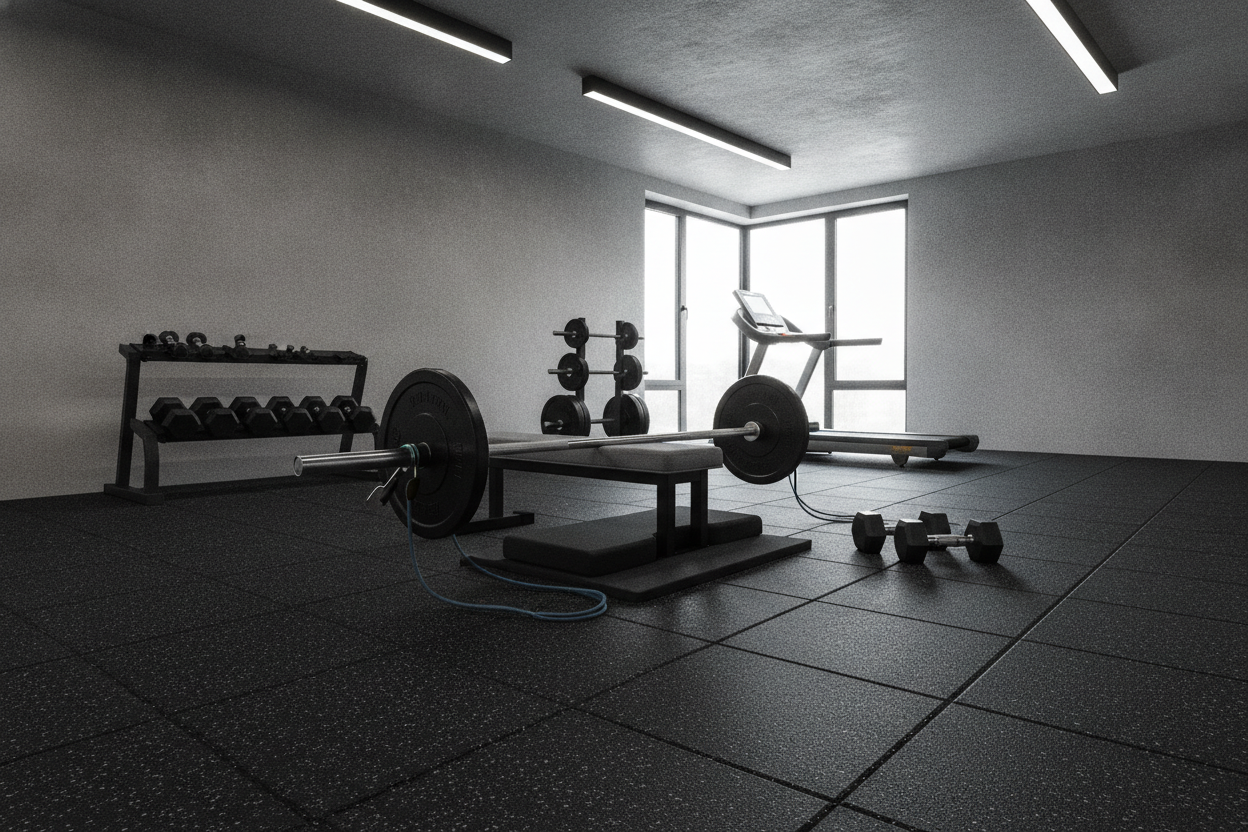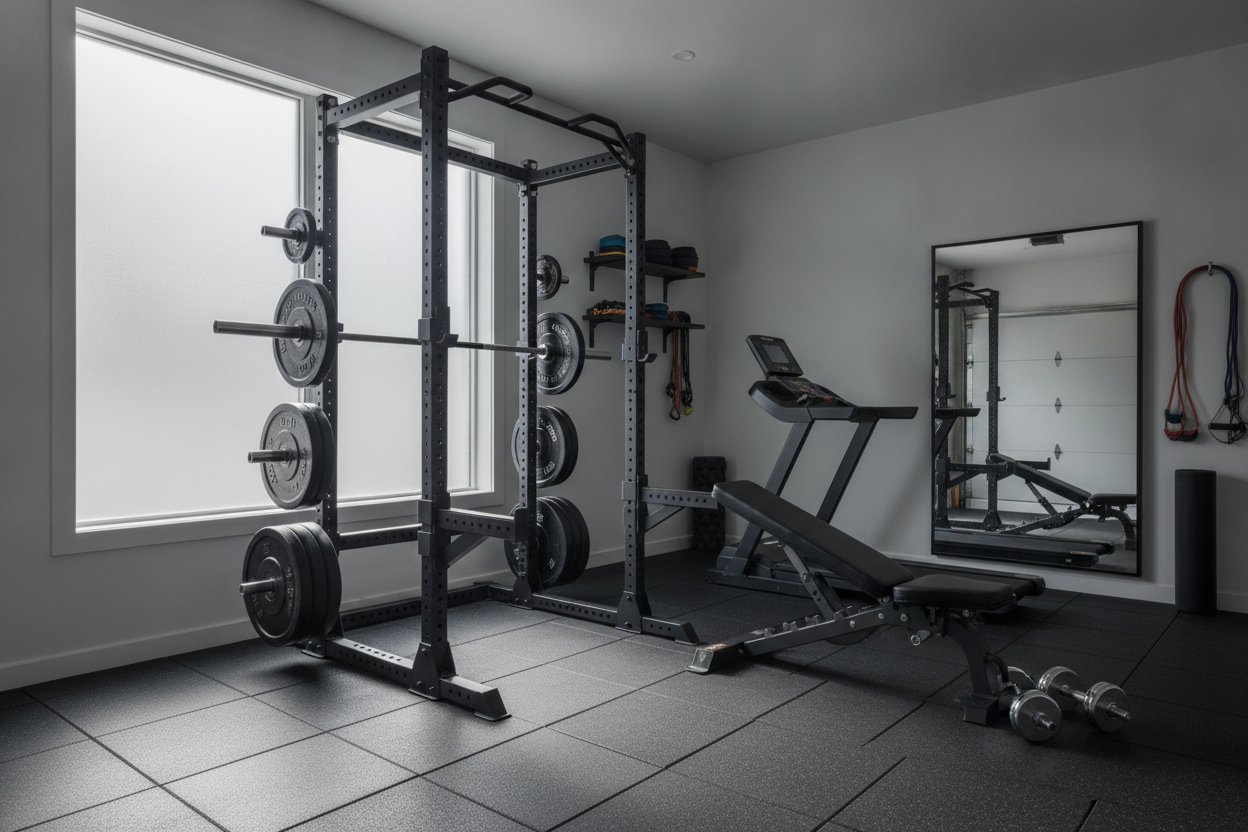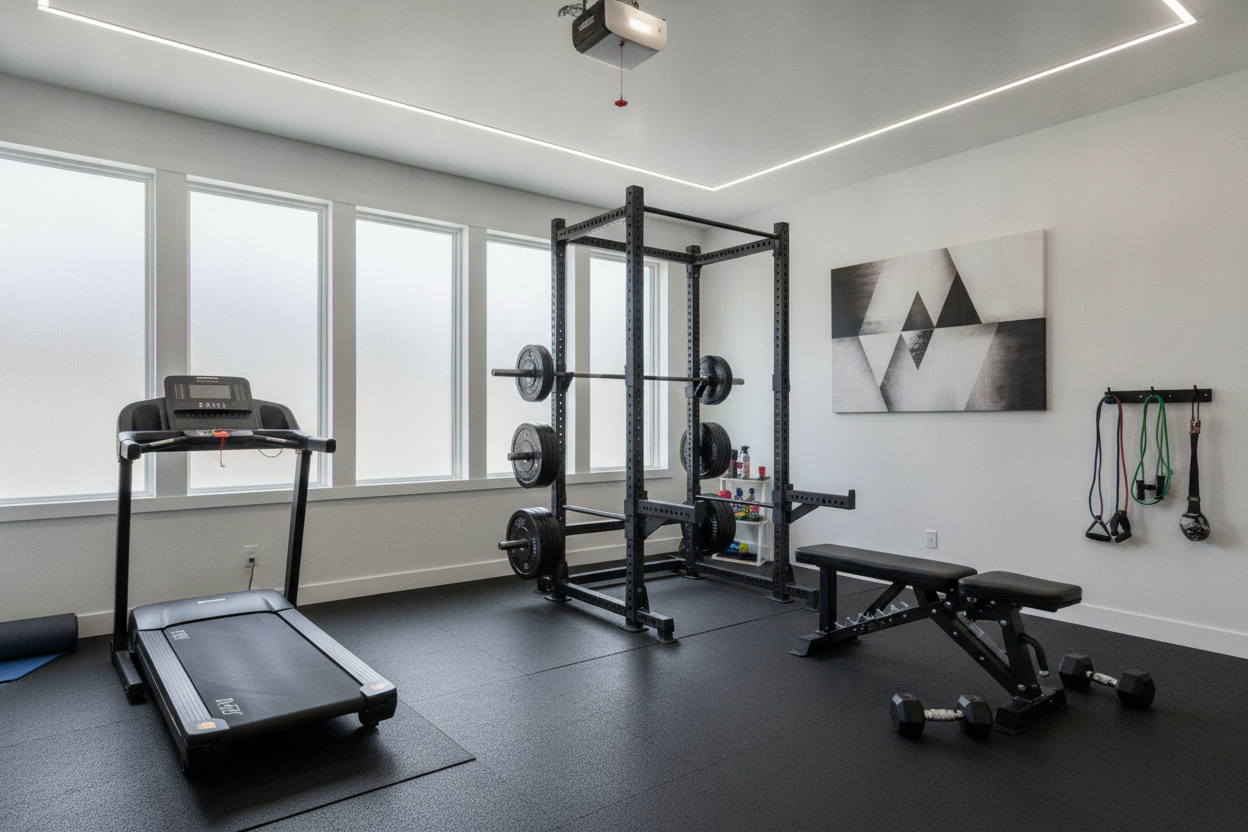
Will Your Exercise Equipment Supplier Actually Honor Their Warranty?
I remember the feeling of tracking a 300-pound freight shipment like it was a winning lottery ticket. I had spent weeks comparing steel gauges, hole spacing, and powder coat finishes before finally settling on a exercise equipment supplier that seemed legit. When the semi-truck finally pulled up to my driveway, that excitement turned into a gut-punch. The pallet was snapped in half, the cardboard was shredded, and I could see the bare, scratched steel of my new power rack peeking through the holes.
Quick Takeaways
- Always photograph the pallet before the driver leaves your driveway.
- Check the 'climate control' clause in your warranty—many brands void coverage for garage use.
- Test a company's support by asking a technical question before you buy.
- A legitimate distributor will stock replacement hardware, not just full units.
The Day My 300-Pound Freight Delivery Arrived Mangled
The driver didn't even want to wait for me to inspect the boxes. He just wanted a signature so he could get to his next stop. But here is the thing: once you sign that bill of lading, you are telling the shipping company—and the equipment company—that everything arrived in perfect condition. I refused. I spent twenty minutes in the rain counting J-hooks and checking for bent uprights while the driver grumbled in his cab. I was lucky; I only had a few deep scratches and one missing bag of hardware, but it could have been worse.
Most people think their relationship with a company ends at checkout. In reality, that is just the beginning. If your gear arrives with a bent frame or a cracked pulley, you are about to find out exactly what kind of company you are dealing with. I have had suppliers tell me to 'just hammer it straight' and others who overnighted a 50-pound replacement part without asking a single question. You want the latter.
Shipping heavy steel is expensive and violent. Boxes get stacked, dropped, and dragged. If your supplier hasn't invested in double-walled cardboard and internal foam bracing, they are basically betting that your luck is better than their packaging. Don't be the one who loses that bet because you were too excited to check the boxes before the truck pulled away.
The Difference Between a Ghost and a Real Gym Equipment Company
There is a massive surge in what I call 'ghost brands.' These are companies that exist only as a slick website and a social media ad. They don't have a warehouse, they don't have a service department, and they certainly don't have spare parts. They are just a middleman for an overseas factory. When you buy from a fly-by-night fitness equipment supplier, you are essentially buying a product with a 'tail-light warranty'—as soon as they can't see your tail-lights, the warranty is over.
A legitimate gym equipment company or a reputable fitness distributor operates differently. They actually hold inventory. If a bolt is missing, they can pull one from a bin and mail it to you. When you are reading a guide to reviewing home gym equipment, you should look for mentions of their 'CS' or Customer Service response times. If a brand doesn't have a phone number or a physical address listed, run the other direction.
I once dealt with a fitness equipment supplier that blamed every single issue on 'third-party logistics.' If the box was crushed, it was the trucker's fault. If the weld was sloppy, it was the factory's fault. They took zero ownership. Compare that to a real fitness distributor that realizes their reputation is worth more than the cost of a replacement upright. You are paying for the peace of mind that the company will still exist in two years when your cable snaps.
Three Warranty Loopholes You Need to Check Right Now
The fine print is where dreams of a lifetime warranty go to die. The most common trap set by home gym equipment suppliers is the 'normal wear and tear' clause. I have seen companies claim that a cracked weld on a weight bench was 'normal wear' after just six months of use. If the warranty doesn't specifically define what 'wear and tear' means, they can use it as a catch-all to deny any claim you submit.
Then there is the 'climate control' trap. This one is a killer for the garage gym community. Some warranties state that the equipment must be kept in a climate-controlled environment. If you live in a humid area and your rack starts to show surface rust, they will pull up your social media, see that you train in a garage, and void your entire warranty. Always ask if their gear is rated for non-climate-controlled spaces before you pull the trigger on those home gym equipment deals you found online.
Finally, watch out for the 'customer pays return shipping' clause. If you buy a $500 rack and it shows up defective, but the company demands you pay the $300 freight cost to ship it back for an 'inspection,' you don't really have a warranty. You have a hostage situation. Chasing the absolute cheapest home gym equipment deals often leads you straight into this trap. A quality company will provide a return label or a credit if they sent you a lemon.
How to Test Fitness Equipment Distributors Before You Buy
I have a simple rule: never spend more than $500 with a fitness supplier until I have talked to a human being. Before you hit buy, send an email or call their support line. Ask a technical question that isn't on the spec sheet. Ask about the specific grade of the hardware or the diameter of the pulleys. If they give you a canned response or don't answer for three days, imagine how slow they will be when you actually have a problem.
You should also check independent forums like Reddit's r/homegym. Don't just look at the 'new gear' posts; search for 'warranty' or 'customer service' followed by the brand name. You will quickly see which fitness equipment distributors are heroes and which ones are zeroes. A company might have 5,000 five-star reviews on their own website, but the truth comes out in the forums where people are trying to get their bent barbells replaced.
Regardless of whether you are buying a full commercial rig or just the essential equipment for every fitness level, the level of support should be the same. If a company treats a guy buying a pair of dumbbells like a nuisance, they will treat the guy buying a $3,000 functional trainer the same way once the check clears. Test them early and test them often.
Protecting Yourself (and Your Floor) During Assembly
Once the gear is in your driveway, the work isn't over. I always recommend unboxing heavy items outside or in the garage before you move them into your actual workout space. This allows you to inspect every single piece of steel for bends or finish issues. If you find a problem, it is much easier to photograph it and deal with the company before you have spent four hours half-assembling a crooked rack.
I always lay my parts out on a 6x8ft exercise mat during the inspection phase. This does two things: it protects the finish of your new gear from the abrasive concrete, and it protects your floor from the heavy steel. If you try to assemble a rack on bare concrete and you scratch the powder coat, the company can claim you caused the damage yourself during assembly. Using a mat provides a 'safe zone' for your parts and keeps everything organized.
Take photos of the hardware bags before you open them. If you are missing a M12 bolt, it is much easier to prove it was missing from the factory if the bag is still sealed. Once you start tearing things open and tossing them in a pile, the burden of proof shifts to you. Be meticulous, be patient, and don't be afraid to demand that the company makes it right. You worked hard for your money; make sure your equipment works hard for you.
FAQ
What should I do if the shipping box is visibly damaged?
Do not sign for the delivery until you have noted the damage on the driver's paperwork. Take clear photos of the box from multiple angles. If the damage looks severe—like a fork-lift blade went through the box—you have the right to refuse the shipment entirely.
How can I tell if a company is a dropshipper?
Look at their shipping times and 'About Us' page. If they don't list a physical headquarters or if their lead times are 8-12 weeks for every single item, they are likely just ordering from a factory when you order from them. Real distributors usually have 'In Stock' items that ship within 48 hours.
Is surface rust covered under warranty?
Usually, no. Most companies consider surface rust 'maintenance' or 'wear and tear.' This is why I emphasize checking the 'indoor use' clauses. To prevent rust, keep your gear wiped down and consider a coat of 3-in-1 oil on non-powder-coated parts like barbell sleeves.