Stop Buying Sport Fitness Equipment Until You Read This
You have seen the ads. The sleek machines promising six-pack abs in four minutes, or the complicated pulley systems that claim to replace an entire weight room. The market for sport fitness equipment is flooded with gimmicks designed to separate you from your wallet, not necessarily to get you fit.
If you are building a home gym or upgrading your facility, the challenge isn't finding gear; it is filtering out the noise. Buying the wrong tools results in expensive clothes racks, not muscle growth. Let's strip away the marketing fluff and look at what actually matters when investing in your physical health.
Quick Summary: Choosing the Right Gear
If you are in a rush, here is the criteria you must use before swiping your card. These are the non-negotiables for effective equipment selection:
- Biomechanics over Brand: Does the movement pattern match natural human physiology, or does it force your joints into awkward angles?
- Versatility Ratio: Can the piece of equipment be used for multiple muscle groups (e.g., a barbell), or is it a "uni-tasker" (e.g., an ab coaster)?
- Material Integrity: Look for 11-gauge steel or lower (thicker) for racks, and high-density foam that doesn't bottom out under load.
- Footprint Efficiency: Ensure the equipment allows for a full range of motion within your specific space constraints.
The "Uni-Tasker" Trap
One of the biggest mistakes enthusiasts make when sourcing sports and fitness equipment is buying machines that do only one thing. Unless you are running a 10,000-square-foot commercial facility, space is your most valuable currency.
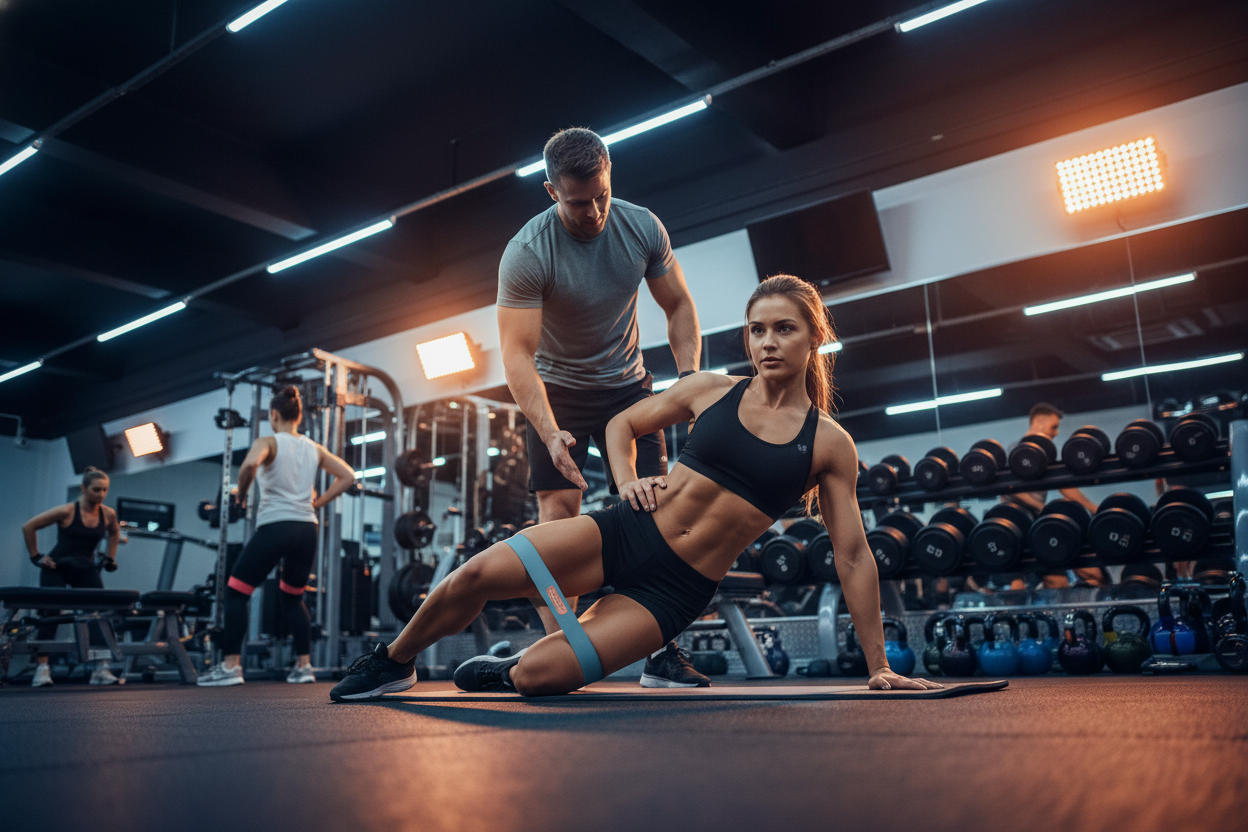
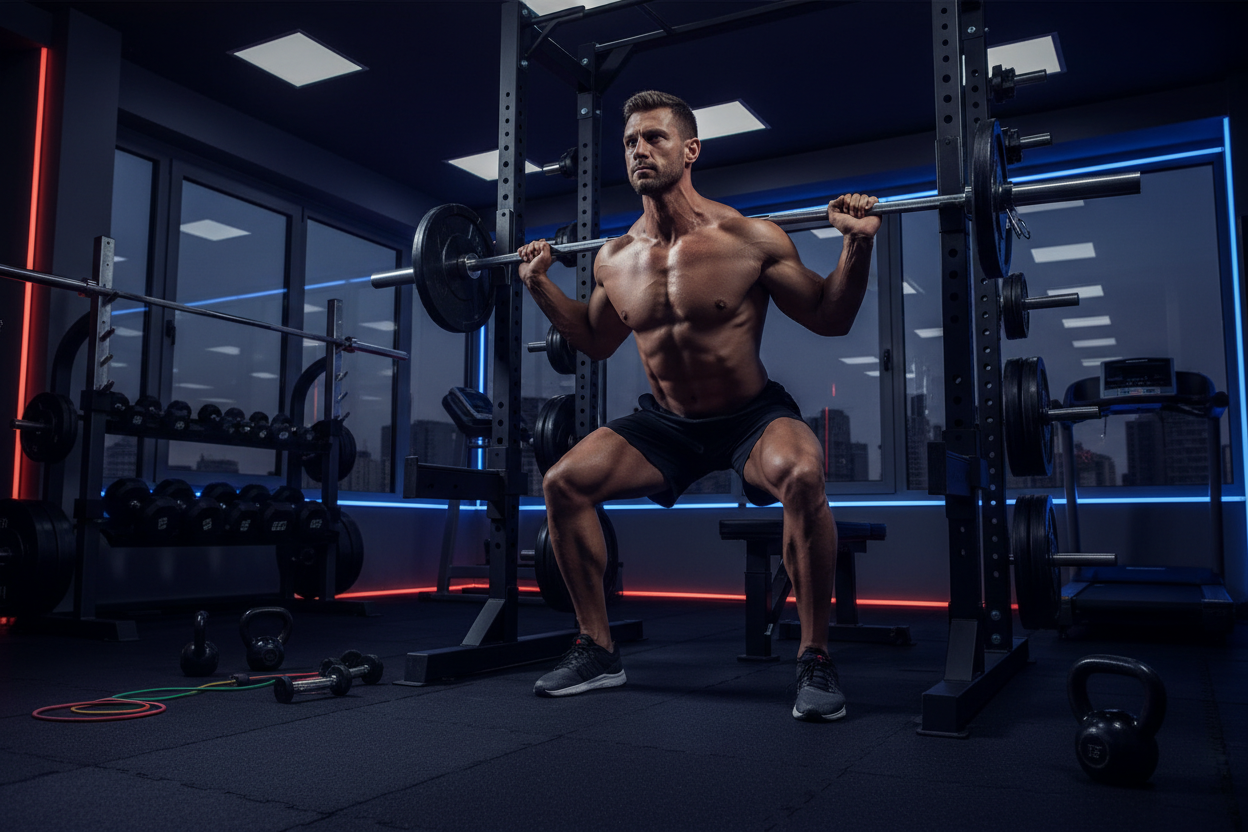
A dedicated "inner thigh machine" might look professional, but it occupies 15 square feet for a movement you can replicate with a simple resistance band or a cable attachment. Prioritize equipment that offers a high "Versatility Ratio." A power rack, an adjustable bench, and a barbell set allow for hundreds of exercises—squats, presses, pulls, and hinges. This is the foundation of functional strength.
Analyzing Construction Quality
When you browse online catalogs for sports and gym equipment, photos can be deceiving. A bench looks sturdy in a JPEG, but physics applies differently in real life. You need to look at the specs.
Pay attention to weight capacity. If a bench is rated for 300 lbs, that includes your body weight plus the weight you are lifting. If you weigh 200 lbs and plan to bench press 135 lbs, you have already exceeded the safety limit of cheap gear. Always look for a weight capacity of at least 600-1,000 lbs to ensure stability and safety during dynamic movements.
Biomechanics: Does It Fit You?
Not all equipment is built for all bodies. This is particularly true for fixed-path machines. If the pivot point of a leg extension machine doesn't align with your knee joint, you aren't training your quads; you are grinding your cartilage.
This is why free weights often reign supreme. They allow your body to move through its natural path of motion rather than a predetermined track set by a manufacturer. If you must buy machines, look for adjustable pivot points and seat heights that accommodate your specific limb lengths.
My Training Log: Real Talk
I need to share a specific experience regarding the "wobble factor." A few years ago, I tried to save money by purchasing a budget-friendly adjustable bench for my garage setup. It looked fine online—black vinyl, red stitching, looked "pro."
The first time I laid back with a pair of 80lb dumbbells for a chest press, I felt it. There was this subtle, terrifying lateral shift in the seat pad. The bolt connecting the back pad to the frame had too much tolerance. Instead of focusing on my pectoral contraction, my entire nervous system was firing just to stabilize the bench so I wouldn't tip over.
It wasn't just annoying; it killed my strength gains because I couldn't push with intent. I sold it on a marketplace app a week later and bought a welded-frame bench. The difference was immediate. The solidity of the gear dictates the confidence of the lift. Don't cheap out on the things that keep you off the floor.
Conclusion
Building a physique or improving athletic performance requires consistency, and consistency requires equipment you actually enjoy using. Don't get distracted by neon lights or digital counters. Invest in sport fitness equipment that is heavy, stable, and versatile. Your joints—and your wallet—will thank you in the long run.
Frequently Asked Questions
What is the most essential piece of sport fitness equipment for beginners?
For most people, a high-quality adjustable dumbbell set or a kettlebell is the best starting point. These allow for compound movements (squats, presses, rows) that build functional strength without requiring a massive amount of floor space.
Is commercial sports and gym equipment worth the extra cost for home use?
Generally, yes, but you don't need "full commercial." Look for "light commercial" grade. This usually means heavier steel gauge (11 or 12 gauge) and better upholstery. It ensures the equipment won't wobble or degrade after a year of heavy use.
How often should I maintain my fitness equipment?
Wipe down upholstery after every use to prevent sweat from cracking the vinyl. For mechanical parts like pulleys or barbell sleeves, apply a silicone lubricant or 3-in-1 oil once a month to keep movements smooth and prevent rust.