Why Your Leg Abductor Workout Is Missing The Mark (And How To Fix It)
Walk into any commercial gym, and you will see the same scene: someone sitting on the hip abduction machine, scrolling through their phone, mindlessly opening and closing their legs. If that sounds like your current routine, we need to talk. You are leaving massive gains on the table.
A proper leg abductor workout isn't just about shaping the side of your glutes. It is the secret weapon for knee stability, squat depth, and preventing lower back pain. When you treat this muscle group with the same intensity as your quads or hamstrings, the aesthetic and functional payoff is huge.
Key Takeaways: Mastering Hip Abduction
- Focus on the Glute Medius: The goal isn't just moving weight; it's targeting the upper/side glute, not just the TFL (tensor fasciae latae).
- Control the Eccentric: Don't let the weight slam the pads together. The muscle growth happens when you resist the closing movement.
- Get Off the Chair: Seated machines are fine, but standing cable abductions and banded walks offer superior functional strength.
- Volume Over Load: These smaller stabilizer muscles often respond better to higher reps (15-20 range) than heavy, low-rep sets.
The Anatomy of the Movement
Before we load the weight, you need to understand what you are actually training. The primary target in an effective abductor leg workout is the Gluteus Medius. This muscle sits under the larger Gluteus Maximus and on the side of the hip.
Its main job is to pull your leg away from your body and stabilize your pelvis when you stand on one leg. If your knees cave in (valgus collapse) when you squat or lunge, weak abductors are usually the culprit.
Why the Seated Machine Isn't Enough
The seated abduction machine is popular for a reason: it's easy to use. However, it locks your hips in a fixed position. This isolation is great for hypertrophy (muscle growth) to a degree, but it removes the stability component.
To build a truly bulletproof lower body, you must incorporate standing variations. When you perform a standing cable abduction, your planting leg has to work overtime to keep you upright. This mimics real-world movement patterns much better than sitting in a chair.
Top Exercises for Your Routine
1. The Seated Machine (Done Correctly)
If you are going to use the machine, stop using momentum. Sit forward slightly—don't lean back against the pad. Leaning forward helps disengage the hip flexors and places more tension on the glutes. Pause for a full second at the widest point of the movement.
2. Standing Cable Abductions
Attach a cuff to your ankle. Stand sideways to the cable stack. Keep your torso upright; do not lean away from the machine to cheat the weight up. Move your leg out to the side strictly using your hip muscles. This is the gold standard for isolation.
3. Banded Monster Walks
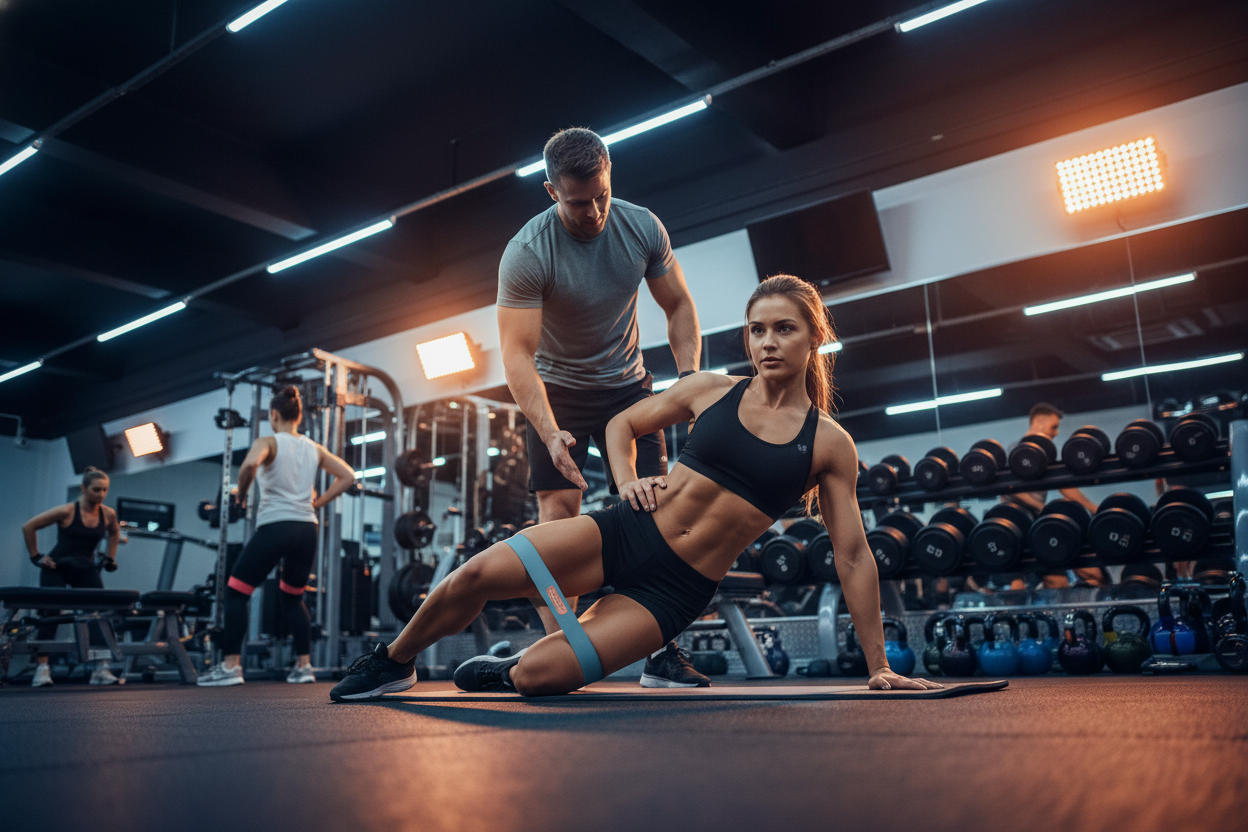
Place a heavy resistance band just above your knees. Drop into a quarter squat. Walk laterally (sideways), ensuring your knees always push out against the band. Never let your knees cave inward. This provides constant tension throughout the set.
Common Mistakes to Avoid
The biggest error I see is going too heavy. When the weight is too heavy on an leg abductor workout, your body recruits the TFL (a small muscle on the front/side of the hip) to take over. If you feel a cramping sensation in the front of your hip rather than a burn in your side glute, drop the weight immediately.
My Training Log: Real Talk
I have a love-hate relationship with hip abduction. Years ago, I treated the abductor machine as my "rest break" between heavy squats. I’d load the whole stack, lean back, and swing my legs. I thought I was strong because I could move the pin.
The reality check came when I started getting a sharp, clicking sensation in my right hip socket every time I walked heavy. My TFL was ridiculously tight, and my glute medius was asleep. I had to strip the weight down to almost nothing.
The most humbling moment? Switching to standing cable abductions. I struggled to balance on my left leg while moving 10 pounds with my right. The trembling in my standing ankle was embarrassing, but that wobble was exactly what I needed to fix. Now, I never lean back on the seated machine—I sit on the edge of the seat, gripping the handles like my life depends on it, focusing purely on that upper glute shelf burn.
Conclusion
Stop treating your hip abductors as an afterthought. Whether you want a more aesthetic shape or a stronger squat, prioritizing these small muscles yields massive results. Drop the ego, lighten the weight, slow down the tempo, and feel the right muscles working.