I Tried a 2005 Glutes Workout DVD for a Week (Here's What Happened)
I was digging through a box of old cables and half-broken controllers when I found it: a neon-colored glutes workout dvd from 2005. It promised 'rock-hard buns' in twenty minutes a day, led by an instructor wearing enough spandex to cover a small trampoline. My local gym just hiked their prices again, and I had a moment of pure, cynical curiosity. Could I actually get a better pump in my living room than I do at the squat rack?
- Hypertrophy: Virtually non-existent without adding external load or bands.
- The Burn: High-rep pulses create metabolic stress but don't build much density.
- Warm-up potential: These routines are actually decent for waking up 'sleepy' glutes.
- Durability: Your hip flexors will probably give out before your glutes do.
Pressing Play on a 20-Year-Old Living Room Routine
Setting this thing up was a project. I had to blow dust out of a DVD player that hasn't seen power since the Obama administration. The video quality was a grainy 4:3 aspect ratio, and the soundtrack was generic house music that sounded like a fever dream. I committed to five days of this 'Brazilian Booty' madness just to see if modern biomechanics had missed a secret sauce from the early aughts.
The instructor didn't care about my 1RM or my bracing technique. She cared about 'pulsing' and 'squeezing' until my legs felt like they were vibrating. It is a completely different world than the heavy triples I am used to. By day three, my lower back was feeling the strain of arched-back donkey kicks, and I started wondering if my hip joints were going to file for divorce. The sheer volume of reps was staggering, but the actual tension on the muscle felt superficial at best.
I found myself staring at the clock more than I do during a 5x5 session. There is something uniquely soul-crushing about doing your 100th unweighted leg lift while a smiling person on screen tells you it’s 'supposed to sting.' It stung, alright, but mostly because I was bored and my hip flexors were doing 80% of the work.
What the 2000s Got Completely Wrong About Muscle Growth
The biggest issue with these old-school routines is the total lack of mechanical tension. Muscle growth happens when you challenge a tissue through a full range of motion with enough load to cause micro-tears. Doing 400 unweighted leg lifts might make you sweat, but it is not giving your gluteus maximus a structural reason to grow. It is mostly just endurance work disguised as body sculpting.
While the video talked a lot about the 'mind-muscle connection,' it lacked the substance to back it up. You can develop a great mind-muscle connection when squeezing your glutes, but if there is no weight on the bar, that squeeze only goes so far. These DVDs treated the glutes like a delicate ornament rather than the most powerful muscle group in the human body. If you want a shelf, you need to move heavy iron, not just wave your legs around on a rug.
Furthermore, the 'spot reduction' myth was alive and well in 2005. The DVD implied that by targeting the glutes specifically, you’d melt fat off your hips. We know now that fat loss is systemic, and muscle growth is local. By neglecting compound movements like lunges or deadlifts in favor of 'pulsing' in a quadruped position, the routine misses the forest for the trees. You end up with a high heart rate but no actual stimulus for the gluteal fibers to thicken and round out.
The One Thing These Retro Floor Routines Actually Nailed
I will give credit where it is due: I haven't felt my glute medius fire like that in years. All the side-lying leg raises and fire hydrants are actually incredible for lateral hip stability. Usually, I just walk into the gym, do two minutes of leg swings, and hop under a 315-lb bar. That is a mistake that usually leads to my knees caving in on the ascent.
I realized that the first ten minutes of this DVD make for a pre-workout routine that actually works. Instead of treating it as the main event, I started using the floor circuit to wake up my posterior chain before hitting heavy squats. My hips felt more mobile, and my mind-muscle connection was actually sharper when I finally grabbed the barbell. The 2000s didn't build big butts, but they accidentally stumbled onto some decent physical therapy movements.
If you have 'gluteal amnesia' from sitting at a desk all day, these high-rep floor moves act like a wake-up call. They force blood into the area and prime the nervous system. Just don't expect them to turn a flat pancake into a stack of flapjacks on their own. They are the appetizer, not the steak. Using them as a 10-minute primer before a real lifting session is the only way I’d ever recommend keeping this disc in your player.
How to Upgrade the Follow-Along Format for Today
If you actually like the follow-along format, you have to stop doing it on your bare floor or a thin yoga mat. I tried doing the 'rainbow' leg lifts on my hardwood floor and my knees were bruised by Tuesday. Upgrading to a large home exercise mat provides the cushioning you need to actually focus on the movement instead of your joints clicking against the floor. It also gives you enough space to move without kicking your coffee table.
To make these routines matter, you have to add resistance. Throw on some 10-lb ankle weights or a heavy cloth booty band. The moment I added a band to the DVD's 'clamshell' sequence, the intensity went from a 3/10 to an 8/10. You can keep the convenience of the living room, but you have to bring the intensity of the weight room. If you aren't struggling to finish the last few reps, you are just doing rhythmic gymnastics.
I also suggest ignoring the instructor's 'speed' cues. They often move too fast, using momentum rather than muscle. Slow down the eccentric phase—the part where you lower your leg—and feel the muscle work. If you add a 20-lb dumbbell to your hip for the bridge sections, you’ve suddenly turned a useless 2005 trend into a legitimate hypertrophy session. The format isn't the problem; the lack of resistance is.
Ditch the Disc: A Better Way to Train at Home
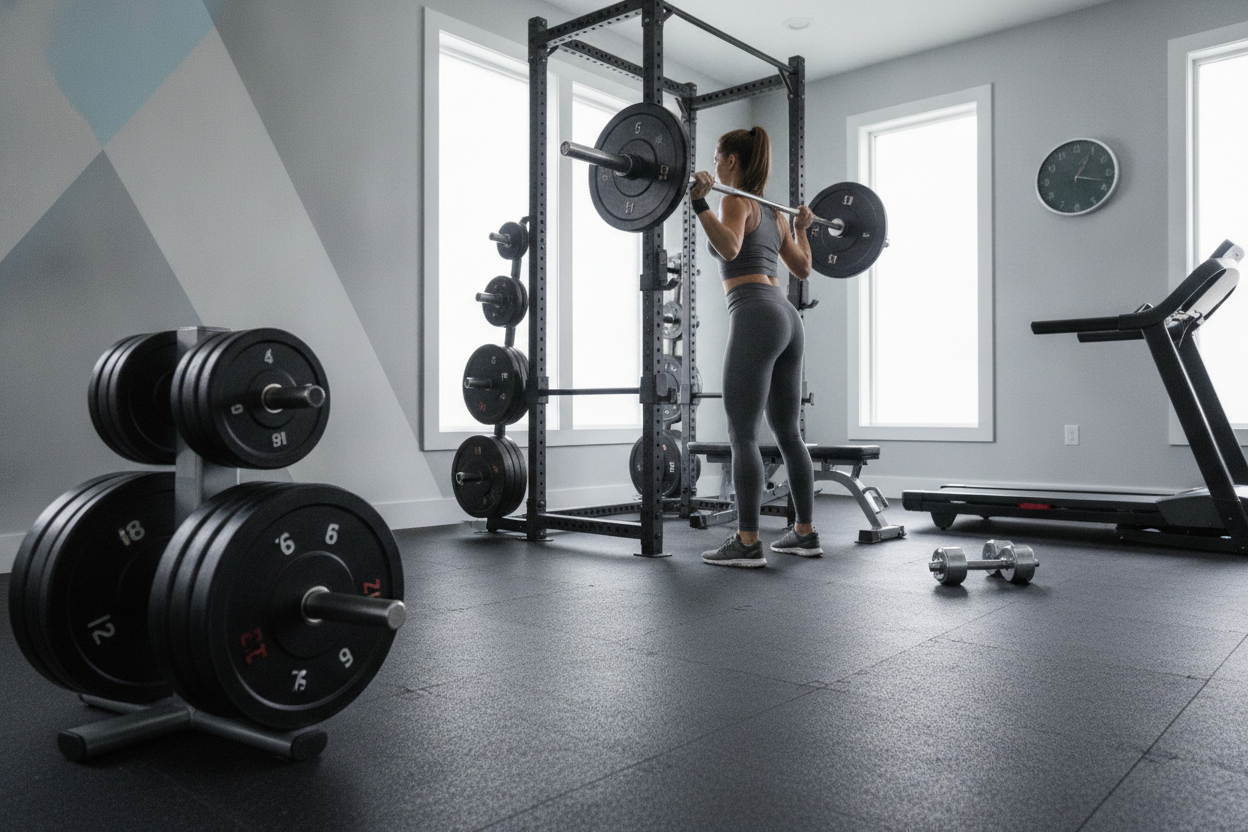
At the end of the week, I didn't have a 'Brazilian Lift.' I had sore hip flexors and a profound appreciation for my power rack. These DVDs are a relic of an era that feared 'bulk' and prioritized 'toning'—a word that doesn't actually mean anything in human biology. If you are serious about your physique, you need to move beyond the pulsing and start loading the movement with real weight.
You are better off looking for modern home workout routines that incorporate progressive overload and compound lifts. Use the old floor moves for your warm-up, then get to work with some real weight. Nostalgia is fun for a day, but it is a terrible way to program your training if you actually want to see results in the mirror.
Do glute workout DVDs actually work?
They work for burning a few extra calories and improving hip mobility, but they are generally ineffective for building significant muscle mass. Without external load like weights or heavy bands, you won't see much growth.
Can I use ankle weights with these old videos?
Yes, and you should. Adding even 5-10 lbs to your ankles turns a mindless cardio movement into something that might actually challenge your muscle fibers. It is the only way to make them somewhat effective.
Why do my hip flexors hurt more than my glutes?
Most floor-based glute moves involve hip flexion. If your glutes are weak or 'off,' your hip flexors and lower back will take over the movement. Focus on keeping a neutral spine and not over-arching your back during donkey kicks.