Why the Best Gym Leg Workouts Look Boring (But Actually Work)
I watched a guy yesterday spend twenty minutes setting up a landmine attachment, three resistance bands, and a plyo box just to do a weirdly angled lunge. Meanwhile, the biggest guy in the room was on his fifth set of basic back squats. If you want the best gym leg workouts, you have to stop chasing novelty and start chasing weight. High-level leg training isn't about finding a new angle; it's about finding a way to add five pounds to a movement you've been doing for three years.
Social media has ruined our collective attention span. We think if we aren't 'shocking' the muscle with a different machine every Tuesday, we're stagnating. The truth is much less exciting: your quads don't know if you're on a fancy Italian-made plate-loaded machine or a rusty hack squat from 1992. They only know tension and load. When you jump from machine to machine, you never get good enough at the movement to actually push your limits.
- Stick to 3-4 primary movements per session.
- Prioritize stability over 'functional' balancing acts.
- Log every single rep and beat it next week.
- Accept that heavy squats will always feel hard.
The 'Muscle Confusion' Trap on Leg Day
The term 'muscle confusion' is one of the most effective marketing lies ever told to lifters. People spend their entire leg day hopping between six different machines, thinking that variety equals growth. In reality, this is just a way to avoid the hard work of progressive overload. If you change your best leg exercises at gym every week, you can't track progress. You aren't getting stronger; you're just getting 'newly sore' because your body hasn't adapted to the movement pattern yet.
True growth happens when your body adapts to a specific stressor. When you squat 225 for ten reps this week and 230 for ten next week, that is a measurable increase in demand. If you swap that squat for a Bulgarian split squat on a Bosu ball next week, you've lost your baseline. You're no longer training for hypertrophy; you're training for novelty. I've seen guys waste years in commercial gyms doing 'best legs exercises gym' routines they found on TikTok, only to have the same stick-thin legs twelve months later.
Stop trying to 'surprise' your quads. They aren't sentient. They respond to mechanical tension. Pick a movement, stay with it for at least 8 to 12 weeks, and drive the numbers up. If you aren't bored with your routine, you probably aren't training it hard enough to see real results.
What the Best Gym Leg Workouts Actually Have in Common
The most effective leg days on the planet usually follow a very predictable skeleton. They start with one heavy, stable compound movement where you can move the most weight possible. Then, they move into two isolation or machine-based movements to finish off the muscle without taxing the lower back. Finally, they might include a dedicated hamstring or calf movement. That's it. No circus acts required.
When people ask me for the best leg workout at gym, they are often disappointed by the answer. They want a secret 12-step circuit. But the best exercises for legs at gym are the ones that allow you to reach true muscular failure safely. This means using machines for what they were built for: stability. Stability allows you to exert more force. If you're wobbling on one leg, your brain will shut down your muscle output before you ever reach the point of growth.
The best gym exercise for legs is almost always a squat variation that fits your mechanics. For some, that's a high-bar barbell squat. For others with long femurs and short torsos, it's a hack squat or a pendulum squat. The goal is to find the best gym leg exercises that allow for a deep range of motion without your lower back taking over the movement. Once you find those two or three 'money' movements, you protect them in your schedule like they're gold.
Starting Heavy: The Non-Negotiable Compounds
You should always put your most taxing movement at the beginning of your best gym workout for legs. Your central nervous system (CNS) is a finite resource. If you spend forty minutes doing leg extensions and calf raises before you hit the squat rack, you've already drained the tank. You won't have the neural drive required to move heavy loads safely and effectively.
Whether it's a barbell back squat, a front squat, or a heavy leg press, this first movement is where the 'meat' of the session happens. I personally prefer a hack squat for pure hypertrophy because it removes the balance component, allowing me to take my quads to absolute failure without worrying about falling over. Whatever you choose, make sure the setup is consistent every single time. Even a slight change in foot placement can turn the best workout for legs at gym into a mediocre one.
Machine Isolation: Where the Real Burn Happens
Once the heavy compounds are out of the way, your quads and hamstrings should be partially fatigued. This is the perfect time to move to isolation machines like leg extensions and seated leg curls. The goal here isn't to move the whole stack with momentum; it's to create as much metabolic stress as possible. This is where you can safely push past the point of 'it hurts' into the 'I can't move this' territory.
I like to use a slow eccentric (the lowering phase) on extensions to really punish the tissue. Leg extensions get a bad rap for being 'bad for the knees,' but if you control the weight and don't use a 400-pound ego-load, they are actually fantastic for tendon health. For hamstrings, the seated leg curl is superior to the lying version because it puts the muscle in a more lengthened position, leading to better growth over time. It's not flashy, but it's the best leg workout gym veterans swear by.
Can You Get the Same Results Without a Commercial Gym?
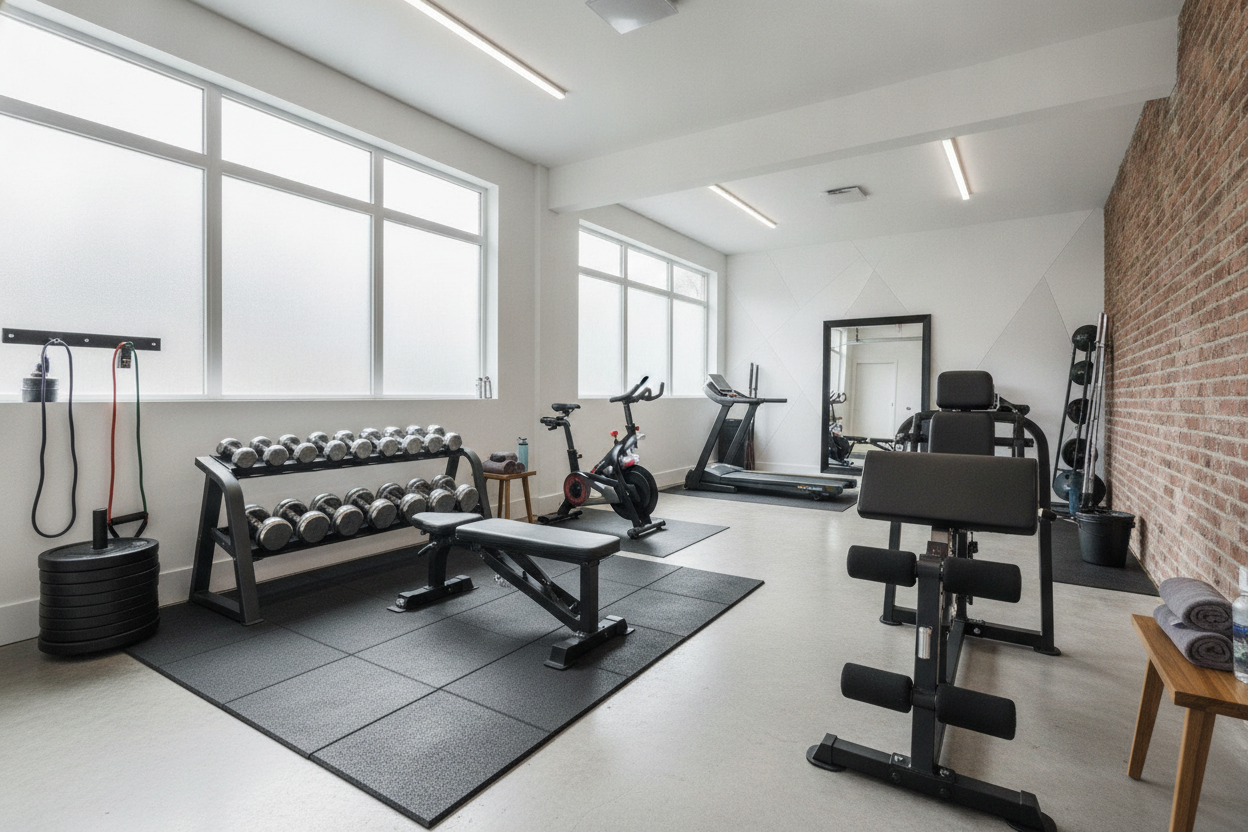
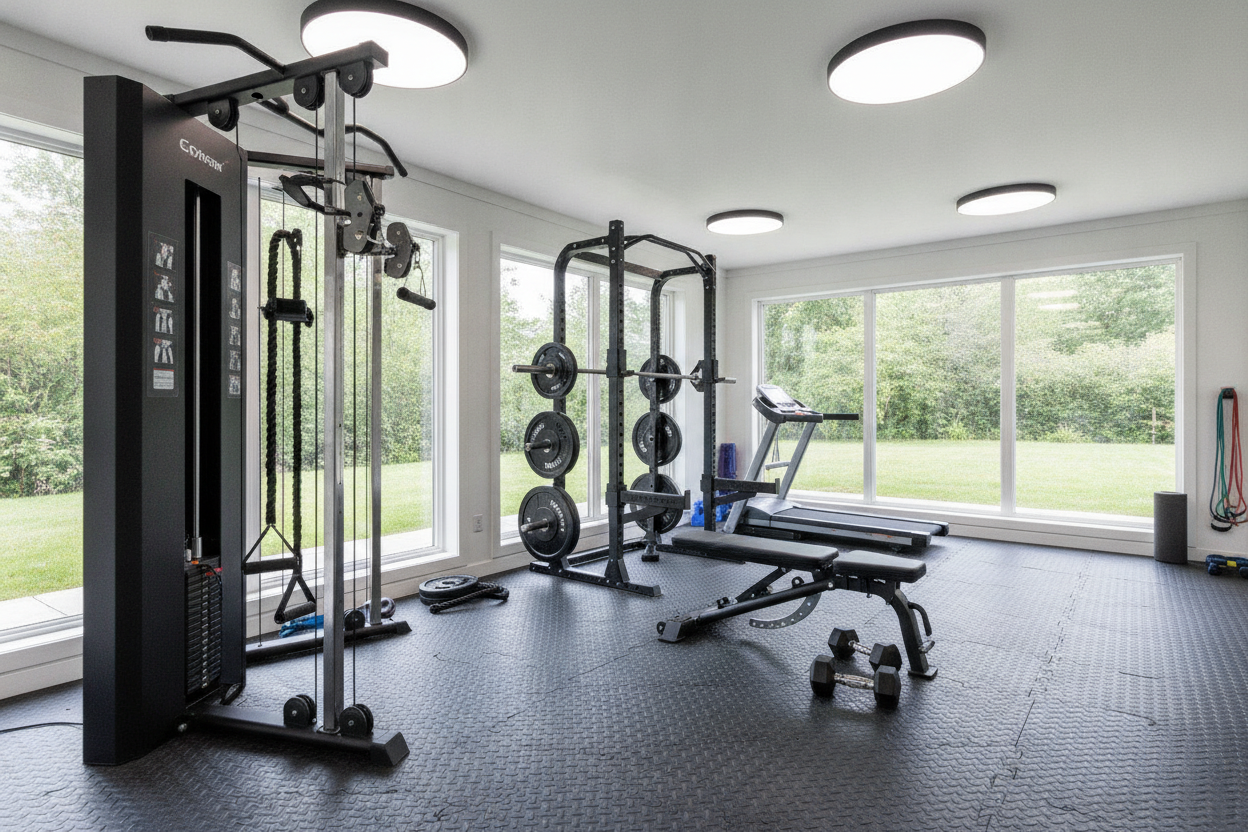
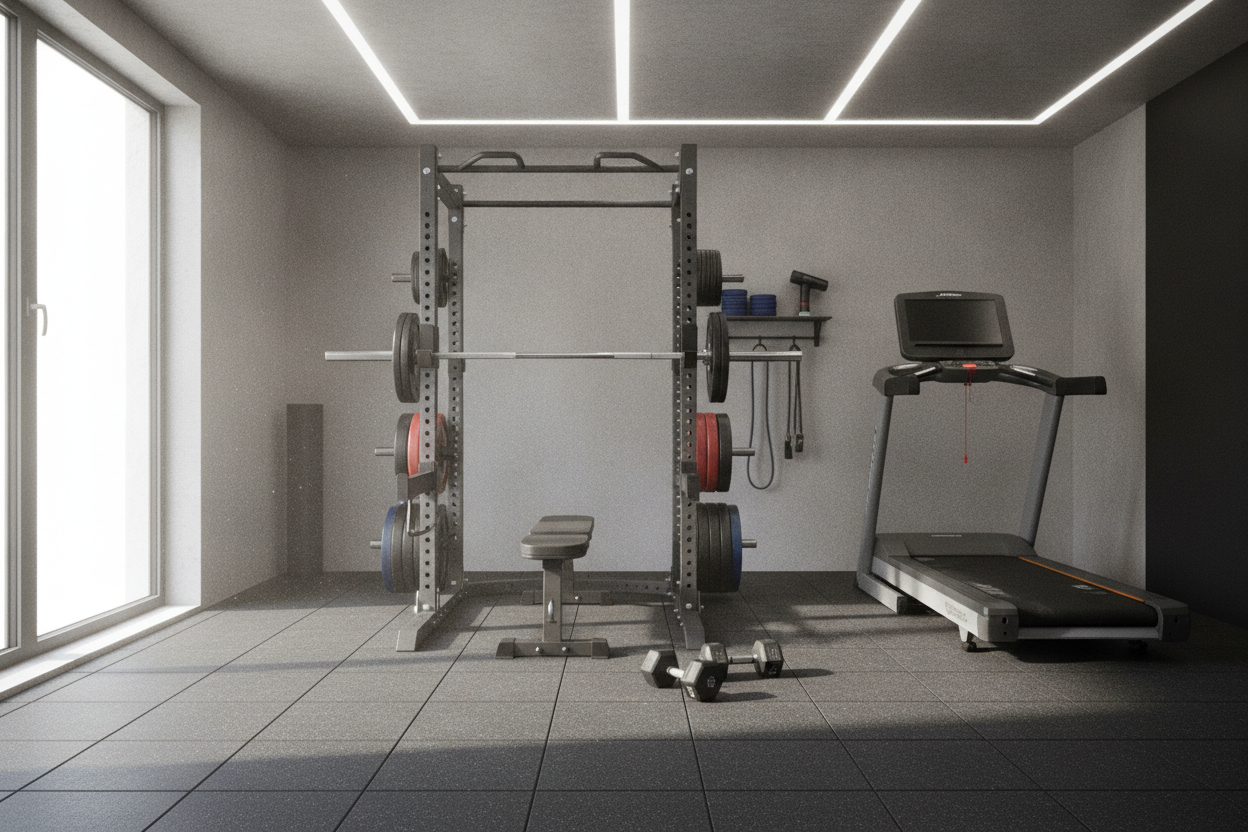
Many people think they can only get a 'real' leg day at a big box gym with forty different machines. I used to think that too until I built my first garage gym. You can absolutely replicate the intensity and results of a commercial facility, but you have to be smarter about your equipment choices. You don't need a 10,000-square-foot floor; you just need the right tools to create load and stability.
If you're building a space, looking for the best at home workout machines usually leads you to a solid power rack or a high-quality leg press/hack squat combo. A good rack allows you to do the heavy compounds safely with spotter arms. For the isolation work, you can get creative with bands or a simple cable attachment. The principles remain the same: one heavy movement, two isolations, and relentless effort. You can build world-class legs in a 10x10 space if you stop making excuses about not having a specialized donkey calf raise machine.
Protecting Your Joints (and Your Floor) at Home
One thing home lifters consistently mess up is the environment. Doing heavy dumbbell lunges or barbell squats on bare concrete is a recipe for disaster—both for your knees and your foundation. Concrete has zero 'give,' and the vibration from dropping a heavy set of plates can actually cause micro-cracks in the slab over time. Plus, if you're doing high-rep lunges, your patella will not appreciate the impact against a hard floor.
I always tell people that before they buy their next pair of fancy lifting shoes, they should invest in a large exercise mat or some high-density stall mats. Having a dedicated 6x8 ft space with enough cushion to absorb impact but enough density to remain stable is a non-negotiable. You want a surface that stays put when you're driving through your heels. I've seen people try to squat on those cheap foam puzzle pieces, and it’s like trying to lift on a giant marshmallow—dangerous and stupid.
Personal Experience: My 'Fancy' Failure
About five years ago, I fell into the trap of 'functional' leg training. I stopped doing heavy squats and started doing single-leg deadlifts on a foam pad, lateral lunges with a kettlebell, and a bunch of high-rep cable work. I thought I was 'fixing my imbalances.' After six months, my legs had shrunk an inch, and my knee pain was actually worse because I wasn't doing any heavy, stable loading. I went back to a 'boring' routine of hack squats, RDLs, and leg curls. Within three months, the size was back and the pain was gone. Strength is the best corrective exercise.
Leg Day FAQ
How many times a week should I train legs?
For most people, twice a week is the sweet spot. It allows you to hit the muscles with enough volume to grow while still giving your central nervous system time to recover before the next heavy session.
Do I really need to squat with a barbell?
No. If your back hates barbell squats, use a hack squat or a heavy leg press. The goal is quad growth, not a powerlifting trophy. Pick the tool that allows you to train hardest with the least amount of 'bad' pain.
Should I do cardio before or after leg day?
After, or on a different day entirely. If you do 30 minutes of HIIT before you squat, your performance will suffer. Save your energy for the heavy iron.