I Traded Hour-Long Sessions for Short Strength Workouts
I remember sitting on a cold weight bench at 9 PM, staring at my phone and wondering why my 'back day' was taking two hours. I wasn't getting stronger; I was just getting bored. I finally realized that my short strength workouts were actually more productive than the marathon sessions I had been forcing myself through for years.
The shift happened when I stopped treating the gym like a social club and started treating it like a surgical strike. If you can't get the job done in under 30 minutes, you're likely just resting too much or doing exercises that don't matter.
- Focus: Intensity over duration every single time.
- Efficiency: Minimize transitions between equipment.
- Recovery: Short sessions allow for more frequent training.
- Consistency: It is easier to find 20 minutes than 60.
The Myth of the Hour-Long Lifting Session
Most people spend their 60-minute gym sessions doing about 15 minutes of actual work. The rest is spent scrolling through Instagram, changing the song, or waiting for the guy in the squat rack to finish his curls. This 'junk volume' feels like a workout, but it does nothing for your PRs.
Real muscular adaptation happens when you create enough tension to force a change. You do not need a massive time commitment to achieve that. If your intent is sharp and your rest periods are tight, you can stimulate more growth in a focused window than most people do in a sprawling afternoon session.
Why Intensity Beats Volume When You're Strapped for Time
When you commit to short weight lifting routines, you lose the luxury of taking it easy. You have to push close to failure on every working set. This isn't about rushing your form; it's about eliminating the fluff. I found that by cutting out the four different types of lateral raises and focusing on heavy presses, my shoulders actually grew more.
Short routines force you to stop overthinking the 'perfect' program. You pick three heavy movements, you load the bar, and you move. That mental clarity is a massive benefit for anyone managing a career and a family. You get in, you suffer a bit, and you get out.
The One-Station Rule for Maximum Speed
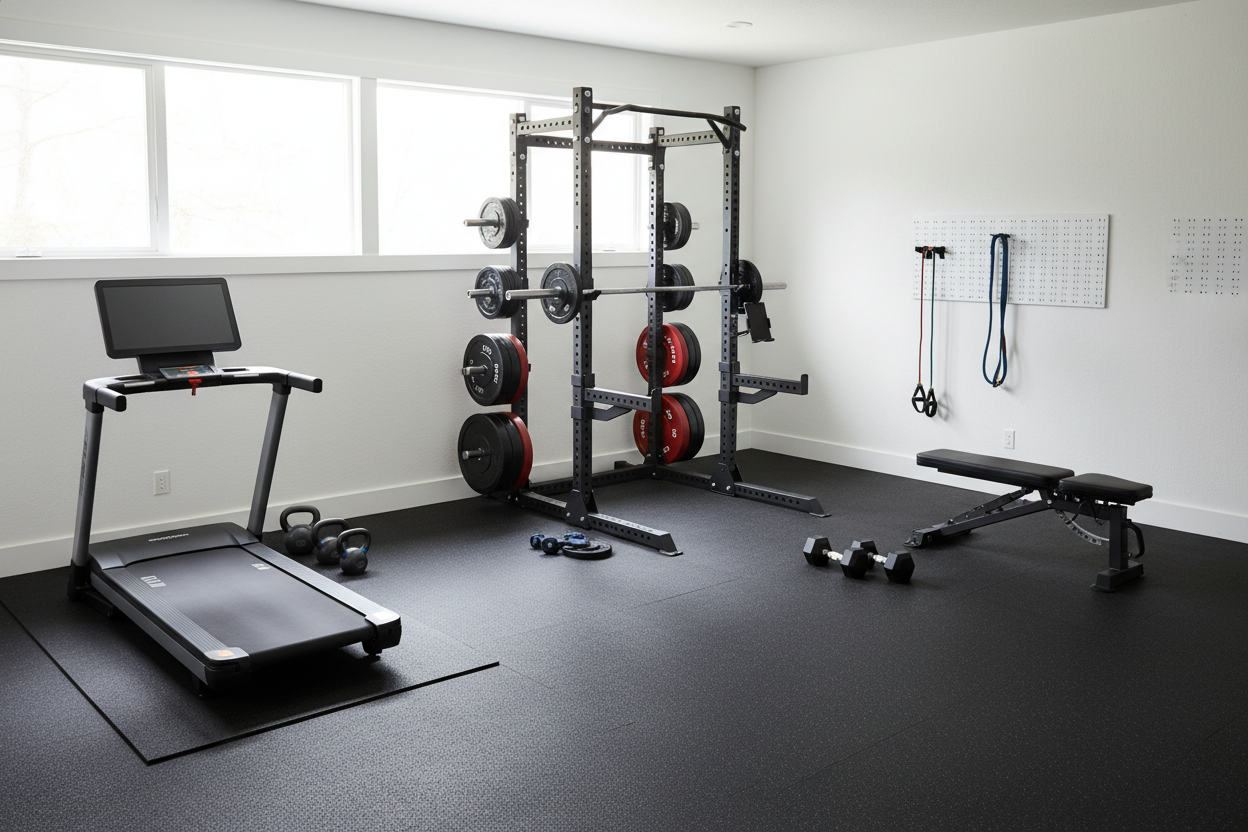
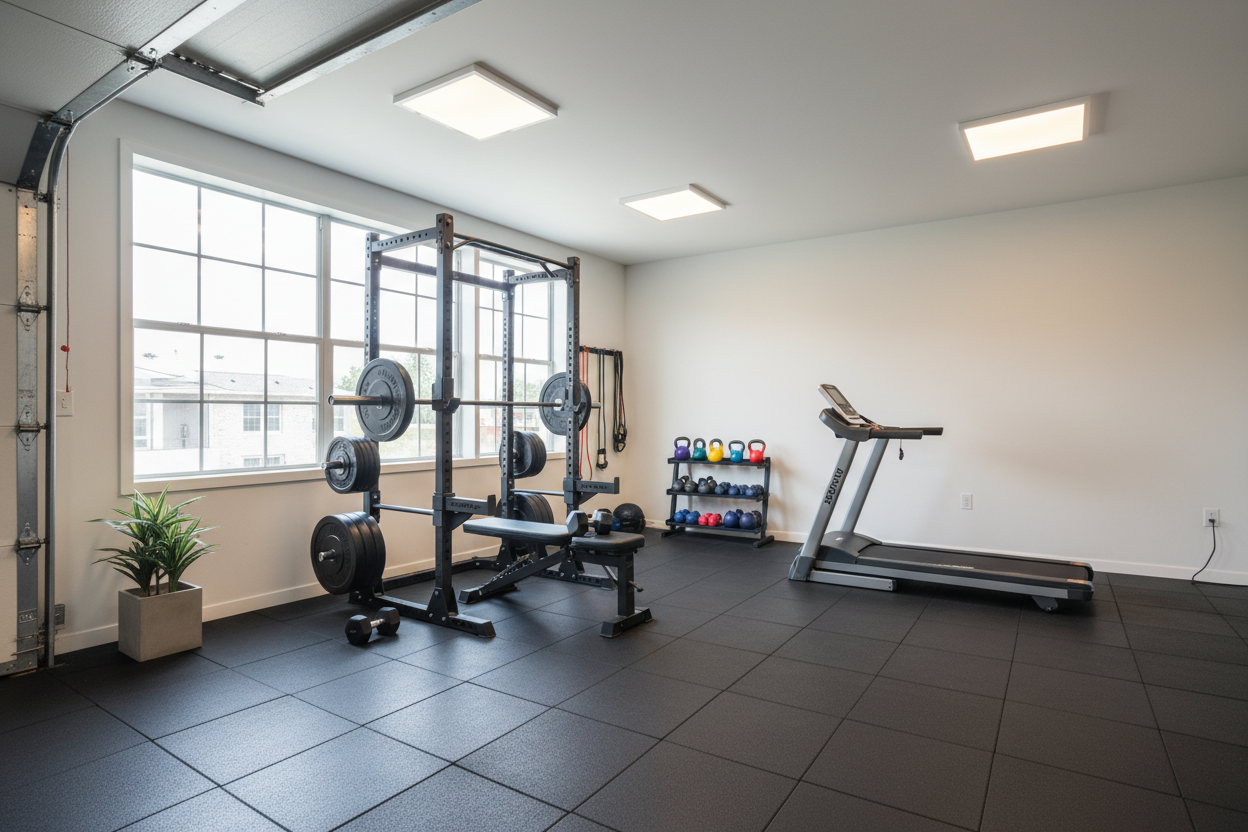
The biggest time-waster in any gym is the commute between machines. If you have to walk from the leg press to the lat pulldown, you've already lost the rhythm of a short weight lifting workout. In my garage, I stick to the one-station rule: if I can't do it at the rack, I'm not doing it today.
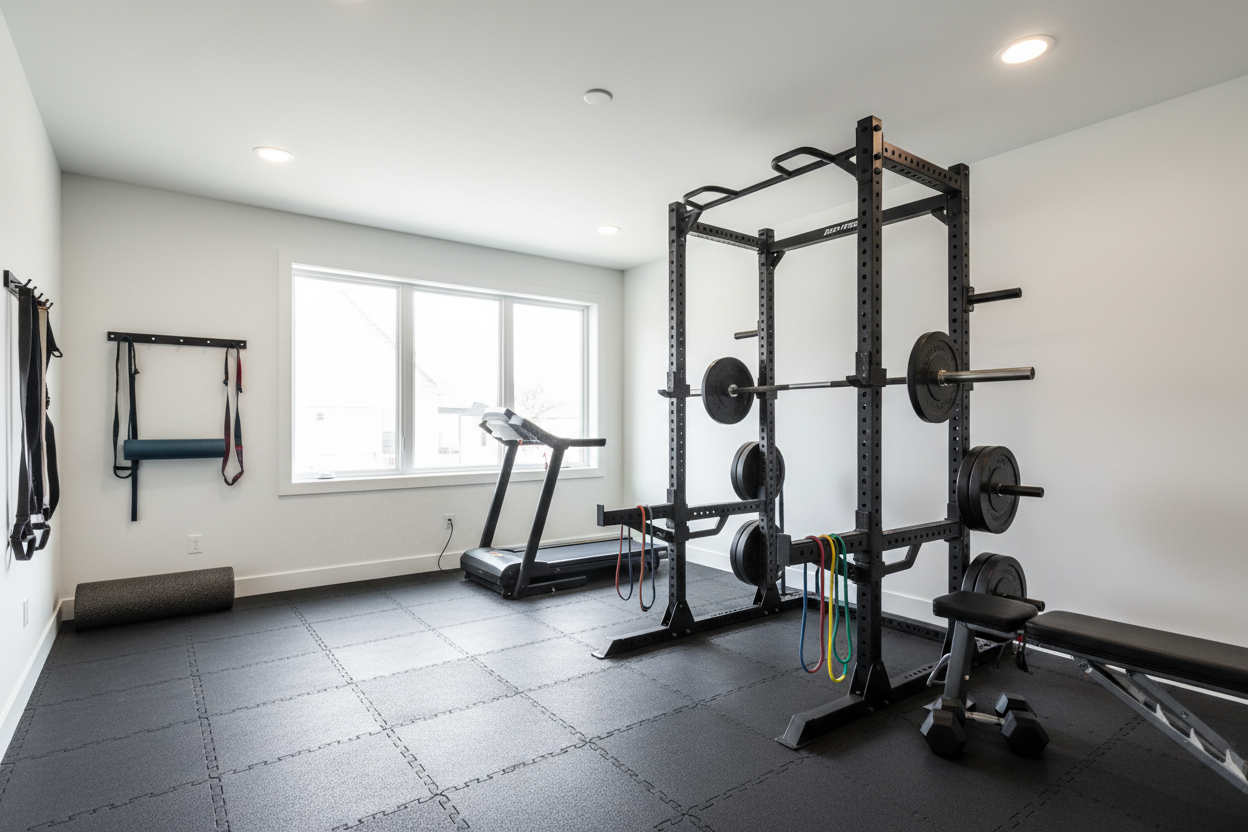
Using a comprehensive power rack weight bench package is the ultimate hack for speed. It allows you to transition from heavy squats to bench presses in seconds without losing your focus or your rack. You aren't hunting for plates or waiting for someone to finish their set; you own the space and the clock.
My Brutal 20-Minute Blueprint
My go-to short weight training workout relies on antagonist supersets. This means I pair two exercises that work opposite muscle groups. For example, I’ll hit a heavy set of rows and immediately follow it with an incline press. Your chest rests while your back works, and vice versa.
You need a reliable adjustable weight bench for this to work effectively. Being able to quickly change angles during fast-paced supersets ensures you hit different muscle fibers without wasting three minutes fiddling with pins and knobs. I keep my rest to exactly 60 seconds between supersets. By the 15-minute mark, my heart is hammering and my muscles are fully pumped.
What If You Actually Want to Sweat?
Let's be clear: these sessions are built for pure strength and hypertrophy, not for running a marathon. If you feel like you haven't 'done enough' because you aren't drenched in sweat, you're confusing fatigue with progress. Heavy lifting is about neurological and muscular output, not just burning calories.
On days when I specifically want a heavy sweat session instead of pure barbell work, I’ll pivot to a fat killer HIIT strength workout. It’s better to keep your heavy strength days focused and your conditioning days separate. Don't try to turn a heavy squat session into a cardio circuit—you'll just end up weak and tired.
How many days a week should I do these short sessions?
I find four days a week is the sweet spot. It gives you enough frequency to hit everything twice while leaving plenty of time for recovery and life outside the gym.
Can I really build muscle in only 20 minutes?
Yes, provided the weight is heavy enough. High-intensity, low-volume training has been used by some of the strongest people in the world. You just have to be willing to work harder during those 20 minutes than most people do in two hours.
Do I need a lot of equipment for this?
Nope. A barbell, a rack, and a bench are all you need. The less equipment you use, the faster you can move through your sets.