My Brutally Honest Search for the Best Way to Strength Train
I remember sitting on my weight bench at 11 PM, surrounded by three different physiology textbooks and a spreadsheet that looked like a NASA launch sequence. I was trying to figure out if 3x8 at 72% intensity was better than 4x6 at 78%. My best way to strength train was basically death by data, and my physique hadn't changed in six months.
I had fallen for the trap of thinking that if a workout wasn't complex, it wasn't working. I was buying every ebook from every 'guru' with a six-pack, hoping for a magic rep range that didn't exist. I wasted years overcomplicating the simple act of picking things up and putting them down.
Quick Takeaways
- Stop looking for hacks and start adding five pounds to the bar every week.
- Compound lifts like the squat and deadlift are the foundation; everything else is just noise.
- Rest periods are for recovery, not for checking your phone or keeping your heart rate at 180.
- Consistency in a boring program beats intensity in a fancy one every single time.
The Optimization Trap I Fell Into
I used to spend more time reading PubMed abstracts than I did actually gripping a barbell. I was convinced that if I didn't optimize my rest intervals to the second or calculate my 'total weekly volume' across eighteen different isolation exercises, I was wasting my time. I had a Frankenstein program that included three different types of bicep curls but only one set of actual squats because I was worried about 'systemic fatigue.'
The result? I was a sports science expert with a 135-pound bench press. I was paralyzed by analysis. I would skip workouts because I didn't feel 'recovered' according to a wearable device, or I'd swap exercises every two weeks because I read a new article about 'muscle confusion.' I was doing everything right on paper and absolutely nothing right in the gym. My muscles weren't growing because I wasn't giving them a reason to. I was too busy calculating the optimal angle of a cable fly to realize I wasn't even moving enough weight to trigger a response.
Real growth doesn't happen in the margins of a spreadsheet. It happens when you stop worrying about the 'perfect' rep and start worrying about the 'heavy' one. I had to delete the apps, close the tabs, and get back to the basics of how to properly strength train without the academic fluff.
So, What Is the Best Way to Strength Train?
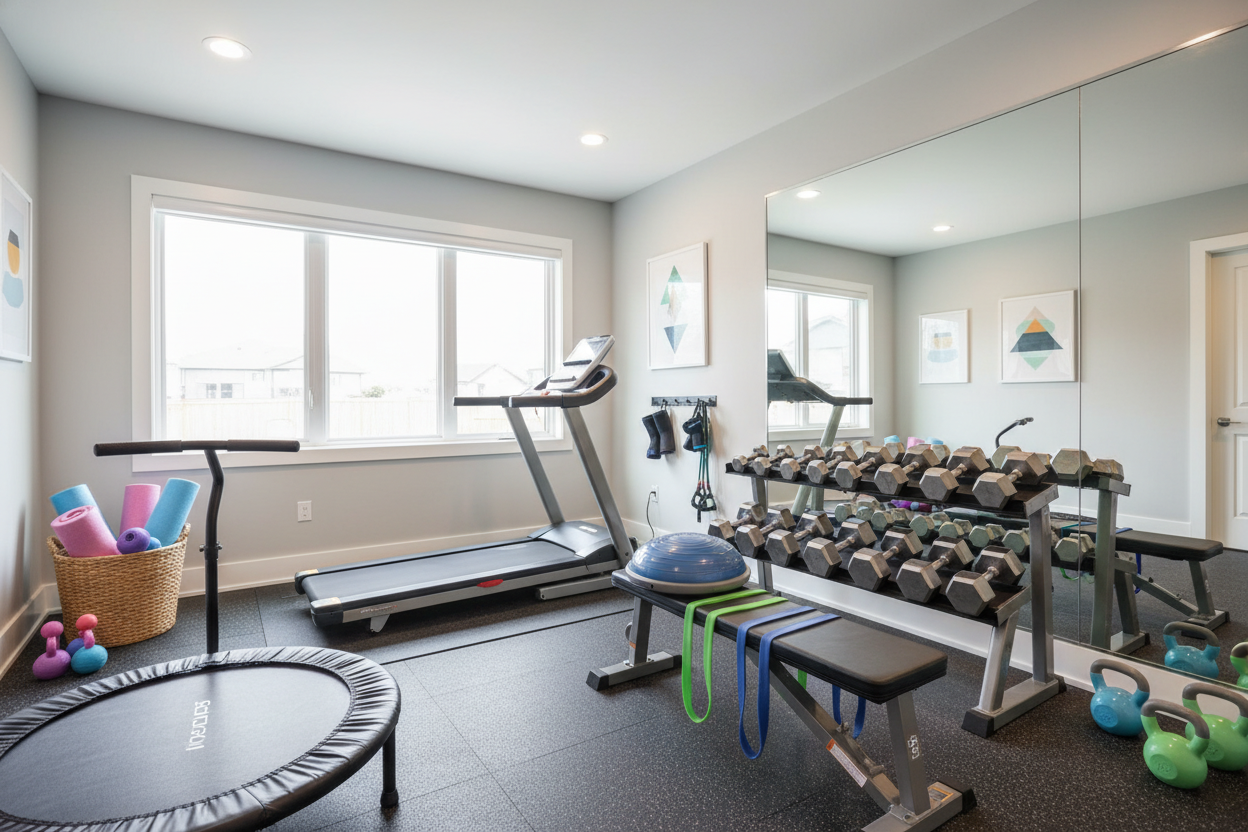
The secret is painfully simple: lift heavy things, rest until you can lift them again, and then add a little more weight next time. That is it. You don't need a Bosu ball, you don't need five different types of resistance bands, and you certainly don't need a workout that changes every day to keep your body 'guessing.'
The best way to get strong is to pick a few movements that allow you to move the most weight possible and get really, really good at them. We are talking about mechanical tension. Your muscles respond to the stress of heavy loads. If you are doing 20 reps of a light weight just to feel a burn, you are building endurance, not raw power. Strength is a skill, and like any skill, it requires repetition and progressive challenge.
Stop Confusing Being Tired With Getting Strong
There is a massive difference between conditioning and building strength. Many people walk out of a HIIT class gasping for air and think they had a great strength session. They didn't. They had a great cardio session. If you are too out of breath to maintain proper form on a set of five, you aren't training for strength anymore.
Force production requires a fresh central nervous system. When you are chasing a sweat, you are usually sacrificing the very thing that makes you strong: the ability to move heavy weight with precision. I tell people all the time that chasing fatigue is the worst way to build actual power. If you finish a set of deadlifts and your first instinct is to lay on the floor and die, you probably overdid the intensity at the expense of your next set. You want to leave the gym feeling like you did work, not like you were hit by a truck.
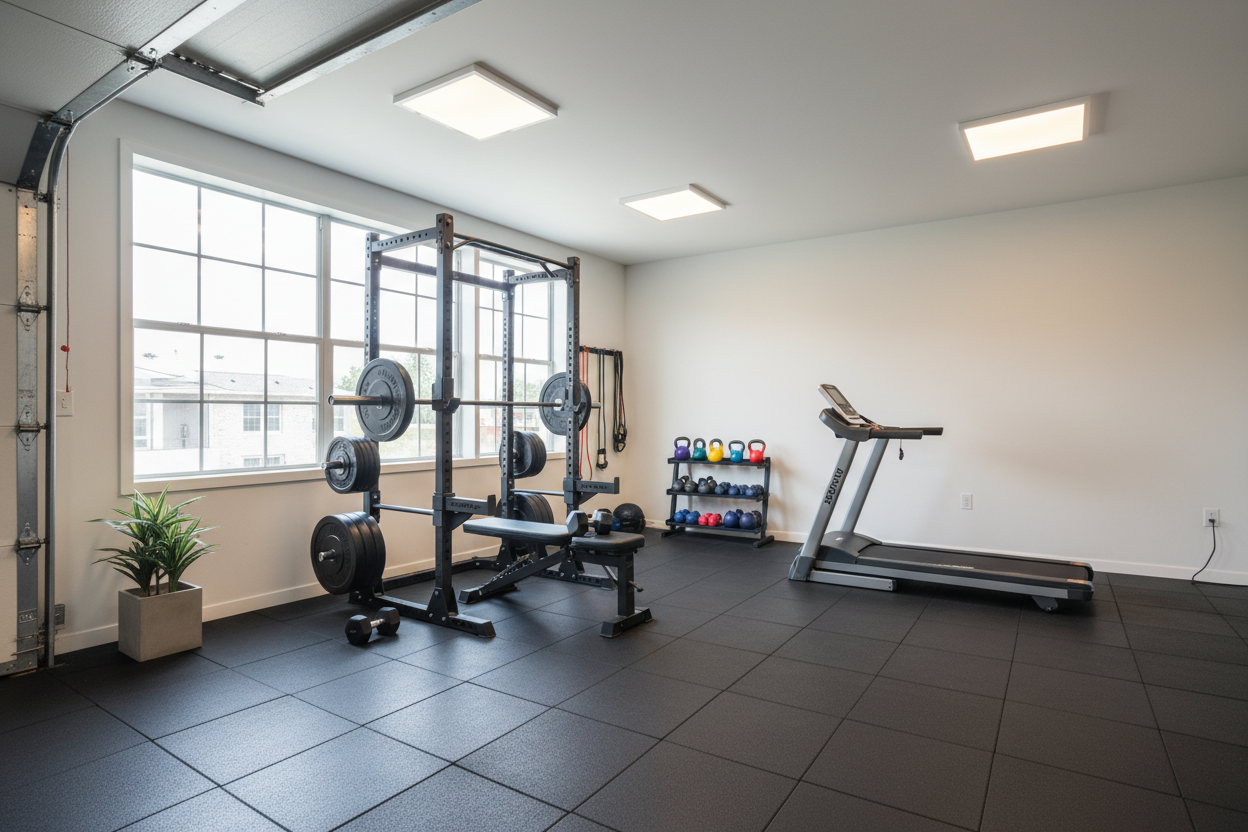
Exactly How to Properly Strength Train in a Garage Gym
If you are training at home, you have the ultimate advantage: no one is waiting for your rack. A solid strength program for a normal person should revolve around three to four days a week. You don't need to be in the garage every day. In fact, you shouldn't be. Strength is built while you sleep and eat, not while you're holding a barbell.
Structure your week around compound movements. Spend the first 20 minutes of your session on your 'big' lift of the day—the one that makes you nervous. Rest for 3 to 5 minutes between those heavy sets. Yes, that long. You need your ATP stores to replenish so you can hit the same weight or more on the next set. After the big lift, pick two or three 'accessory' moves to hit smaller muscle groups, and then get out. Keep a notebook. If you benched 185 for 5 reps last week, try for 190 this week. If you can't get 190, try for 6 reps at 185.
Stop looking for a soaked t-shirt as proof of a good day. I’ve had my best strength gains on days where I barely broke a sweat because the rest periods were long and the reps were crisp. In the world of iron, getting sweaty isn't the best metric for success. The only metric that matters is the numbers in your logbook going up over time.
Pick Four Movements and Shut Up
You can build a world-class physique and elite strength with just four movements: a squat, a hinge (deadlift), a push (overhead press or bench), and a pull (rows or chin-ups). Everything else is just a variation of these four. If you spend the next two years obsessing over getting your squat from 135 to 315, you will look and perform better than the guy doing fourteen different 'glute activation' drills.
Ditch the circus acts. You don't need to do lunges on a trampoline. You need to put a bar on your back and sit down. When people ask me how to properly strength train, I tell them to master the basics until they are boring. Once they are boring, add weight. Then they become hard again.
Gear That Actually Matters (And What Doesn't)
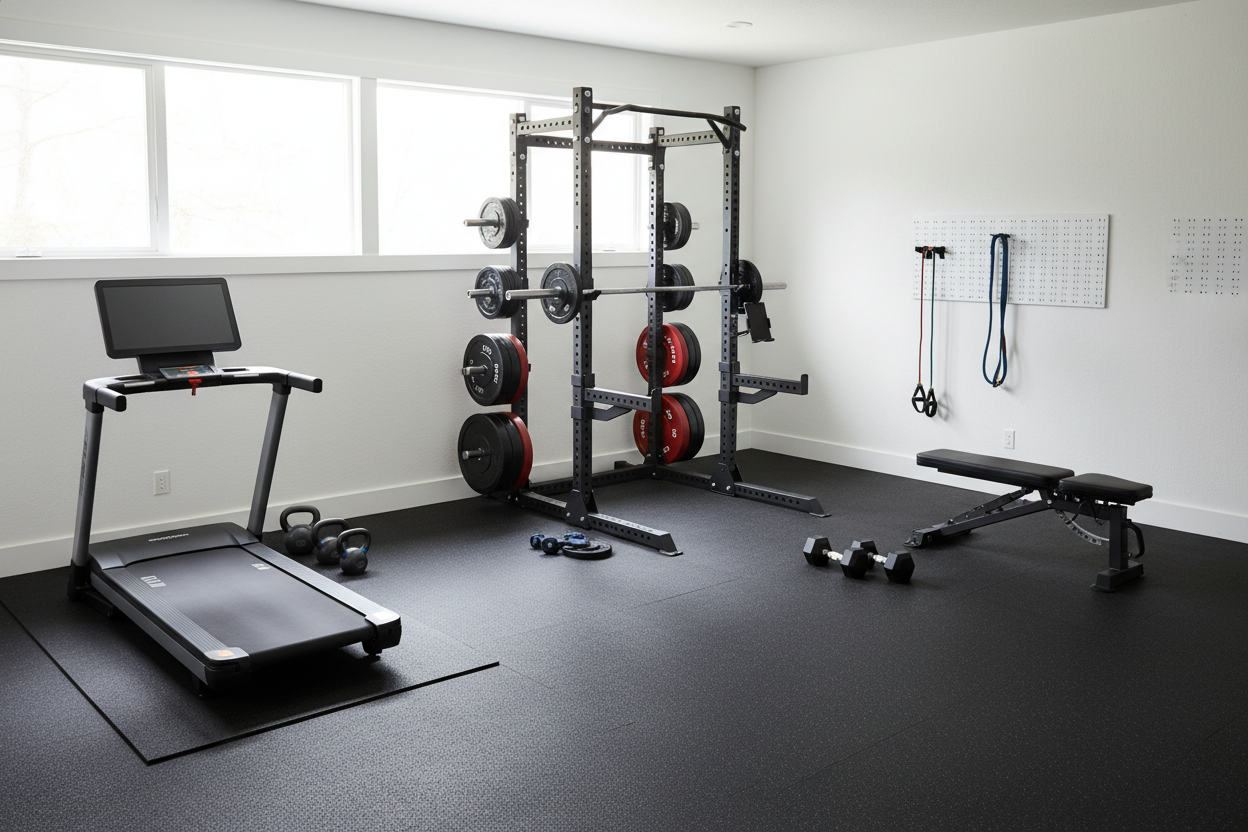
You don't need a $5,000 cable crossover machine to get strong. You need a barbell that won't bend, a rack that won't tip, and plates that weigh what they say they weigh. When you're building a space, invest in reliable home gym strength equipment that can grow with you. A cheap 300-lb 'starter set' from a big-box store will have a bar that feels like a pool noodle once you hit a 225-lb deadlift. Buy a bar with decent knurling and a high tensile strength—it's the only thing you're actually touching.
The foundation of your gym is literally the floor. Don't try to lift heavy on bare concrete or thin carpet; you'll slip, or worse, crack the foundation when you set the weights down. A large protective exercise mat is non-negotiable. It gives you the grip you need for heavy squats and protects your gear when you're pulling deadlifts. Beyond that, a solid adjustable bench and maybe a pair of rings or a pull-up bar are all you need to reach 99% of your potential.
The Unsexy Reality of Long-Term Progress
The real 'secret' to strength training is that it's repetitive. It is showing up on a Tuesday when you're tired, looking at the same barbell in the same garage, and doing the same five reps you did last week, but maybe with a slightly faster bar speed. It isn't flashy. It doesn't make for great social media content. But it works.
I spent years looking for a shortcut, only to realize the long way was the only way that actually led anywhere. Stop looking for the best way to strength train and start doing the work that's been proven for decades. Pick up the bar, add some weight, and don't stop.
FAQ
How long should a strength workout last?
Usually 45 to 75 minutes. If you are going longer than 90 minutes, you are either talking too much or doing too much 'junk volume' that your body can't recover from.
Can I build strength with just dumbbells?
You can, but you'll eventually run out of weight. For true maximal strength, a barbell is king because it's easier to load heavy and easier to increment in small steps.
How much rest do I really need between sets?
For big compound lifts, 3 to 5 minutes. For smaller accessory moves, 60 to 90 seconds is fine. If you're rushing your heavy sets, your strength will plateau.