Is There a Decent Exercise Programme for Seniors That Actually Works?
I watched my 68-year-old father walk into a local community center for a 'senior fitness' class last year. He walked out ten minutes later. He said it felt like daycare—lots of seated toe-tapping and waving colorful ribbons in the air. He didn't want a distraction; he wanted to keep the ability to carry his own mulch bags. If you are looking for a legitimate exercise programme for seniors, you have probably run into the same patronizing fluff. You deserve a routine that respects your history and challenges your muscles without treating you like you are made of glass.
Quick Takeaways
- Strength training is non-negotiable for maintaining bone density and independence.
- The 'box squat' is the single most important exercise for seniors to master.
- Safety starts with the floor—get a non-slip surface before you touch a weight.
- Progressive overload (slowly adding weight) still applies at 65+.
- Consistency beats intensity every single time.
Why Most Senior Gym Workouts Miss the Mark
The biggest problem with the typical senior gym workout is that it focuses almost entirely on aerobic capacity or flexibility while ignoring the one thing that actually keeps you out of a nursing home: muscle mass. Sarcopenia, or age-related muscle loss, is a thief. It starts small—maybe you struggle to get off a low sofa—but it ends with a loss of independence. Many old age exercises prescribed by generic trainers are so low-intensity that they fail to trigger any physiological change.
A real workout plan for the aging body needs to involve resistance. Your bones and muscles respond to load. If you only ever do 'seated arm waves,' your body has no reason to keep its strength. We need to move away from the idea that exercise for over 65 should just be about staying moving. It should be about getting stronger. I have seen 70-year-olds who can deadlift their own body weight, and they are the ones who aren't afraid of a flight of stairs or a heavy suitcase.
When we talk about working out for seniors, we are talking about functional survival. You need to be able to push, pull, and stand up. If a programme doesn't include those three patterns with some form of added weight or resistance, it is wasting your time. You don't need to be a bodybuilder, but you do need to be a 'capable human.'
Setting Up a Safe Space Before You Lift a Pound
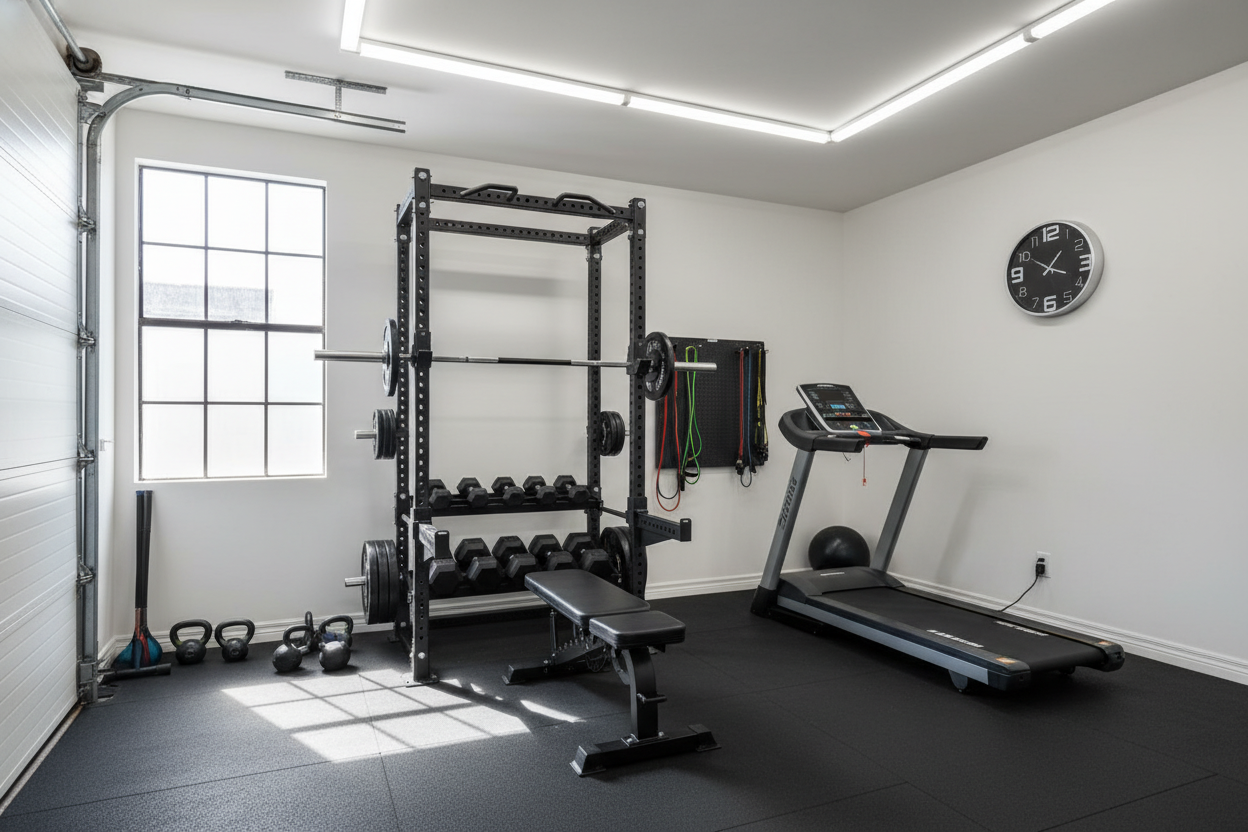
Before you start any exercise plans for elderly individuals, you have to look at your environment. I have seen too many home gym setups where someone is trying to lift dumbbells on a slippery rug or a polished hardwood floor. That is a recipe for a hip fracture. At 25, you slip and laugh; at 75, you slip and your life changes. Safety isn't just about the exercises; it is about the foundation.
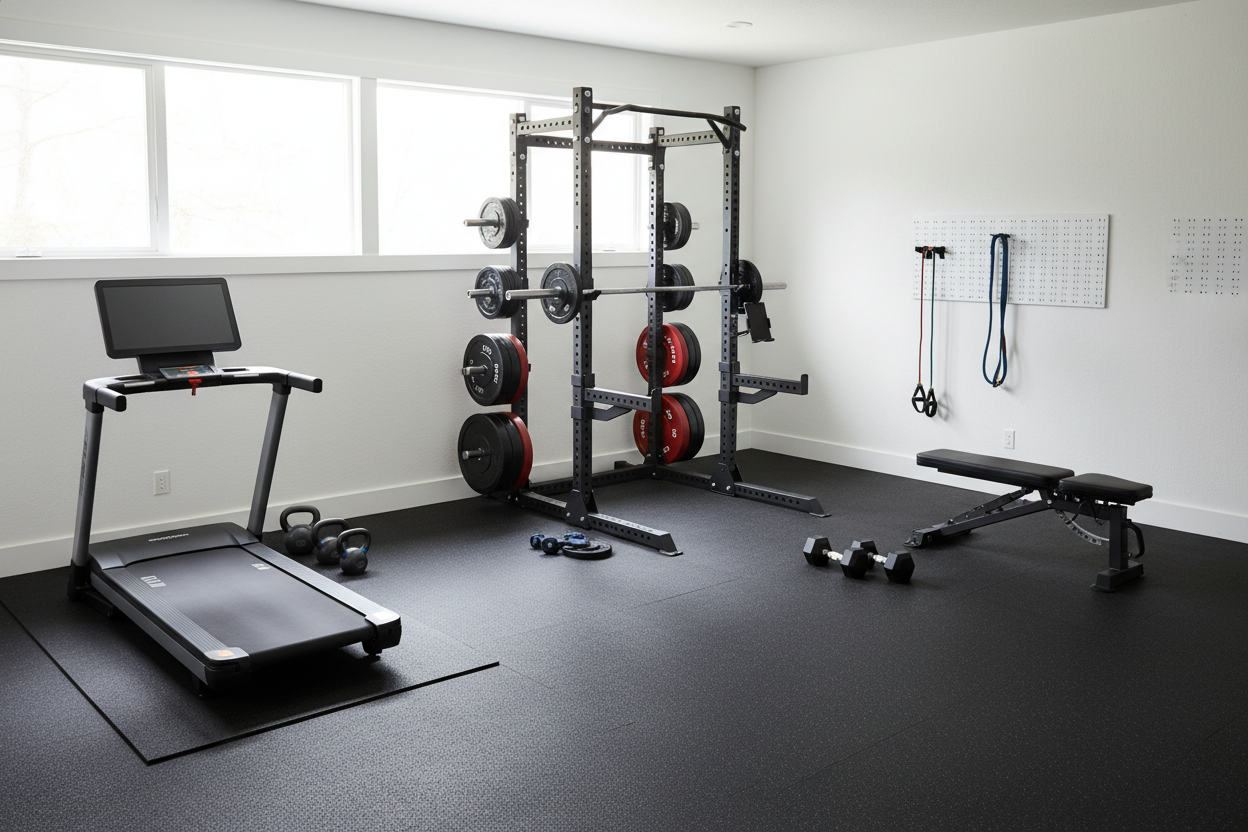
I always recommend clearing out a dedicated 6x6 foot area and laying down a high-traction surface. I personally tell my clients to invest in a large exercise mat for home gym use because it provides that 'tacky' grip that sneakers or bare feet need to stay planted. It also defines your 'work zone,' which helps with the mental habit of training.
Lighting and stability are the next steps. Make sure you aren't training in a dim garage where you might trip over a stray power cord. If your balance is even slightly questionable, keep a sturdy, non-folding chair nearby. This isn't a sign of weakness; it is a smart safety rack. A solid floor and a clear space are the prerequisites for any exercise for 65 and over.
The Core Exercise Programme for Seniors
Let’s get into the meat of the routine. The most important exercise for seniors to master is the box squat. Why? Because it’s the exact movement you use to get off the toilet or out of a car. To do it, you stand in front of a sturdy chair, hinge your hips back, and slowly lower yourself until your glutes touch the seat. Then, you stand back up without using your hands. If that is too easy, hold a 5lb weight against your chest. This is the gold standard for great exercises for seniors.
Next, we focus on the upper body. A simple 'wall push-up' or an inclined push-up against a kitchen counter builds the chest and shoulders. Follow this with a 'seated row' using a resistance band anchored to a door handle. This hits the postural muscles in your back, which helps counteract the 'slouch' that often comes with age. When we move to floor-based core work like 'dead bugs' or 'bird-dogs,' having a 6x4ft yoga mat exercise mat is vital. It saves your spine and knees from the hard floor, making the exercise routine for elderly joints much more tolerable.
Finally, do not ignore your grip. Carrying a couple of heavy (for you) dumbbells across the room for 30 seconds—the 'Farmer’s Carry'—is a best exercise for senior citizens because it builds forearm strength and core stability simultaneously. If you can't hold onto your groceries, you lose a massive chunk of your daily freedom.
Adjusting the Routine for Your Starting Point
Not everyone starts from the same place. An older person workout must be scalable. If you haven't exercised in twenty years, don't start with 20lb weights. Start with body weight. If you find a full squat impossible, use a higher surface—like a bed or a chair with a firm cushion—so the range of motion is shorter. This makes the exercise suitable for elderly beginners who might have severe knee arthritis.
For exercise for overweight seniors, the focus should be on reducing joint impact. Stay away from jumping or high-impact movements. Focus on the 'eccentric' part of the lift—the lowering phase. It builds strength with less stress on the heart and joints. If you are carrying extra weight, your knees are already under stress, so don't add to it with high-volume lunges. Stick to the box squat and the wall push-up until your capacity increases.
The goal of exercise for 65 and older isn't to hit a PR every day. It’s to move slightly better this week than you did last week. If you can only do three repetitions today, do three. Next week, try for four. That is the only 'secret' to success in senior fitness.
What About Cardio and Resistance Machines?
While bodyweight and bands are great for starting, there comes a point where you might want more stability. This is where machines shine. Unlike free weights, machines guide your path of motion, which is excellent for an exercise for 65 and older who might struggle with balance or coordination. A seated chest press machine is much safer for a solo trainee than a barbell bench press.
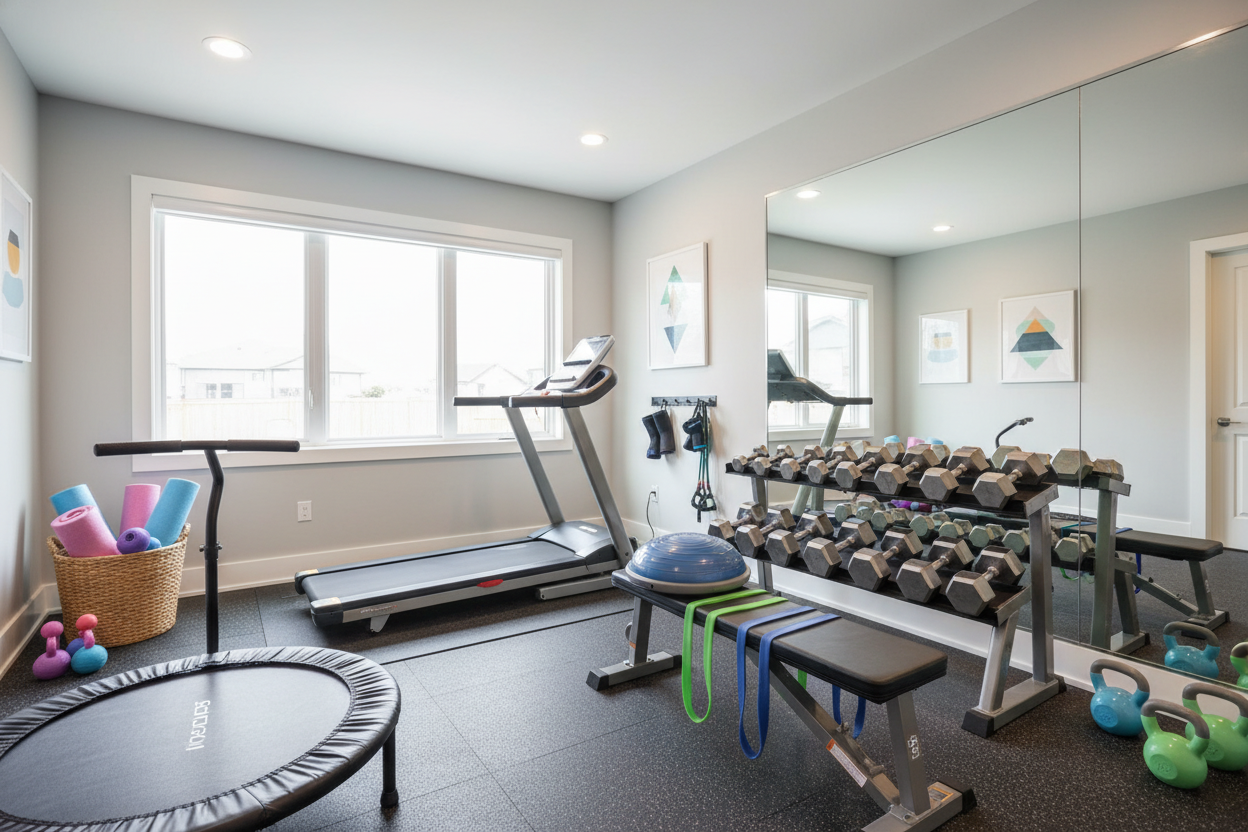
If you are building out a space and have the budget, looking for the best at home exercise machines can be a game-changer for longevity. A rowing machine or a stationary bike provides low-impact cardio that keeps the heart healthy without pounding your ankles into the pavement. Cardio is the support system for your strength training; it helps you recover faster and keeps your energy levels up throughout the day.
I usually suggest a 70/30 split. Spend 70% of your gym time on strength (squats, rows, carries) and 30% on low-impact cardio. This balance ensures you are building a body that is both strong and durable. Don't fall into the trap of doing 100% cardio; you'll just become a smaller, weaker version of yourself.
Personal Experience: The Lesson of the 10-Pound Kettlebell
I remember training my aunt, who was 72 at the time. She was terrified of weights. She thought she’d 'snap' something. I started her with a 10lb kettlebell, just doing basic deadlifts. The first week, she could barely do five. Two months later, she called me to say she’d lifted her 40lb grandson without her back 'going out' for the first time in years. My mistake early on was being too cautious with her. Once I realized she was more capable than I gave her credit for, her progress skyrocketed. Don't underestimate yourself—aging doesn't mean you stop being an athlete; it just means your 'off-season' is over.
Frequently Asked Questions
How many days a week should a 70-year-old work out?
Three days a week is the 'sweet spot' for most. It allows for a full day of recovery between sessions, which is crucial as you age. Your muscles don't grow while you're lifting; they grow while you're sleeping.
What is the best time of day for seniors to exercise?
Late morning is usually best. It gives your joints time to 'lubricate' and wake up after being still all night, but it’s before the afternoon fatigue sets in. However, the best time is whenever you will actually do it.
Can I start a strength programme if I have arthritis?
Yes, and you probably should. Strengthening the muscles around a joint often reduces the pain of arthritis by taking the load off the bone and putting it on the muscle. Just avoid any movement that causes 'sharp' pain.