3 Ways to Sneak an Exercise About Flexibility Into Heavy Leg Days
I remember staring at my squat rack last Tuesday, shivering in a 40-degree garage, thinking about how much I loathed the idea of a 'warm-up.' I had 315 pounds on the bar, and the last thing I wanted to do was sit on a cold floor and reach for my toes. We’ve all been there—scrolling through phone notifications, procrastinating on the actual work because we know our hips feel like rusted hinges. The problem is that most of us treat an exercise about flexibility as a separate, boring chore rather than a part of the performance itself.
Quick Takeaways
- Static stretching before lifting can actually decrease your explosive power.
- Loaded mobility (stretching under weight) builds strength at end-ranges.
- Your nervous system won't let you relax if you're stretching on hard concrete.
- Dynamic hip flows take 3 minutes and save your lower back during squats.
Why We Hate Stopping to Stretch
Let’s be real: static stretching is the most skipped part of any program. When you have sixty minutes to get through a heavy leg session before the kids wake up or work starts, spending fifteen of those minutes doing physical fitness flexibility exercises feels like a waste of time. It’s passive, it’s boring, and frankly, it makes you feel weak right before you’re supposed to be strong.
There is also the 'wet noodle' effect. If you spend too long holding a passive stretch, you temporarily desensitize the muscle spindles. This reduces the 'snap' you need to drive out of the hole in a squat. I’ve made the mistake of over-stretching my hamstrings before a heavy RDL session, only to feel like my legs were made of jelly when I finally stepped up to the bar. We need a way to stay mobile without sacrificing the tension required to move serious weight.
The Secret is Loaded Mobility
Instead of doing a standard exercises flexibility routine, I’ve transitioned almost entirely to loaded mobility. This means using the weight itself to force a stretch. Take the Romanian Deadlift, for example. If you focus on a slow, 4-second eccentric and hold the bottom position for a heartbeat, you are performing an exercise with flexibility baked into the strength movement. You aren't just getting loose; you're getting strong in positions where most people are fragile.
I’ve found that borrowing control-focused movements, similar to pilates exercises for quads, can actually build bulletproof strength at your deepest end ranges of motion. Think about a paused goblet squat. By holding a 24kg kettlebell at your chest and sitting deep, you use the weight as a counterbalance to sink lower than you ever could unweighted. This 'active' stretching tells your brain that you own that range of motion, which is far more effective than any floor stretch.
Prime Your Hips Before the Rack
You don't need a 20-minute yoga flow. You need to grease the groove. Before I touch the barbell, I run through a quick, high-intensity sequence of 90/90 hip switches and deep lunges. This is how to improve flexibility exercises without boring yourself to tears. You want to signal to your hip capsules that it’s time to move, not time to nap.
I usually recommend a quick 3-minute flow of hip mobility exercises at home that preps the joints for heavy, deep squats. I do these in my living room while the coffee is brewing. By the time I hit the garage, my hips are lubricated and ready for the first warm-up set. If you wait until you're under the bar to find out your hips are tight, you've already lost the battle.
Stop Stretching on Concrete Floors
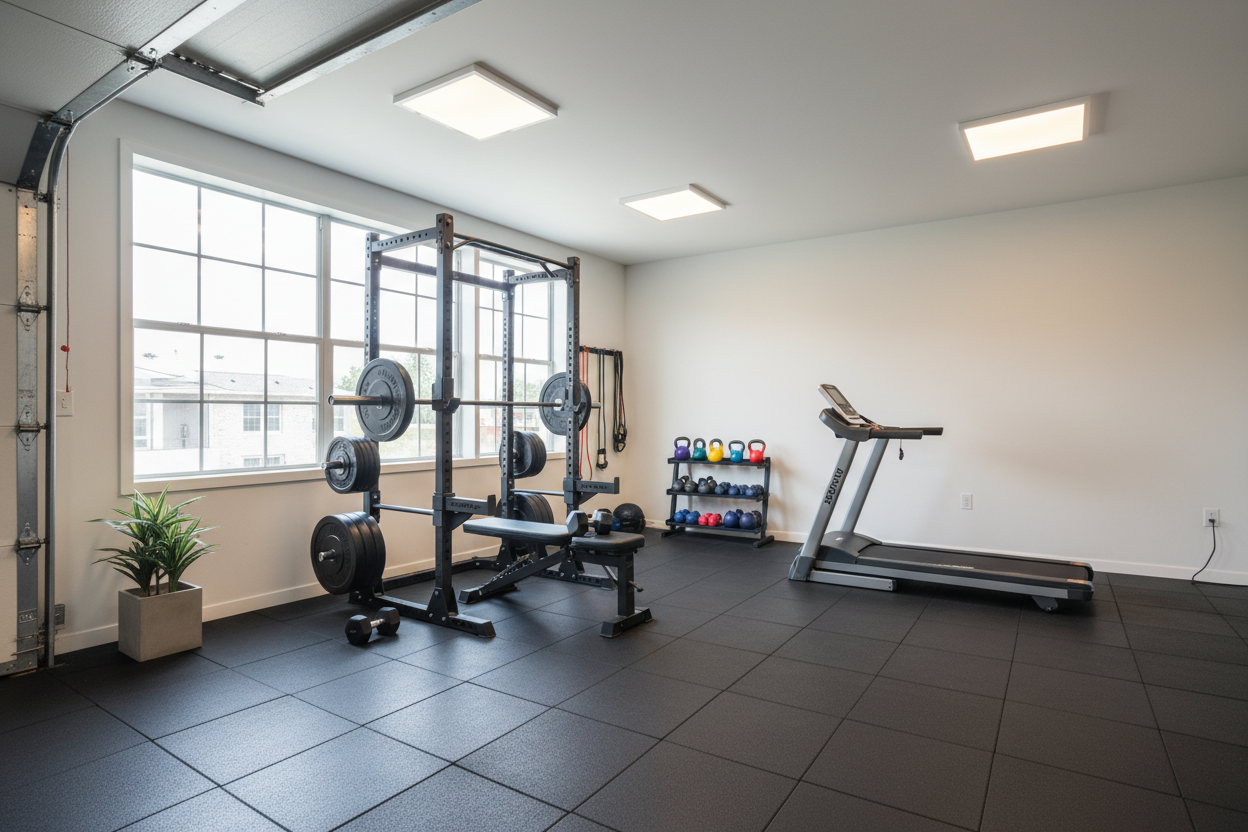
This is a gear mistake I see in almost every home gym. People try to perform training exercises for flexibility on bare concrete or thin, cheap stall mats. Your brain is smarter than you think. If it feels a hard, unforgiving surface underneath your joints, it triggers a 'guarding' response. Your muscles will subconsciously tense up to protect your bones, making it nearly impossible to actually sink into a stretch.
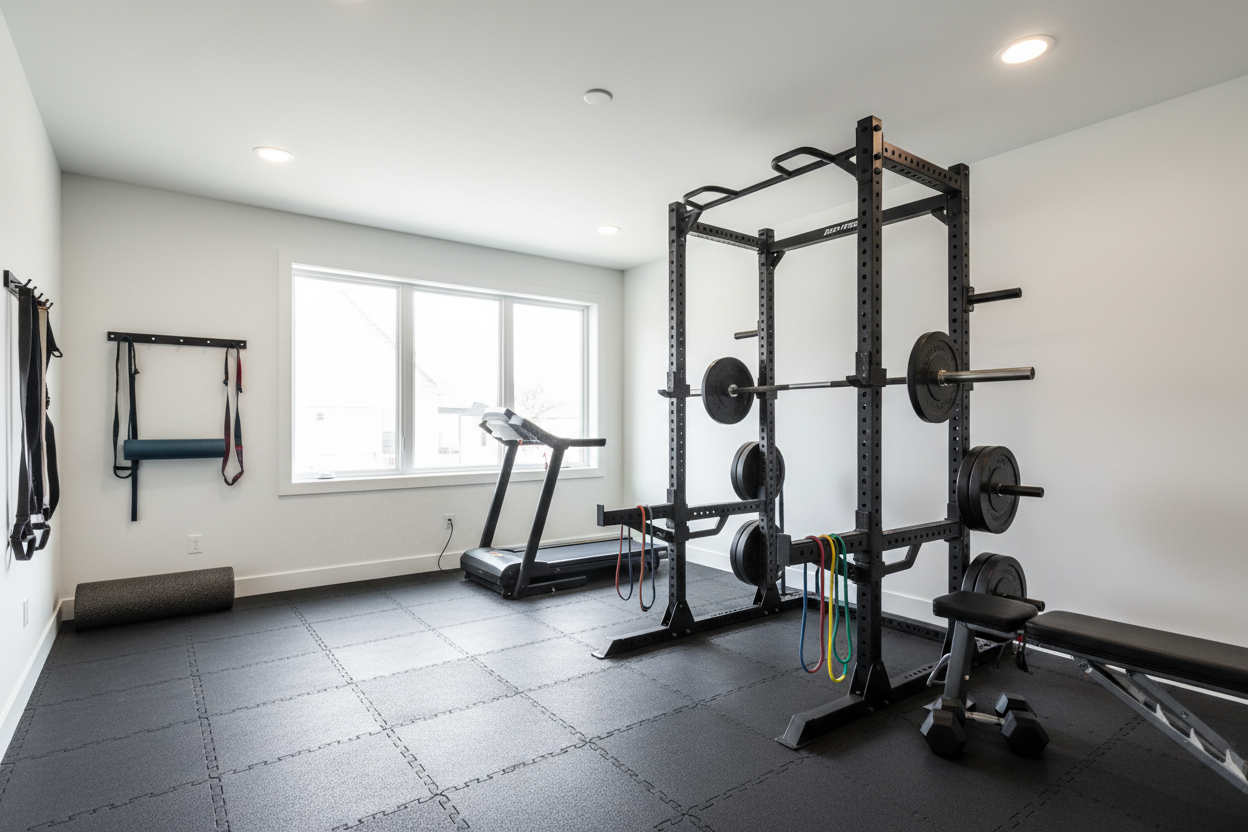
I struggled with hip 'pinching' for months until I realized I was just tensing up because my floor was freezing and hard. I started using a large 6x8ft exercise mat over my lifting area. The difference in my 'neurological safety' was immediate. When your body feels a stable, cushioned surface, it allows the parasympathetic nervous system to take over, letting those tight adductors actually release. It’s not just about comfort; it’s about tricking your brain into letting go.
My Honest Experience
Three years ago, I tore a labrum in my hip because I thought I could out-lift my lack of mobility. I was the guy who walked into the gym, put 135 on the bar, and started squatting immediately. No warm-up, no exercise about flexibility, just ego. It took six months of physical therapy to realize that mobility isn't optional—it's the foundation of longevity. Now, I never skip my loaded pauses. The biggest downside? My workouts take about five minutes longer. The upside? I haven't had a 'tweaked' back in two years.
FAQ
Is it better to stretch before or after a workout?
Dynamic movement and loaded mobility are best before or during the workout to prime the nervous system. Save the long, passive, static holds for after the session or right before bed when you want your body to relax.
How long should I hold a loaded stretch?
For movements like a paused squat or RDL, 2 to 5 seconds at the bottom is plenty. You want to feel the tension and the stretch simultaneously, not reach the point where the muscle goes numb.
Do I need special equipment for flexibility?
Not necessarily, but a decent surface matters. If you're on concrete, get a thick mat. Other than that, a single kettlebell or a pair of dumbbells is all you need to turn a basic stretch into a loaded mobility powerhouse.