I Swapped Heavy Squats for a HIIT Legs Workout (Here's Why)
I remember the exact morning my knees decided they’d had enough of the 405-lb grind. It wasn't a snap or a tear; it was a dull, grinding ache that made walking down the stairs feel like an Olympic event. Chasing a heavy legs workout had become a liability rather than an asset. My ego wanted the plates, but my cartilage was filing for divorce.
- Massive strength isn't worth chronic inflammation.
- HIIT provides a metabolic stimulus that heavy triples can't match.
- Unilateral movements fix the imbalances that a barbell hides.
- Joint health is the ultimate long-term gains insurance.
Why I Finally Walked Away from the Squat Rack
For a decade, I believed that if I wasn't putting a bar on my back, I wasn't training legs. I ignored the 'crunchy' sound in my patella and the way my lower back throbbed after every session. I was chasing a PR that nobody cared about except me, and it was ruining my life outside the gym. I couldn't even play a pickup game of basketball without feeling like a 90-year-old man the next day.
The realization hit when I noticed my mobility was trash. I could squat heavy, but I couldn't move fluidly. I was stiff, slow, and constantly managing pain with ibuprofen. I decided to ditch the ego, sell my power rack, and pivot to a high-intensity, low-impact approach. I expected to lose all my size, but what happened was the exact opposite.
The Biggest Waste of Time in Leg Workout Routines
Traditional strength programming is a massive time sink. You spend five minutes warming up, then three minutes sitting on your phone between every set of five. In a 60-minute session, you're actually working for maybe eight minutes. That's fine if you're a competitive powerlifter, but for anyone else, it's inefficient.
The biggest mistake people make in leg workout programming is thinking more rest equals more growth. By cutting the rest and increasing the heart rate, you create a massive metabolic demand. This forces your body to adapt by increasing capillary density and mitochondrial function. You get the pump of a lifetime in 20 minutes instead of 90, and you don't need a belt to survive the session.
Stealing Lower Body Tactics from Calisthenics
I used to laugh at guys doing bodyweight stuff until I saw the quad development on high-level gymnasts and calisthenics athletes. They don't use 500 lbs; they use leverage. By mastering movements like the sissy squat, shrimp squat, and Nordic curl, you can put an incredible amount of tension on the muscle without compressing your spine.
I started looking at the Chris Heria leg workout to see how these guys stayed so shredded while maintaining explosive power. The secret is time-under-tension and explosive unilateral work. When you move from a bilateral squat to a deficit Bulgarian split squat, you realize how much your dominant side was overcompensating. My 'small' leg finally caught up because it had nowhere to hide.
Your Floor Is Your New Safety Net
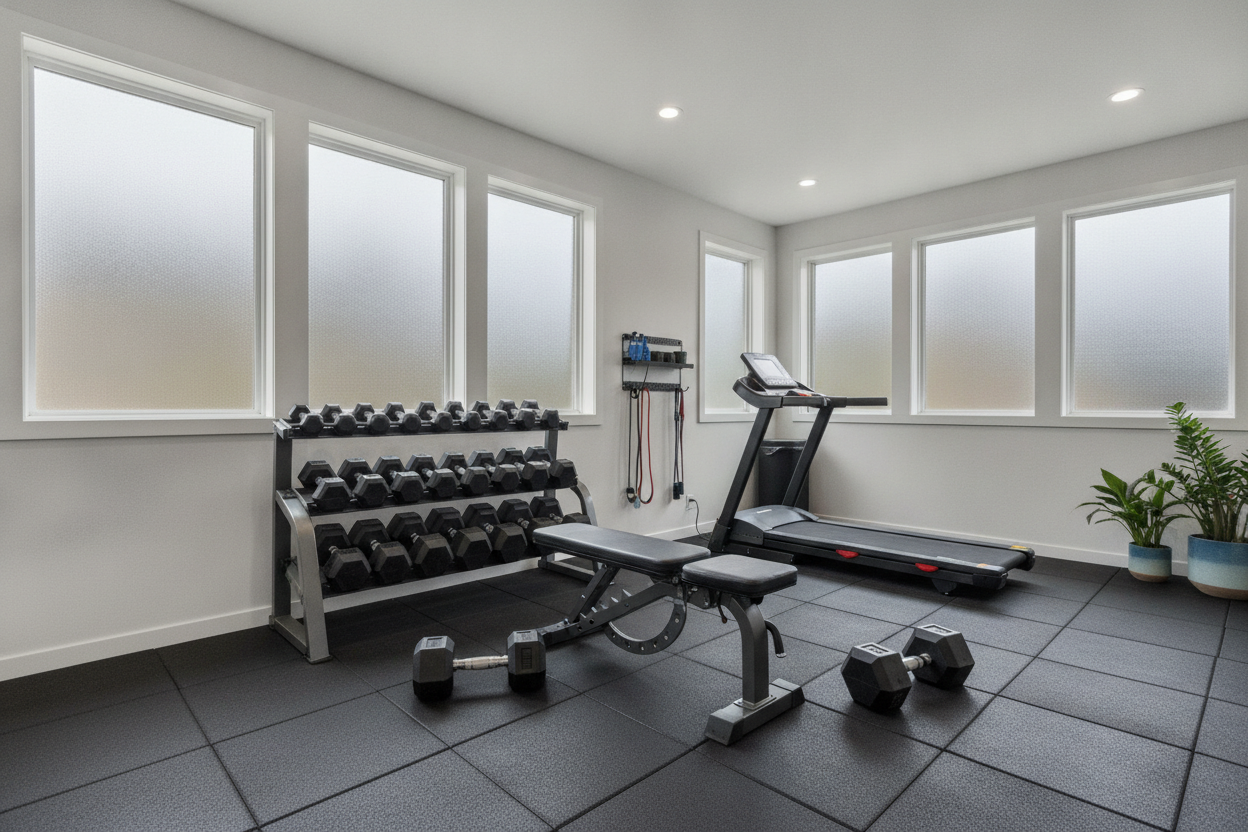
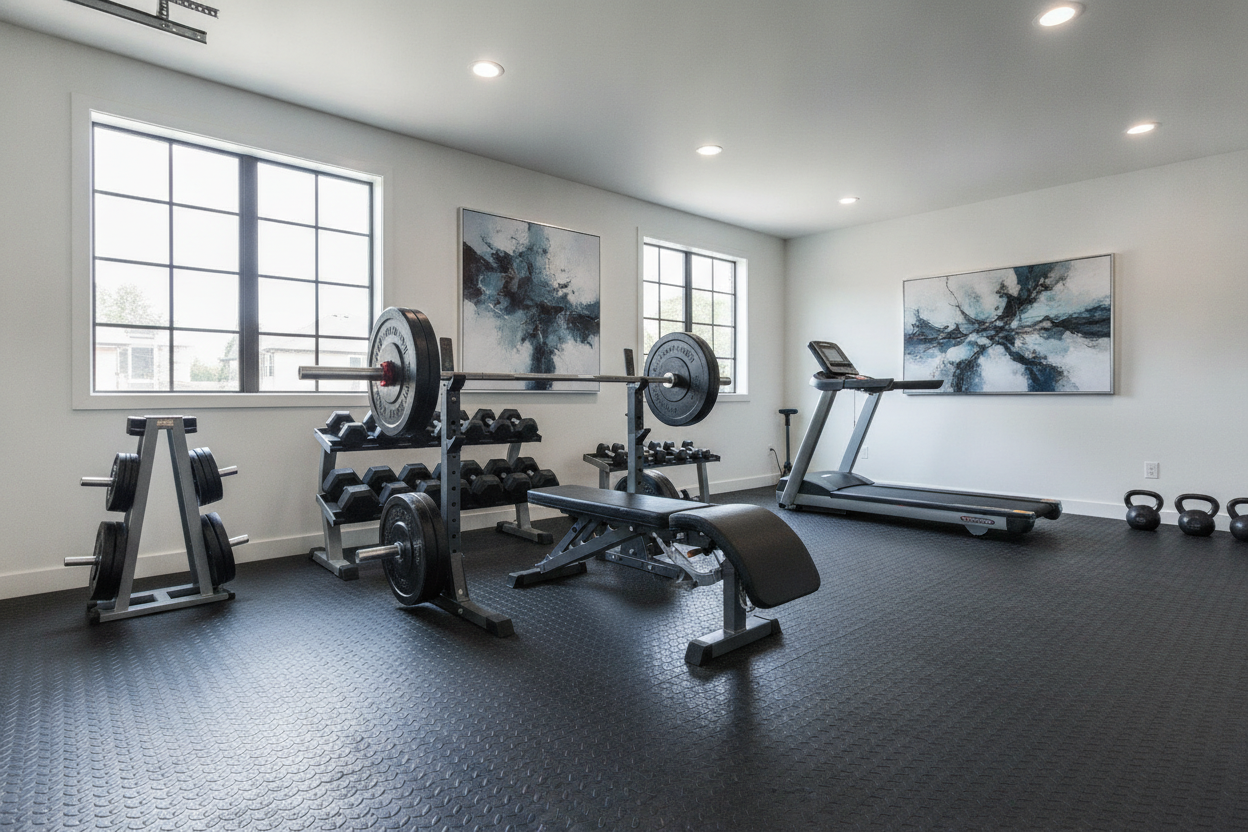
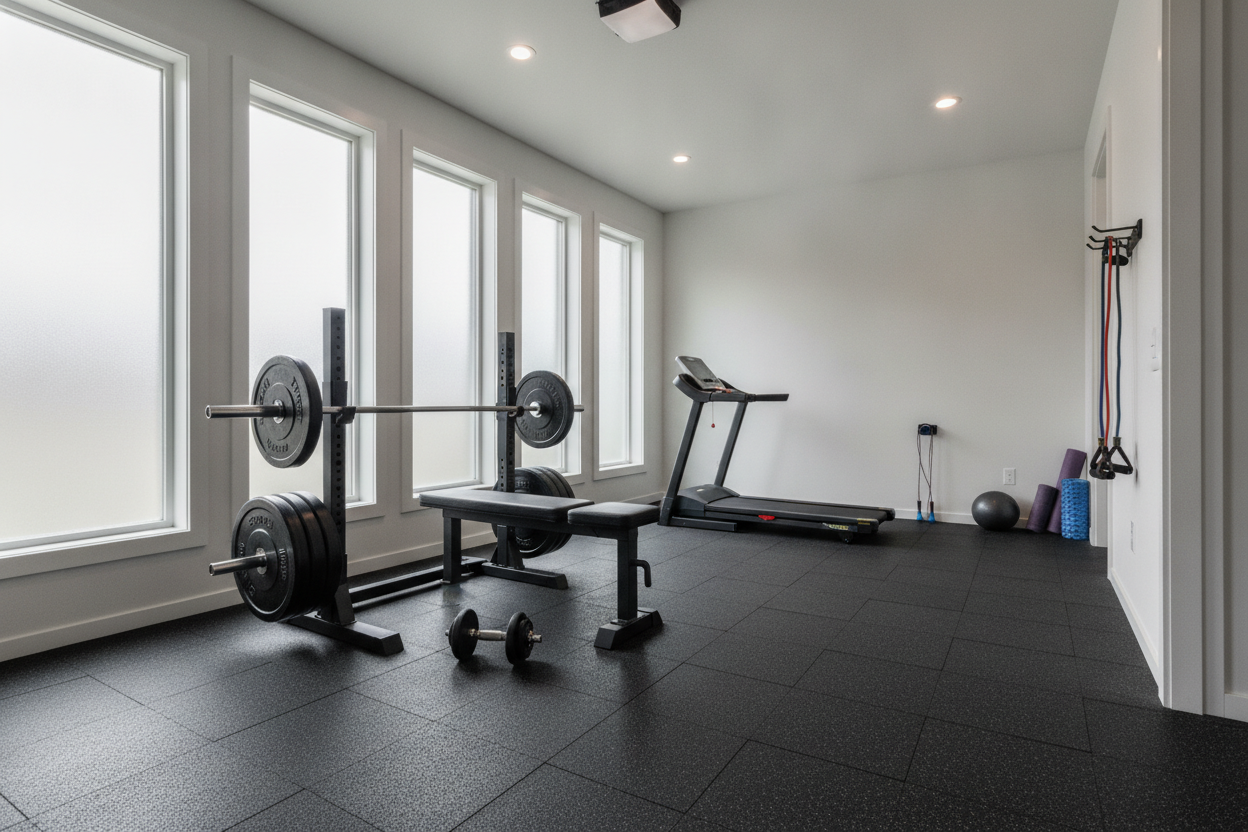
If you're going to swap heavy weights for high-intensity plyometrics and deep lunges, you cannot do it on bare concrete. I learned this the hard way after a week of jumping on my garage floor. My shins felt like they were vibrating for hours. You need a surface that absorbs the impact so your joints don't have to.
I eventually laid down a high-density exercise mat that actually stays put. It’s 7mm thick, which is the sweet spot—enough cushion to save your ankles during tuck jumps, but firm enough that you don't feel like you're standing on a marshmallow. If you can't trust your footing, you won't give 100% effort on the explosive movements.
The 40-Minute Hybrid Routine That Replaced My Barbell
My new routine is a brutal mix of bodyweight strength and cardiovascular torture. I don't miss the barbell because I'm too busy trying to breathe. We start with a heavy unilateral movement—think weighted lunges or step-ups—and immediately transition into a plyometric burst like box jumps or burpees. There is no sitting down until the round is over.
I followed a specific 40 min legs and abs HIIT structure that focused on keeping the heart rate in the 150-170 range. By the 30-minute mark, my quads are screaming, and my core is completely lit up. Because there's no massive external load, I can recover in 24 hours and do it again, rather than being sidelined for three days after a heavy squat session.
The Verdict: Will I Ever Go Back to Heavy Weights?
It’s been six months since I touched a barbell. My legs aren't just the same size; they look more athletic. The chronic knee pain is 95% gone. I can jump higher, run faster, and I don't feel like a creaky floorboard when I get out of bed. My conditioning has gone through the roof, and I’ve dropped about 4% body fat without changing my diet.
If you're struggling with injuries, stop trying to out-lift the pain. There's a whole world of training in the home gym workout hub that doesn't involve crushing your discs. I might go back to heavy weights one day for the fun of it, but for now, the hybrid life is winning. My joints have never been happier.
FAQ
Will I lose muscle if I stop squatting heavy?
Not if you maintain high intensity. Muscle responds to tension and metabolic stress. If you're doing high-volume, high-effort HIIT with unilateral movements, your body has no reason to shed muscle mass.
Is HIIT bad for your knees?
Only if you have poor form or bad flooring. Low-impact HIIT focuses on controlled movements. Avoid jumping on hard concrete and focus on soft landings to keep it joint-friendly.
How many times a week should I do a HIIT legs workout?
Twice a week is the sweet spot for most people. Because the systemic fatigue is lower than heavy lifting, you can recover faster, but you still need to respect the intensity.