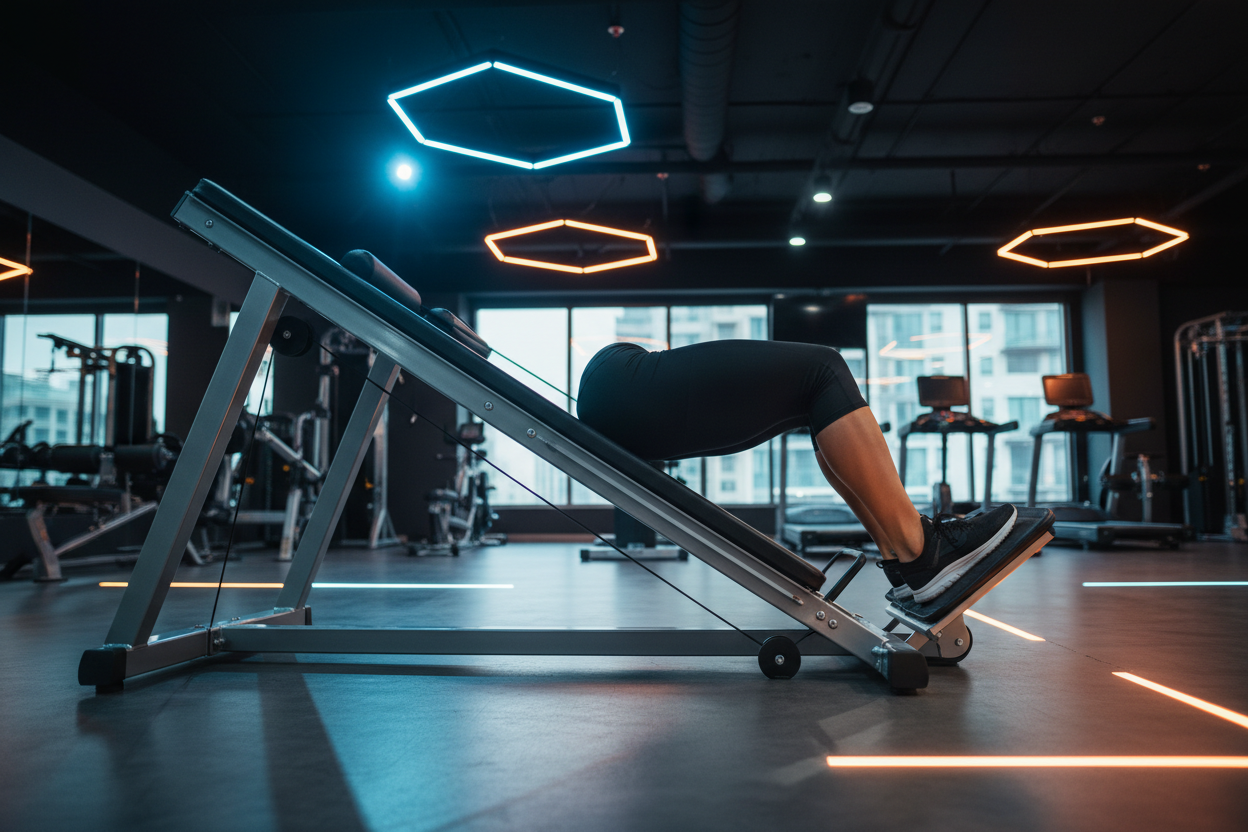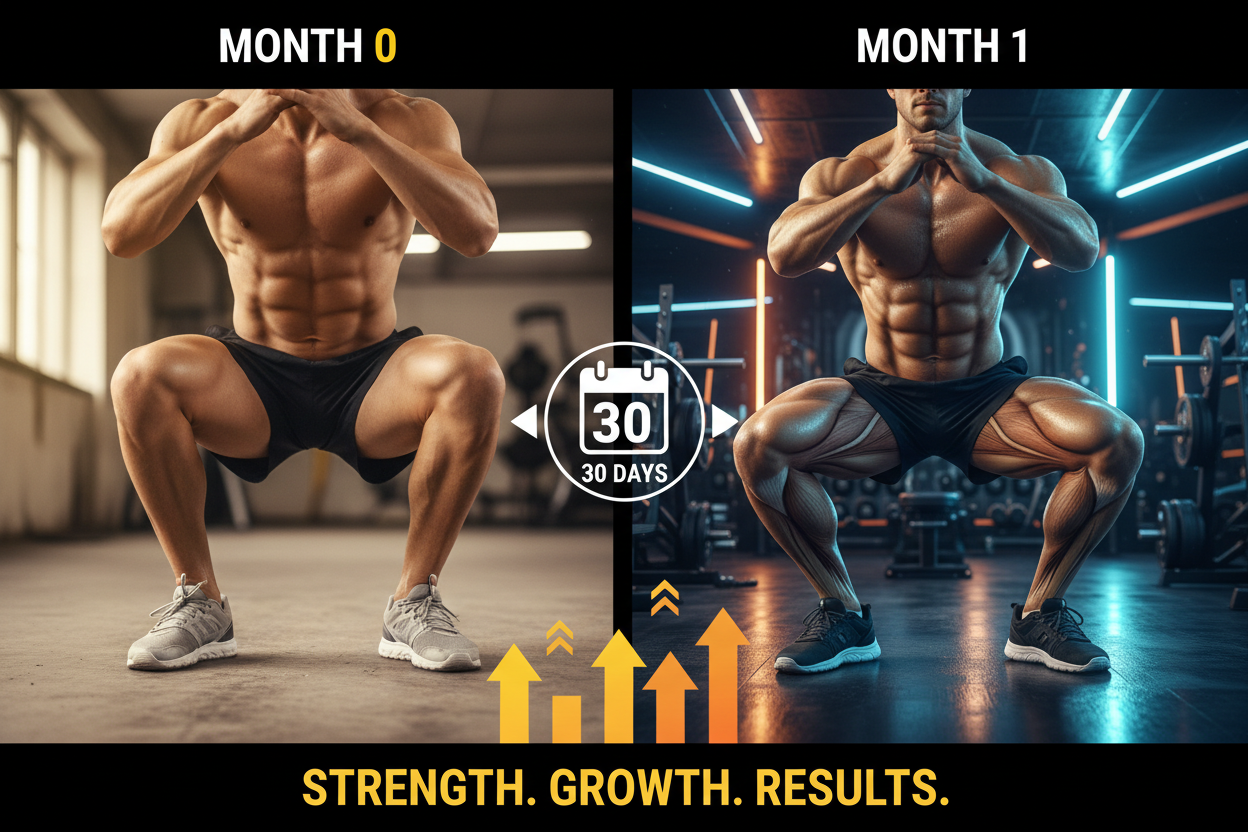
I Tried the Chris Heria Leg Workout for a Month: Here’s Why My Legs Are Finally Growing
For years, the biggest criticism thrown at the calisthenics community was that we all had "chicken legs." While we could do muscle-ups and planches, the assumption was that without heavy squats and deadlifts, lower body development was impossible. I fell into this trap myself, treating leg day as an afterthought until my progress stalled and my physique looked unbalanced. That was when I decided to ditch the weights entirely for thirty days and strictly follow a Chris Heria leg workout protocol.
The results were humbling. If you think bodyweight training is easy, you haven't tried stabilizing your entire body weight on one ankle while performing high-repetition pistol squats. The philosophy behind the Thenx leg workout isn't just about hypertrophy; it is about building functional, explosive power that translates to real-world athleticism. After four weeks of intense plyometrics and unilateral movements, my quads were more defined, my vertical jump increased, and my knee pain actually subsided.
The Philosophy Behind the Thenx Leg Style
Most traditional gym-goers rely on external load—adding more plates to the bar—to achieve progressive overload. In the world of calisthenics, specifically the style taught by Chris Heria, the variable changes. You aren't adding weight; you are decreasing leverage and increasing intensity. A standard Chris Heria leg routine focuses heavily on "Time Under Tension" (TUT) and explosive movements.
When you watch a Thenx leg video, you will notice a pattern: super-sets and tri-sets. You rarely do one exercise and sit on your phone for three minutes. Instead, you move from a difficult compound movement, like a jumping lunge, immediately into an isometric hold, like a wall sit. This floods the muscle with lactate, forcing growth through metabolic stress rather than just mechanical tension. This approach is brutal on your cardiovascular system, meaning you burn fat while building muscle, revealing the definition in the legs much faster than traditional powerlifting usually allows.
Unilateral Training is the Secret Weapon
One major realization I had during this experiment was how weak my left side was compared to my right. When you squat with a barbell, your dominant leg often compensates for the weaker one. In a Thenx leg workout, there is nowhere to hide. Movements like the Bulgarian Split Squat and the Pistol Squat force each leg to work independently.
During my first week, I could barely do three clean pistol squats on my left leg, while my right could handle eight. This imbalance was likely the cause of the lower back pain I experienced during heavy lifting. By the end of the month, focusing on the Chris Heria leg workout progressions helped me even out this strength deficit. The focus on balance also recruits smaller stabilizer muscles around the knee and hip that standard machines at the gym simply ignore.
Key Exercises in the Routine
To replicate the results, you cannot just do air squats. You need to incorporate the specific movements that make the Chris Heria leg development pop. Here are the staples I utilized:
The Pistol Squat is the king of calisthenics leg exercises. It requires immense ankle mobility, balance, and raw quad strength. If you cannot do a full one yet, the Thenx app usually suggests assisted versions, holding onto a pole or using a box. This movement alone contributed most to the size increase in my vastus medialis (the teardrop muscle above the knee).
Next comes the elevated shrimp squat. Unlike a lunge, this keeps the tension strictly on the front leg. It feels similar to a leg extension machine but requires significantly more core activation.
The Role of Plyometrics
You cannot talk about a Thenx leg routine without mentioning jumping. Explosive movements recruit fast-twitch muscle fibers, which have the greatest potential for growth. Box jumps, jumping lunges, and squat jumps are performed not just for height, but for speed and fluidity. This trains the nervous system to fire rapidly.
In my experience, the plyometric aspect was the hardest part. Doing 45 seconds of jumping lunges after exhausting your legs with static holds is a mental battle. However, this conditioning aspect is exactly why calisthenics athletes tend to look shredded year-round. You are essentially running a HIIT workout simultaneously with your strength training.
My Personal Experience: The Burn is Different
I remember the third day vividly. Walking down the stairs was a challenge. The soreness from a weighted squat feels deep in the muscle belly, but the soreness from the Chris Heria leg workout felt different—it was everywhere. My glutes, calves, and even the arches of my feet were sore. This is because bodyweight training requires total body tension.
One specific session involved a "death by lunges" circuit. I thought, "It’s just bodyweight, how hard can it be?" I was wrong. The volume catches up to you. By the final round, my legs were shaking uncontrollably. This intensity is necessary. Since you don't have 300 pounds on your back, you have to push close to failure on every set to stimulate the muscle enough for growth.
Structuring Your Own Calisthenics Leg Day
If you want to integrate this into your routine, do not overcomplicate it. Start with your hardest progression. If you are working on pistol squats, do those first when you are fresh. Aim for 3 to 4 sets of 5-8 reps per leg.
Follow this with a compound explosive movement, like 4 sets of 12 jumping lunges. Finally, finish with a high-volume endurance burner, such as walking lunges or wall sits until failure. The goal is to leave the session unable to do another rep. Consistency is key here; because the load is lighter than weights, you can train legs more frequently—up to two or three times a week—since your central nervous system recovers faster from bodyweight training than heavy spinal loading.
Common Mistakes to Avoid
The biggest mistake people make when attempting a Thenx leg workout is rushing the rep speed on non-plyometric moves. When you drop down into a squat too fast, you use momentum to bounce back up. You need to control the eccentric (lowering) phase. Count three seconds down, pause for one second, and then explode up.
Another issue is neglecting mobility. You cannot perform a proper Chris Heria leg movement if your ankles are stiff. Incorporate dynamic stretching before the workout and deep static stretching afterward. If your heels lift off the ground during squats, you are losing power and putting unnecessary strain on your knees.
Final Thoughts on Bodyweight Leg Training
Switching to a calisthenics-based leg routine was one of the best decisions I made for my overall fitness. It fixed my imbalances, improved my flexibility, and proved that you don't need a gym membership to build a powerful lower body. Whether you follow a specific Chris Heria leg workout or just incorporate Thenx leg principles into your current routine, the key is intensity. Treat every bodyweight rep with the same focus you would give a heavy barbell, and the growth will follow.
Frequently Asked Questions
Can you actually build big legs with just bodyweight exercises?
Yes, but you must use progressive overload. Since you cannot add external weight easily, you must progress by doing harder variations (like single-leg squats), increasing the volume, or reducing rest times to force the muscles to adapt and grow.
How often should I do a calisthenics leg workout?
Because bodyweight training places less stress on the central nervous system than heavy weightlifting, you can typically train legs 2 to 3 times per week. Ensure you have at least one rest day between sessions to allow for muscle recovery.
Is the Chris Heria leg workout safe for beginners?
The routines are scalable, but beginners should approach them with caution. Start with basic variations (like standard squats and lunges) before attempting advanced moves like pistol squats or high-impact plyometrics to avoid injury.