I Stopped Doing a Single Body Part Workout and Finally Grew
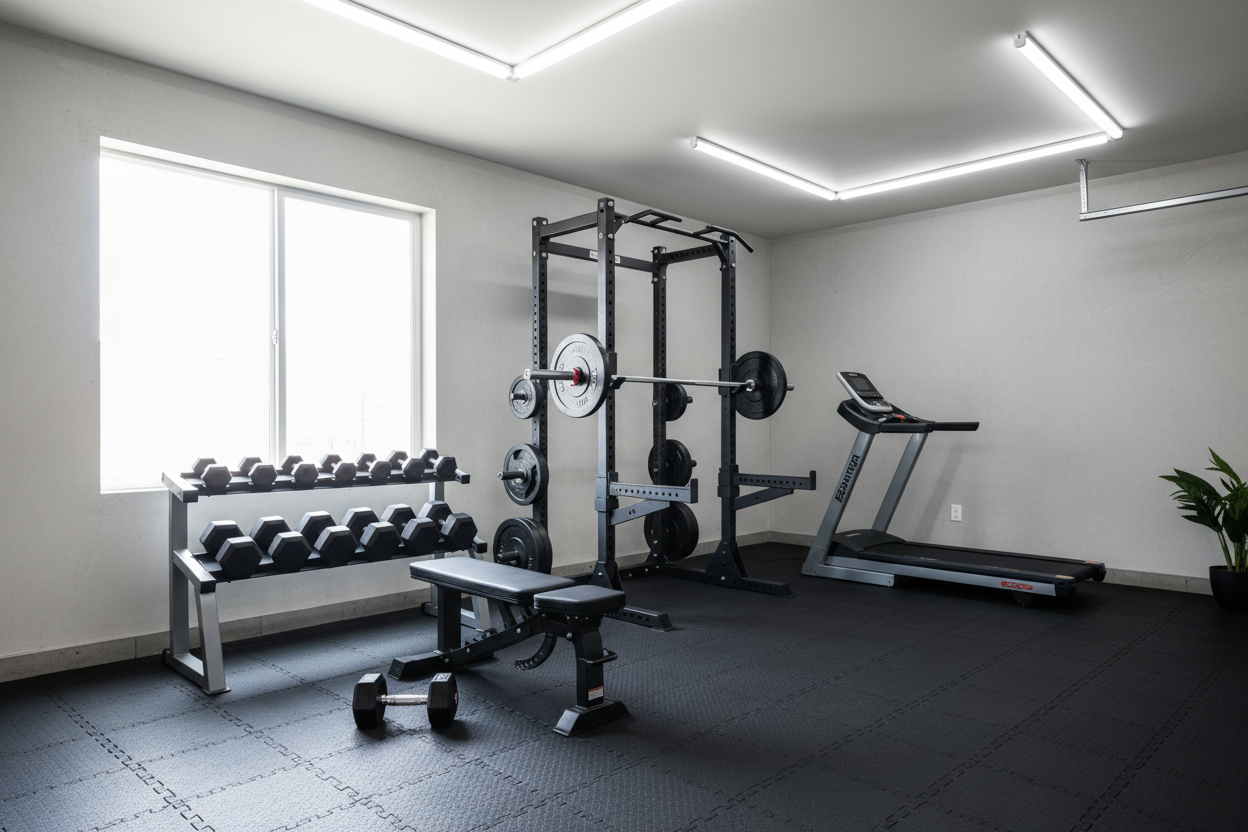
I remember the exact moment I realized my training was broken. I was six sets deep into my fourth variation of a dumbbell flye in my 10x12 garage gym, staring at a water stain on the ceiling, and my chest felt like mush. Not the good, 'I’m growing' kind of pump—the 'I’m just wasting time' kind of fatigue. I was religious about my body part workout routine, dedicating a full Monday to chest, Tuesday to back, and so on. But my numbers had stalled for six months, and I looked exactly the same despite owning a rack that cost more than my first car.
Quick Takeaways
- Single-muscle splits often lead to junk volume—sets that cause fatigue without adding growth stimulus.
- Home gyms lack the machine variety needed to make high-volume body part days effective without joint pain.
- Frequency is king; hitting a muscle twice a week beats hitting it once with 20 sets every time.
- Transitioning to an Upper/Lower or Push/Pull/Legs split maximizes your limited equipment.
- Proper flooring makes recovery work like mobility and core actually happen.
The Pro-Builder Trap I Fell For in My Garage
We’ve all seen the videos. A 260-pound pro bodybuilder walks through a commercial gym with $2 million worth of equipment, hitting 8 different machines just for his lats. Naturally, I tried to port that 'bro-split' logic into my garage. I spent years thinking that if I didn't dedicate an entire hour to a specific parts of the body workout, I wasn't training hard enough. I was obsessed with finding the perfect workouts for specific body parts, thinking isolation was the only way to grow.
The reality? Those pros are often enhanced and have access to specialized machines that minimize joint wear. When I tried to do 20 sets of chest with just a flat bench and a pair of adjustable dumbbells, my shoulders started screaming. I was forcing myself to find 5 or 6 different exercise body parts for the same muscle group just to fill the time. It was a recipe for tendonitis, not hypertrophy. In a commercial gym, you can pivot to a cable crossover or a pec deck. In a garage, you’re usually just doing another variation of a press that your rotator cuffs already hate.
Why Limited Equipment Changes the Math
If you’re training at home, your equipment is your constraint. Most of us have a rack, a barbell, maybe some dumbbells, and if we’re lucky, a pulley system. When you try to run a high-volume body part exercise schedule with just free weights, you run into the 'CNS tax.' Doing 10 sets of squats is vastly different from doing 2 sets of squats followed by 8 sets on a leg press and leg extension. The latter isolates the muscle; the former crushes your soul.
Unless you have a dedicated lower body strength machine like a hack squat or a high-end leg press, trying to hit 25 sets of legs in a single session is a death wish for your central nervous system. I found that my form would break down by set 12, and the remaining 'work' was just dangerous. You have to rethink what body parts to work on what days based on the tools you actually have. If all you have is a barbell, you simply cannot do the volume a commercial gym allows without overtraining the primary movers and under-stimulating the target muscle.
Junk Volume vs. Actual Growth Stimulus
The term 'junk volume' gets thrown around a lot, but in a garage gym, it’s a literal progress killer. Research shows that for most natural lifters, the first 6 to 8 sets for a muscle group provide the vast majority of the growth stimulus. Anything after that is often just 'garbage' volume—it makes you tired, but it doesn't make you bigger. When I was doing a single body part workout, I was doing 15-20 sets per session. I was essentially doing 12 sets of junk every single day.
By spreading those sets across the week, you find the optimum body part stimulus threshold. Instead of doing 20 sets of back on Monday, you do 10 sets on Monday and 10 on Thursday. You’re fresh for both sessions, the weight on the bar is heavier, and your total weekly tension is higher. You have to look at the workout body muscles as a weekly total, not a daily annihilation. When you map out the parts of body to work out, focus on quality over the sheer number of workout parts you can fit into a 60-minute window.
How I Rebuilt My Weekly Training Schedule
I finally swallowed my pride and ditched the bro-split for an Upper/Lower split. I stopped asking what body parts to train each day in isolation and started asking what parts of my body should I workout each day to maximize frequency. Now, my body workout muscles get hit twice every seven days. This shift changed everything. On 'Upper Day,' I’m hitting chest, back, and shoulders. Because I’m only doing 2-3 exercises per group, every set is high intensity. No more coasting through the final 10 sets of a back day.
If you're wondering what to workout with back day, the answer is usually 'everything else on your upper body.' This creates a natural synergy. Your biceps get hit during rows, and your triceps get hit during presses. By the time you get to your isolation work, you only need 2 or 3 sets to finish them off. This gym exercise body parts management is much more efficient for a 4-day or 5-day schedule. It answers the age-old question of what body parts to workout each day by focusing on movement patterns (Push, Pull, Legs) rather than just anatomical labels.
Don't Forget the Floor Work
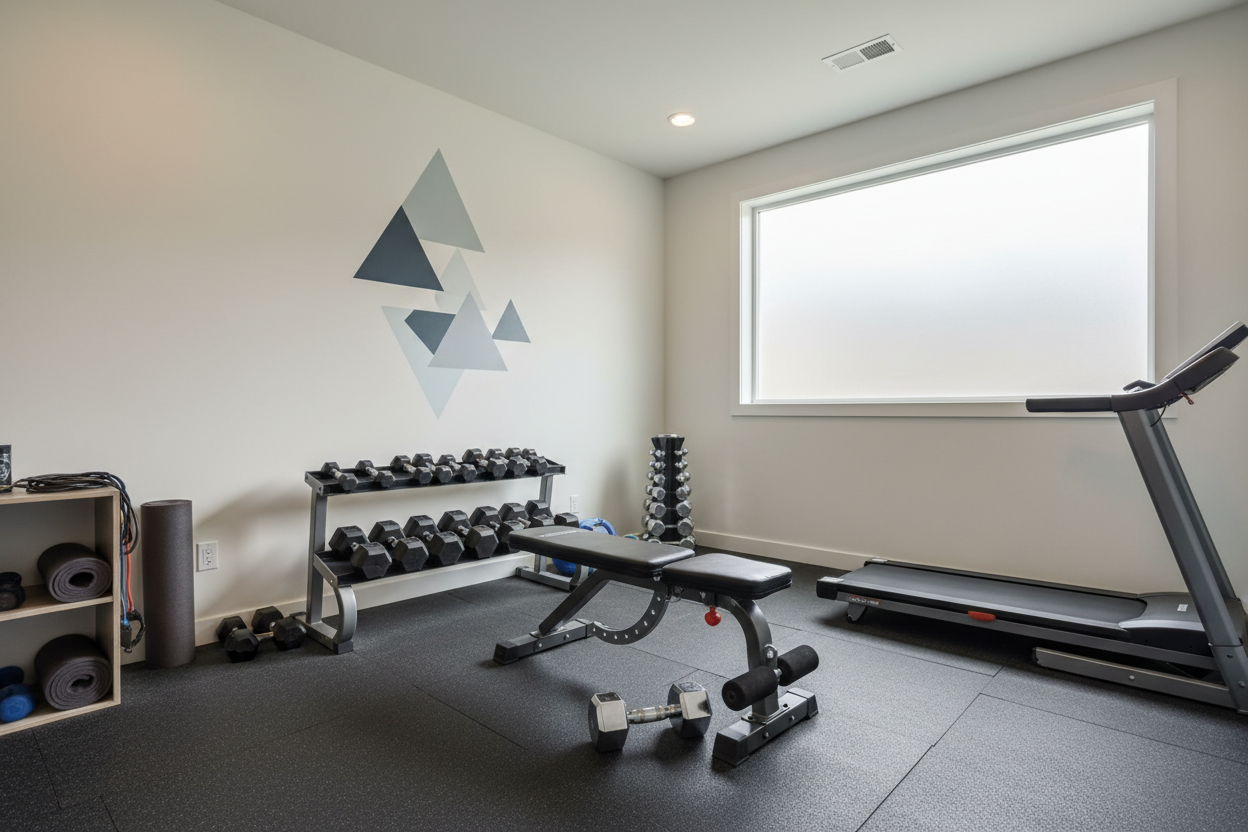
One thing I ignored during my 'bro-split' days was the stuff that didn't have a 'day.' Core work, hip mobility, and specialized recovery always got pushed to the side because they didn't fit into 'Arm Day.' Now, I treat the floor as its own piece of equipment. I’ve realized that if I don't have a dedicated space with high-quality gym flooring for home workout sessions, I simply won't do the mobility work required to keep my 40-year-old knees alive.
I slot my core and mobility work into the 'off' days or at the end of my lower body sessions. Having a 6x8ft space where I can actually sprawl out without hitting a rack upright is vital. It’s where the 'structural' body part workout happens. This is what keeps you in the game long-term. If you’re only focused on what muscles to work each day for aesthetics, you’ll eventually be too beat up to lift anything at all. Don't neglect the foundation.
FAQ
What is the best split for a home gym?
For most people with a rack and a barbell, an Upper/Lower split (4 days a week) or a Push/Pull/Legs split (3 or 6 days a week) is superior to a single-muscle split. It allows for higher frequency and less 'junk' volume.
How many sets should I do per muscle group?
Aim for 10-20 hard sets per muscle group per week. If you're doing more than 10 sets in a single session for one muscle, you're likely hitting the point of diminishing returns.
Can I still do 'Arm Day' occasionally?
Sure, if you have the time and the recovery capacity. But for most natural lifters, your arms will grow more from heavy rows and presses combined with 3-5 sets of direct isolation work twice a week than from one massive 'arm blast' session.
What should I do if I only have 3 days to train?
Stick to Full Body sessions. Hit one squat variation, one hinge, one push, and one pull every time you step into the garage. It’s the most efficient way to ensure no muscle group gets left behind.