I Scoured Every Dumbbells Wiki So You Don't Have To (Here's the Truth)
I spent three hours last night deep in a dumbbells wiki instead of actually lifting. It is a classic trap. You start looking for the grip diameter of a vintage York barbell and end up reading about the history of the 'haltere' in ancient Greece. Meanwhile, your actual weights are gathering dust in the corner of the garage.
We have reached peak information overload. You do not need an encyclopedic knowledge of metallurgy to get strong. You need a heavy piece of iron and the discipline to pick it up repeatedly. I have owned everything from the cheap sand-filled plastic junk to $1,000 adjustable sets, and I am here to tell you that most of what you read online is just noise.
Quick Takeaways
- Stop reading and start lifting; the best routine is the one you actually do.
- Master four foundational movements: squat, press, row, and floor press.
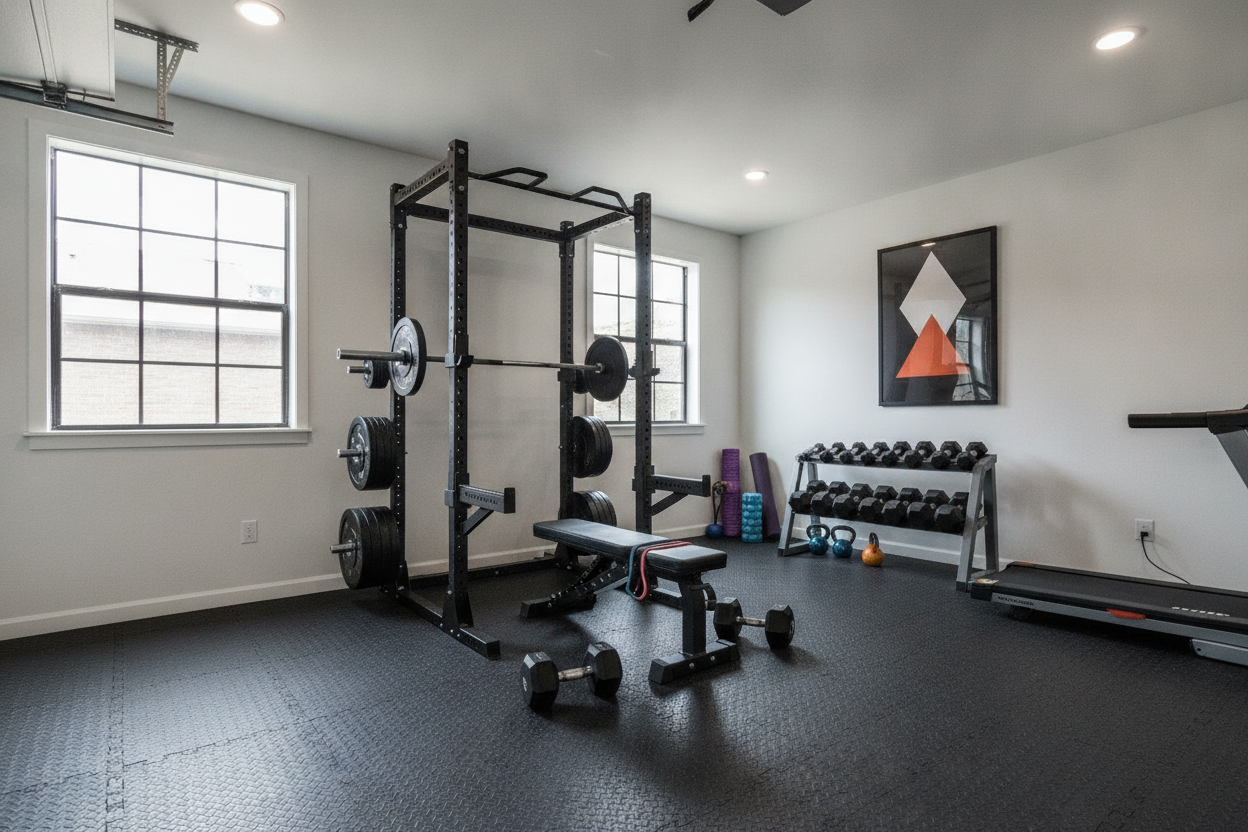
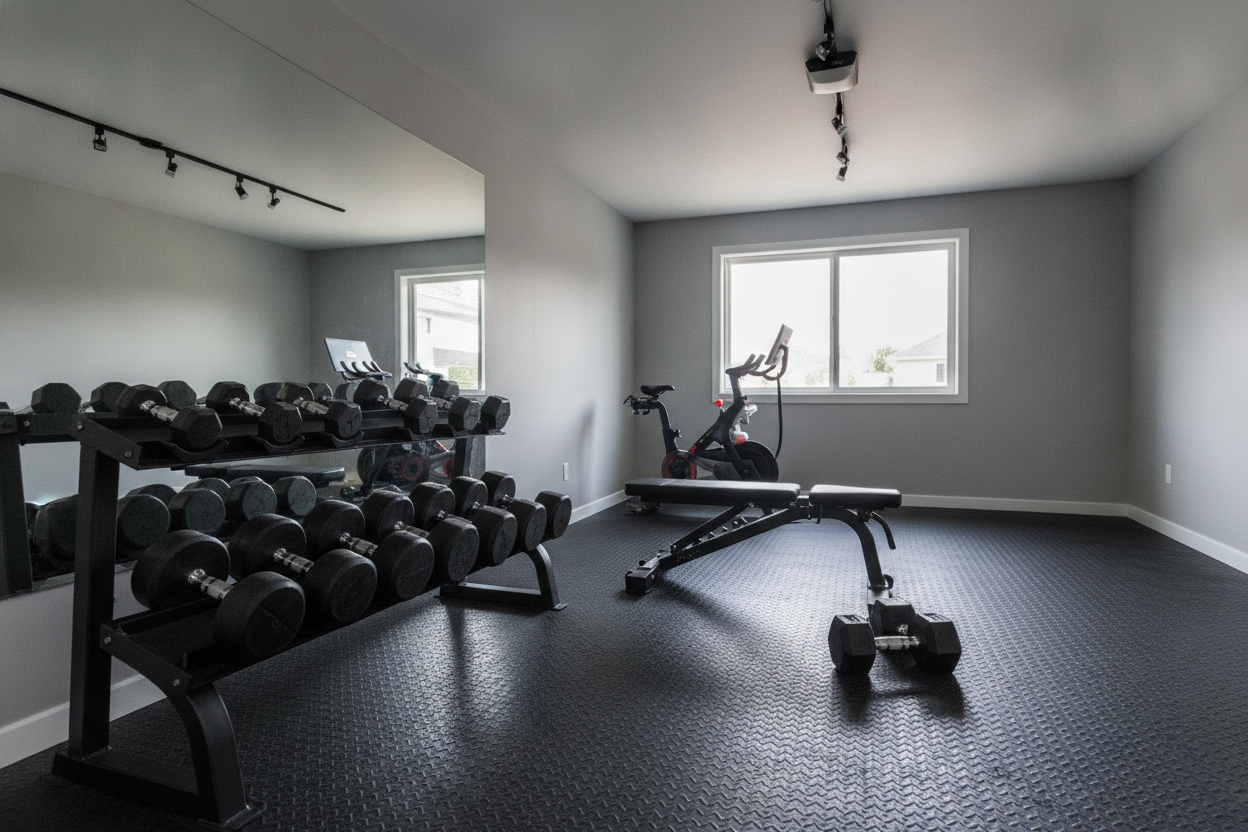
- Rubber hex dumbbells are the gold standard for home gyms—they do not roll and they last forever.
- One heavy dumbbell is more effective than a full rack of light ones you will never use.
Why I Stopped Reading Fitness Databases
The problem with a massive dumbbell wikipedia page is that it treats every piece of information with equal weight. It will give you five paragraphs on the chemical composition of cast iron but zero advice on how to stop your adjustable weights from rattling during a heavy set of rows. Beginners get paralyzed by the options.
I have seen guys spend weeks debating the merits of 12-sided vs. 6-sided heads. Here is the reality: the weight does not know what shape it is. If you are spending more time researching 'knurling patterns' than you are sweating, you are doing it wrong. I stopped reading the databases because they do not build muscle; they just build spreadsheets.
The Only 4 Movements You Actually Need to Know
If you look at a standard dumbbell wiki, you will find 400 variations of the bicep curl. Ignore 399 of them. You can build an elite physique with just four movements. First, the goblet squat. Hold the weight against your chest like a trophy and sit down. It fixes your form automatically.
Second, the overhead press. Do it standing to build core stability. Third, the heavy row. Find a bench or a sturdy table, lean over, and pull that weight to your hip. Finally, the floor press. If you do not have a bench, lie on the floor. It limits your range of motion just enough to protect your shoulders while still torching your triceps.
Yes, You Can Start With Just One Weight
You do not need a 5-to-50lb rack that costs as much as a used car. In fact, starting with a single, moderately heavy weight—say a 35lb or 50lb dumbbell—forces you to get creative. You can see incredible beginner gains by simply following a one dumbbell full body workout in your living room.
Unilateral training—working one side at a time—is the secret sauce. It forces your core to work overtime to keep you from tipping over. It also means you only have to buy one piece of equipment to get started. When that gets easy, buy its twin. Now you have a pair.
My No-BS Rules for Buying Your First Set
Avoid neoprene. Those colorful, soft-touch weights are fine for a 1980s aerobics video, but the handles are usually too thin and the coating eventually peels off in a sticky mess. For a garage gym, buy rubber-coated hex dumbbells. They stay put on the floor, the handles are usually contoured for a better grip, and they can take a beating.
If you are tight on space, look at adjustable blocks. I have used the ones that go up to 90 lbs per hand. They feel a bit like holding a toaster, but they save about 20 square feet of floor space. Just stay away from the cheap knock-offs with plastic adjustment pins. I have seen those pins fail mid-press, and it is a fast way to lose a tooth.
Putting It Together Without Overthinking
The internet wants you to believe that fitness is a complex math problem. It isn't. It is a consistency problem. You can have the most expensive urethane-coated weights in the world, but if they are just used as coat racks, they are worthless. My advice? Close the tabs. Stop looking for the 'perfect' dumbbell wiki entry.
Pick a weight up today. Then do it again tomorrow. I challenge you to stop reading forums and finally commit to a reliable dumbbell workout for the next six weeks. By the time you finish, you will realize that the gear matters far less than the effort you put into it.
Personal Experience: My $200 Mistake
Early on, I bought a set of 'spin-lock' dumbbells because they were cheap. The collars would unscrew themselves during every set. I was doing overhead presses once and a 5lb plate slid off and nearly cracked my skull. I sold them for $20 on Craigslist the next day. Buy quality once, or you will end up buying it twice.
FAQ
Is iron better than rubber?
Iron lasts forever but it is loud and rusts in humid garages. Rubber hex is quieter and easier on your floors, but cheap ones can smell like an old tire for a few weeks.
How heavy should my first dumbbell be?
If you can only buy one, men should usually start with a 35lb or 40lb weight. Women often find a 15lb or 20lb weight is the best 'do-everything' starter size.
Are adjustable dumbbells worth it?
Yes, if you have zero space. No, if you hate the 'clunky' feel. They are slower to change between sets than grabbing a new pair off a rack, but they are much cheaper than buying 10 separate pairs.