Why Bringing a Huge Fitness Machine Home Ruins Your Setup
I remember the day I almost bought a used Life Fitness leg press from a local gym liquidation. It was $400, an absolute steal for a piece of heavy iron that felt like butter. Then I took a tape measure to my garage and realized I would have to choose between hitting leg day and actually having room to breathe. Bringing a massive fitness machine home sounds like the ultimate level-up, but for most of us, it is the quickest way to ruin a perfectly good training space.
Quick Takeaways
- Single-station machines are floor space killers, often requiring 20-30 square feet for one movement.
- Standard residential doorways (30-36 inches) won't fit many commercial welded frames.
- Weight stacks over 200 lbs can put significant point-load stress on residential subfloors.
- Functional trainers and cable towers offer 10x the versatility for the same footprint.
The Commercial Gym Illusion
We have all been there. You finish a session at the local powerhouse gym and think, 'If I just had this exact Pec Deck at home, my chest would explode.' It is a psychological trap. We associate the specific feel of a high-end home gym fitness machine with the progress we made in that commercial environment. We forget that the commercial gym has 10,000 square feet to waste.
The reality is that a single-station machine is designed for high-traffic environments where fifty people need to do one specific thing. In your garage, you are the only user. Buying a 500-pound unit just to do seated rows is like buying a bus to drive yourself to work. It works, but it is incredibly inefficient and makes parking a nightmare.
The Brutal Reality of Footprint vs. Function
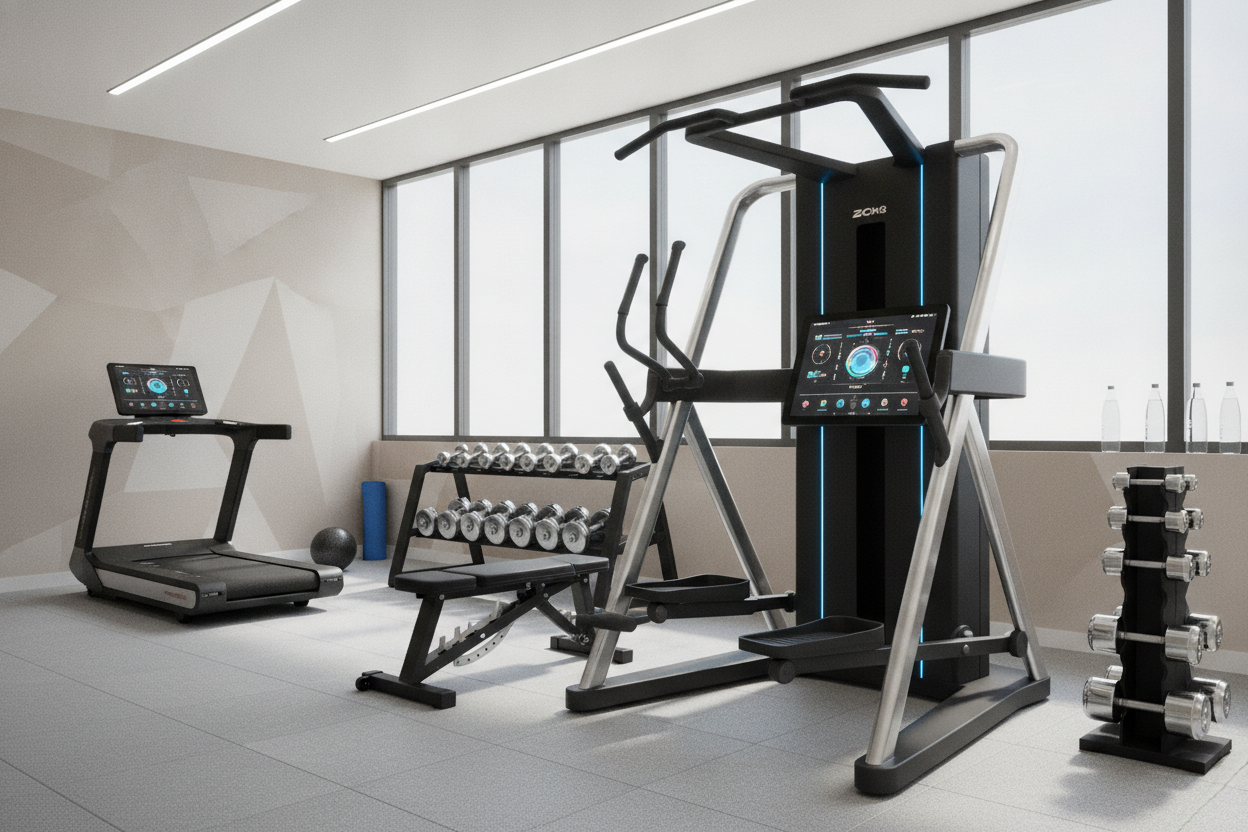
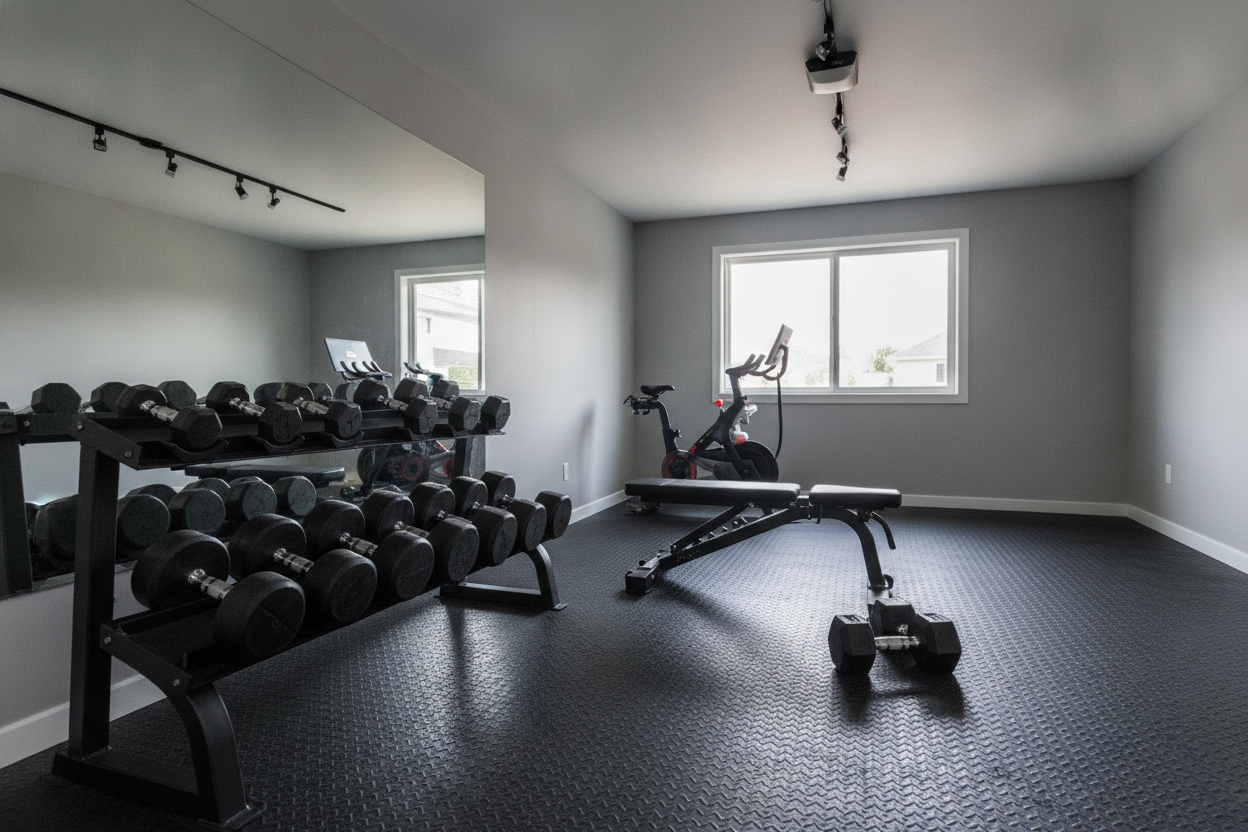
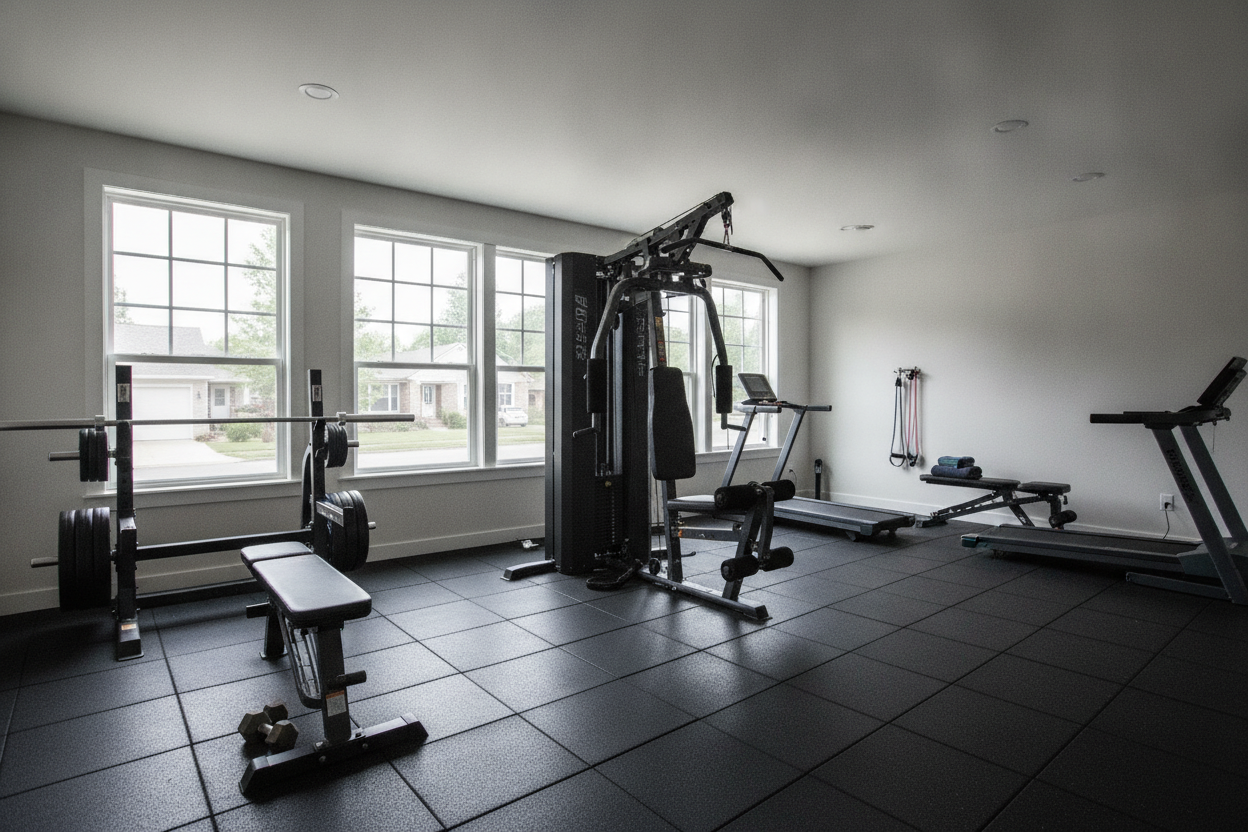
Let's talk numbers. A standard spare room is about 10x10 feet. A commercial-grade leg press or hack squat usually occupies a 5x8 foot area once you account for the 'working space' needed to load plates or move around it. That is 40% of your entire home gym machine equipment area dedicated to one muscle group. If you are not a competitive bodybuilder, that is a terrible return on investment.
I have seen guys cram a gym home system into a basement only to realize they can no longer overhead press because the machine's frame forced their rack into a corner with a low ceiling beam. Flow matters. You need at least 3 feet of 'dead space' around your equipment to move safely. When a machine eats that space, your workouts become a cramped, frustrating chore rather than a release.
Weight Stacks, Freight Delivery, and Floor Loads
Most people forget the logistical nightmare of a home exercise gym machine that arrives on a pallet. Freight companies usually offer 'curbside delivery,' which means they drop a 700-pound crate at the end of your driveway and wish you luck. If that machine has a welded frame, it is not going through your standard 32-inch laundry room door without a sledgehammer and a lot of swearing.
Then there is the weight. A selectorized gym machine home often features a 250-lb or 300-lb weight stack. That weight is concentrated in a tiny area. While a garage slab can usually handle it, a second-floor spare room might not love the constant vibration and point-loading. I have seen cracked tiles and sagging joists from guys trying to turn their guest room into a Gold's Gym. It is not worth the structural risk.
Smarter Alternatives to Single-Station Machines
If you want that machine feel without the machine bulk, look at functional trainers or wall-mounted cable towers. These units take up about 3 square feet of floor space but allow you to perform hundreds of movements. You can replicate almost any gym home fitness equipment experience—from cable crossovers to lat pulldowns—using a single, compact stack.
Instead of five separate machines, focus on mastering your universal machine or a high-quality functional trainer. These systems use pulleys to provide constant tension, which is the main reason people love commercial machines anyway. You get the isolation and the pump without losing the ability to park your car in the garage.
How to Hack Machine Movements with Free Weights
You can replicate the tension curve of an exercise home gym machine using items you probably already own: bands and an adjustable bench. For example, a chest press machine is just a stable version of a dumbbell press. If you struggle with stability, use heavy resistance bands anchored to your power rack to create that 'peak contraction' feel that machines are famous for.
I often point people toward my machine translation guide when they are tempted to buy a leg extension unit. A sissy squat or a Bulgarian split squat performed with a slight deficit can often hit the quads harder than a cheap, jerky home machine. Use your brain, not your credit card, to find the stimulus you're looking for.
The Final Verdict: When Does a Dedicated Machine Make Sense?
I am not a total hater. There are times when a massive machine is the right call. If you are rehabbing a specific injury and need the fixed path of a machine to stay safe, buy it. If you have a 2,000-square-foot pole barn and a six-figure budget, go nuts. But for the rest of us living in the real world of 11-gauge steel and limited floor tiles, modularity wins every time.
Personal Experience: The Row Machine Mistake
A few years ago, I bought a commercial plate-loaded T-bar row. It was a beast—over 7 feet long. I thought it would be the centerpiece of my back training. Within a month, I hated it. Not because it didn't work, but because I had to shimmy sideways like a crab just to get to my dumbbells. I eventually sold it for half what I paid just to get my floor back. Now, I use a $30 landmine attachment and a handle. The pump is the same, and my garage feels like a gym again, not a storage unit.
FAQ
Will a commercial machine fit through a standard door?
Usually, no. Most commercial machines are partially or fully welded. You need to check the 'minimum width' specs before buying. If it's wider than 30 inches, you'll likely be taking it apart or removing door frames.
Do I need special flooring for a heavy weight stack?
At minimum, you need 3/4-inch horse stall mats. If you're on a second floor, you might need a weight distribution platform to prevent the feet of the machine from sinking into the subfloor over time.
Are plate-loaded machines better than selectorized ones for home?
Plate-loaded is usually better for home use because the machines are lighter to move (since you provide the weight) and they are typically cheaper. However, they still have the same massive footprint issues.