I Tested a Working Out Machine That Promised to Do the Work for Me
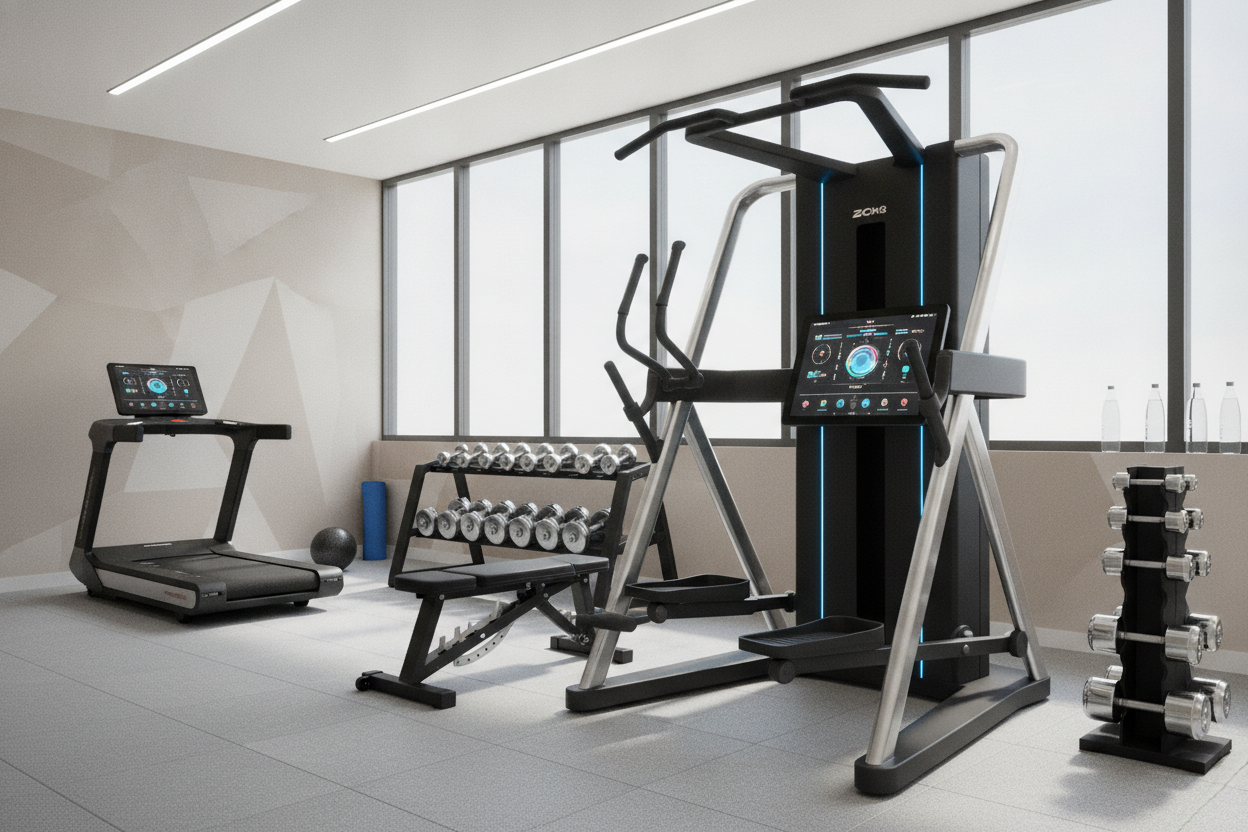
I was scrolling through my feed at 2 AM, nursing a sore shoulder from a heavy bench day, when I saw it: a sleek, glowing box that promised the 'perfect' workout without the grind. It felt like the ultimate shortcut. We've all been there, looking for a working out machine that takes the guesswork out of the equation when the thought of another set of five-by-five feels like a chore.
For many, An Exercise Introduction That Won't Make You Hate Working Out starts with a search for something—anything—that makes movement feel less like a punishment. But as someone who has spent years in a garage gym surrounded by iron, I had to know if these high-tech 'passive' trainers were legit or just expensive paperweights.
Quick Takeaways
- Motorized resistance is excellent for data tracking but often feels 'sterile' compared to real weights.
- Passive machines that move for you will not build significant muscle mass or strength.
- You lose critical stabilization and core engagement when a machine handles the balance.
- Analog equipment remains the most cost-effective way to see actual physical changes.
The Seductive Promise of 'Effortless' Fitness
The fitness industry has been trying to sell us 'effortless' results since the 1950s. Remember those old-school vibrating belts that were supposed to shake the fat off your midsection? Or the 90s ab-zappers that promised a six-pack while you sat on the couch? The technology has evolved, but the pitch hasn't. Today, it’s AI-driven motors and magnetic resistance units that claim to optimize every micro-second of your lift.
The appeal is obvious. Training is hard. It’s sweaty, it’s loud, and sometimes it’s boring. If a machine can automate the resistance, adjust the weight for you, and track every rep, why wouldn't you buy it? The problem is that the 'struggle' is actually the point. Without the physical and mental tax of moving a load, your body has no reason to adapt.
Putting a Smart Working Out Machine to the Test
I spent 30 days with a high-end motorized resistance unit. This thing is a marvel of engineering—a wall-mounted box that can generate up to 200 lbs of digital tension. There are no plates to clank, no pins to pull. You just slide a bar on a screen. I followed its 'hypertrophy' program religiously, letting the machine decide exactly how much weight I should be pulling based on my previous set's velocity.
The first thing I noticed was the noise—or lack thereof. It’s a low hum, which is great if you’re training in an apartment at 5 AM. But the 'feel' was off. Because the motor is constantly adjusting to your power output, you never get that satisfying 'pop' at the top of a rep. It felt like pulling a giant rubber band. It’s efficient, sure, but it’s missing the soul of a heavy barbell.
Do Machines That Exercise for You Actually Build Muscle?
Let’s get into the science. The term machines that exercise for you is a fundamental misunderstanding of how the human body works. Hypertrophy—muscle growth—requires three things: mechanical tension, metabolic stress, and muscle damage. If a machine is doing the 'work' by moving your limbs through a range of motion (passive exercise), you are missing the most important ingredient: voluntary muscle contraction.
Passive machines are great for physical therapy or increasing blood flow in recovery, but they won't build a 400-lb deadlift. To grow, your nervous system has to recruit motor units to fight against an external force. If the machine is the one providing the movement, your muscles are just along for the ride. You might feel a tingle, but you aren't building a physique.
The Hidden Cost of a Machine That Works Out for You
The biggest downside of using a machine that works out for you isn't just the price tag—it's what you lose in the process. When I switched back to my power rack after the 30-day experiment, my stabilizers were shot. I felt shaky under a measly 185 lbs on the bench. Because the smart machine handled all the balancing, my core and rotator cuffs had essentially taken a month-long vacation.
There is also the 'neural' cost. Learning how to grind through a difficult rep is a skill. When a machine detects you're struggling and automatically drops the resistance to 'help' you finish, it robs you of the mental toughness required for real progress. You’re training yourself to quit the moment things get heavy.
What to Buy When You're Ready to Actually Sweat
If you want results that show up in the mirror and on the scale, you need to ditch the gimmicks. You don't need a digital brain to tell you that a weight is heavy. You need a solid foundation of analog gear that requires your active participation. This doesn't mean you need a commercial gym membership, though.
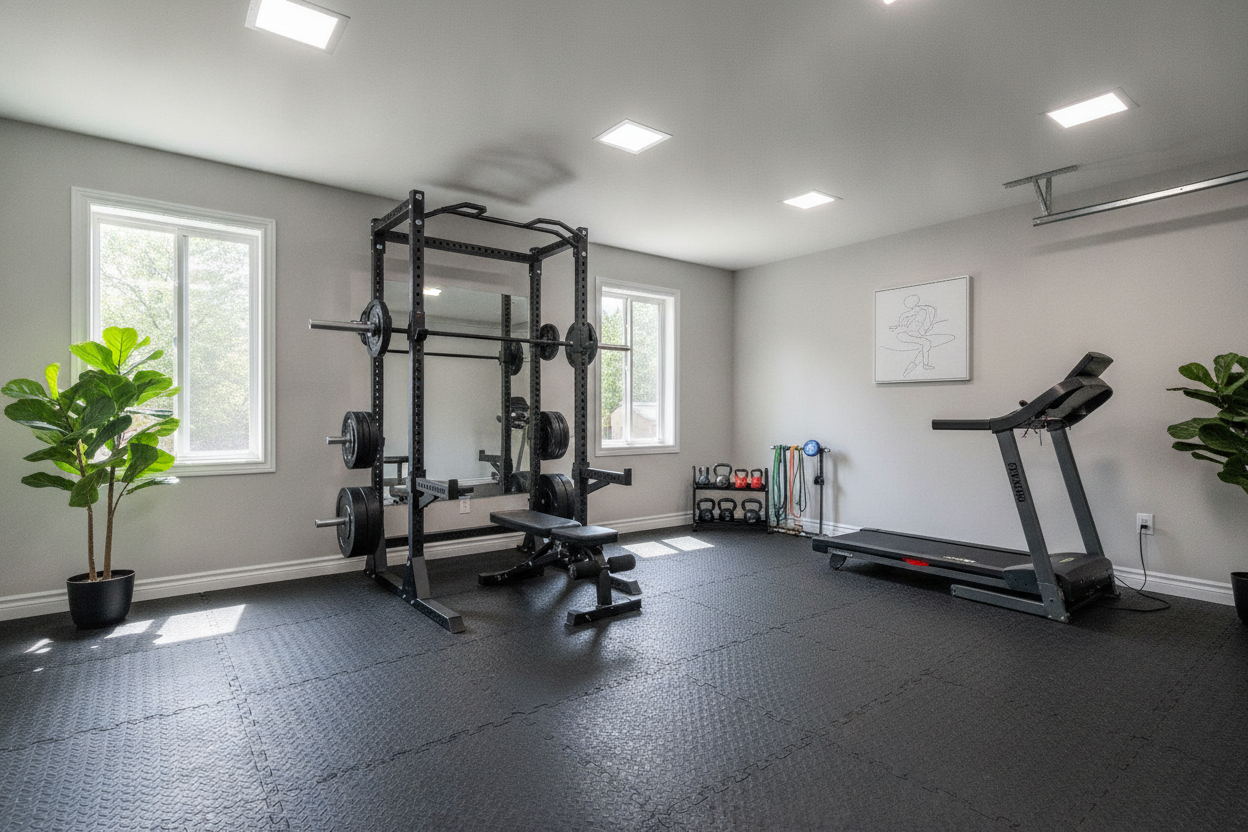
You might be asking, Can You Replicate Commercial Machines for Working Out at Home? Absolutely. A sturdy power rack, a decent barbell, and a set of iron plates will outperform a 'smart' machine every single time. It’s not about the tech; it’s about the tension. Invest in gear that makes you work, not gear that works for you.
FAQ
Do vibration plates actually burn fat?
No. Vibration plates can help with lymphatic drainage and bone density, but they don't burn significant calories. You still have to do the work.
Is motorized resistance better than free weights?
It's different. It's great for isolation and data, but it lacks the functional carryover and stabilization requirements of a barbell or dumbbell.
Can I get fit using only passive exercise machines?
Only if your definition of 'fit' is slightly better circulation. For muscle growth and cardiovascular health, you need active, strenuous movement.