I Picked One Heavy Exercise for Each Glute Muscle
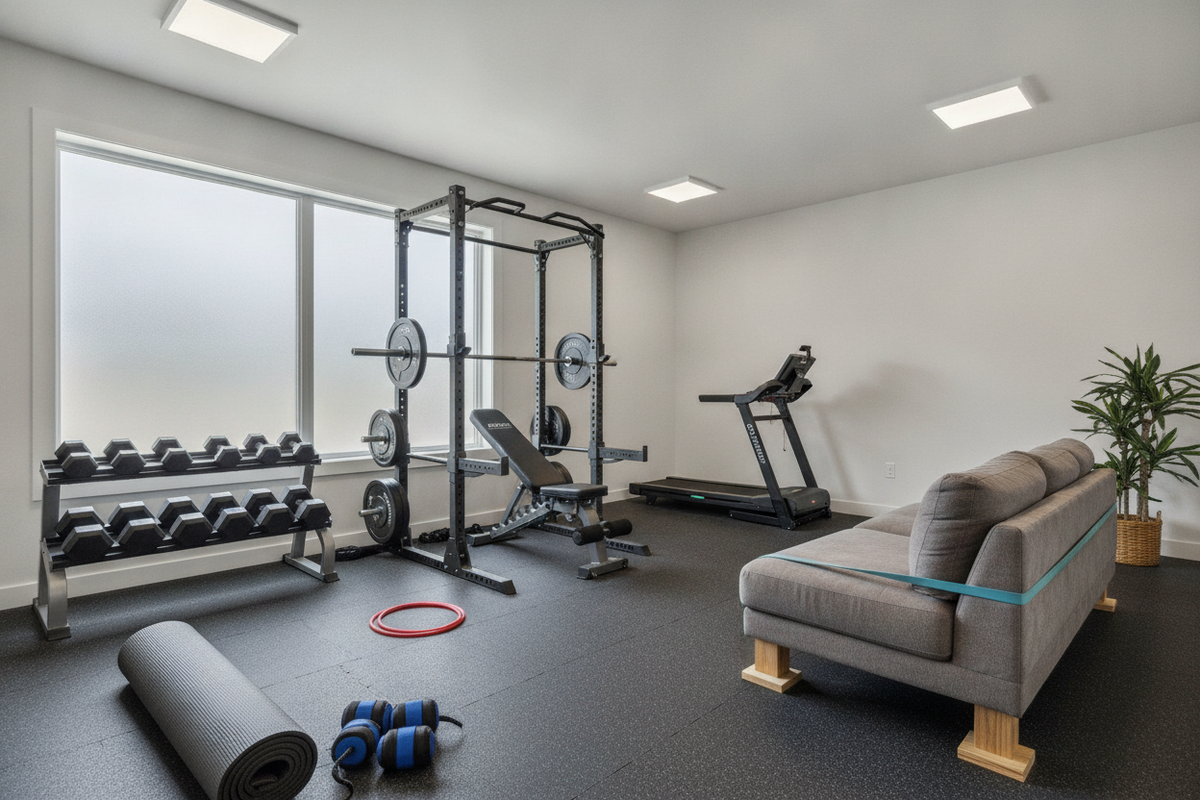
I spent years thinking glute training was strictly for people looking to sell tea on Instagram. My garage gym was a shrine to the big three—squat, bench, and deadlift—and I figured my posterior chain was doing just fine. Then my squat plateaued, my knees started caving on heavy singles, and my lower back felt like it was made of dry kindling. I realized that picking a specific exercise for each glute muscle wasn't just about aesthetics; it was about not falling apart under a 400-pound barbell.
- Endless high-rep band circuits won't build the strength needed for heavy lifting.
- The Maximus requires heavy horizontal or vertical loading to grow.
- Medius work is your best insurance policy against knee cave (valgus).
- The Minimus is small but vital for keeping your pelvis level during unilateral movements.
Anatomy Class Is Boring (But You Need This)
You have three distinct muscles back there, not just one big slab of meat. Most lifters only ever hit the Maximus and wonder why their hips feel 'tight' or unstable. When you understand that targeting different glute regions is a requirement for hip health, your programming changes. The Maximus is your prime mover for extension, while the Medius and Minimus handle stabilization and rotation. Understanding how to target every muscle for a stronger shape is the first step to building a posterior that actually functions under load.
Maximus: The Raw Power Generator
This is the largest muscle in your body, and it responds to heavy weight. If you aren't doing the Barbell Hip Thrust, you're leaving pounds on your deadlift. Unlike the squat, the hip thrust keeps constant tension on the glutes at the top of the movement. I prefer using a dedicated Gxmmat Glute Bench because it doesn't slide across my garage floor like a standard utility bench often does. When you're looking at glute workouts and what they target, the Maximus is always the priority for raw power and hip extension. Load it heavy, pause at the top, and feel the difference in your lockout.
Medius: Your Heavy Squat Insurance
If your knees dive inward the second you hit the hole in a heavy squat, your Glute Medius is likely weak. This muscle sits on the side of your hip and its main job is abduction and stabilization. Instead of those flimsy 'monster walks' with a light resistance band, I go for weighted Bulgarian Split Squats. This unilateral monster forces the Medius to fire overtime to keep your torso upright and your knee tracked over your toes. It is the most painful exercise in my rotation, but it's the only way to build the lateral stability needed for a 500-lb squat attempt.
Minimus: The Hidden Hip Fixer
The Glute Minimus is the deepest of the three and it's often the most neglected. It works with the Medius to stabilize the pelvis. If this muscle is weak, you'll feel your hips shifting or 'hiking' when you walk or run. I hit these with weighted side-lying leg raises or controlled 'clamshells' using a small plate for resistance. Since these are floor-based, I use a large exercise mat for home gym sessions to protect my joints. It might feel like 'rehab' work, but it's the final piece in completing the workouts for each glute muscle to ensure your pelvis stays level under heavy loads.
How I Program This Without Living at the Gym
You don't need a dedicated 'glute day' to see results. I slot these into my existing upper/lower split. The Maximus work happens on my primary deadlift day. The Medius work is my main accessory on squat day. The Minimus work is done as a warm-up or 'filler' between sets of upper body work. If you're trying to figure out how to balance this with your other goals, check out my guide on the best exercise for each muscle. The goal is to build a body that’s as strong as it looks, without spending three hours a day in your garage.
How many times a week should I train glutes?
For most strength athletes, twice a week is the sweet spot. One day focused on heavy extension (Maximus) and one day focused on unilateral stability (Medius/Minimus) is plenty.
Can I just squat for glute growth?
Squats are great, but they are quad-dominant for many people. If you want full development, you need to add movements that isolate the hip extension and abduction functions specifically.
Do I need fancy machines for this?
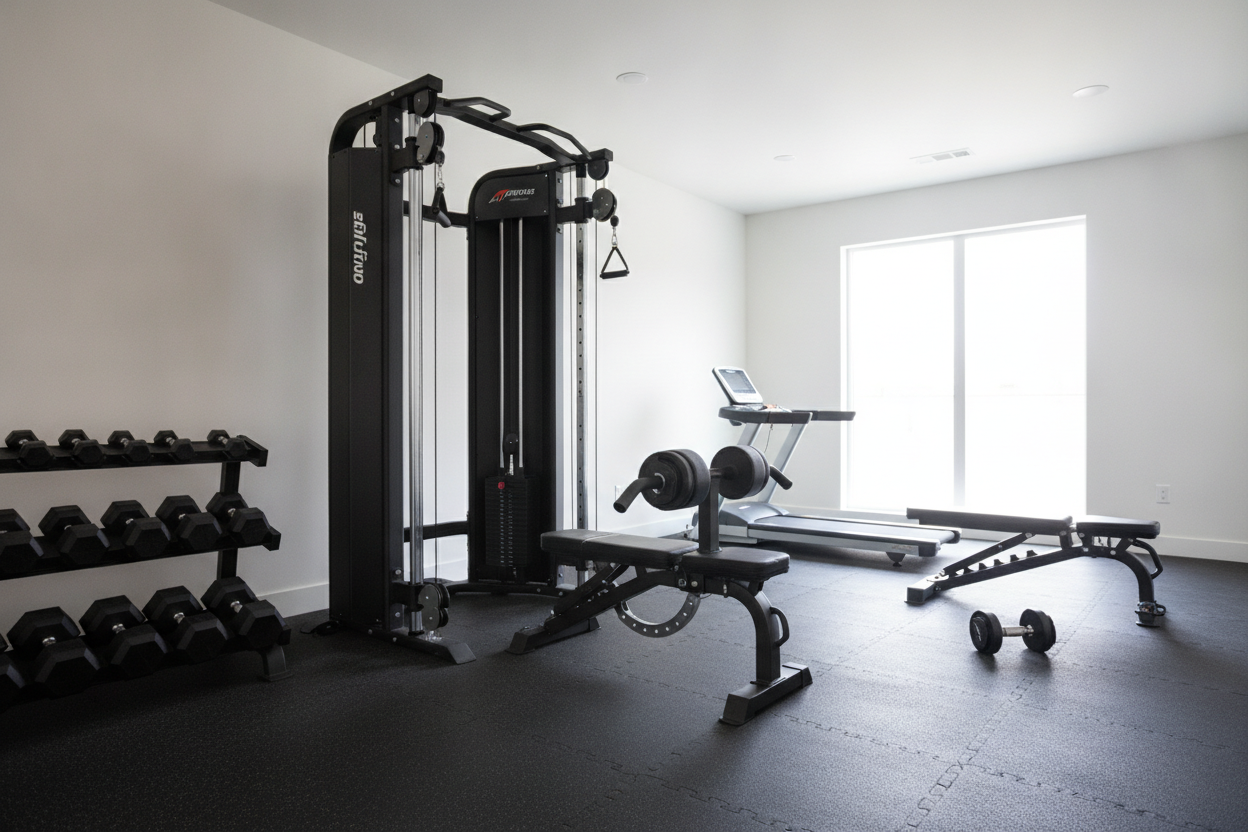
No. A barbell, some plates, a solid bench, and a mat are all you need. Don't let the fancy gym machines fool you; free weights always build more stability.