I Negotiated With 3 Gymnasium Equipment Dealers (Here's What Happened)
I was staring at a $4,500 quote for a dual-adjustable pulley from a 'premium' home fitness brand when I realized something. The specs were identical to the machine I used at my local YMCA, but that one had survived a decade of abuse. I was being charged a massive premium for fancy marketing and a sleek website. I decided right then to stop being a standard consumer and start acting like a facility manager to see if I could get real gymnasium equipment without the retail tax.
- True commercial dealers expect you to know your specs before you call.
- Shipping a single 400-lb machine via LTL freight can cost as much as the discount you negotiated.
- Residential warranties are often better than commercial ones for solo lifters.
- If you aren't buying at least three pieces, many wholesalers won't give you the time of day.
The Retail Markup Trap (And Why I Looked Elsewhere)
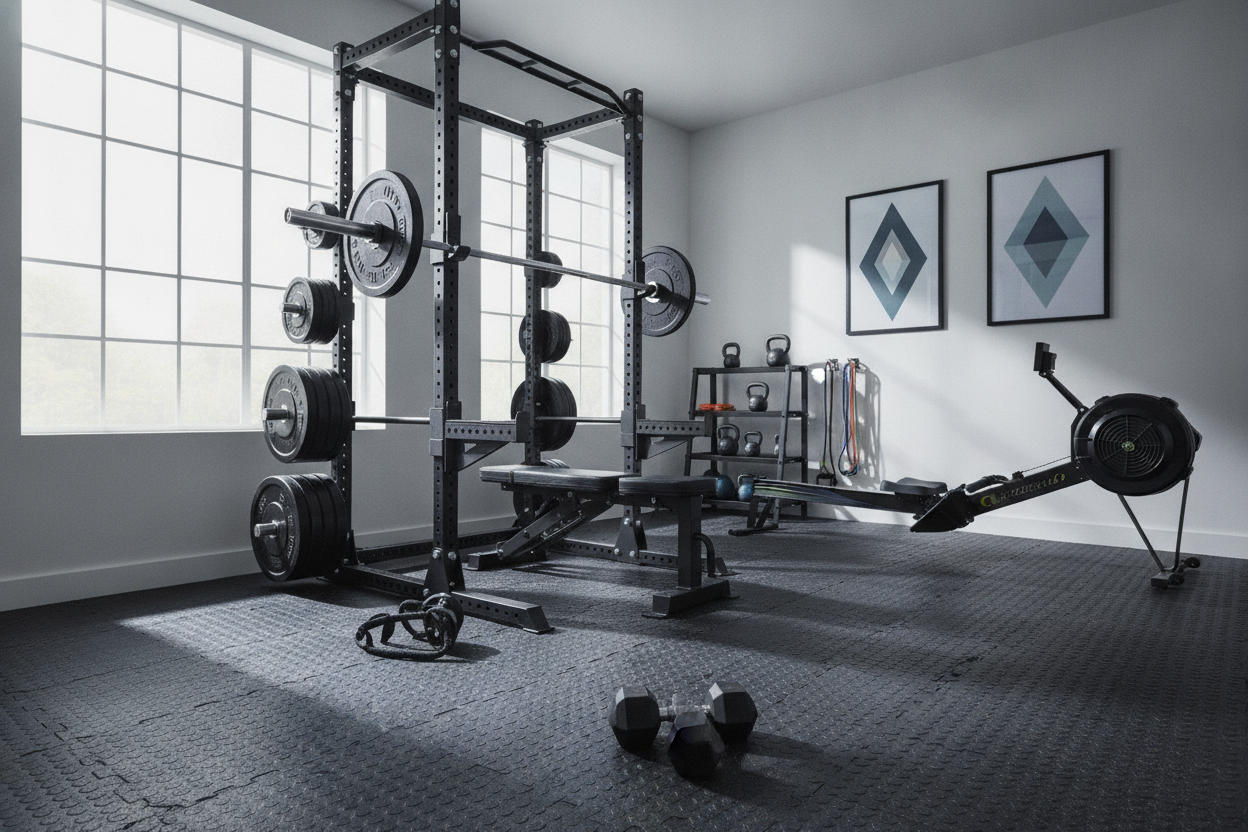
The markup on home-grade gear is staggering. When you buy from a big-box store, you're paying for their storefront, their TV ads, and three layers of middlemen. I've seen 'pro' racks made of thin 14-gauge steel selling for $800, while the stuff used in high schools is 11-gauge beef that could support a literal truck. Stop Buying Gymnasium And Exercise Equipment Until You Read This if you think a shiny logo equals durability.
I wanted the heavy stuff—the kind of gear that doesn't wobble when a 250-lb guy does pull-ups. To get it, I had to step outside the cozy world of Amazon Prime and start hunting down actual gymnasium equipment dealers who usually only talk to school boards and franchise owners.
Cold Calling Exercise Equipment Dealers: A Survival Guide
The first thing I learned? Don't tell them it's for your garage right away. If you sound like a hobbyist, they'll quote you MSRP and hang up. I started using terms like 'facility footprint,' 'bolting requirements,' and 'LTL delivery with liftgate.' You need to sound like you have a plan. I spent a week reading Gymnasium Equipment The Definitive Buyers Guide For 2024 just so I wouldn't trip over my own feet when a sales rep asked about my ceiling height.
Of the three exercise equipment dealers I called, two were willing to talk. The third told me they don't sell 'onesies.' The trick is finding a rep who has a quota to hit and doesn't mind a quick, clean sale to a guy who already knows exactly what SKU he wants.
Spotting Fake Wholesale vs. True Gymnasium Equipment Dealers
Not everyone with a warehouse is a dealer. I ran into several 'liquidators' who were just selling beat-up trade-ins from Gold's Gym for 80% of the original price. A true dealer has a direct line to the manufacturer and can get you 'new in box' institutional gear. If their website looks like it was built in 1998 and they ask for a tax ID, you're probably in the right place. If it's full of lifestyle photos of people smiling while doing yoga, you're at a retail shop.
The Freight Catch That Will Eat Your Budget Alive
This is where my plan almost fell apart. I negotiated a killer price on a selectorized lat pulldown—about $600 off the retail price. Then the freight quote hit. Because it’s a 500-lb crate coming on a semi-truck, the shipping was $450. Since I don't have a loading dock at my house, they tacked on another $100 for a 'liftgate fee' and a 'residential delivery surcharge.'
Suddenly, my 'wholesale' deal was only $50 cheaper than the retail version, and I didn't even get a warranty that covered residential use. Before you commit, check some Home Gym Equipment Deals to see if a consumer brand offers free shipping. Sometimes the 'expensive' retail price is actually cheaper once you factor in the logistics of moving industrial iron.
Does Your Garage Actually Need Commercial-Grade Gear?
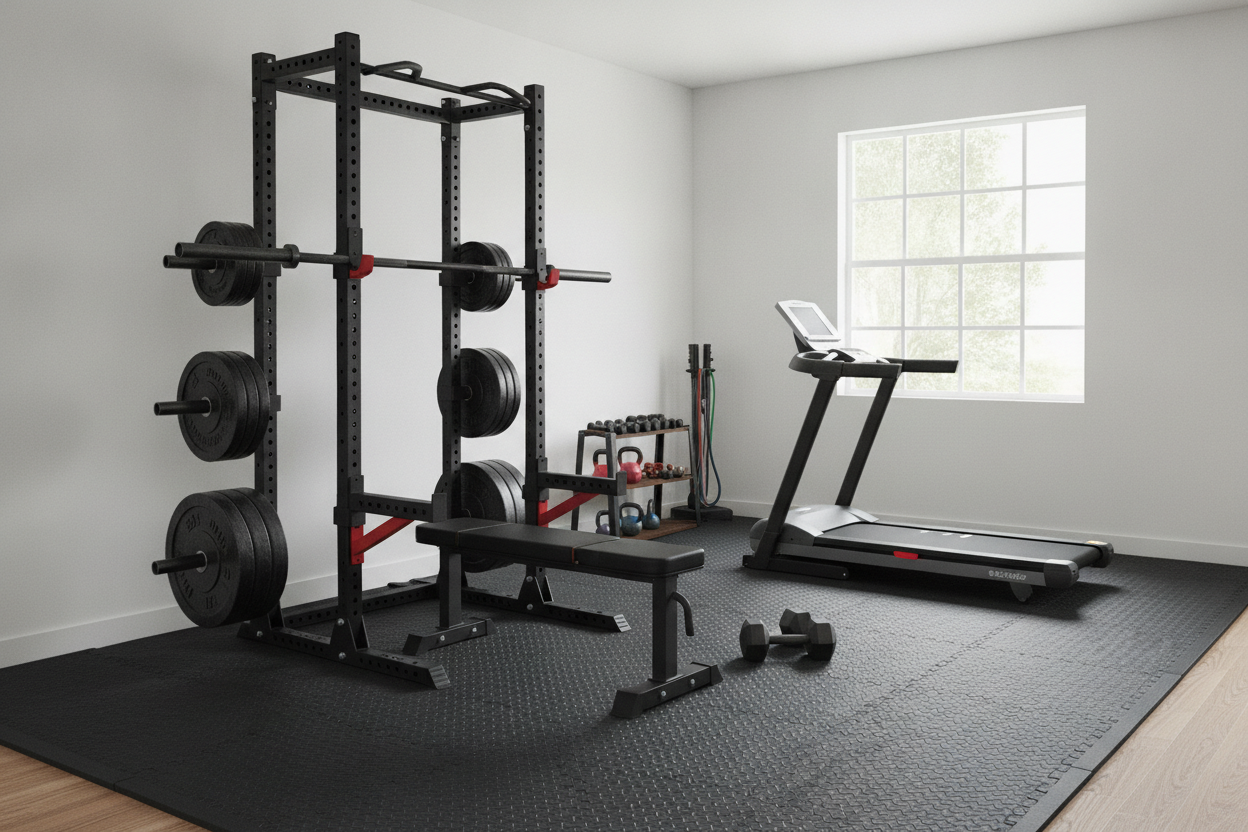
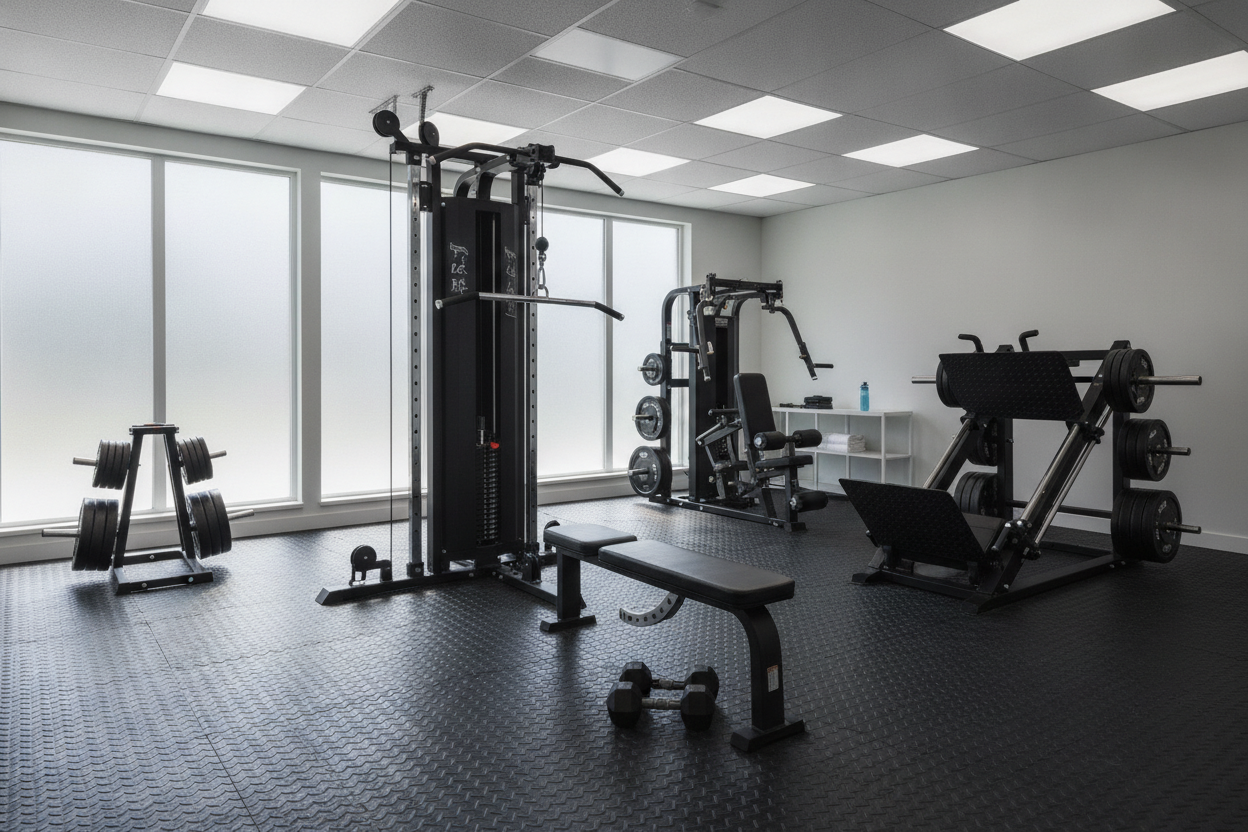
Commercial gear is built for 18 hours of daily use. Your garage sees maybe 90 minutes. I love my commercial leg press, but it takes up a 4x8 foot area and weighs nearly 600 lbs. I had to reinforce my floor because I was terrified of cracking the slab when I dropped the carriage. You absolutely must have a Large Exercise Mat 6X4 or industrial stall mats if you're bringing this level of hardware home.
The footprint is the real killer. Commercial machines aren't designed to save space; they're designed to be indestructible. If you're working in a single-car garage, that 'great deal' on a commercial cable crossover might mean you can no longer fit your power rack.
When to Haggle and When to Just Buy Retail
My experiment taught me that for 90% of lifters, retail is actually better. You get a better warranty, easier assembly instructions, and shipping that doesn't require a forklift. However, if you are building a high-end studio or want a specific piece of strength equipment like a belt squat or a functional trainer, the dealer route is the only way to get true 7-gauge or 11-gauge steel. For standard racks and plates, stick to the Strength Equipment collections from reputable home gym brands. The headache of dealing with B2B logistics just isn't worth it for a pair of 45-lb bumpers.
FAQ
Can individuals buy from commercial gym dealers?
Yes, but you need to be professional. Know your SKUs, have your measurements ready, and be prepared to pay for expensive LTL freight. Don't expect 'white glove' assembly service.
Is commercial gym equipment actually better?
It's more durable and usually has smoother movement thanks to higher-quality bearings and thicker steel. However, it often lacks the 'comfort' features of home gear, like accessory holders or compact folding designs.
What is LTL shipping?
It stands for 'Less Than Truckload.' It means your equipment is on a pallet in a massive 53-foot trailer. You will need to be home for delivery, and you’ll likely need to help the driver get it off the truck if you didn't pay for a liftgate.