Stop Buying Gymnasium and Exercise Equipment Until You Read This
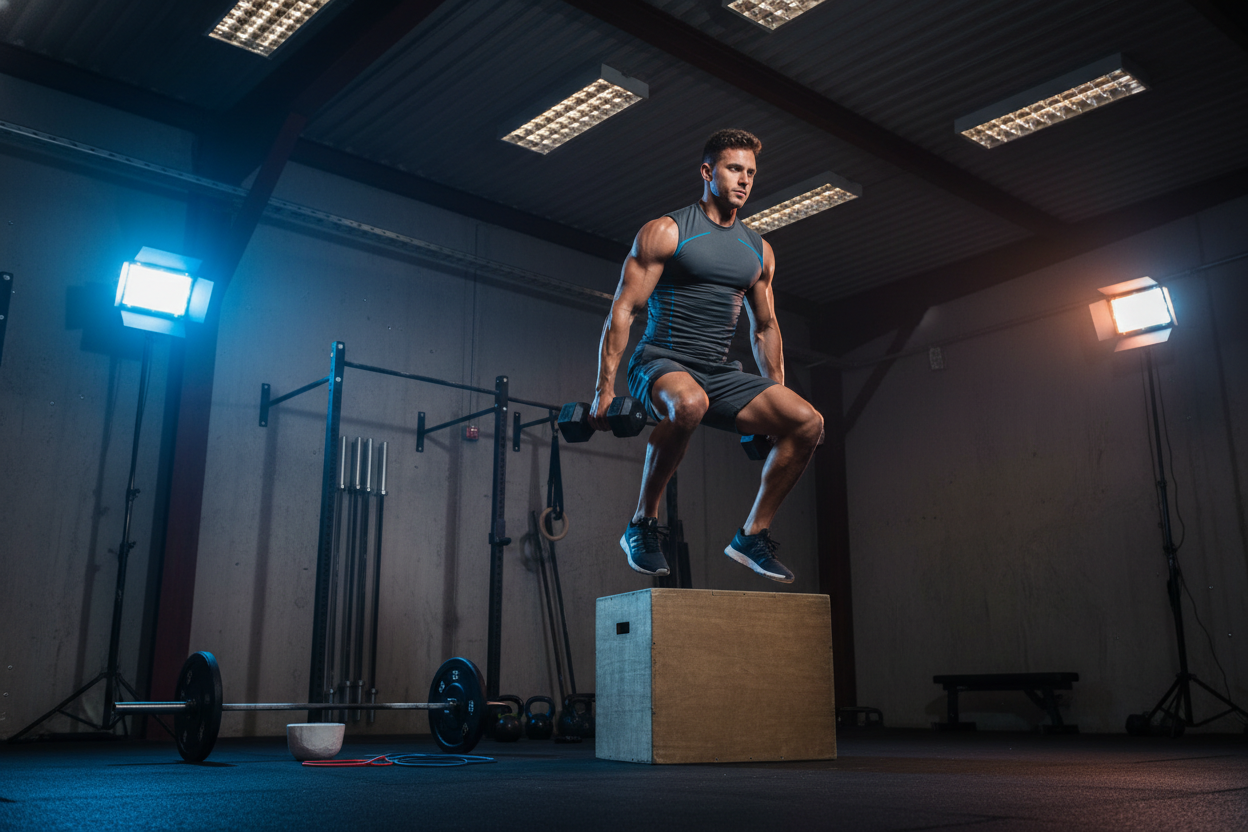
You have likely seen the garage sales filled with rusting stationary bikes and weight benches used as expensive coat racks. This happens when enthusiasm outpaces education. Building a training space—whether a commercial facility or a garage setup—requires more than just a credit card and a browser tab open to generic gymnasium and exercise equipment listings.
The market is flooded with low-quality knockoffs hiding behind glossy product photography. If you want gear that survives heavy training sessions and actually contributes to your hypertrophy or performance goals, you need a sourcing strategy, not just a shopping cart.
Key Takeaways: Sourcing Quality Gear
- Define Your Footprint: Measure your floor space specifically for functional movement, not just the machine's static dimensions.
- Check the Gauge: For racks and benches, look for 11-gauge steel or lower (thicker). Anything higher than 14-gauge is risky for heavy lifting.
- Verify the Vendor: Stick to specialized fitness gear websites rather than general big-box marketplaces to ensure warranty support.
- Test the Biomechanics: If you can't test in person, watch video reviews that analyze the strength curve, not just the aesthetics.
- Shipping Logistics: When doing online gym equipment shopping, always account for freight delivery costs, which can add hundreds to the final price.
The Reality of Online Gym Products
The internet has democratized access to elite gear. Ten years ago, you had to call a commercial rep to get a decent power rack. Now, you can find home gym equipment online that rivals what you see in professional sports facilities. However, this accessibility comes with a noise problem.
Many fitness stores online are simply dropshipping generic equipment from overseas factories with zero quality control. The welds might look fine in a JPEG, but they tell a different story when you have 300 pounds on your back.
Distinguishing Commercial vs. Residential
When you browse exercise machines online, you will see terms like "light commercial" and "residential." Here is the translation:
Residential gear is often bolted together with plastic bushings. It feels clunky. "Light commercial" usually bridges the gap, offering smoother bearings and heavier steel, making it the sweet spot for serious home exercise equipment online.
How to Vet Fitness Gear Websites
Not all fitness gear websites are created equal. When you are looking to buy equipment fitness enthusiasts respect, look for the following trust signals:
- Detailed Specs: Do they list the tensile strength of the barbell? Do they specify the foam density of the bench pad?
- Spare Parts Availability: Can you buy a replacement cable or pulley wheel? If not, that machine is disposable.
- Community Feedback: Look for reviews on forums like Reddit or Bodybuilding.com, not just the 5-star ratings on their own site.
The Logistics of Online Gym Equipment Shopping
Ordering home fitness equipment online is different from ordering a book. We are talking about freight shipping. A common mistake is ignoring the delivery terms. Curbside delivery means exactly that—the driver drops a 500lb pallet at the end of your driveway. If you live in an apartment or have a steep driveway, you need a plan to move that iron.
My Personal Experience with Gymnasium and Exercise Equipment
Let me tell you about a mistake I made early in my lifting career so you don't have to repeat it. I was trying to save money on a barbell for my garage setup. I found a "standard Olympic bar" on a generic marketplace for about $100. It looked shiny and had decent reviews from casual users.
The first time I tried to deadlift anything over 315 lbs, the difference was terrifying. The knurling (the grip texture) was so passive it felt like holding a smooth pipe, forcing me to over-grip and torch my forearms. But the real issue was the whip. When I locked out the lift, the bar didn't have that controlled flex; it had a weird, noodle-like wobble that threw me off balance.
Worse yet, the sleeves didn't spin freely. During a clean and jerk, the rotation seized up, transferring all that torque directly into my wrists. I sold it for scrap metal two weeks later and bought a proper scren-tested bar. You cannot assess the "feel" of steel through a picture.
Conclusion
Building a training environment is an investment in your physical longevity. Don't cut corners on the items that connect you to the weight—the bar, the bench, and the floor. By carefully vetting fitness stores online and understanding the specs, you can build a facility that demands respect and delivers results.
Frequently Asked Questions
What is the difference between standard and Olympic gym equipment?
Standard equipment usually utilizes 1-inch holes for plates and bars and has a lower weight capacity. Olympic equipment uses 2-inch sleeves, handles significantly heavier loads, and is the industry standard for most home gym equipment online.
Is it safe to buy refurbished exercise machines online?
Yes, but only from reputable dealers who specialize in remanufacturing. They strip the machines down, replace belts, decks, and bearings, and offer a warranty. Buying used directly from a previous owner is riskier as you cannot verify the maintenance history.
How much space do I really need for a home gym?
While you can fit a rack in a small room, you need to account for "working space." For a barbell setup, you need at least a 10x10 foot area to load plates safely and move around the bar without hitting walls.