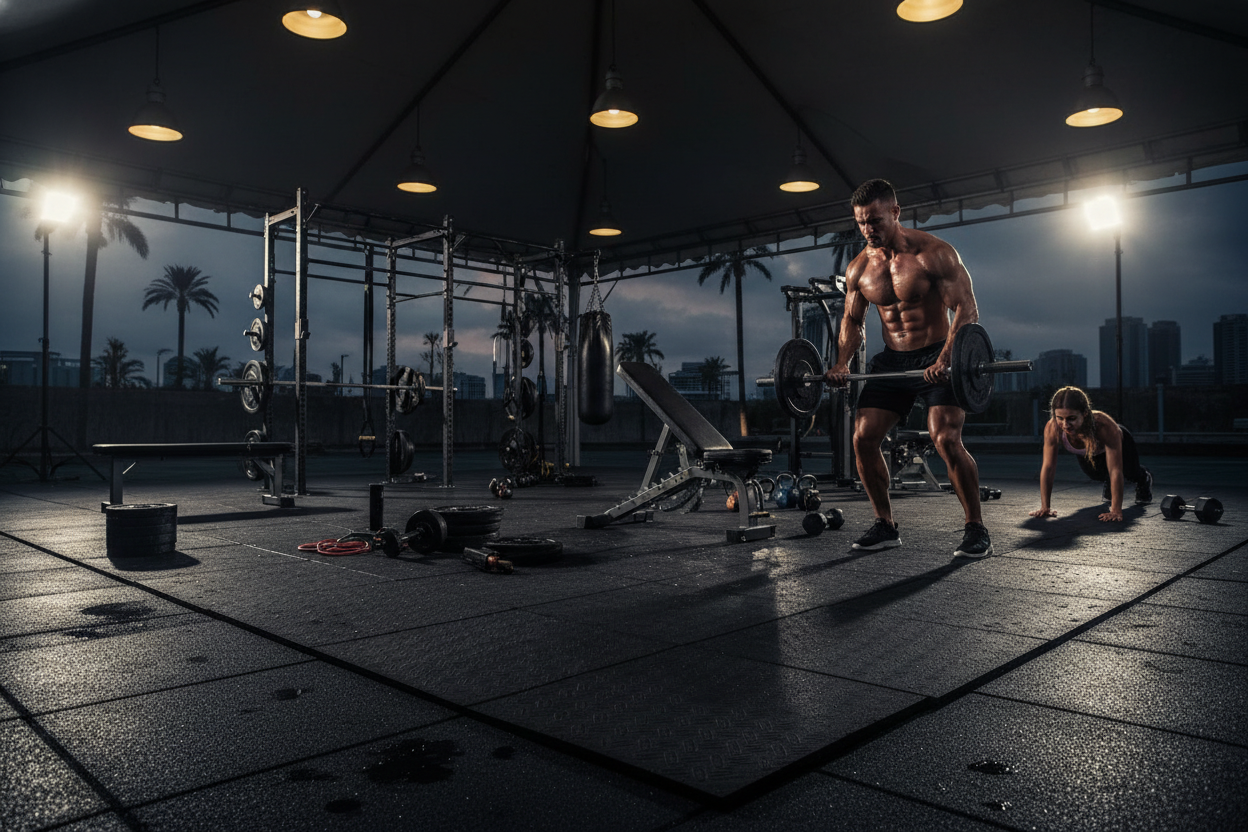
Gymnasium Equipment: The Definitive Buyer’s Guide for 2024
You can hear the difference between a high-quality facility and a budget setup the moment you walk through the door. It isn’t just the visual aesthetic; it’s the acoustics. Cheap gear rattles. Premium gear absorbs impact.
Building a commercial space or a high-end home setup requires more than just browsing a catalog. It requires understanding biomechanics, steel tensile strength, and long-term asset depreciation. If you get this wrong, you aren't just wasting money; you are risking liability.
This guide cuts through the marketing noise to help you select the right gymnasium equipment that withstands heavy traffic and keeps members coming back.
Key Takeaways: Quick Summary
- Steel Gauge Matters: For commercial use, never go higher than 11-gauge steel. The lower the number, the thicker and safer the frame.
- Dealer Vetting: Your relationship with exercise equipment dealers is more important than the brand name; service contracts define longevity.
- Biomechanics over Brand: Test the equipment. A machine should align with natural joint movement, not force the user into an unnatural path.
- Floor Plan Flow: Equipment density affects safety. Leave adequate clearance zones between strength and cardio stations.
The Science of Durability: What lies beneath the paint?
Most buyers look at the upholstery and the screen interface. That is a mistake. The integrity of your gym depends on the chassis.
When evaluating strength machines, you need to look at the welding and the steel gauge. Commercial environments demand 11-gauge or 7-gauge steel. Anything thinner (like the 14-gauge steel often found in big-box retail stores) will warp under the stress of 24/7 usage.
Look for continuous welds rather than spot welds. Continuous welds distribute stress evenly across the joint, whereas spot welds create pressure points that eventually crack under heavy loads.
Navigating the Dealer Landscape
One of the biggest hurdles facility managers face is choosing where to buy. Direct-to-consumer websites might save you upfront cash, but they often leave you stranded when a cable snaps or a motor burns out.
Working with Specialized Dealers
Authorized gymnasium equipment dealers provide something an online cart cannot: preventative maintenance. A treadmill in a commercial setting needs belt lubrication, deck flipping, and motor calibration regularly.
When vetting exercise equipment dealers, ask about their "first-time fix rate." This metric tells you how often their technicians resolve an issue on the first visit versus how often they have to order parts and come back weeks later. Downtime is the enemy of member retention.
Biomechanics: The Invisible Feature
Have you ever used a chest press that made your shoulders click? That is poor biomechanics. High-end manufacturers invest millions in R&D to ensure the machine's pivot points align with the user's joints.
Variable Resistance
Look for equipment that utilizes cams (oddly shaped wheels) in the pulley system. A round pulley provides constant resistance, which doesn't match human strength curves. We are stronger at the end of a push than at the start.
A cam alters the leverage throughout the movement, making the weight feel lighter at your weakest point and heavier where you are strongest. This maximizes muscle stimulation and reduces injury risk.
My Personal Experience with Gymnasium Equipment
I want to step away from the specs for a minute and talk about "feel." Years ago, I managed a facility that tried to cut corners on a cable crossover machine. On paper, the specs looked fine. It was heavy, it looked sleek, and the price was right.
But the first time I used it, I felt the "grit."
There is a specific, stuttering drag you get when a manufacturer uses cheap plastic pulleys without sealed bearings. You don't just feel the weight; you feel the friction of the cable fighting the wheel. It makes the eccentric portion of the rep (lowering the weight) jerky rather than smooth.
Within six months, the plastic coating on the cables stripped off, exposing the wire. It shredded the pulleys and, frankly, looked dangerous. We spent more on replacement parts in year one than we saved by ignoring the reputable gymnasium equipment dealers in the first place. Lesson learned: if the pulley doesn't spin silently with a flick of your finger, don't buy it.
Conclusion
Curating the right mix of gear is a balancing act between budget, biomechanics, and durability. Don't get distracted by touchscreens and LED lights. Focus on the steel, the bearings, and the support network behind the sale. Your equipment is the engine of your business; make sure it's built to run forever.
Frequently Asked Questions
What is the difference between residential and commercial gymnasium equipment?
Commercial equipment is built for 6-12+ hours of daily use, typically utilizing 11-gauge steel and sealed bearings. Residential gear is designed for 30-60 minutes of use per day and often uses lighter materials and plastic components that cannot withstand high-traffic environments.
How do I verify if gymnasium equipment dealers are reputable?
Check if they are authorized distributors for major brands (like Life Fitness, Technogym, or Matrix). Authorized dealers are required to maintain certified service technicians. Ask for references from other local gyms they have outfitted in the last two years.
How often should gymnasium equipment be serviced?
For commercial facilities, preventative maintenance should occur quarterly. This involves lubricating guide rods, tightening bolts, checking cables for fraying, and cleaning treadmill motor compartments. Heavy-use items may need monthly checks.