I Fixed My Joint Pain With These safe dumbbell shoulder exercises
Three months ago, I reached for the coffee canister on the top shelf and felt a sharp, electric zip shoot through my right shoulder. It wasn't a 'good' training burn. It was the kind of mechanical catch that tells you something is being pinched that shouldn't be. I'd been ego-lifting 60-pounders on overhead presses and doing lateral raises with enough body English to launch a kite.
The reality is that most of us are using safe dumbbell shoulder exercises the wrong way. We follow old-school bodybuilding cues that prioritize a specific 'look' over the actual mechanics of the human shoulder joint. If your shoulders click, pop, or ache after every push day, you aren't alone, but you are likely grinding your rotator cuff into dust.
Quick Takeaways
- Stop 'pouring the pitcher'—internal rotation during raises is a joint killer.
- External rotation (thumbs up) opens the subacromial space for pain-free movement.
- High-incline prone raises are more effective for side delts than standing swings.
- Stability starts at the floor; kneeling variations prevent lower back compensation.
The Morning I Couldn't Lift My Arm to Brush My Teeth
I woke up on a Tuesday and realized I couldn't brush my teeth without using my left hand to hoist my right elbow up. It was pathetic. After years of thinking I was 'toughing it out' through shoulder impingement, my body finally pulled the emergency brake. I had been obsessed with heavy overhead volume, thinking that more weight equaled more mass.
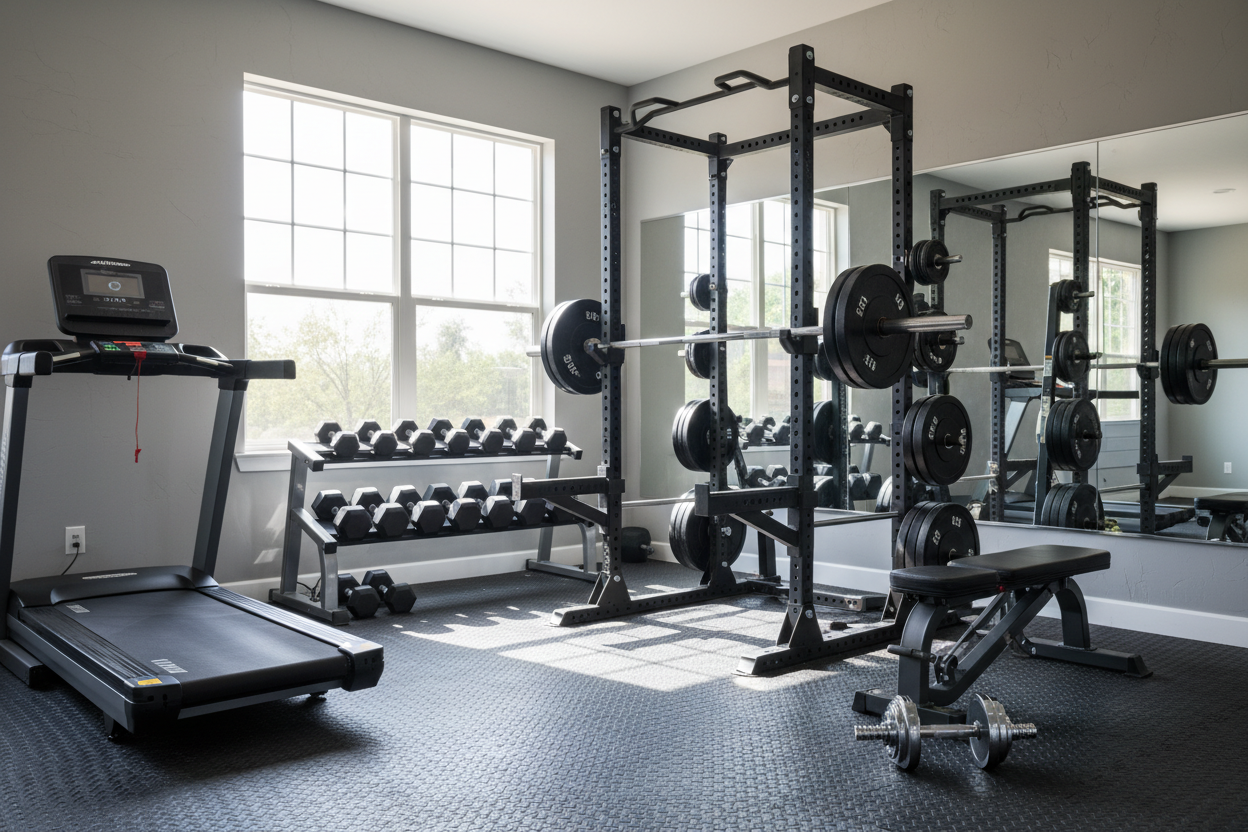
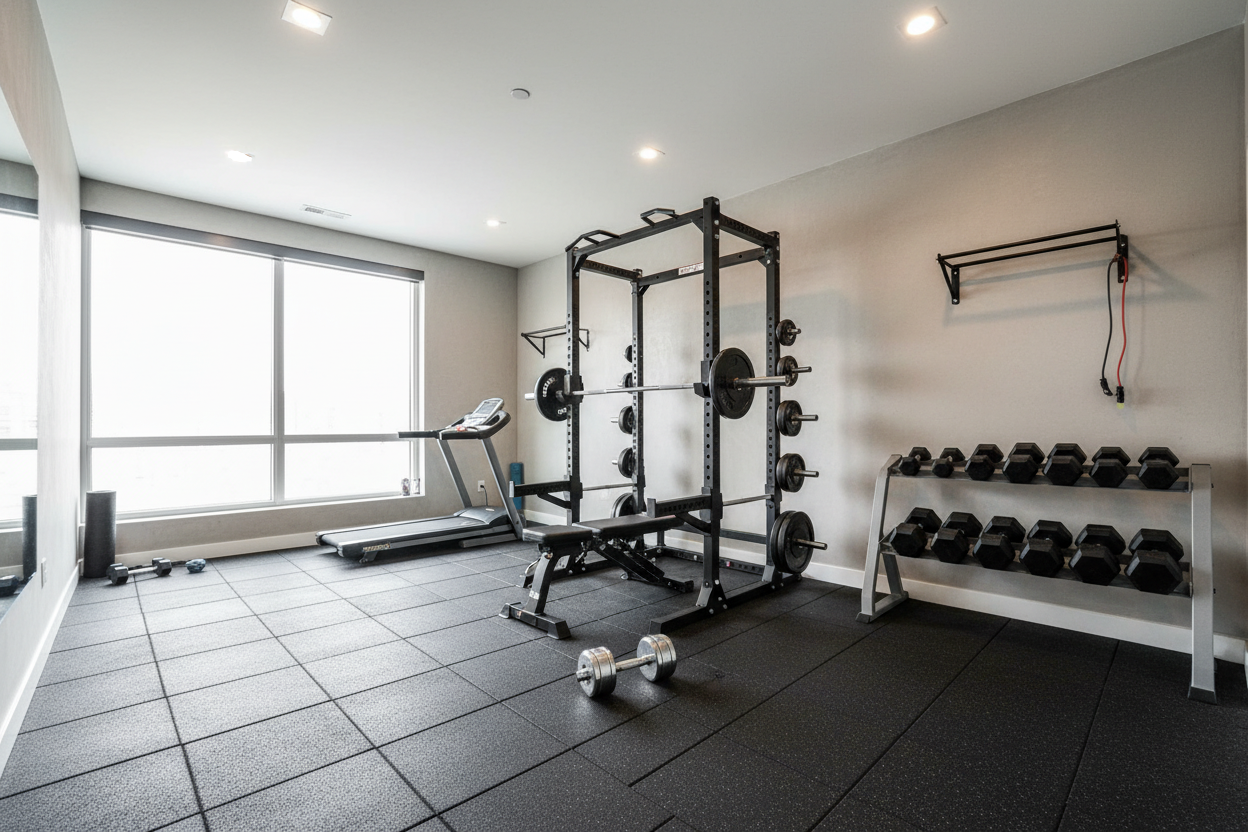
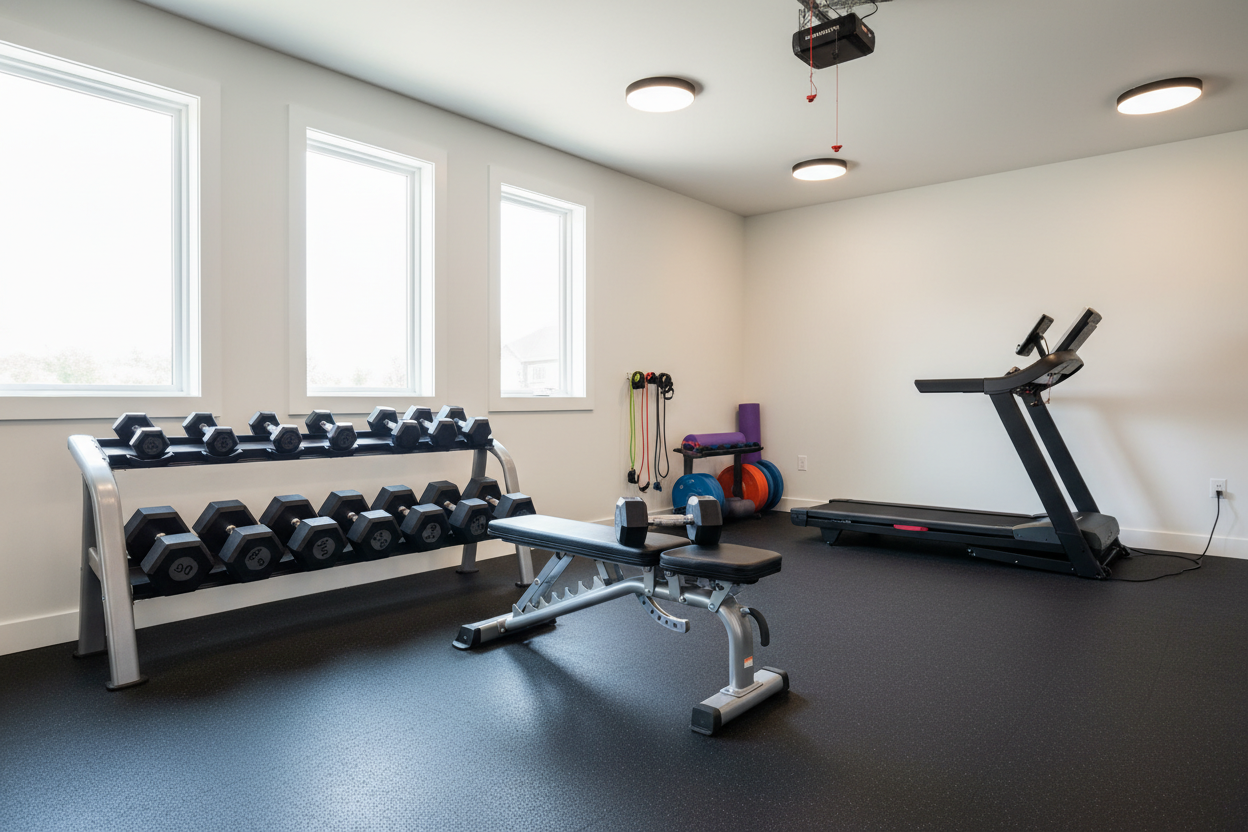
My home gym setup at the time was pretty standard—a set of 5-50lb hex dumbbells and a basic adjustable bench. I was doing everything the magazines said: upright rows, heavy presses, and those lateral raises where you turn your pinkies up at the top. I thought the 'pinch' meant I was hitting the muscle. In reality, I was just rubbing my supraspinatus tendon against the acromion bone like sandpaper.
I had to strip my ego down to zero. I put away the 50s and started over with 10-pounders. It was humbling, but it was the only way to relearn how to move. I realized that if I wanted to keep lifting into my 40s and 50s, I had to stop treating my joints like disposable parts.
Why the 'Pour the Pitcher' Cue is Destroying Your Joints
You’ve heard it before: 'Imagine you’re pouring a pitcher of water at the top of your lateral raise.' This is perhaps the single most dangerous piece of advice in the fitness world. When you rotate your thumbs down and pinkies up, you are internally rotating the humerus. This closes the subacromial space, which is already a tiny gap where your rotator cuff tendons live.
When you add weight to that internally rotated position, you’re essentially guillofining your own tendons. This is exactly where momentum ruins your dumbbell shoulder exercises for mass. Most lifters use a heavy weight, swing it up using their traps, and then finish with that internal twist. It’s a recipe for a surgical consult.
The goal of a lateral raise is to isolate the medial deltoid. You don't need internal rotation to do that. In fact, by forcing that 'pour' motion, you’re often just shifting the load onto the connective tissue rather than the muscle belly itself. If you want growth, you need tension on the muscle, not friction on the bone.
The 'Thumbs-Up' Rule for safe shoulder exercises with dumbbells
The fix is stupidly simple: rotate your hands so your thumbs are pointing slightly toward the ceiling. This is known as the 'scaption' plane. Instead of raising the weights directly out to your sides (180 degrees), move them slightly forward at about a 30-degree angle. This aligns the movement with the natural orientation of your shoulder blade.
By using safe shoulder exercises with dumbbells that utilize this 'thumbs-up' or neutral grip, you externally rotate the shoulder. This clears the 'bump' on your arm bone (the greater tuberosity) away from the acromion. Suddenly, that sharp pinching sensation vanishes. You’ll feel the side delt contract harder because the joint is finally moving through its intended path of travel.
I switched to this method exclusively and the difference was night and day. I went from needing Vitamin I (Ibuprofen) before every workout to being completely pain-free in about three weeks. My delts actually started growing again because I could finally use a full range of motion without my brain screaming at me to stop.
3 Movements That Will Actually Spare Your Rotator Cuffs
First is the Thumbs-Up Lateral Raise. Stand with your dumbbells at your sides, but instead of palms facing your thighs, turn them slightly forward. Raise the weights in that 30-degree 'Y' angle. Stop when your arms are parallel to the floor. You don't need to go higher; the traps take over after that point anyway.
Second, try the High-Incline Prone Y-Raise. Set your bench to a 75-degree incline and lay chest-down. Let the dumbbells hang, then raise them up into a 'Y' shape with your thumbs pointing at the ceiling. This is one of the most effective dumbbell exercises for neck and shoulder strength because it forces the lower traps and rear delts to stabilize the joint while the medial delt works.
Third is the Kneeling Single-Arm Neutral Press. Ditch the standing barbell press for a while. Get into a half-kneeling position (one knee down, one foot forward). Hold a single dumbbell at shoulder height with a neutral grip (palm facing your ear). Press straight up. The neutral grip is significantly easier on the rotator cuff, and the kneeling position prevents you from arching your lower back to 'cheat' the weight up.
Ground Your Lower Body Before You Lift a Weight
Shoulder stability doesn't start at the shoulder; it starts at your feet. If your base is shaky, your body will try to find stability elsewhere, usually by shrugging your shoulders or over-arching your spine. Whenever I do kneeling presses or raises, I make sure I'm on a stable surface.
I personally use a large yoga mat in my garage gym for all my kneeling work. It provides enough grip so my back foot doesn't slide out, and the 7mm padding saves my knees from the cold concrete. When your lower body is locked in, your core can brace properly, which creates a solid 'shelf' for your shoulders to work from.
Don't just stand there with 'soft knees.' Root your feet into the floor. Squeeze your glutes. If you're doing seated raises, drive your heels into the ground. The more stable your trunk is, the more force your deltoids can actually generate. It’s the difference between firing a cannon from a rowboat versus firing it from flat ground.
How to Program This Pain-Free Routine at Home
If you're coming back from an injury or just tired of the aches, stop chasing 1-rep maxes on shoulders. The shoulder is a high-mobility joint that thrives on volume and time under tension, not sheer ego-crushing weight. I recommend staying in the 12-15 rep range for almost all your dumbbell shoulder work.
Focus on a 3-second eccentric (lowering) phase. This builds tremendous strength in the tendons and forces the muscle to stay engaged. For the Y-raises, hold the top position for a full second. If you can't hold it, the weight is too heavy. I usually run these three exercises as a circuit, twice a week, at the end of my upper body days.
Remember, your goal is to stimulate, not annihilate. You’re looking for a deep pump in the muscle belly, not a sharp pain in the joint capsule. If you feel that old 'zip' or 'catch,' stop, reset your hand position to more external rotation, and drop the weight. There are no trophies for 'heaviest lateral raise with bad form.'
FAQ
Do I need heavy dumbbells for these exercises?
Absolutely not. Because these movements emphasize strict form and external rotation, most people find they need to drop their usual weight by 30-50%. I do my Y-raises with 15-pounders and my delts have never looked better.
Is overhead pressing always bad for shoulders?
No, but the way most people do it—with elbows flared wide and a straight bar—is risky for those with narrow shoulder structures. Using dumbbells with a neutral grip (palms facing each other) is a much safer way to press overhead.
How long until my shoulder pain goes away?
If it's simple impingement, you'll likely feel a massive difference in 2-3 weeks just by switching to the thumbs-up rule. However, if you have a labrum or rotator cuff tear, you need to see a physical therapist. These exercises are for prevention and minor tweak management.