I Finally Learned How to Get Muscles When I Bought a $2 Notebook
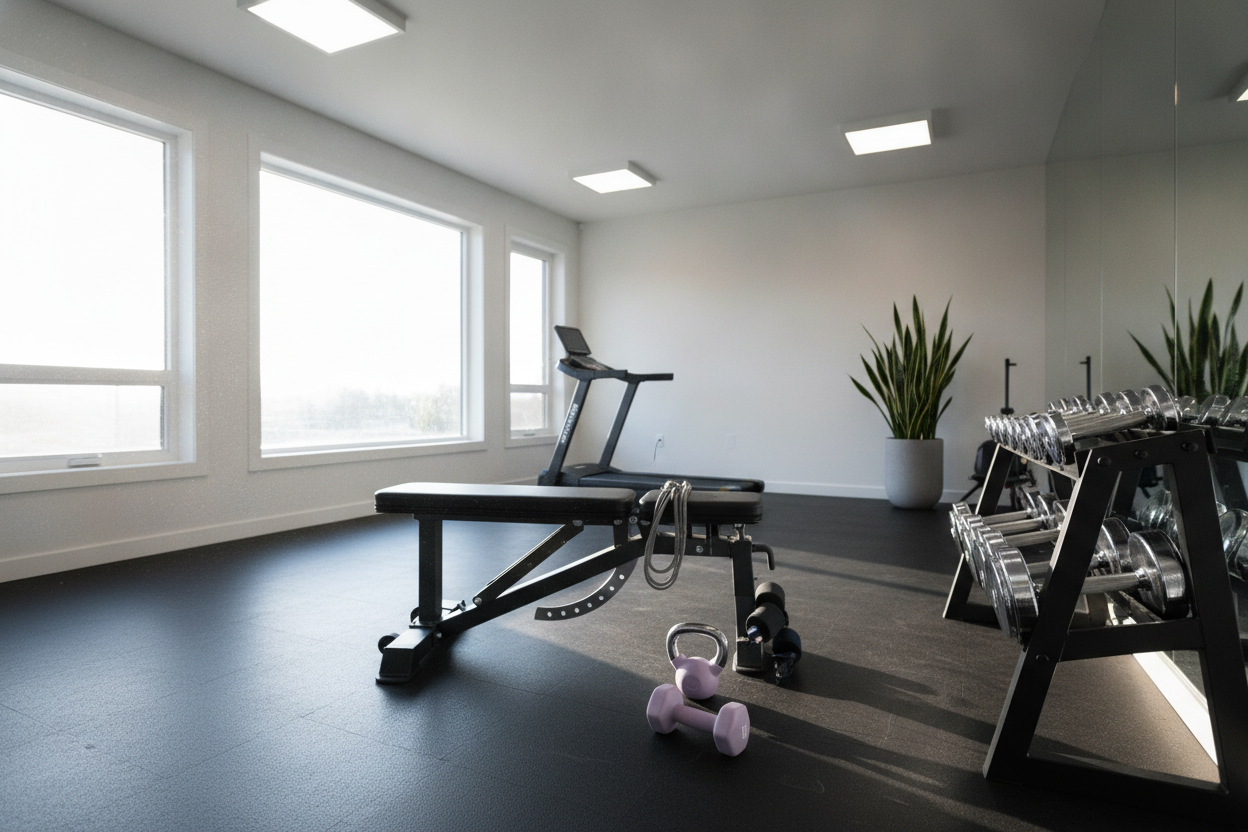
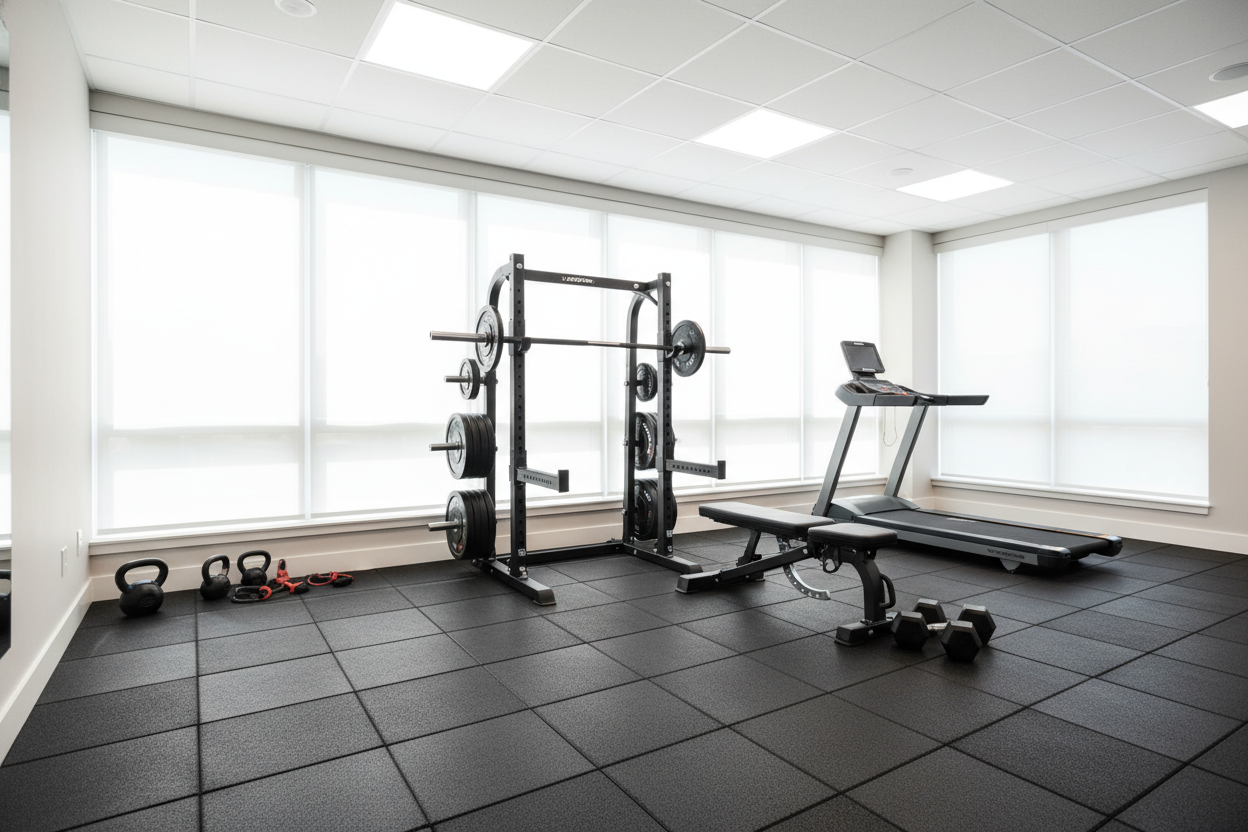
I spent years scrolling through forums, comparing the knurling on $500 barbells and debating whether a 3x3 rack was overkill for my garage. I was convinced that the right piece of steel was the missing link in how to get muscles. My gym looked great, but my physique was stuck in neutral. I was 'exercising,' but I wasn't training.
- Stop program hopping and stick to one routine for at least 12 weeks.
- The logbook is the only objective measure of your progress.
- Chase weight and reps, not just a 'pump.'
- Micro-progressions compound into massive physical changes.
The 'Optimal Routine' Trap Keeping You Small
Most guys waste more time researching how to body build than actually moving heavy objects. They’ll ditch a solid upper/lower split after three weeks because some influencer promised a 'new' way to trigger hypertrophy. I’ve been that guy. I’ve spent months looking for the 'perfect' frequency while my bench press sat at a pathetic 185 lbs.
Consistency with a basic plan beats a perfect plan you only follow for a month. Muscle tissue doesn't care about 'optimal' if it doesn't have a reason to grow. You have to stay on one path long enough for your body to realize it has no choice but to adapt.
Why You Can't Wing Your Workouts in a Home Gym
Training at home is a double-edged sword. There’s no commute, but there’s also nobody watching you skip that last grueling set. If you want to know how to build muscle fast naturally, it comes down to mechanical tension. You have to force your body to handle more load over time.
You can't do that if you're guessing what you lifted last Tuesday. Without a record, you're just working up a sweat. This is especially vital for the big compound movements. If you aren't recording your numbers, you aren't learning how to build serious leg muscle at home. You’re just going through the motions.
The Problem with 'Feeling' the Burn
Chasing a muscle pump feels incredible, but it's a vanity metric. I’ve had sessions where my arms felt like they were going to pop, yet I was using the same 30-pound dumbbells I used six months prior. The 'burn' is just metabolic stress. It has its place, but the logbook is the only objective truth. If the numbers in that notebook aren't going up, your measurements won't either.
How to Set Up Your Muscle-Building Logbook
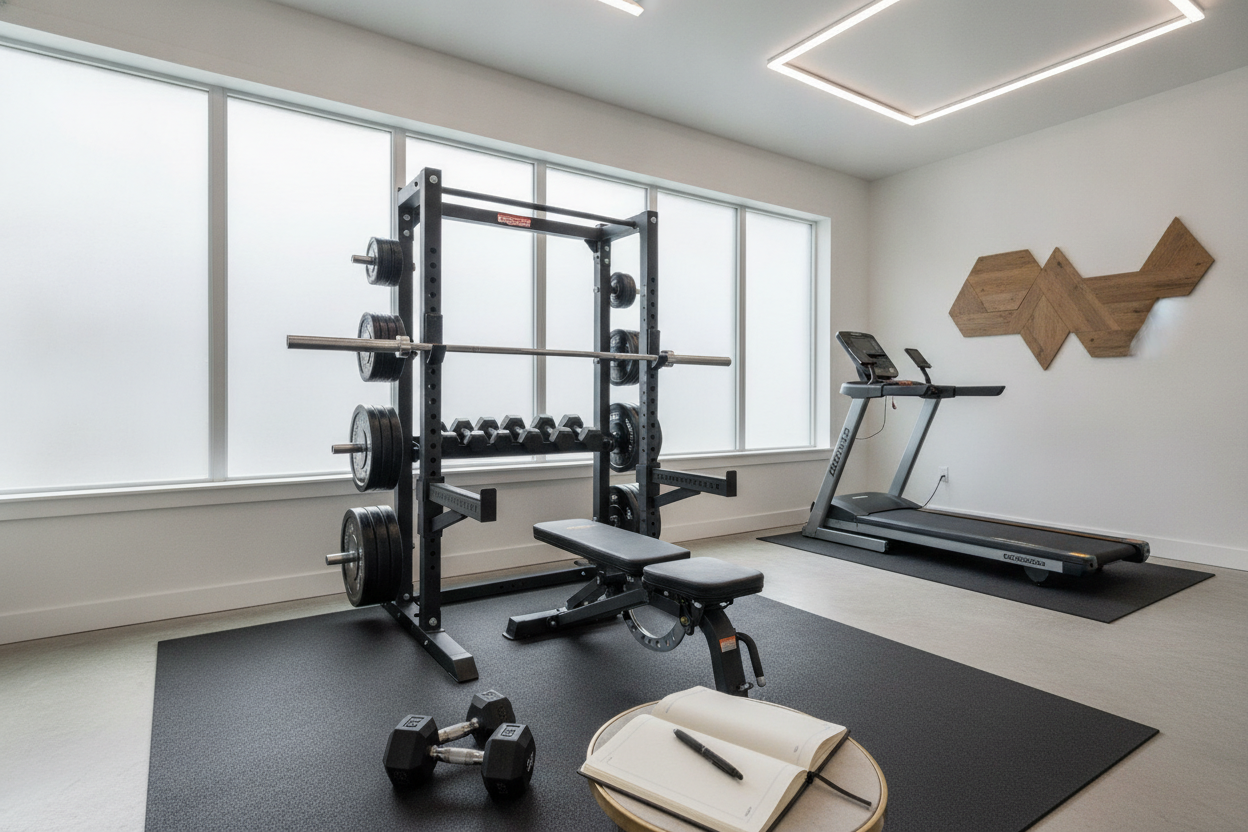
Forget the fancy apps with the subscription fees. A $2 spiral notebook is better because it doesn't have notifications to distract you between sets. For every exercise, write down the weight, the sets, and the reps. I also track RPE—how hard that set actually felt on a scale of 1 to 10.
The get big quick crowd hates this because it looks like work. But micro-progressions—adding just 2.5 lbs or one extra rep—compound over six months into a totally different physique. Whether you are using a barbell or a lower body strength machine, you need to know exactly which pin you used and how many reps you ground out. If you did 10 reps at 150 lbs last week, you better do 11 reps or 155 lbs today.
The Nutrition Side of the Notebook
A training log is a fantasy novel if you aren't eating to support the work. You can't build a second story on a house if the lumber truck never shows up. Use the back pages of that same notebook to track your protein. If you aren't hitting at least 0.8g per pound of body weight, you're just making yourself tired, not muscular.
If the scale isn't moving and your lifts are stalling, you're likely under-eating. I recommend reading Stop Eating Like a Bird: How to Get Bulky Muscle to fix your kitchen habits. You need a slight caloric surplus to fuel the recovery that the notebook demands.
Personal Experience: My Memory Failed Me
Last year, I thought I was 'hardcore' because I trained five days a week in my garage. I didn't track anything; I just went by 'feel.' Three months later, I realized my squat had actually regressed by 10 pounds. I bought a cheap notebook, went back to a basic linear progression, and added 35 pounds to my total in eight weeks. My mistake was thinking my brain was a better record-keeper than paper. It wasn't.
FAQ
Can I just use a notes app on my phone?
You can, but the temptation to check Instagram or texts is too high. A physical notebook keeps your head in the game and doesn't require a battery charge.
How much weight should I add each week?
As little as possible. If you hit your rep goals, add 2.5 to 5 lbs. Small jumps are easier to sustain over a year than trying to jump 20 lbs and hitting a wall.
What if I fail to hit my reps?
Don't panic. Keep the weight the same for the next session and try to beat your rep count. If you stall for three sessions in a row, it's time to deload or check your calories.