Why I Moved All Exercises for Female Over 60 to the Living Room Floor
I watched my mom stare at a pair of 15-pound dumbbells like they were live grenades. She has the muscle to lift them—I’ve seen her haul bags of mulch that weigh twice as much—but the moment she stands up to do a shoulder press, she freezes. It isn't a lack of strength; it is a lack of stability. Most exercises for female over 60 lifters fail because they focus on the wrong kind of safety.
We’ve been told that 'low impact' means sitting on a purple machine or lifting pink plastic weights. That is nonsense. If you want to keep your bones from turning into glass, you need load. But you can't apply that load if your brain is screaming that you might trip and crack a hip. That is why I moved the entire routine to the floor.
Quick Takeaways
- The subconscious fear of falling creates a 'strength ceiling' that prevents bone density gains.
- The floor provides 100% stability, allowing you to lift 30-50% more weight safely.
- Standard yoga mats are too thin and soft; you need high-density gym flooring to protect joints.
- Floor-based movements like the glute bridge and floor press are superior for joint longevity.
The Real Reason You Aren't Lifting Heavy Enough
When you stand up to perform workouts for women over 60, your central nervous system is doing a million calculations a second just to keep you upright. If you add a heavy weight to that equation, your brain hits the brakes. It won't let you exert max force because it’s prioritizing balance over muscle recruitment.
This is why we need to stop handing seniors 2lb weights and expecting results. Those light weights do nothing for osteoporosis. By removing the balance requirement, we bypass that neurological 'governor.' When you are lying on a solid surface, your body finally feels safe enough to actually work the muscle to failure.
Why the Floor is the Ultimate Spotter
Think of the floor as a squat rack that covers the entire room. In a traditional gym setting, if you lose your balance during a lunging overhead press, things get ugly fast. On the floor, your range of motion is naturally limited by the ground, which acts as a built-in safety stop for your joints.
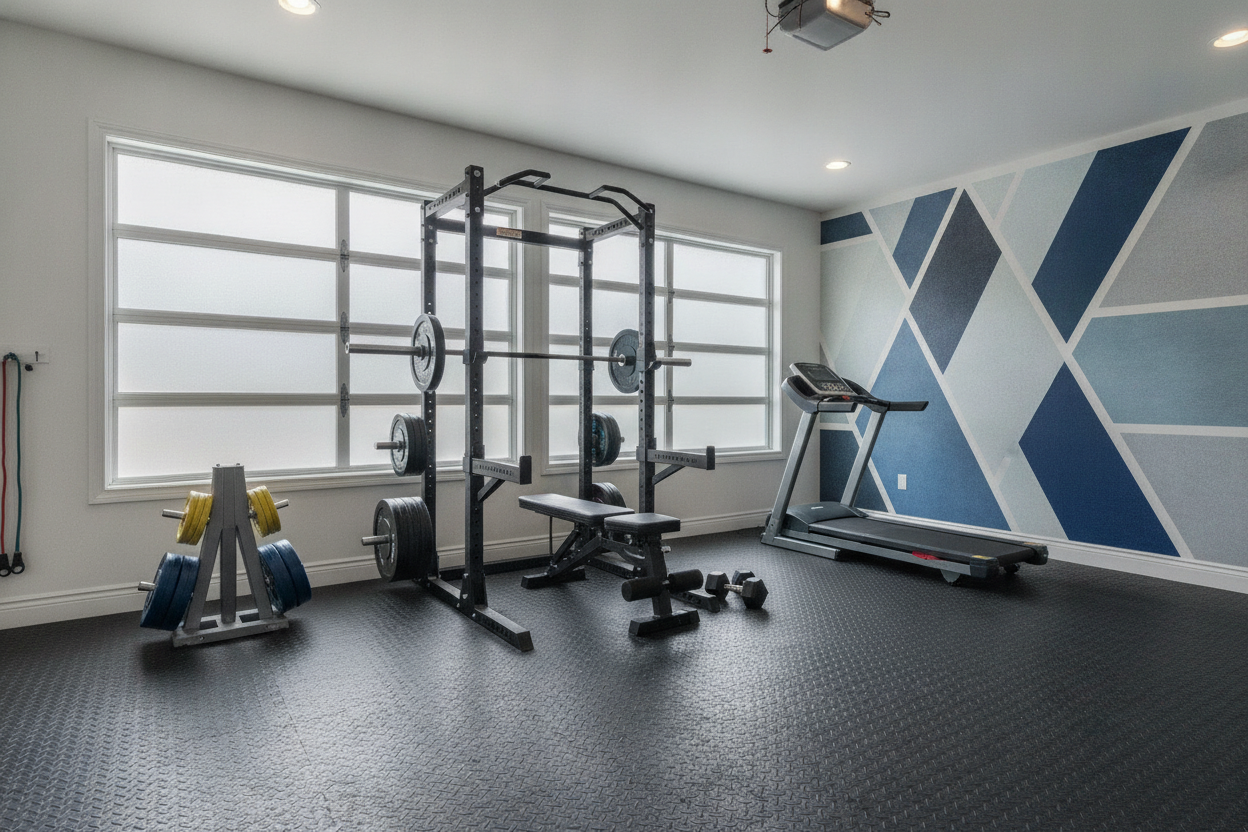
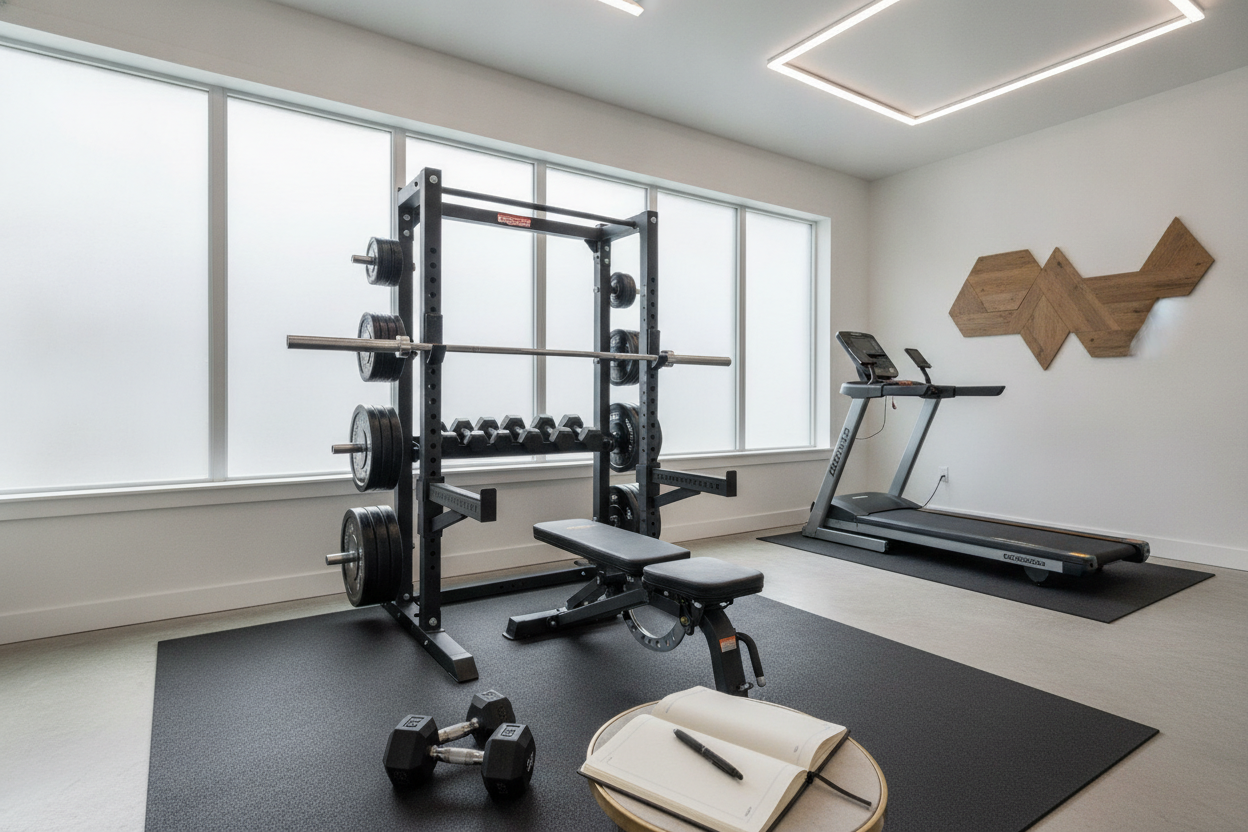
To make this work, you need a dedicated 'safe zone.' I don't mean a patch of carpet where you'll get rug burn. You need a large exercise mat for home gym use that stays put. If the mat slides, the fear of falling returns. A heavy, dense mat creates a 'grounded' feeling that tells your nervous system it is okay to push, pull, and grind out that last rep.
4 Floor-Based Workouts for Women Over 60 That Actually Build Muscle
Forget the complicated stuff. These four movements, performed on a solid surface, will do more for your functional independence than any circuit class.
- The Dumbbell Floor Press: Lie on your back, knees bent. Press the weights up. Because the floor stops your elbows from going too deep, it saves your rotator cuffs while letting you use much heavier weights than a standard bench press.
- Weighted Glute Bridges: This is the ultimate 'anti-aging' move. It builds the posterior chain—your engine—without the spinal compression of a heavy squat.
- Loaded Deadbugs: Hold a light weight overhead while moving your legs. This trains your core to stabilize your spine, which is exactly what you need when reaching for a heavy dish in a high cabinet.
- Half-Kneeling Rows: Put one knee down and pull a weight toward your hip. This builds back strength and improves the ability to get up off the ground.
I recommend a 6x8ft exercise mat for these. You need enough real estate to sprawl out. There is nothing more frustrating than trying to do a deadbug and having your heel hit cold hardwood or your head hang off the edge of a tiny yoga strip.
Stop Using the Couch: Why Your Surface Matters
I see people trying to do these exercises on their bed or a squishy couch. Stop. Soft surfaces are the enemy of joint alignment. If your wrist is sinking into a plush cushion while you're holding a 15-pound weight, you're asking for a ligament strain. You need a surface that fights back.
Cheap foam mats from the big-box stores are just as bad—they 'bottom out' and offer zero support. I prefer a 6x4ft yoga mat exercise mat that uses high-density PVC. It should feel firm, almost like a track-and-field surface. This density protects your knees during kneeling rows and keeps your spine neutral during bridges.
Taking Your New Strength Back to Your Feet
The goal isn't to stay on the floor forever. The goal is to build the raw materials of strength without the risk. After 8 to 12 weeks of heavy floor work, your tendons are thicker, your bones are denser, and your confidence is higher. You’ll find that when you do return to standing strength exercises for women over 60, the weights that used to scare you now feel light.
Personal Experience: The Mat That Almost Cost Me
I once tried to save $30 by buying a generic 'extra thick' foam mat for a client's home setup. During a simple set of floor presses, the mat compressed so much under her shoulder blades that her posture collapsed mid-set. She ended up with a neck strain that took two weeks to clear. I learned my lesson: in the home gym world, you pay for density, not 'squish.' If you can poke your finger and feel the floor underneath, the mat is garbage. Get something heavy that weighs at least 15-20 pounds; that weight is what keeps it from moving during your workout.
FAQ
Is getting on the floor dangerous if I have bad knees?
Actually, the floor is where you fix the knees. Use a high-density mat to cushion the joint, and use the 'half-kneeling' position to practice the mechanics of getting up. It's a vital life skill.
How many times a week should I do this?
Three days a week is the sweet spot. Your bones and CNS need at least 48 hours to recover from the 'good' stress of heavy lifting.
Do I need special shoes?
Nope. One of the best parts of a high-quality gym mat is the grip. Training barefoot or in socks actually helps strengthen the small muscles in your feet, which improves your balance when you are back on your feet.