I Ban Jumping In Home Workouts for Beginners (Do This Instead)
I remember scrolling through YouTube at 11 PM, desperate to find something that didn't involve a 22-year-old doing 50 burpees in a neon sports bra. My knees hurt just watching. Most in home workouts for beginners are just disguised cardio sessions that beat up your joints before you've even built a lick of muscle.
We have been sold a lie that if you aren't gasping for air and dripping sweat onto your carpet, the workout didn't count. That is nonsense. If you are just starting, your goal isn't to burn 400 calories in twenty minutes; it is to teach your nervous system how to move without snapping something.
Quick Takeaways
- Ditch the burpees; they are a high-risk, low-reward movement for novices.
- Focus on 'Time Under Tension' to build real strength without heavy weights.
- A dedicated, non-slip surface is non-negotiable for safety.
- Consistency beats intensity every single time—stick to a 3-day split.
Why Your Living Room 'Bootcamp' is Setting You Up to Fail
The fundamental flaw in most easy beginner home workouts is the reliance on plyometrics. When you don't have a 300-lb barbell, 'trainers' tell you to jump. They call it 'explosive power,' but for an unconditioned body, it is just a recipe for shin splints and plantar fasciitis.
Chasing sweat is a terrible metric for a beginner indoor workout. You can get sweaty sitting in a sauna, but it won't help you do a proper push-up. We need to stop equating fatigue with progress. Real progress for a beginner is moving from a shaky squat to a rock-solid, controlled descent.
The Floor Factor: Securing Your Space Before You Lift a Pound
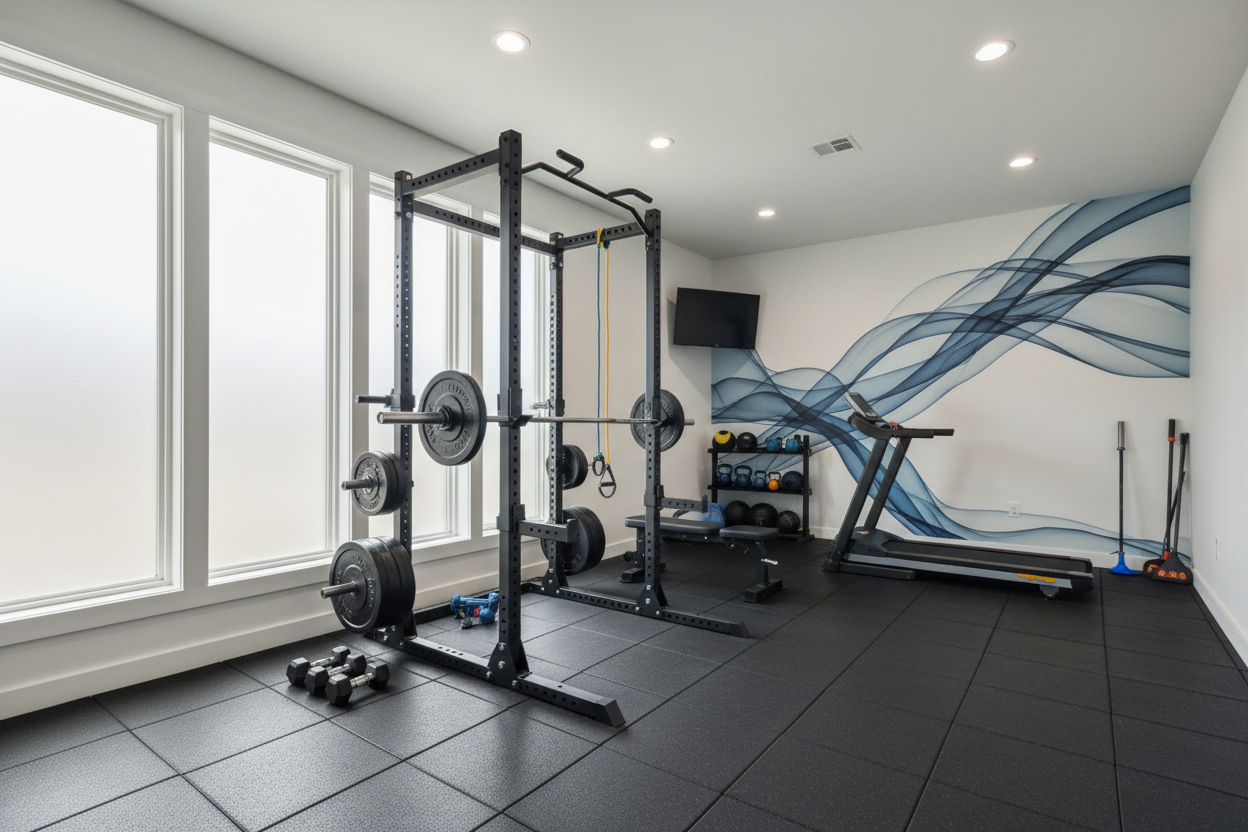
You cannot build a physique on slippery laminate or shag carpet. I have seen too many people try a home gym workout beginner routine while wearing socks on hardwood. It is a disaster waiting to happen. If your feet are sliding during a lunge, you aren't training your legs; you're just trying not to fall.
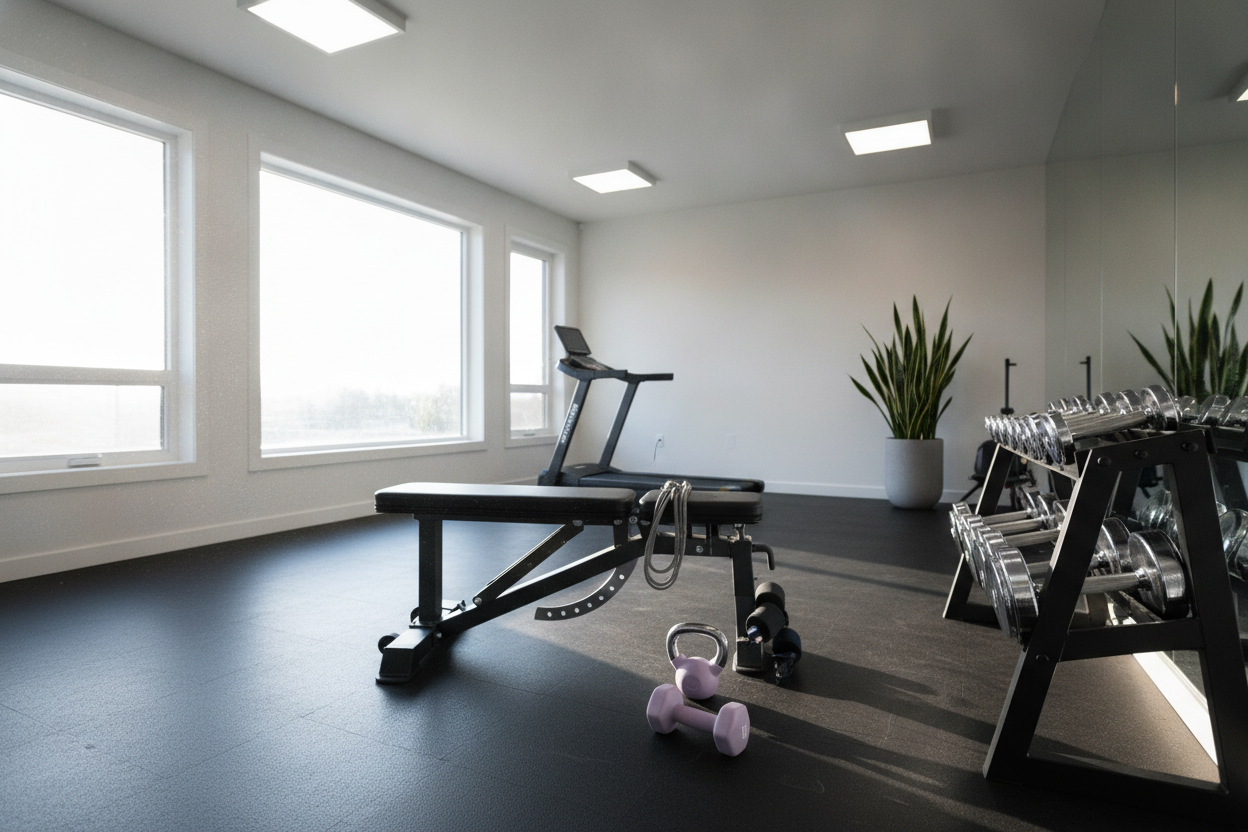
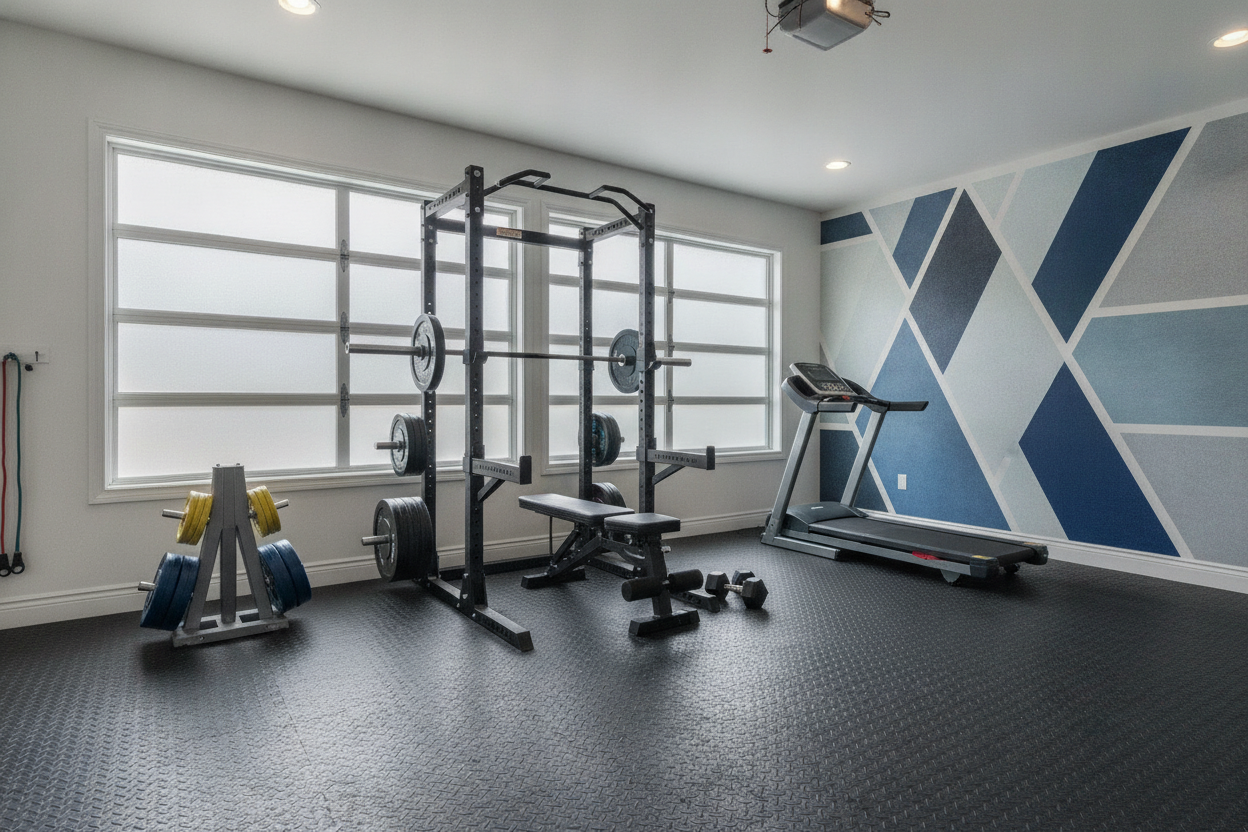
You need friction to produce force. Investing in a Large Exercise Mat For Home Gym is the first real 'equipment' purchase you should make. It protects your joints during floor work and gives you the stability needed to actually drive through your heels. Plus, it saves your floor from the inevitable sweat puddles.
The Slow-Tempo Starter Home Workout (No Jumping Allowed)
Here is a starter home workout that actually builds a foundation. We are going to use three movements. First: the paused goblet squat. Grab a heavy book or a gallon of water. Lower for three seconds, hold the bottom for two seconds, and stand up. That pause removes momentum and forces your muscles to do the work.
Second: strict push-up negatives. Start at the top and take a full five seconds to reach the floor. Don't worry about pushing back up yet—just master the descent. Third: isometric glute bridges. Squeeze your glutes at the top and hold for thirty seconds. If you want to see how these fit into a long-term plan, check out the Best At Home Workout Programs For Beginners Start Smart.
Nailing Your Home Gym Schedule for Beginners
Stop trying to train six days a week. You will quit by Wednesday. A sustainable home gym schedule for beginners is three days a week—Monday, Wednesday, and Friday. Your tendons and ligaments take longer to adapt than your muscles do. They need those rest days to thicken and strengthen.
The goal is to finish your session feeling like you could have done ten percent more. That is the secret to longevity. You want A Workout Routine at Home for Beginners That Actually Feels Good so that you actually look forward to it. If you're constantly trashed, you'll eventually find an excuse to skip.
How to Make Basic Home Exercise for Beginners Harder Over Time
You don't need to buy a 50-lb dumbbell set the moment things feel easy. You can make beginners exercises to do at home much harder by manipulating 'tempo.' If a squat feels light, try lowering for six seconds instead of three. The increased time-under-tension will make a 10-lb weight feel like 40 lbs.
This is the essence of good starter workouts at home. We are building 'positional strength.' By slowing down, you find exactly where your form breaks down. Fix those leaks now, and when you finally do get under a real barbell, you'll be miles ahead of the guy who spent six months doing sloppy jumping jacks.
My Honest Take
I learned this the hard way. Early in my training, I followed a '30-day shred' that had me doing 100 tuck jumps every morning. By day ten, my ankles felt like they were filled with broken glass. I had to stop training for two months to recover. I realized then that starter at home workout routines should be about building a base, not testing your max heart rate. I traded the jumps for slow, controlled lunges and my strength skyrocketed while my pain vanished.
FAQ
Do I need to wear shoes for home workouts?
If you have a high-quality mat, you can go barefoot to build foot strength. If you're on a hard surface, wear shoes to provide some much-needed shock absorption for your arches.
How long should a beginner workout last?
20 to 30 minutes is the sweet spot. Anything longer and a beginner usually starts sacrificing form for the sake of finishing the clock.
What if I can't do a single push-up?
Start with 'incline' push-ups. Put your hands on a sturdy kitchen counter or the back of a sofa. The higher your hands are relative to your feet, the easier the movement becomes.