How I Stayed at 175lbs: Can You Get Stronger Without Bulking?
I remember staring at a cold pile of chicken breast and white rice, feeling like I was going to burst. I thought size was the only way to move the needle on the bar. I was dead wrong. I’ve spent the last three years hovering at a lean 175 lbs while my squat and deadlift numbers kept climbing, proving that the question can you get stronger without bulking has a very loud 'yes' for an answer.
You don't need to outgrow your favorite pair of jeans just to add 20 pounds to your bench press. It’s about training your brain as much as your bicep. If you’re tired of the 'dirty bulk' cycle that just leaves you soft and sluggish, it's time to pivot to neurological efficiency.
Quick Takeaways
- Focus on neural drive rather than muscle fiber expansion.
- Keep reps between 1 and 5 to avoid metabolic stress.
- Rest longer—3 to 5 minutes—to fully recover the ATP-CP system.
- Move the bar with maximum explosive intent on every rep.
- Ditch the isolation 'pump' work that triggers hypertrophy.
Why Your Nervous System is the Ultimate Strength Cheat Code
Most people think muscles are like engines—the bigger the engine, the more power. That’s only half the story. Your Central Nervous System (CNS) is the computer controlling that engine. If you want to know how to increase strength without mass, you have to upgrade the software. This is called neural adaptation.
Is it possible to be strong without big muscles? Absolutely. It comes down to motor unit recruitment. When you lift heavy, your brain sends a signal to 'turn on' muscle fibers. Most people only use a fraction of their available fibers. By training specifically for the CNS, you teach your body to recruit more fibers simultaneously and fire them faster. You aren't making the fibers bigger (myofibrillar hypertrophy); you're making them more efficient.
This type of training requires intense focus. You need to be dialed in for every single set to build strength without falling asleep at the squat rack. When the reps are low and the weight is high, your brain is doing the heavy lifting before your muscles even move the bar.
The Real Difference Between Training for Size vs. Power
Bodybuilders train for the 'pump.' They want sarcoplasmic hypertrophy—increasing the fluid volume in the muscle cell. This makes you look huge, but it doesn't always translate to raw force. If you want strength not size, you have to avoid the metabolic stress that causes that swelling.
A weight-class athlete, like a powerlifter or a wrestler, needs to be as strong as possible without moving up a bracket. They focus on pure force production. Chasing the pump actually triggers the pathways you want to avoid if your goal is gaining strength but not weight. We want to lift heavy enough to signal the need for power, but not for long enough to signal the need for extra 'armor' in the form of mass.
My 3-Step Formula for Gaining Strength But Not Weight
To pull off a successful gain strength without size program, you have to be disciplined. You’ll leave the gym feeling like you could have done more. That’s the point. You’re saving that energy for the nervous system, not burning it for a bicep vein.
Keep the Reps Low and the Rest High
The golden rule for how to be strong without being bulky is the 1-5 rep range. Anything over 6-8 reps starts creeping into the hypertrophy zone. I personally stick to triples. I’ll do 5 sets of 3 at 85% of my max. This keeps the total volume low enough that I don't trigger massive muscle growth, but the intensity is high enough to demand respect from my CNS.
You also need to rest. Long rests (3-5 minutes) are mandatory. If you cut your rest short, you create metabolic fatigue, which is a primary driver for muscle size. Use that time to reset. I often use strength training accessories like a high-quality leather belt or wrist wraps during these heavy sets to ensure my form stays locked in when the load gets north of 400 lbs.
Lift Fast to Force Neurological Adaptation
To figure out how to get strong but not bulky, you have to master Compensatory Acceleration Training (CAT). Even if the bar is moving slowly because it's heavy, your intent must be to move it as fast as possible. This 'explosive intent' is what recruits the high-threshold fast-twitch fibers. These are the fibers with the most strength potential. If you grind out slow, grinding reps, you’re just building endurance and size you don't want.
Ditch the 'Pump' Work Completely
This is the hardest part for most people. You have to stop doing 3 sets of 12 on the cable fly machine. If you want to know how to be strong but not muscular, you have to cut the fluff. Every accessory movement should serve a purpose for your main lifts. If it doesn't help your squat, bench, or deadlift, it's just extra calories burned and extra growth signaled. Stick to compound movements.
How to Outfit Your Space for a Strength Without Size Workout
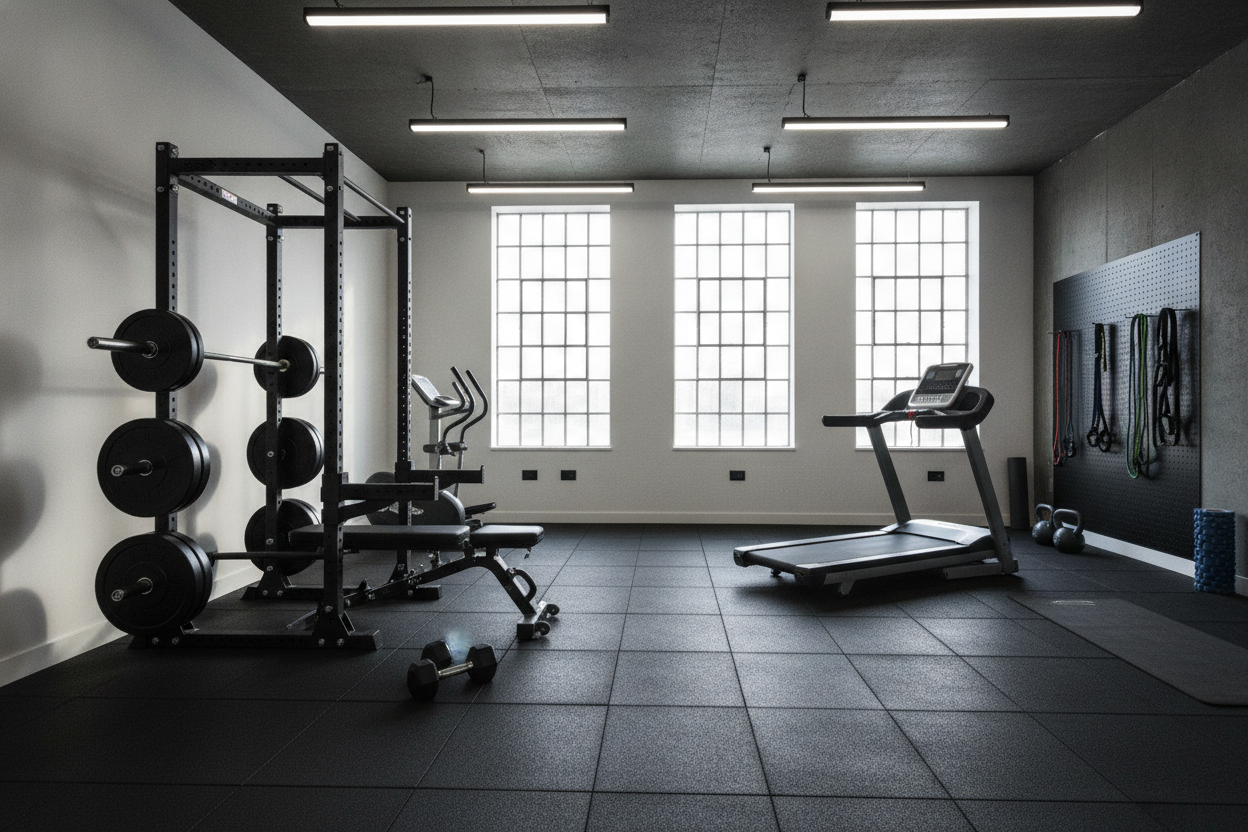
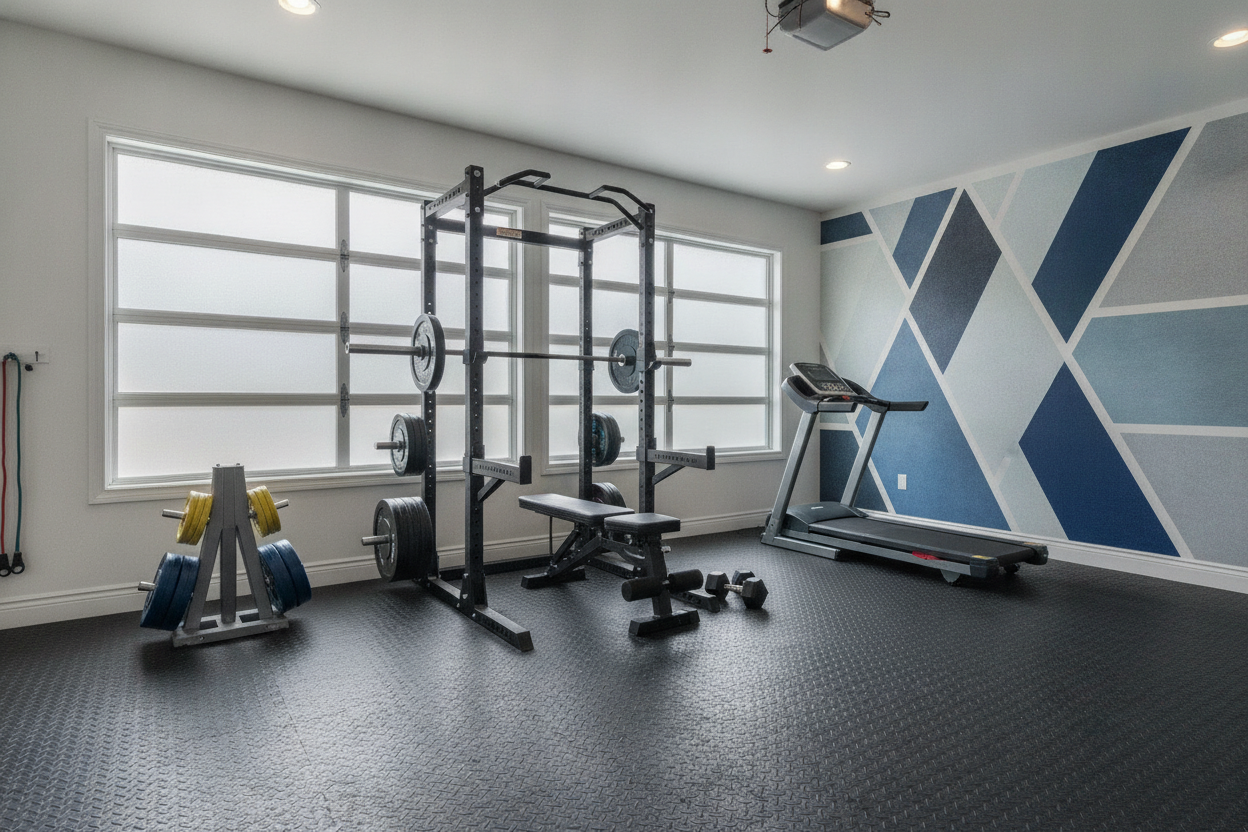
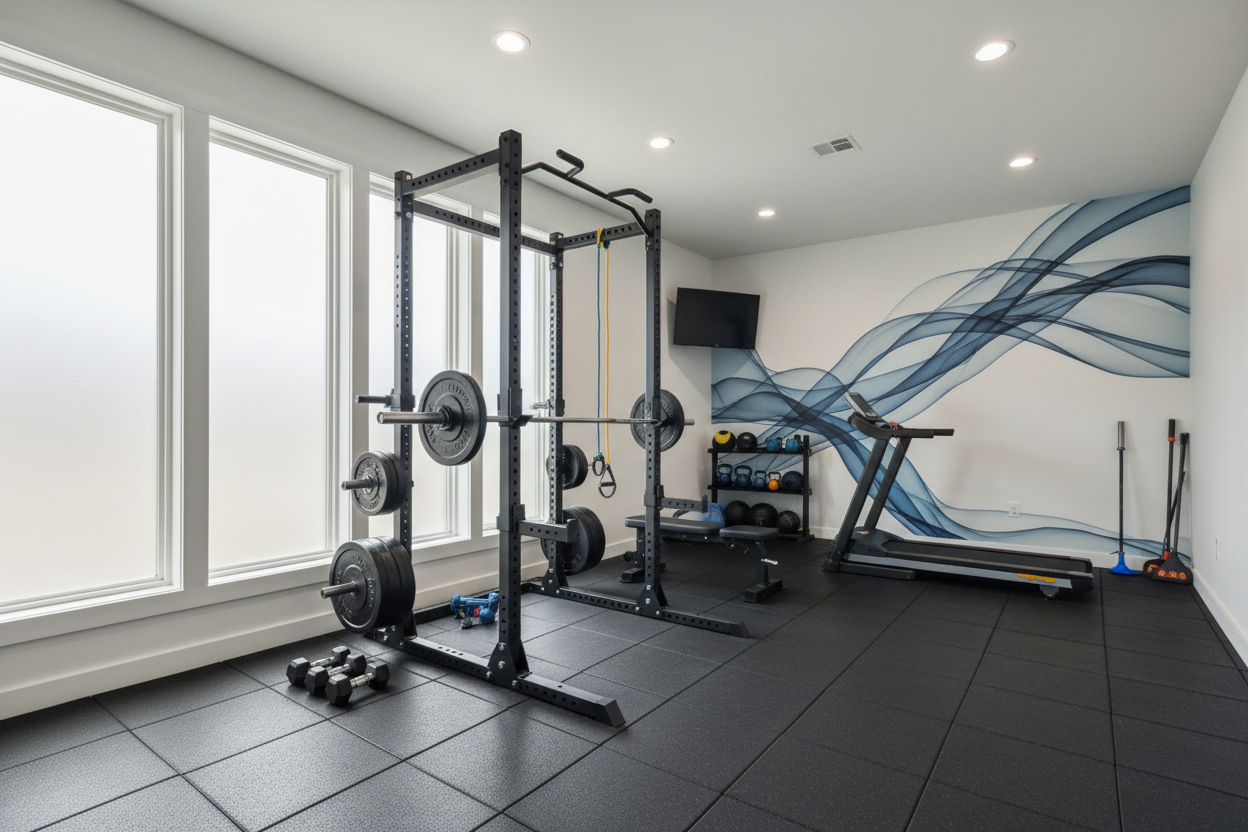
You don't need a gym full of machines to get strong. In fact, machines are often designed to isolate muscles for growth—the exact opposite of what we want. For a proper strength without size workout, you need heavy iron. I’m talking about a solid power rack, a barbell with decent knurling, and enough plates to actually challenge yourself.
Invest in high-quality strength equipment that can handle the weight. If you're planning on pulling 500 lbs, a cheap 300-lb capacity bar will whip and bend, which ruins your force production. You want a stiff bar that transfers all your power directly into the lift. I’ve used bars that felt like pool noodles under a heavy load; it’s a great way to get injured and a terrible way to get strong.
Can You Become Physically Stronger Without a Gym?
If you're wondering how to become physically stronger without gym access, the principles remain the same: high tension and low reps. You just have to get creative with physics. Instead of adding weight, you change the leverage. A standard push-up is easy? Try a one-arm push-up or a planche progression. These require massive neurological output without requiring a 5,000-calorie diet.
Plyometrics are also a secret weapon for how to get stronger without exercising in a traditional bodybuilding sense. Explosive jumps and sprints build that 'pop' in your nervous system. Just make sure you have a dedicated space. I use extra wide exercise mats to protect my joints and my floor during high-impact plyo sessions. It gives you the grip you need to go all-out without worrying about sliding.
Personal Experience: The 'Power-Building' Trap
A few years back, I fell into the 'power-building' trap. I was hitting heavy triples but then finishing every workout with 45 minutes of isolation work. I got stronger, sure, but I also gained 15 lbs and had to buy all new pants. My mobility took a hit, and I felt 'stiff.' I realized I didn't want the mass; I wanted the capability. I cut the isolation work, kept the heavy compounds, and my strength stayed while the weight dropped back to my 'fighting weight.' I've never felt more athletic.
FAQ
Is it possible to be strong without big muscles?
Yes. Strength is a product of muscle size and neurological efficiency. By focusing entirely on the nervous system through low-rep, high-intensity training, you can maximize the strength of your existing muscle fibers without adding new mass.
How can I be strong but not bulky?
The key is avoiding metabolic stress. Keep your rep ranges low (1-5), rest periods long (3-5 minutes), and avoid the 'burn' or 'pump' that comes with high-volume isolation exercises.
Can you get stronger without exercising every day?
Actually, you should avoid daily heavy lifting if you're training for strength. Your nervous system takes much longer to recover than your muscles. Training 3-4 days a week is usually the sweet spot for pure strength gains.