How to Fix Your Physical Conditioning Without Wrecking Your Knees
You just finished a heavy set of five on the deadlift. You’re strong, your numbers are climbing, and your belt is tight. Then, you decide to walk up a flight of stairs to grab a protein shake, and by the top floor, you’re gasping for air like a fish out of water. It’s a humbling, slightly embarrassing reality check that many garage gym warriors face. You’ve got the strength, but your physical conditioning is non-existent.
I’ve been there. I spent years chasing a 500-lb squat while completely ignoring my engine. I figured if I could move the weight, I was fit. I was wrong. Being strong is only half the battle; if you can’t recover between sets or play a game of pickup basketball without needing an oxygen tank, you aren't truly capable. Building stamina doesn't mean you have to start training for a marathon, but it does mean you need to stop treating cardio like a dirty word.
Quick Takeaways
- Stop running on asphalt; it’s high-impact and crushes recovery for heavy lifters.
- Prioritize Zone 2 steady-state work to build a massive aerobic base.
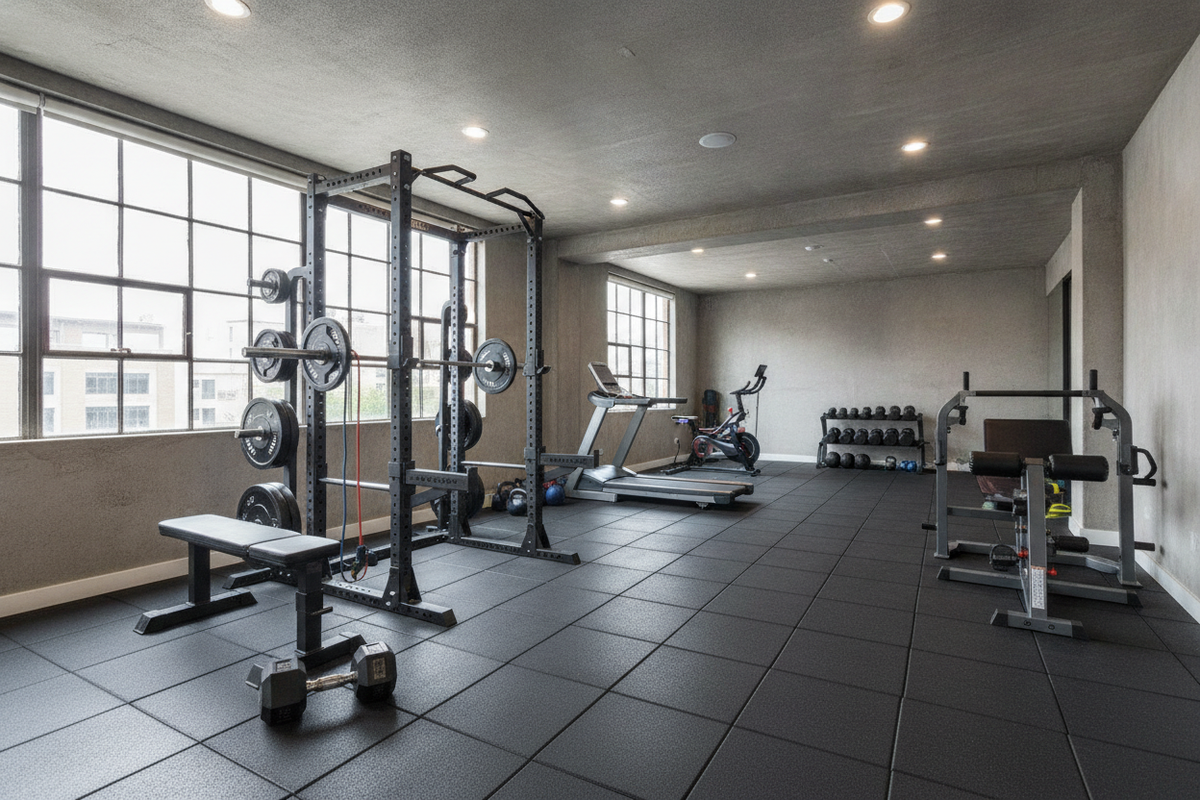
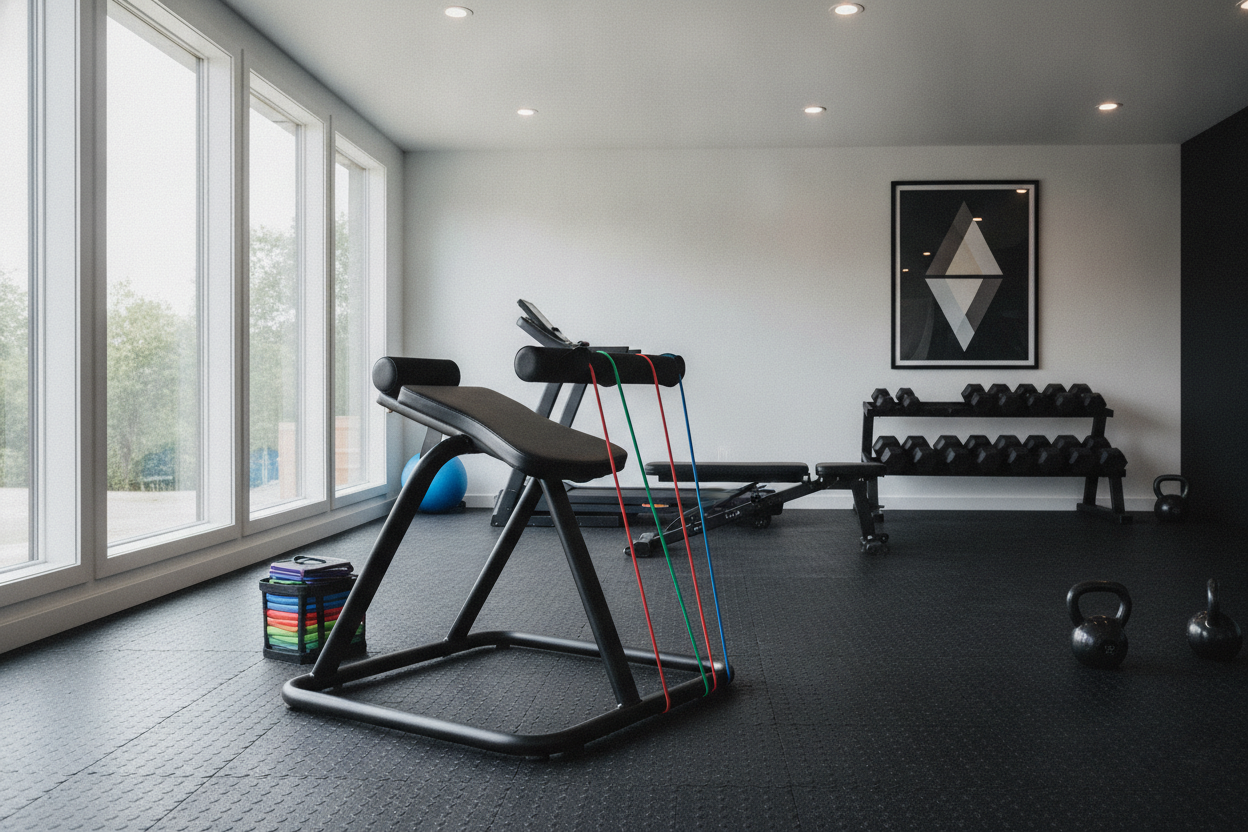
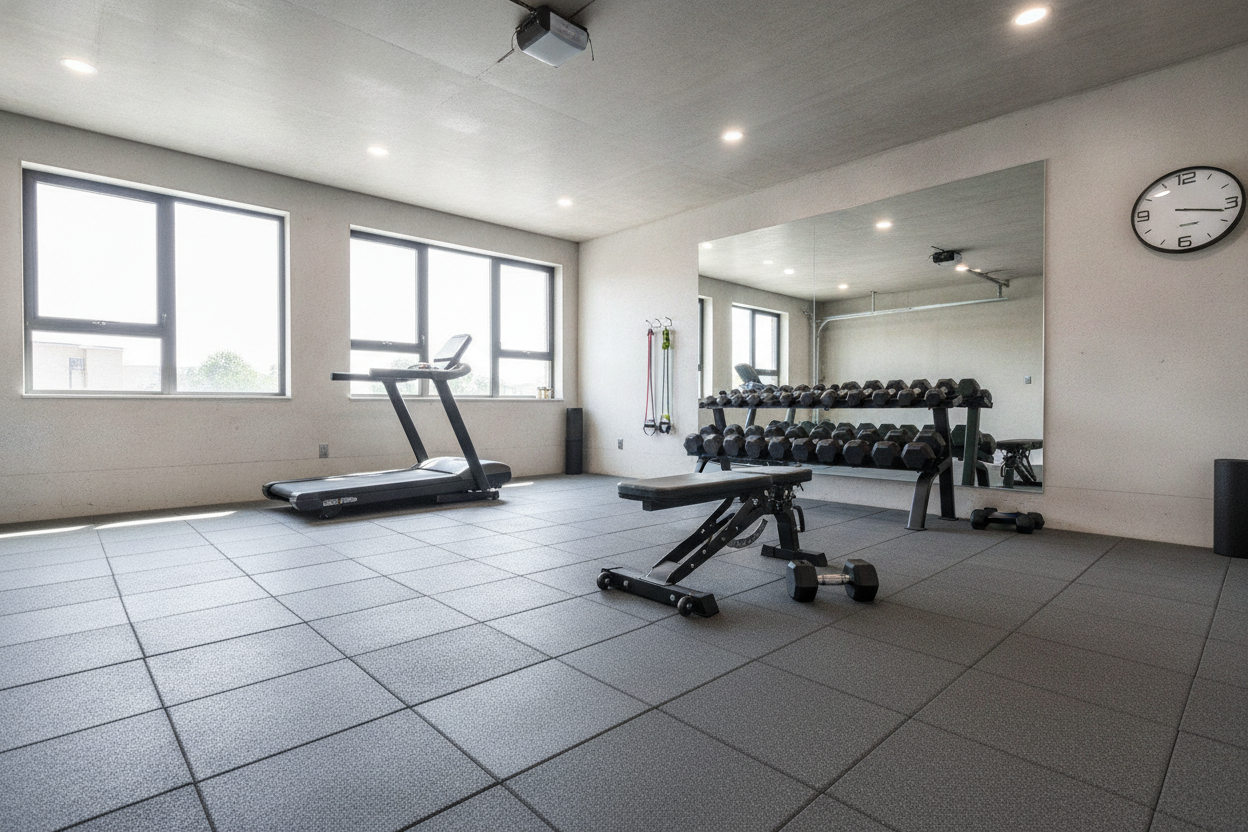
- Invest in a thick floor mat to save your joints during high-rep movements.
- Minimalist equipment like kettlebells and sandbags beats a room full of treadmills.
- Consistency over intensity is the secret to staying power.
The Brutal Truth About Getting Gassed in the Gym
We need to have an honest conversation about the difference between moving heavy objects and actual physical fitness and conditioning. A lot of guys in the home gym community think that because they can grind out a heavy triple, they are 'in shape.' But if your heart rate takes ten minutes to come down after a set of ten squats, your heart is the weakest link in your chain. Your muscles might be able to handle the load, but your cardiovascular system is failing to clear the waste products and deliver fresh oxygen.
Conditioning is the support system for your strength. When you improve your engine, you can handle more volume. More volume leads to more hypertrophy and better strength gains over time. If you’re gassing out early in your workout, you’re leaving gains on the table. It isn't just about 'cardio'; it's about the physiological efficiency of your body. You want to be the person who can pull a heavy single and then go for a three-mile hike without feeling like they’re dying. That is the gold standard of a well-rounded athlete.
Why Pounding the Pavement is Killing Your Lifts
The standard advice for someone who wants to get in shape is 'go for a run.' If you’re a 220-lb lifter with a history of heavy squats, running on concrete is about the worst thing you can do for your longevity. Every stride sends a shockwave through your ankles, knees, and lower back. This creates systemic fatigue that bleeds into your lifting sessions. If your knees are throbbing from a three-mile jog on Tuesday, your heavy squats on Wednesday are going to suffer.
You need to find ways to master low impact cardio that builds your lungs without eating your joints. Sled pushes, rucking on grass, or using a low-impact machine are far superior choices. These methods allow you to keep your heart rate in that sweet spot—usually 130 to 150 beats per minute—without the eccentric loading that causes muscle soreness and joint inflammation. I’ve found that switching from road running to incline walking and sled work allowed me to increase my conditioning volume by 50% while actually feeling fresher for my leg days.
You Don't Need a Commercial Cardio Farm
You don't need to replicate the endless rows of cardio equipment at Planet Fitness to build a world-class engine. In fact, most of those machines are overpriced dust collectors for a home gym owner. A commercial gym has 50 treadmills because they have 5,000 members. You only have you. A minimalist approach is often more effective because it forces you to use movements that carry over to real life.
A single heavy kettlebell and a jump rope can provide a lifetime of conditioning. Think about the footprint: a kettlebell takes up one square foot. An elliptical takes up twenty. If you’re smart with your programming, you can use EMOM (Every Minute on the Minute) sessions or AMRAPs (As Many Rounds As Possible) to get a massive stimulus in a 15-minute window. The goal isn't to stay on a machine for an hour; it's to increase your work capacity so you can do more in less time. My best conditioning gains came when I sold my bulky treadmill and replaced it with a heavy sandbag and a pair of rings.
Protecting Your Joints and Your Floor
If you’re doing conditioning at home, you’re probably doing it on a garage floor. Standard concrete is unforgiving. It’s hard on your joints during jump rope sessions, and it’s even harder on your equipment. I’ve seen guys ruin expensive competition kettlebells by dropping them on bare concrete during a high-rep flow. More importantly, I’ve seen guys develop chronic heel pain and shin splints from doing 'burpees' on a hard floor.
You need a dedicated landing zone. Investing in a large exercise mat for cardio is the most underrated upgrade you can make. A good 7mm to 10mm high-density mat provides just enough compression to save your joints without being so squishy that you lose your balance. It also protects your floor from sweat and the occasional dropped weight. I keep a 6x12 mat permanently rolled out in the center of my gym. It’s my 'safe zone' for everything from mobility work to high-intensity intervals. If you're training on concrete, you're on borrowed time.
A 4-Week Blueprint to Stop Sucking Wind
Integrating physical fitness conditioning into a heavy lifting program requires a scalpel, not a sledgehammer. You can't just add three hours of HIIT on top of a powerlifting program and expect to survive. You have to phase it in. Here is a simple 4-week template I’ve used to help lifters build an engine without losing their strength.
Week 1: The Base Phase. Add three 20-minute sessions of Zone 2 cardio (brisk walking or light cycling) per week. Keep your heart rate at a level where you can still hold a conversation. This builds the aerobic foundation and helps with recovery between lifting days.
Week 2: The Density Phase. Keep the Zone 2 sessions, but add one 'Finisher' at the end of your hardest lifting day. Try 10 minutes of kettlebell swings: 15 reps every minute on the minute. This teaches your body to handle a spike in heart rate while fatigued.
Week 3: The Work Capacity Phase. Increase your Zone 2 sessions to 30 minutes. Change your Finisher to a 10-minute AMRAP of 5 burpees, 10 air squats, and 15 sit-ups. Move at a steady pace; don't redline yet.
Week 4: The Peak Phase. This is where you test your engine. Keep the Zone 2 work for recovery. For your high-intensity session, try a 'Death by Sled' or 400m repeats on a track (if you have a soft surface). Push the pace. You’ll find that because of the previous three weeks, your recovery between these sprints is significantly faster.
My Personal Experience: The Rower Mistake
A few years ago, I bought a cheap, no-name magnetic rower from a big-box store. I thought I was being smart by saving $600 over a Concept2. Within three weeks, the 'resistance' felt like pulling a string through butter, and the seat started squeaking so loud I had to wear noise-canceling headphones. It didn't provide a good workout, and it eventually became a very expensive coat rack. I learned the hard way: if the equipment doesn't feel good to use, you won't use it. I eventually sold it for pennies and bought a quality rower. My conditioning improved immediately because I actually looked forward to the sessions. Buy the right tool once, or you'll pay for it twice.
Frequently Asked Questions
How often should I do conditioning?
For most lifters, 2-3 sessions of low-intensity steady-state (LISS) and 1 session of higher-intensity work is the sweet spot. This builds the engine without interfering with strength recovery.
Will cardio kill my gains?
Only if you don't eat enough. As long as you’re hitting your protein and calorie targets, improved conditioning actually helps you gain more muscle by allowing you to train harder and recover faster.
What is the best low-impact tool for a small gym?
A heavy kettlebell or a weighted vest for walking. Both take up almost zero space and can be used for endless variations of conditioning work.