How to Master Low-Impact Cardio With a Fitness Walk Machine
Cardiovascular health doesn't always require pounding the pavement or sprinting until your lungs burn. For many, the barrier to consistent exercise isn't a lack of motivation; it's the toll that high-impact movement takes on the joints. This is where the **fitness walk machine** changes the game. It bridges the gap between a sedentary lifestyle and an active one, allowing you to clock miles from the comfort of your living room or standing desk.
Whether you are recovering from an injury or simply trying to increase your daily step count without the hassle of bad weather, understanding how to utilize this equipment effectively is crucial for long-term health.
Quick Summary: Key Benefits & Usage
- Joint Preservation: Unlike asphalt, the deck of a quality machine absorbs shock, reducing impact on knees and hips.
- Consistent NEAT: It increases Non-Exercise Activity Thermogenesis (NEAT), burning calories without the fatigue of HIIT.
- Versatility: Options range from under-desk pads to full-sized hybrids that function as a running and walking machine.
- Controlled Environment: Eliminates variables like uneven terrain, traffic, or weather, allowing for pure focus on biomechanics.
Defining the Equipment: More Than Just a Treadmill
You might hear various terms thrown around—treadmill walk machine, walking pad, or under-desk treadmill. While they fall under the same umbrella, the engineering differs from a standard commercial treadmill.
A dedicated walking gym machine usually lacks the massive 4.0 CHP motor required for sprinting. Instead, it focuses on high-torque at low speeds. This prevents the motor from overheating during long, slow sessions, which is actually harder on some motors than short bursts of speed. If you are looking for a workout walking machine specifically for home use, prioritize a motor designed for continuous duty.
The Biomechanics of Machine Walking
Walking on a moving belt is slightly different than walking over ground. The belt pulls your leg back, which can sometimes lead to lazy glute activation. To counter this, you must walk with intention.
Posture and Alignment
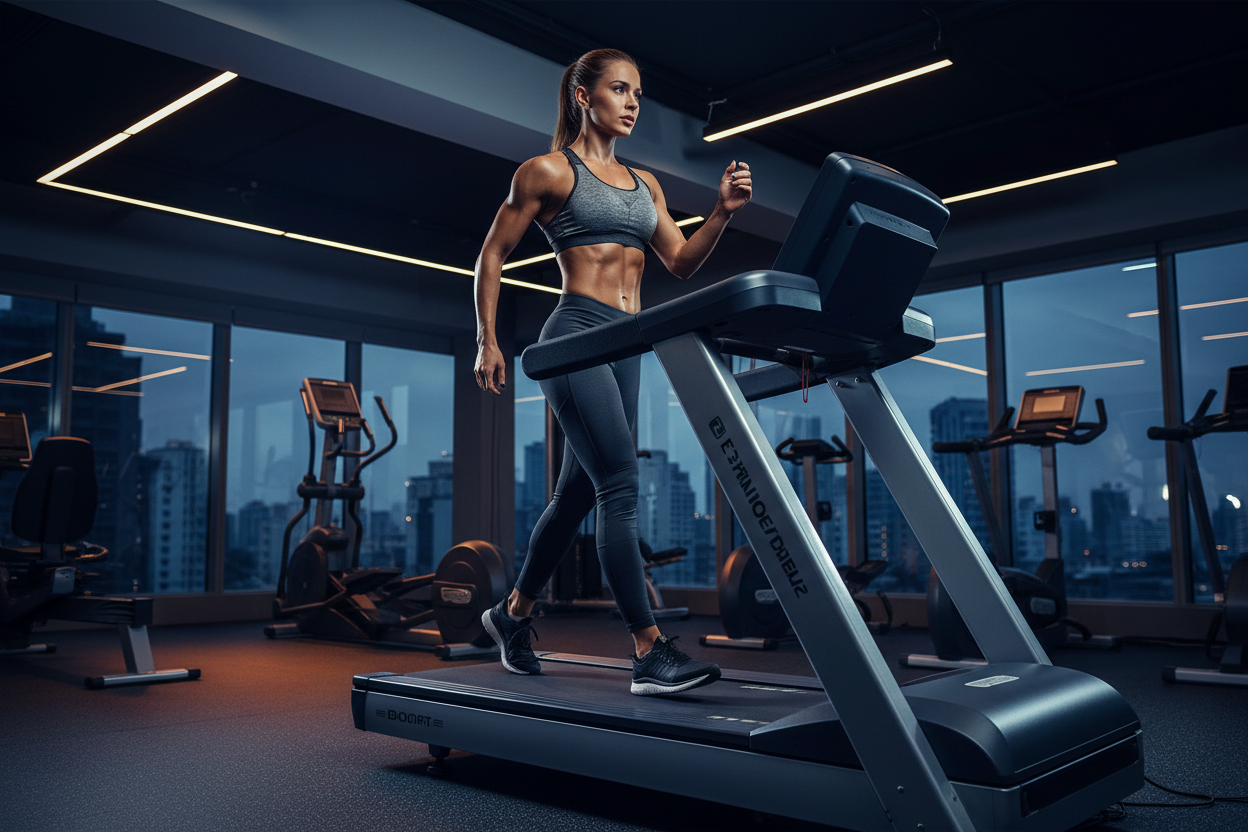
A common mistake is gripping the handrails for dear life. When you hold on, you reduce your calorie burn by up to 20% and ruin your posture. Keep your spine tall, shoulders back, and swing your arms naturally. If you need balance support, hover your hands over the rails without gripping them.
The "Walking Track Machine" Feel
Surface texture matters. A good machine mimics a walking track machine surface—providing enough grip so you don't slip, but enough give to cushion the heel strike. If the belt feels too slick, you will subconsciously shorten your stride, leading to tight hip flexors.
Selecting the Right Machine for Your Goals
Not all hardware is created equal. Your choice depends entirely on your intensity requirements.
Pure Walking vs. Hybrids
If you plan to occasionally jog, you need a running and walking machine hybrid. These have longer decks (usually at least 50 inches) to accommodate a running stride. If you only plan to walk while working or watching TV, a shorter deck is acceptable and saves significant floor space.
My Personal Experience with fitness walk machine
Let's cut through the marketing specs. I've spent hundreds of hours testing these machines, from high-end commercial units to the foldable ones you see on social media. Here is the reality of living with one.
The biggest thing specs won't tell you is the "stutter." On one budget model I tested, every time I planted my heel firmly at a 3.5 mph pace, I felt a micro-second hesitation in the belt. It wasn't broken; the flywheel just wasn't heavy enough to carry the momentum through my body weight. It drove me crazy and made me feel slightly off-balance.
Another detail: the "whine." I once bought a sleek, flat walking machine to use during conference calls. The manufacturer claimed it was "whisper quiet." In reality, at 2.0 mph, it emitted a high-pitched frequency that my noise-canceling headphones couldn't quite filter out. It didn't bother my neighbors, but it definitely annoyed my dog. If you are buying this for a shared space, check the decibel rating at top speed, not just idle.
Conclusion
Integrating a fitness walk machine into your daily routine is one of the highest ROI decisions you can make for your health. It removes the friction of getting to the gym and the physical stress of high-impact running. Focus on consistency over speed, pay attention to your posture, and choose a machine that fits your stride, not just your budget.
Frequently Asked Questions
Can you lose belly fat using a walking machine?
Yes. Walking in a "Fat Burning Zone" (typically 60-70% of your max heart rate) is highly effective for metabolizing stored fat. While it burns fewer calories per minute than sprinting, the sustainability of walking allows for longer sessions and greater total energy expenditure over time.
What is the difference between a treadmill and a walking machine?
A standard treadmill is designed for running, featuring higher speeds, inclines, and larger motors. A dedicated walking machine often lacks incline capabilities, has a lower top speed (usually capped at 4-6 mph), and is more compact for storage.
How long should I use a walking machine daily?
For general health, 30 minutes a day is the standard recommendation. However, if your goal is weight loss or endurance, aiming for 45 to 60 minutes creates a more significant caloric deficit without spiking cortisol levels often associated with intense cardio.