How to Be More Flexible When You Actually Hate Stretching
I used to spend my warm-ups staring at the clock, counting down the seconds of a hamstring stretch I absolutely loathed. I felt like a rusty gate. No matter how hard I pulled, I wasn't learning how to be more flexible; I was just irritating my tendons. If you've ever felt like your muscles are made of old leather, you're probably making the same mistake I did.
Most lifters treat flexibility like a physical tug-of-war. They think if they pull hard enough, the muscle will eventually lengthen. It doesn't work that way. Your brain is the boss, and if it thinks a position is dangerous, it will lock your joints down tighter than a rusted bolt on a 1990s squat rack. To see real my flexibility progress, you have to stop fighting your anatomy.
Quick Takeaways
- Your nervous system is the gatekeeper of your range of motion, not just your muscle length.
- Static stretching before a heavy lift can actually decrease your power and stability.
- Loaded stretching with weights is often more effective for long-term flexibility progression.
- Consistency in 5-minute daily doses beats a single hour-long session once a week.
Why Your Current Flexibility Progression Is Failing
If you're trying to force flexibility progression by gritting your teeth, you've already lost. When you yank on a cold muscle, your nervous system triggers the 'stretch reflex.' This is a protective contraction designed to stop you from tearing things. You aren't 'tight' because your muscles are physically short; you're tight because your brain is scared of the position you're in.
Brute-force static stretching is a waste of time for most stiff lifters. You spend thirty seconds in pain, your brain panics, and as soon as you stand up, the muscle snaps back to its original tension. To improve flexibility, you have to stop fighting your biology. What improves flexibility isn't intensity—it's safety. If your body doesn't feel safe in a position, it will never let you own it.
The Secret to Gaining Flexibility: Trick Your Nervous System
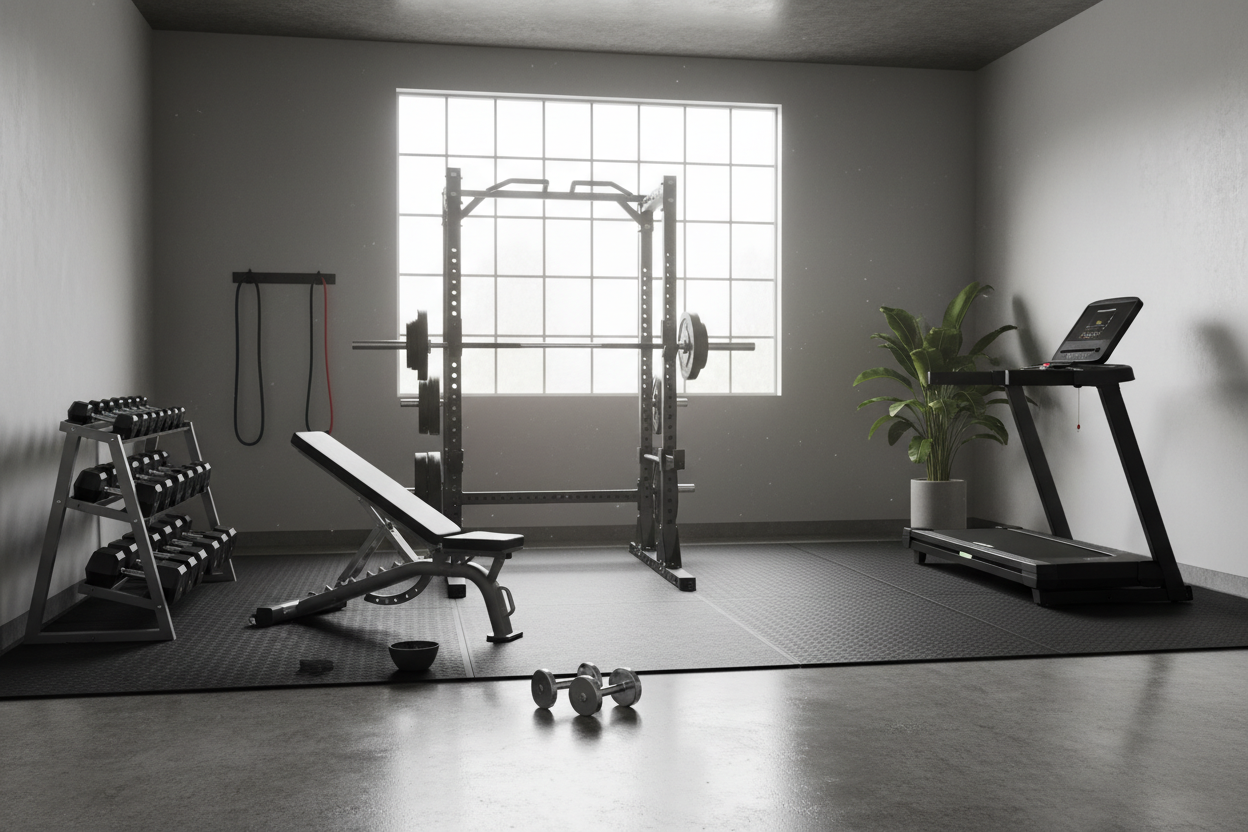
Your body needs to feel secure to let go of tension. If you're trying to work on gaining flexibility while shivering on cold, hard concrete, your muscles will never relax. Subconscious bracing is the enemy of more flexibility. I spent years trying to stretch on a bare garage floor before I realized my body was constantly 'on guard' against the hard surface. My tips for flexibility always start with the environment.
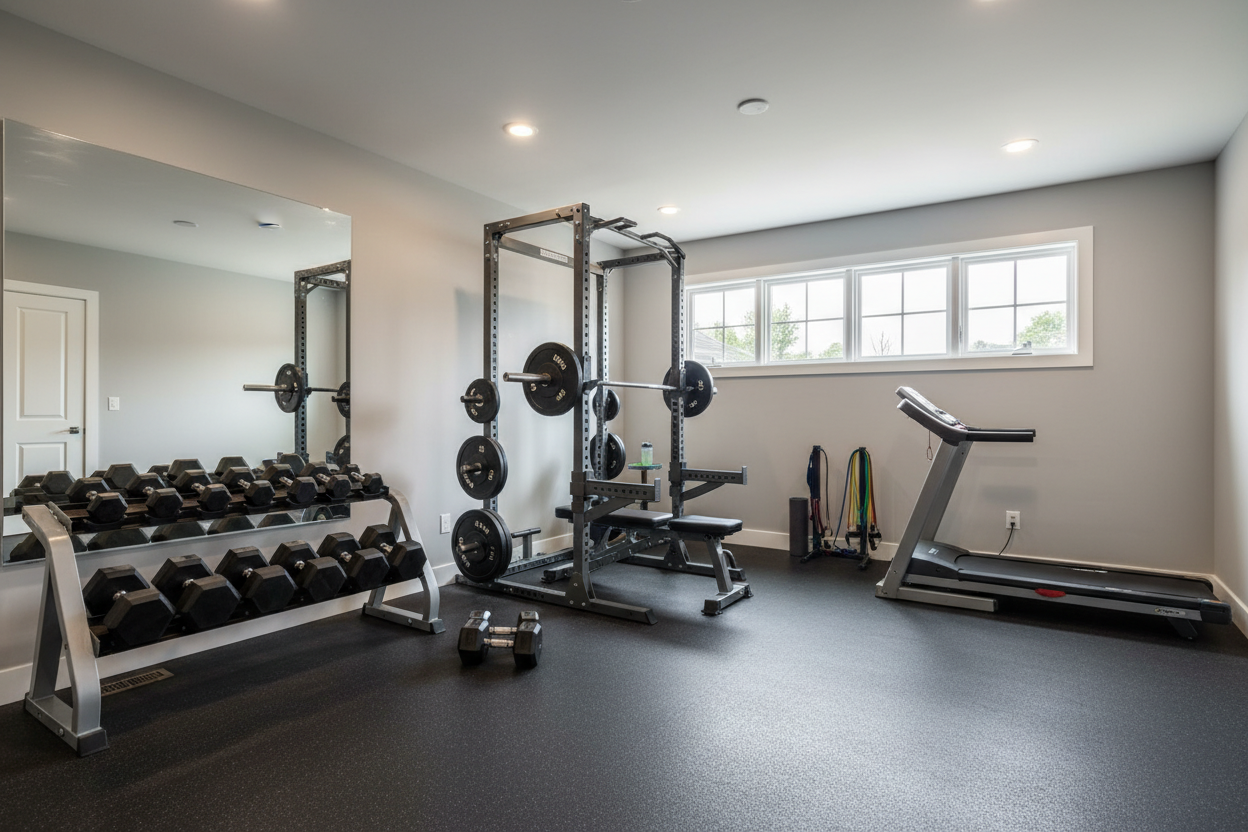
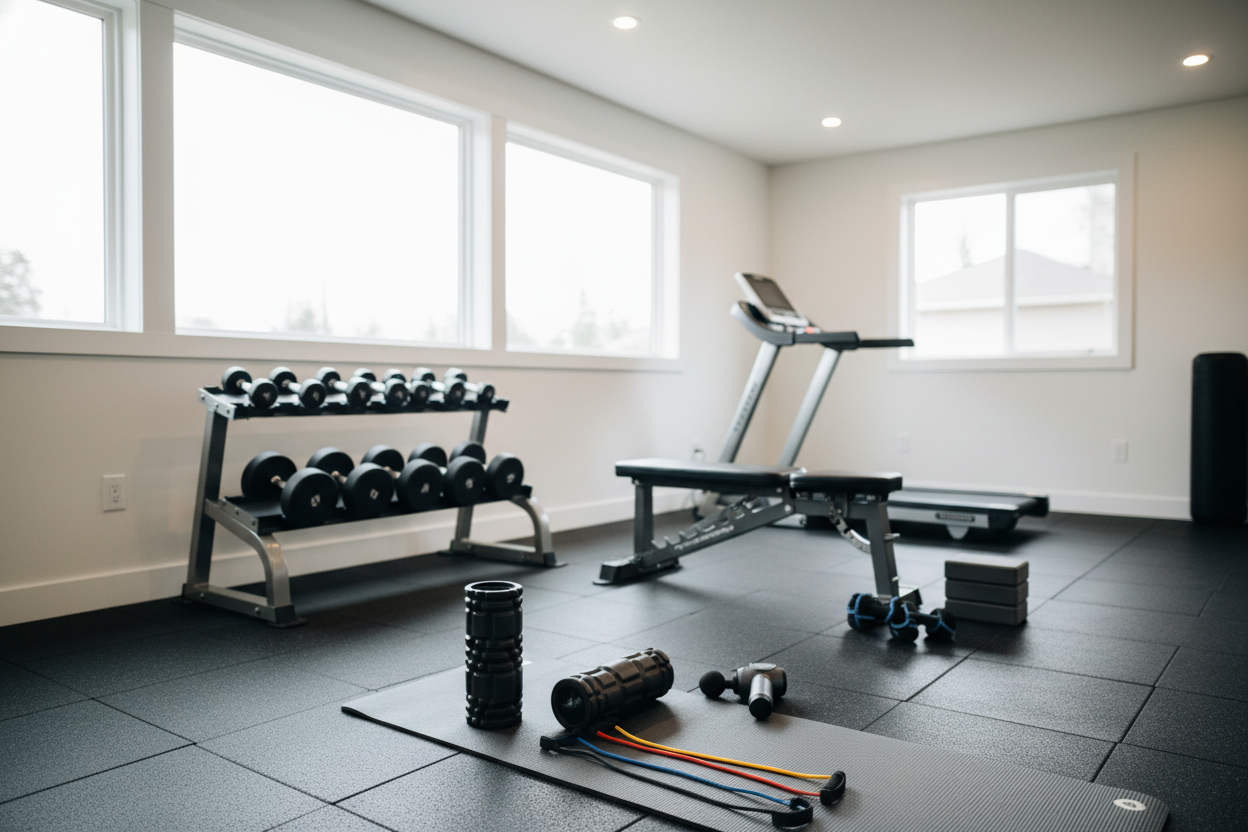
Creating a dedicated, comfortable space is a massive flexibility strategies win. Setting up thick home gym flooring signals to your nervous system that it’s okay to drop the defenses. When your joints feel supported and the surface isn't biting into your knees, your brain stops the constant 'emergency braking' and allows for high flexibility without the struggle.
Stop Stretching Cold Before You Lift
Yanking on cold muscles before a heavy session is a recipe for disaster. It can decrease your power output and does nothing for staying limber during your sets. Instead of holding a toe touch for a minute, focus on priming your legs for peak performance through dynamic movements like leg swings and air squats.
This approach helps flexibility by increasing blood flow and core temperature. Save the long, boring holds for after the work is done. Pre-workout is for movement; post-workout is for regaining flexibility and cooling the system down. If you want to increase your flexibility, do it when the engine is already hot.
Use Breathwork to Disarm Tight Muscles
You can't be super flexible if you're holding your breath. Short, shallow chest breathing keeps you in a 'fight or flight' state. To increase flexibility, you need to use long, slow exhales to tap into the parasympathetic nervous system. This is what helps flexibility faster than any fancy strap or roller.
Try combining deep exhales with upper body expansion. Using chest opening yoga for strength techniques can unlock tight pecs and lats that are usually glued shut from too much bench pressing. When you breathe deeply into the tension, the muscle finally gets the memo that it’s safe to relax, helping you increase my flexibility without the typical pain.
The Best Way to Improve Flexibility Is With Weights
Passive stretching is boring and often temporary. If you want to know what improves flexibility for the long haul, look at your lifting program. Loaded stretching—think deep Romanian deadlifts or goblet squats with a pause at the bottom—is the best way to improve flexibility is with resistance. It forces your body to build strength at its end-range of motion.
When you have extra flexibility that is backed by strength, your brain is much more likely to let you keep that range. It sees the new position as 'useful' rather than 'vulnerable.' This is the ultimate flexibility tips hack: don't just stretch into a position, own it with a weight in your hands. This is how you improve your flexibility while actually building muscle at the same time. To increase flexibility you must include some form of loaded movement to make the changes stick.
How to Maintain Flexibility and Keep Staying Limber
You don't need hour-long sessions to stay flexible. The goal is how to maintain flexibility without making it a second job. Five minutes of working on flexibility every day is infinitely better than a two-hour yoga class once a month. Consistency is the only way to convince your nervous system that this new range of motion is the new normal.
Pick two or three movements that target your biggest sticking points—maybe your ankles and your thoracic spine—and hit them every morning while the coffee brews. This minimalist how to work on flexibility approach makes it easy to stick to. If you want to improve my flexibility, you have to make it a non-negotiable part of your daily rhythm, just like brushing your teeth.
My Personal Experience
For years, I blamed my 'bad genetics' for my stiff ankles. I bought the most expensive heel-elevated lifting shoes just to hit depth on a squat. I realized eventually that I was just avoiding the problem. I started doing 5 minutes of weighted ankle stretches every day after my workouts. It sucked for the first two weeks, and I felt zero progress. But by week four, I could suddenly hit a full squat barefoot. My mistake was looking for a magic stretch when I really just needed to stop being lazy with the boring 5-minute daily work. What can you do to improve your flexibility is often just the thing you're avoiding.
FAQ
What is flexible exercise?
It's any movement that takes a joint through its full range of motion under control. Think of a deep lunge or a controlled overhead reach. It's about active control, not just flopping around on a mat.
How to increase your flexibility quickly?
The fastest way to increase your flexibility is to combine heat, breathwork, and loaded movement. Warm the muscle first, use long exhales to relax the nervous system, and use a light weight to 'pull' you into the new range of motion safely.
How to stay flexible with a busy schedule?
Stop thinking in 60-minute blocks. How to stay flexible is about frequency. Spend 2 minutes in a deep squat and 2 minutes in a doorway chest stretch every single day. It’s the daily exposure that counts, not the total duration.