Stop Stretching Cold: How to Prime Your Legs for Peak Performance
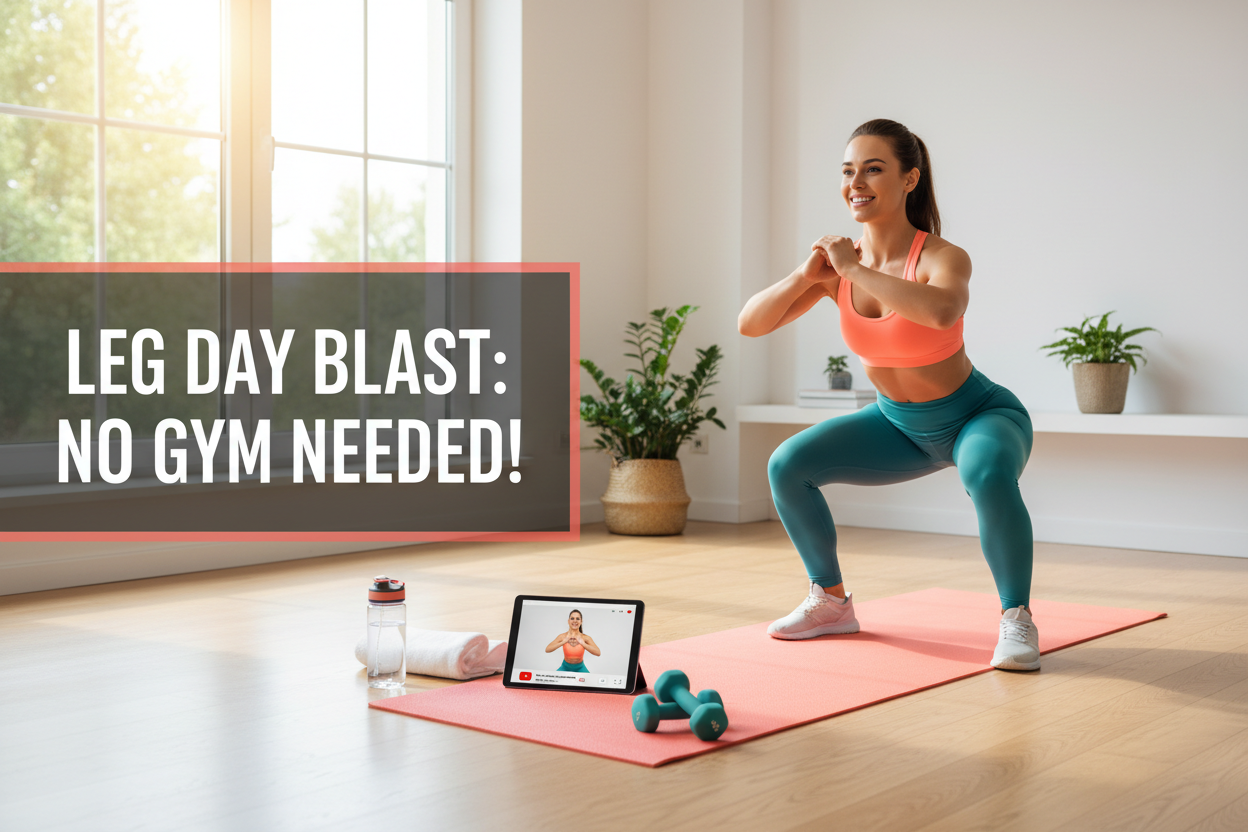
Most people have been taught since grade school gym class that the best way to prepare for physical activity is to sit on the floor and reach for their toes. While the intention is good, the method is outdated. If you are about to go for a run, lift heavy weights, or play a sport, your muscles need active preparation, not passive elongation. This is where dynamic leg exercises come into play. These movements involve taking your joints through a full range of motion while moving, effectively waking up your nervous system and pumping oxygen-rich blood to the working muscles. Unlike static stretching, which can actually temporarily weaken the muscle if done before a workout, dynamic movement prepares the body for the specific demands of the activity you are about to perform.
I learned this lesson the hard way a few years back. I was training for a half-marathon and religiously spent fifteen minutes sitting on the grass stretching my hamstrings before every long run. Despite this, I felt sluggish for the first two miles, and my knees often ached afterward. One afternoon, a track coach watched my warm-up and shook his head. He told me I was putting my muscles to sleep right before asking them to fire. He had me switch to leg swings, high knees, and walking lunges. The difference was immediate. My stride opened up earlier in the run, the knee pain vanished, and I felt explosive rather than loose but lethargic. That shift in perspective changed how I approach every single training session since.
The Mechanics of Movement Preparation
To understand why moving is better than holding a stretch, think of your muscles like rubber bands. If you take a cold, dry rubber band and pull it to its limit, it might snap or lose its elasticity. If you warm it up by gently stretching and releasing it repeatedly, it becomes pliable and resilient. A proper dynamic leg workout mimics this warm-up process. It increases the core body temperature and lubricates the joints with synovial fluid.
This type of training also engages the neuromuscular system. You aren't just warming up the tissue; you are establishing a connection between your brain and your muscles. When you perform a lunge with a twist, you are telling your glutes, quads, and core to coordinate stability and power. This coordination is vital for preventing injury when the intensity ramps up.
Essential Moves for Your Routine
Building an effective warm-up doesn't require complex equipment. You need a bit of space and gravity. The following movements target the hips, hamstrings, quads, and calves, covering the major movers required for almost any athletic endeavor.
Forward and Lateral Leg Swings
These are the bread and butter of hip mobility. Find a wall or a sturdy post for balance. For forward swings, keep your torso upright and swing one leg forward and backward like a pendulum. Do not force the height; let it increase naturally as the hip loosens. This targets the hip flexors and hamstrings. Switch to lateral swings by facing the wall and swinging your leg across the front of your body and then out to the side. This opens up the adductors (inner thigh) and abductors (outer hip), areas that are notoriously tight in people who sit at desks all day.
Walking Lunges with Rotation
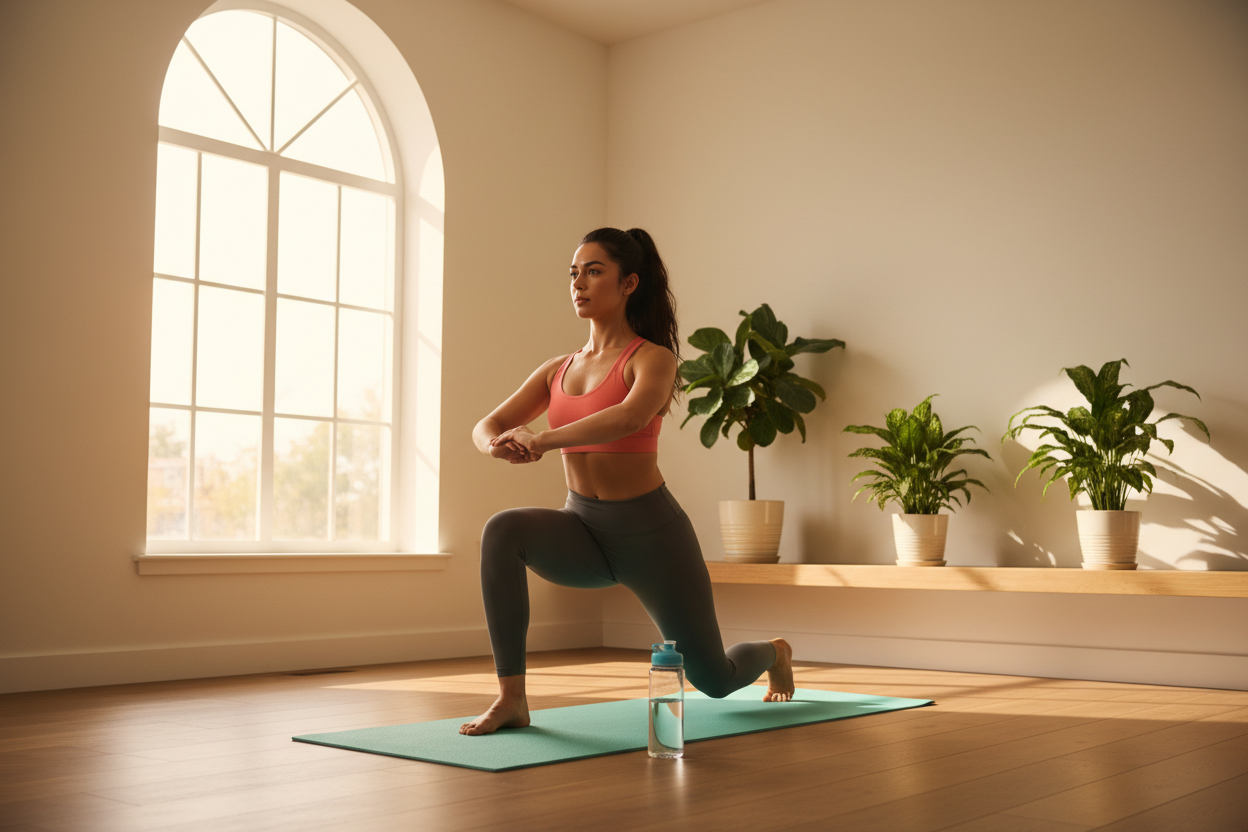
This move serves a dual purpose: it activates the legs and mobilizes the thoracic spine. Step forward into a lunge, ensuring your front knee doesn't collapse inward. As you sink into the lunge, twist your torso toward the side of the front leg. This rotation stretches the hip flexor of the trailing leg while engaging the core. It is a fundamental component of any dynamic lower body workout because it forces you to stabilize through movement, mimicking the mechanics of running and cutting.
High Knees and Butt Kicks
These are often done incorrectly, with people flailing their limbs. The goal is precision. For high knees, drive your knee up toward your chest rapidly while landing on the ball of your foot. This fires up the hip flexors and prepares the calves for impact. Butt kicks involve bringing your heel to your glute with each step, which actively warms up the hamstrings and stretches the quadriceps dynamically. Perform these over a distance of 15 to 20 yards.
The Inchworm
While this looks like a hamstring stretch, the movement makes it dynamic. Start standing, hinge at the hips to touch the floor, and walk your hands out into a high plank position. Pause for a second to engage your core, then walk your feet toward your hands, keeping your legs as straight as possible. This lengthens the entire posterior chain—calves, hamstrings, and lower back—under control.
Structuring the Warm-Up
Timing and intensity matter. You shouldn't be exhausted after your warm-up, but you should have broken a light sweat. A solid routine takes about 5 to 10 minutes. Start with the lower impact movements like leg swings. Do 10 to 15 repetitions per leg. Move into the walking variations like lunges and inchworms next. Finally, finish with the higher tempo movements like high knees or skipping. This progression gradually elevates your heart rate.
If you are preparing for a heavy lifting session, such as squats or deadlifts, you might add bodyweight squats or glute bridges to the mix. The goal is to mimic the movement pattern you are about to load. If you are preparing to sprint, focus more on the rapid turnover of high knees and pogos (small, bouncy jumps).
Mistakes to Avoid
There is a fine line between dynamic stretching and ballistic stretching. Ballistic stretching involves bouncing or forcing a limb beyond its normal range of motion using momentum. That can cause injury. Dynamic movement is controlled. You should always feel in charge of the limb's path. If you feel a sharp pain, you are pushing too far or too fast.
Another common error is rushing through the motions without focus. Swinging your leg mindlessly won't yield the same benefits as focusing on the contraction and the stretch. Intent matters. Treat the warm-up as the first set of your workout, not just an annoyance to get out of the way.
Long-Term Benefits
Consistently using a dynamic lower body workout before training does more than just prevent acute injury. Over time, it improves your functional range of motion. Unlike static flexibility, which is the ability to be pushed into a position, dynamic mobility is the ability to move yourself into that position with strength. This translates to deeper squats, longer running strides, and better agility on the field. It creates a body that is not just flexible, but capable and resilient.
Frequently Asked Questions
Can I do dynamic exercises every day even if I'm not working out?
Yes, you can. Doing a short routine of leg swings and bodyweight lunges in the morning is an excellent way to wake up the body and combat stiffness from sleeping, improving blood flow and mobility for the day ahead.
How long should I perform each movement?
Focus on repetitions or distance rather than time. Aim for 10 to 15 repetitions per side for stationary moves like leg swings, or 15 to 20 yards of distance for traveling moves like lunges or high knees.
Should I ever do static stretching?
Static stretching still has a place, but it is best reserved for after your workout is finished. Post-workout static stretching can help relax the nervous system and improve resting flexibility while the muscles are already warm.