The Leg Day Blueprint: How to Build Serious Lower Body Power
Building a powerful lower body requires more than just showing up to the gym and hopping on a few machines. It demands a strategic approach that balances intensity, volume, and recovery. If you are wondering how to build a leg workout that actually delivers results, the answer lies in prioritization. You must center your routine around compound movements, manage your fatigue, and consistently challenge your muscles with progressive overload. A haphazard collection of exercises won't cut it; you need a structured plan designed to force adaptation.
The Foundation: Best Workouts for Strong Legs
True lower body power starts with compound lifts. These are multi-joint movements that recruit the maximum amount of muscle fiber and trigger the greatest hormonal response. When identifying the best workouts for strong legs, the barbell squat inevitably sits at the top of the list. Whether you choose a high-bar back squat, a low-bar variation, or a front squat, the mechanics of sitting down with a load and standing back up are fundamental to human movement and strength.
Deadlifts constitute the second pillar of a solid leg strength workout routine. While squats emphasize the quadriceps and glutes, deadlifts hammer the posterior chain—the hamstrings, glutes, and lower back. Neglecting the posterior chain is a common error that leads to muscle imbalances and knee injuries. For pure hypertrophy, the Romanian Deadlift (RDL) is often superior to the conventional deadlift because it keeps constant tension on the hamstrings throughout the movement.
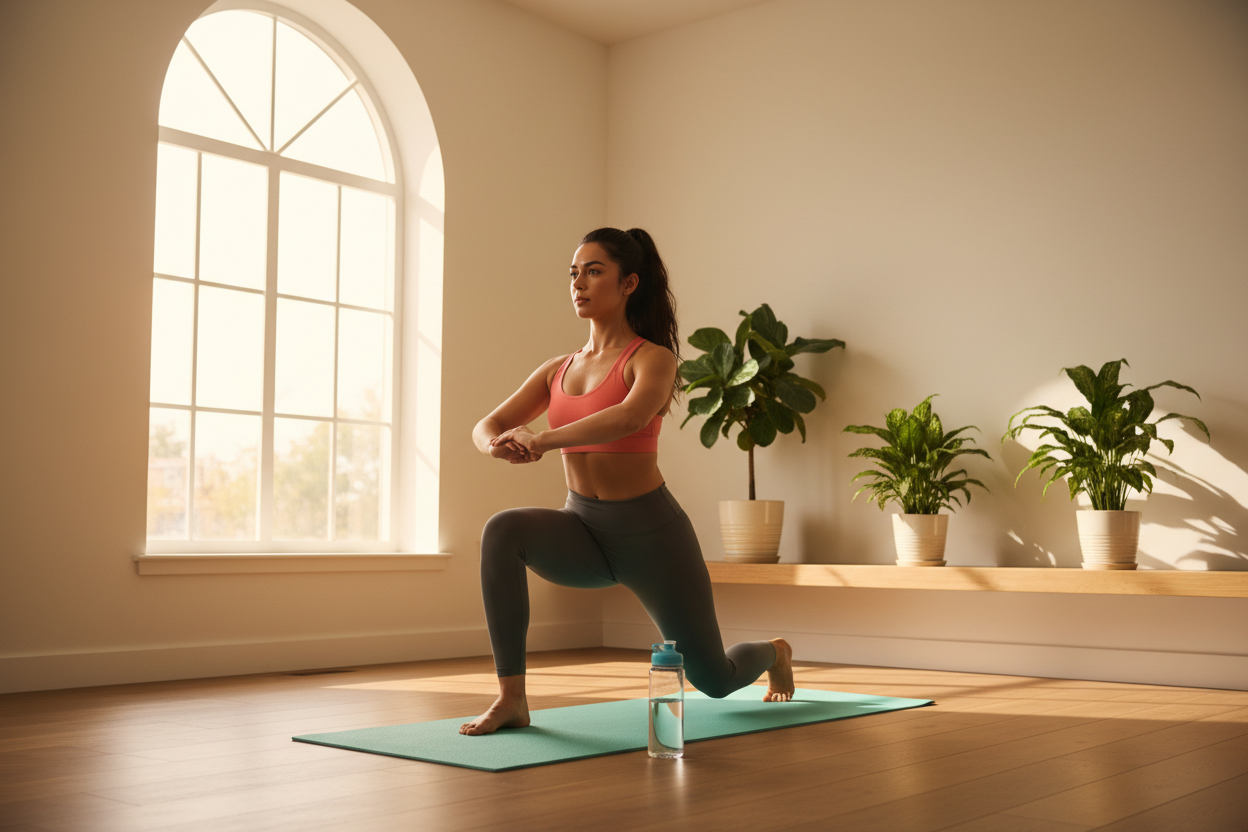
Lunges and split squats act as the necessary bridge between bilateral strength and functional stability. Unilateral training (working one leg at a time) exposes weaknesses. If your right leg is significantly stronger than your left, a heavy barbell squat will only mask that imbalance. Incorporating Bulgarian split squats or walking lunges ensures that both legs are pulling their weight equally.
Volume and Intensity: How Heavy and How Often?
One of the most frequent questions lifters ask is how many sets for legs workout sessions are optimal. The answer depends on your training experience, but for most intermediate lifters aiming for strength and size, 10 to 20 hard sets per muscle group per week is the sweet spot. This doesn't mean you need to do 20 sets of squats in one day. Instead, spread that volume across two sessions during the week to maintain higher intensity.
To stimulate growth, you must engage in a heavy weight leg workout regularly. High-repetition training has its place for endurance and metabolic stress, but mechanical tension is the primary driver of strength. This usually means working in the 4 to 8 repetition range for your main compound lifts. When you push heavy loads, your central nervous system learns to recruit more motor units, leading to denser, stronger muscle tissue.
However, heavy doesn't mean training to absolute failure on every set. Leaving one or two reps in the tank (RPE 8 or 9) allows you to maintain proper form and recover effectively for the next set. Grinding out ugly reps increases injury risk without offering significant extra benefits for strength gains.
Structuring the Session: How to Build a Leg Day Workout
Designing a session can be overwhelming given the sheer number of machines and variations available. When figuring out how to build a leg day workout, follow a simple hierarchy: explosive movements first, heavy compounds second, and isolation exercises last.
1. Warm-up and Mobility
Start with dynamic stretching and activation drills. Focus on ankle mobility and hip flexor release. Five to ten minutes here can make the difference between hitting depth in your squat and rounding your lower back.
2. The Primary Compound Lift
This is where you expend the most energy. Pick your main exercise to increase leg muscles—typically a Squat or Deadlift variation. Perform 3 to 5 sets in the lower rep range (5-8 reps). Rest periods should be longer here, around 3 to 5 minutes, to allow full ATP recovery.
3. Secondary Compound Movements
Move to exercises that support the main lift but require slightly less neurological drive. Leg presses, Hack Squats, or Romanian Deadlifts fit well here. Aim for 3 to 4 sets in the moderate rep range (8-12 reps). These leg workouts to build strength focus more on muscle exhaustion than pure neurological power.
4. Isolation and Accessories
Finish with movements that isolate specific muscles to induce metabolic stress. Leg extensions for quads and leg curls for hamstrings are staples. Calf raises should also be included here. Aim for higher reps (12-15+) to flush blood into the muscle and maximize the pump.
A Lesson Learned the Hard Way
I spent my early years in the gym obsessed with the numbers on the bar, ignoring the quality of the movement. I thought a heavy weight leg workout meant simply moving the weight from point A to point B, regardless of how it looked. I would load up the leg press with every plate in the gym and perform quarter-reps, convincing myself I was getting stronger. It worked for a while, until my knees started aching constantly and my quad development stalled completely.
The turning point came when I stripped the weight back and focused on full range of motion. I dropped my squat weight by nearly 30% and focused on controlling the eccentric (lowering) phase. It was humbling, but within six months, my legs were noticeably bigger and, ironically, my strength surpassed my previous "ego-lifting" numbers. Real leg day strength is built through control, not momentum.
Tracking Leg Workout Progress
You cannot manage what you do not measure. Leg workout progress isn't always linear; you won't add 5 pounds to the bar every single week forever. However, the trend should be upward over time. Keep a logbook or use an app to track your lifts. If you squatted 225 lbs for 5 reps last week, try for 6 reps this week, or 230 lbs for 5 reps.
Progress can also come in the form of better technique or shorter rest periods. If you perform the same weight with better depth and control, that is progress. Leg day workout strength is a marathon, not a sprint. Consistency in tracking ensures you are applying progressive overload, which is the non-negotiable requirement for growth.
Recovery and Nutrition
You don't grow in the gym; you grow while you sleep. Leg training is incredibly taxing on the body. It creates significant systemic fatigue that can affect your energy levels for days. Prioritize protein intake to repair the damaged muscle fibers and ensure you are getting adequate sleep. If you are hitting legs hard twice a week, ensure there are at least two days of rest or upper-body training in between to allow for full recovery.
FAQ
How often should I train legs for maximum growth?
For most natural lifters, training legs twice a week is optimal. This frequency allows you to split the volume (e.g., one quad-focused day and one hamstring/glute-focused day) and hit the 10-20 weekly set goal without suffering from excessive fatigue in a single session.
Can I build big legs without squats?
Yes, while squats are excellent, they are not mandatory if you have back issues or poor mechanics. You can build significant mass using Leg Presses, Hack Squats, and Bulgarian Split Squats, provided you apply progressive overload and maintain high intensity.
What should I do if my leg strength hits a plateau?
If your progress stalls, try changing your rep ranges or exercise variations for a few weeks (periodization). Alternatively, examine your recovery factors; you may need more calories or sleep to support the increasing demands of your heavy lifting sessions.