Junk Volume is Ruining Your Weight Training for Arms and Chest
I remember spending ninety minutes in a commercial gym, hovering around a cable station like a vulture just to get my sets of flyes in. I was sweating, I was tired, and I had a great pump, but my shirt size hadn't changed in two years. If you are stuck in that loop of doing 'more' without seeing 'more,' your weight training for arms and chest is likely suffering from junk volume—the extra sets that provide plenty of fatigue but zero actual muscle growth.
Quick Takeaways
- Prioritize mechanical tension over the 'burning' sensation of high reps.
- Two heavy compound movements beat five isolation exercises every time.
- Dips and close-grip presses are the fastest way to thick triceps.
- Consistency with a barbell is better than variety with cables.
The Cable Crossover Trap We All Fall Into
The fitness industry loves variety because it sells subscriptions and new gear. We have been told that to build a chest, you need to hit it from seventeen different angles with cables, machines, and pec decks. Most of this is just fluff. When you do six different variations of chest flyes and triceps pushdowns in a single session, you aren't stimulating growth; you're just exhausting the muscle to the point where it can't recover for the next session.
I’ve seen guys spend forty minutes on triceps extensions and then wonder why their bench press has been stuck at 185 pounds for six months. You only have a finite amount of recovery energy. If you spend it all on isolation movements that don't allow for heavy loading, you’re leaving gains on the table. Stop chasing the burn and start chasing the weight on the bar.
Why Heavy Compounds Beat Endless Isolation
Muscle growth is primarily driven by mechanical tension. To get thick triceps and a dense chest, you need to move loads that force the fibers to adapt. A heavy weighted dip or a close-grip bench press allows you to move hundreds of pounds, whereas a cable kickback limits you to a fraction of that. You don't need a massive footprint of specialized weight lifting machines to get a massive upper body pump; you just need to get strong at the basics.
Think about the most impressive physiques you see in a local powerlifting gym. Those guys often have massive triceps and chests, yet they rarely touch a cable machine. They focus on the 'big' versions of movements. If you can dip with two plates hanging from your waist, your arms will be bigger than the guy doing high-rep rope pushdowns with 30 pounds. It is physics, not magic.
Rethinking Weight Lifting Exercises for Arms and Chest
When you are selecting weight lifting exercises for arms and chest, you have to look at how muscles work together. Your triceps are the primary secondary movers in every pressing movement. Instead of training them in isolation after they are already fried, try pairing your chest work with movements that allow the arms to contribute fully. I’ve found that alternating a heavy incline press with a heavy weighted pull-up keeps the joints healthy while allowing for maximum intensity on the 'push' muscles.
The Bare-Bones Upper Body Setup
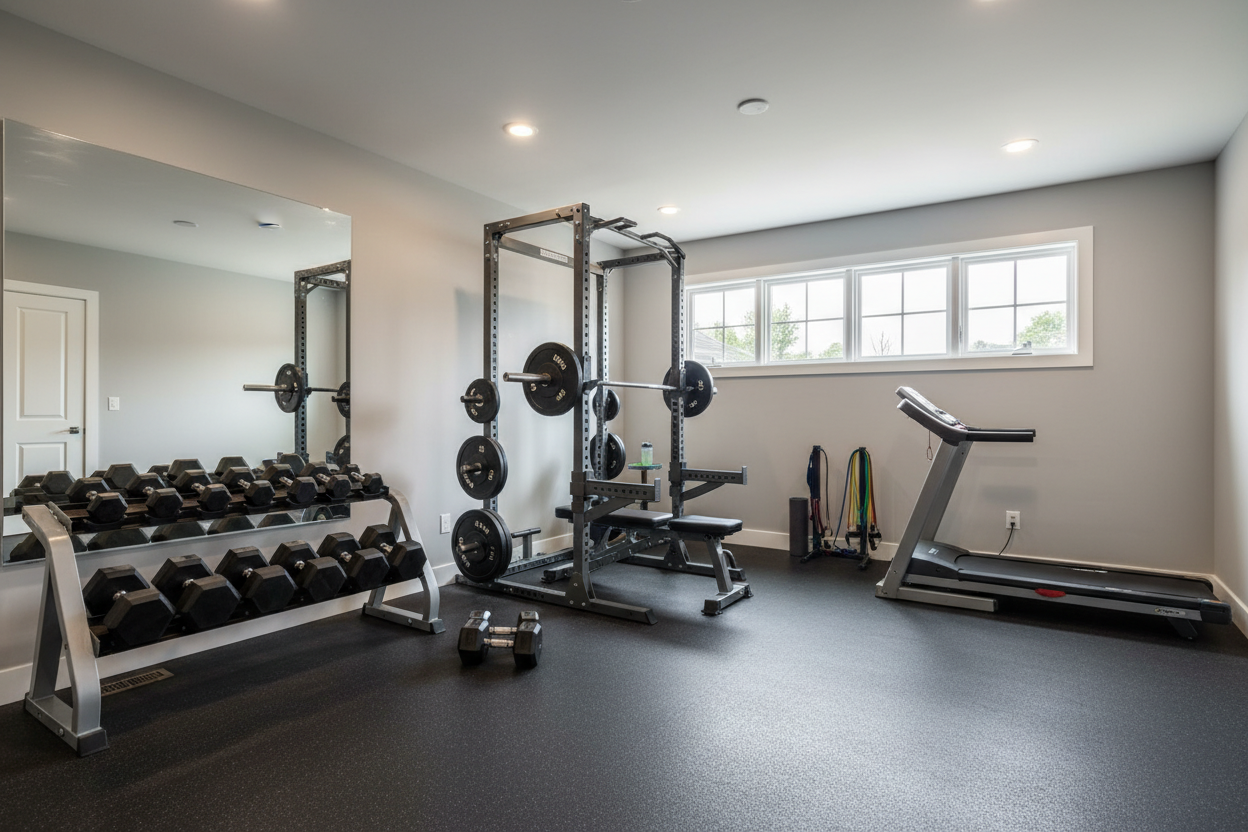
I built my current chest and arms in a garage that is barely 120 square feet. I don't have a functional trainer or a row of selectorized machines. A high-quality weight set and bench is the foundation of any serious upper body routine. I’ve owned cheap benches that wobbled when I tried to press over 225 pounds—it is terrifying and a great way to tear a rotator cuff. Buy once, cry once.
When you're outfitting a space, don't get distracted by the shiny stuff. Filtering through the marketing noise when choosing strength and weight training equipment is about finding gear that handles the load you plan to lift three years from now, not just what you can lift today. A 3x3 steel rack and a barbell with decent knurling will do more for your physique than any 'as seen on TV' home gym ever could.
My Stripped-Down Routine for Upper Body Mass
Here is what I actually do. No fluff, no three-hour marathons. I use an adjustable weight bench set to a 30-degree incline for my primary movement. This angle hits the upper pectoral fibers without destroying the front delts. I follow that with weighted dips—leaning forward to keep the tension on the chest—and finish with a heavy barbell curl. That is it.
- Incline Barbell Press: 3 sets of 6-8 reps.
- Weighted Dips: 3 sets of 8-10 reps.
- Barbell Curls: 3 sets of 8-10 reps.
- Close-Grip Bench: 2 sets to failure.
The goal is progressive overload. If I did 205 for 6 last week, I’m aiming for 205 for 7 or 210 for 6 this week. If you aren't tracking your numbers, you aren't training; you're just exercising.
Stop Overthinking the Pump
The 'pump' is a temporary physiological response—blood rushing to the muscle. It feels great and looks good in the mirror, but it is not a primary driver of hypertrophy. If you're chasing that burning sensation with light weights, you're distracting yourself from the actual strength gains that build long-term mass. Focus on the weight, eat enough protein, and stop doing twenty sets for a muscle the size of your fist. Your joints and your t-shirts will thank you.
FAQ
Do I need dumbbells for a big chest?
No, but they help with range of motion. A barbell allows for more total weight, which is better for raw mass, but dumbbells are great for fixing imbalances.
How often should I train arms and chest?
Twice a week is the sweet spot. It gives you enough frequency to grow without overtaxing your central nervous system or your elbows.
Can I build big arms without curls?
You can build decent arms with just heavy rows and pull-ups, but if you want that peaked look, you need some direct bicep work. Just don't make it the centerpiece of your workout.