I Ignored the Principles of Strength Training and Wrecked My Shoulders
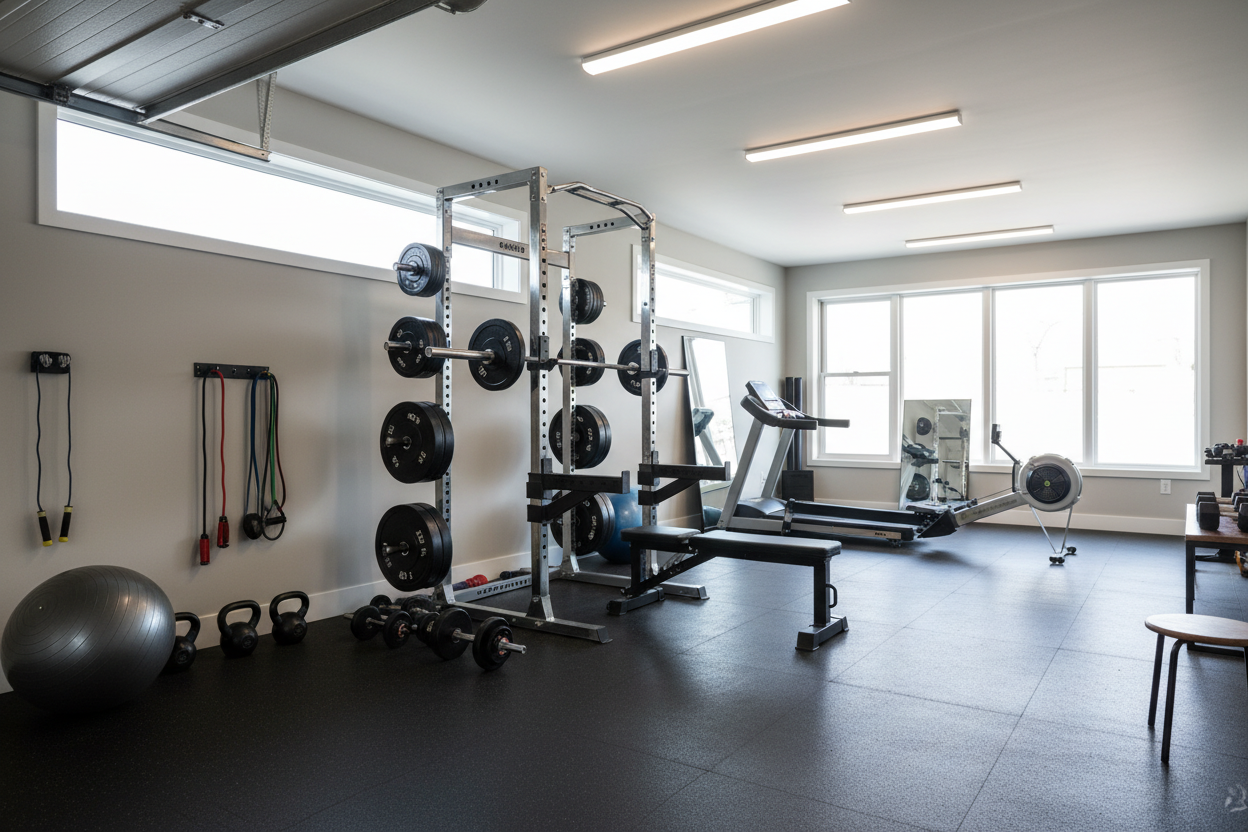
I remember sitting on my weight bench at 11 PM, smelling of stale sweat and regret, wondering why my left shoulder felt like it was being poked with a hot needle. I had just finished a high-intensity metabolic burner I found on a random forum, the fourth different workout style I had tried that month. I was chasing muscle confusion, but the only thing confused was my central nervous system. I had a garage full of gear, yet I was weaker and more beat up than I was six months prior. That was the night I realized I had completely abandoned the principles of strength training in favor of shiny-object syndrome.
- Progressive overload is the only way to actually force your body to change.
- Specificity means your training must match your actual goals, not just make you tired.
- Recovery is a physiological requirement, not a sign of laziness.
- Consistency with a basic program beats intensity with a complex one every time.
The Year I Broke Myself Chasing 'Muscle Confusion'
For a solid twelve months, I was the king of variety. I thought that if I did the same workout twice, my muscles would get bored and stop growing. I was jumping from kettlebell flows to high-rep bodybuilding splits to plyometric circuits. My garage was a graveyard of half-finished programs. I was constantly sore, but my numbers on the big lifts were stagnant. Worse, my joints were screaming. Because I never stayed with one movement long enough to master the technique, I was manhandling weights with poor form just to 'feel the burn.'
I ignored the core strength training principles that actually build a foundation. I was so focused on the pump and the sweat that I forgot that strength is a skill. By constantly changing the stimulus, I never gave my body the chance to adapt to anything. I ended up with a nagging rotator cuff tear and a squat that looked the same as it did three years ago. I had to strip everything back to the basics and admit that my 'advanced' variety was just a mask for a lack of discipline. Real progress is usually boring, and I wasn't willing to be bored.
Principle 1: Progressive Overload (Or, Why Your Pink Dumbbells Stopped Working)
If you want to get stronger, you have to give your body a reason to change. That is the essence of progressive overload. Your body is a survival machine; it wants to maintain the status quo. If you lift 20 pounds today, and you lift 20 pounds next year, your body has no reason to build more muscle tissue or densify your bones. You have to systematically increase the stress. This doesn't just mean adding weight, though that is the gold standard. It can mean more reps, shorter rest periods, or better technical execution of the same weight.
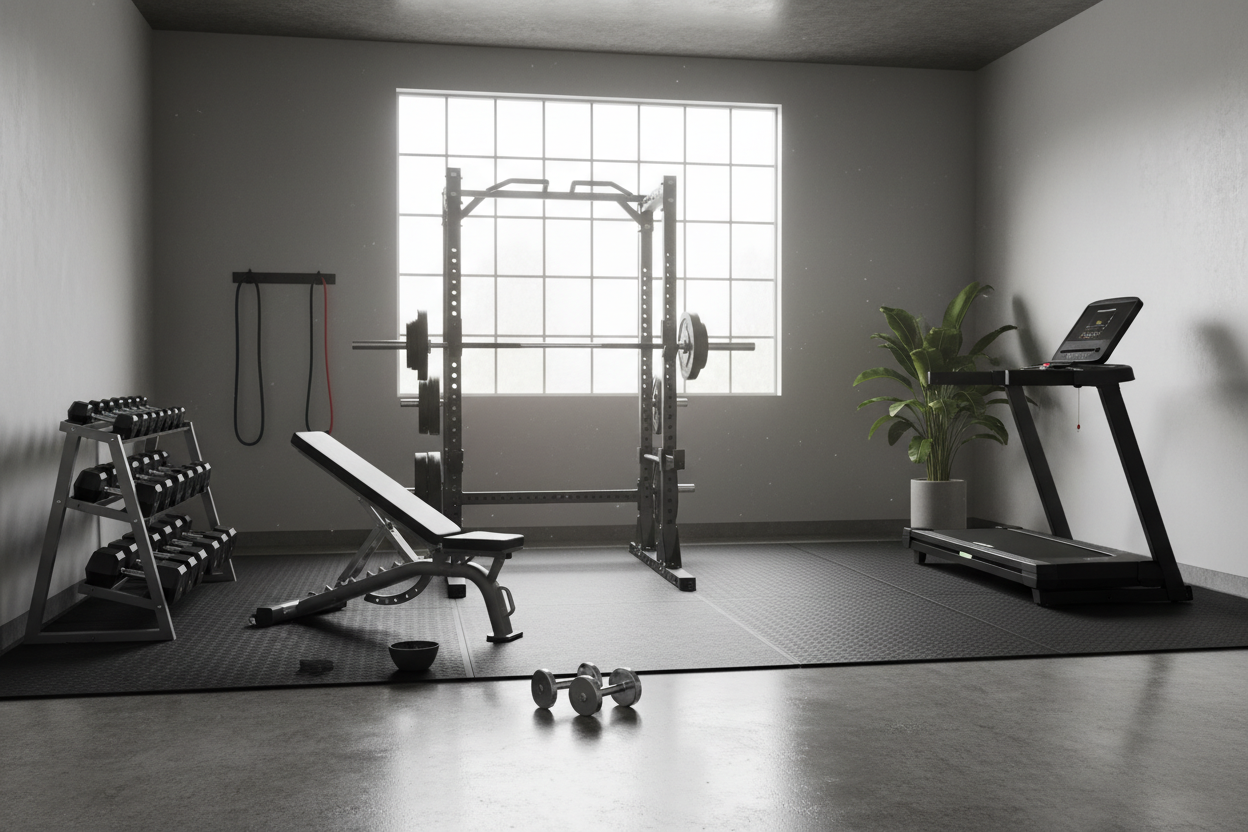
I see people in the gym doing the exact same circuit with the exact same weights for years. They look exactly the same as the day they started. You don't need a 12-way adjustable cable crossover or a vibrating platform to fix this. Most of my best gains came from basic strength equipment like a solid power rack and a barbell. When I finally started tracking my lifts and forcing myself to add just five pounds to the bar every week, my body finally started responding. It wasn't fancy, but it was effective. If the logbook isn't showing an upward trend over months and years, you aren't training; you're just exercising.
Principle 2: Specificity Means Knowing What You Actually Want
You cannot be a world-class marathoner and a world-class powerlifter at the same time. The SAID principle—Specific Adaptation to Imposed Demands—dictates that your body gets better at exactly what you tell it to do. If you want a 400-pound squat, you have to squat heavy weights. Doing 100 air squats might give you a cardiovascular boost, but it won't build the neurological drive or the structural integrity needed to move a heavy barbell. I spent too much time trying to be 'generally fit' and ended up being mediocre at everything.
When I audited my goals, I realized I wanted raw strength. That meant I had to stop doing 20-minute AMRAPs that left me too exhausted to lift heavy the next day. I had to accept that not all forms of strength training are actually created equal when it comes to specific outcomes. A HIIT class is great for burning calories, but it's a terrible way to build a 300-pound bench press. Once I aligned my exercise selection with my actual goals, the progress finally started to stick. Specificity is about cutting the fluff that doesn't move the needle on your primary objective.
Principle 3: Recovery Is Where the Muscle Actually Grows
The gym is where you go to break your body down. The kitchen and the bedroom are where you actually build it back up. I used to think that taking a rest day was for the weak. I’d hit the garage seven days a week, fueled by pre-workout and ego. All I got for my effort was chronic fatigue and a resting heart rate that looked like I was permanently running a 5K. Your muscles don't grow while you're lifting; they grow while you're sleeping and eating.
Systemic recovery is the most underrated of the principles of strength training. When you lift heavy, you're stressing your central nervous system, your joints, and your connective tissue—all of which take longer to heal than your muscles. I started forcing myself to take two full days off a week. I focused on getting eight hours of sleep and hitting my protein targets. The result? I came back to the bar feeling explosive rather than exhausted. If you're constantly 'grinding' but your numbers are dropping, you aren't hardcore; you're just under-recovered.
Principle 4: Consistency Beats Intensity Every Single Time
We’ve all seen the guy who goes 'beast mode' for three weeks, buys all the supplements, and then disappears for two months because he burnt out or got hurt. I was that guy. I’d run a high-volume Russian squat program, see great results, and then be so wrecked I couldn't train for a month. A mediocre program done with 90% consistency for three years will absolutely destroy a 'perfect' program done for three weeks. The best program is the one you can actually show up for when you’re tired, busy, or unmotivated.
I eventually learned to simplify my setup and my routine. I stopped looking for the latest gadget and realized I only use 4 pieces of strength training equipment at the gym most of the time because simplicity removes the friction of starting. When your workout is built on a few compound movements, it’s easier to track, easier to progress, and much easier to stick to. Consistency isn't about being perfect; it's about not having long gaps of zero activity. The gains are in the aggregate of thousands of boring, successful sets.
How to Audit Your Current Workout Program Today
If you're feeling stuck, it’s time to be honest with yourself. Take a look at your training log from the last three months. If you don't have a training log, that’s your first red flag. Ask yourself these four questions: Is the weight on the bar higher than it was twelve weeks ago? Do my exercises actually reflect my number one goal? Am I sleeping at least seven hours a night? Have I missed more than two workouts this month? If the answer to any of these is 'no,' you're breaking the laws of physiology.
Fixing it doesn't require a new $2,000 machine. It requires going back to the strength training principles that have worked since the first guy picked up a heavy rock. Pick 3-5 big compound movements. Perform them 2-4 times a week. Add a little bit of weight or one extra rep every time you hit the gym. Eat enough to support the work, and get to bed on time. It isn't flashy, and it won't get you many likes on social media, but it will actually make you stronger. Stop chasing the 'new' and start mastering the 'essential.'
Do I need to change my exercises every few weeks?
No. In fact, you shouldn't. It takes your nervous system a few weeks just to get efficient at a movement. If you switch it too soon, you're missing out on the phase where you can actually move heavy weight. Stick with the same core lifts for at least 8-12 weeks.
How much weight should I add each week?
For most people, 2.5 to 5 pounds on upper body lifts and 5 to 10 pounds on lower body lifts is a sustainable pace for a while. Eventually, you'll need to use 'micro-loading' or increase reps instead, but always aim for some form of measurable progress.
What if I don't feel sore the next day?
Soreness is a poor indicator of a good workout. It just means you did something your body isn't used to. The real indicator of success is whether you're able to perform better in your next session. If your strength is going up, the program is working, regardless of how sore you feel.