Glute Release at Home: Exercises and Floor Setup
Persistent tightness around the hips often traces back to overstressed buttocks, making a focused glute release session essential for day-to-day comfort. Whether sitting through long workdays or loading heavy barbell lifts, tension accumulates across the back of the hips. Learning how to perform an effective glute release gives you the tools to ease that stiffness, relax overworked muscles, and restore normal movement patterns right in your home gym.
Why Tight Glutes Happen and the Value of a Glute Release
Tight glutes develop when muscles stay locked in shortened or heavily taxed positions for hours at a time. Extended sitting keeps the hips flexed, leaving the rear tissue stiff and unresponsive, while running, stair climbing, and heavy squatting load the posterior chain repeatedly. Over time, that constant demand creates lingering glute tension that alters posture and restricts normal hip mobility.
When you take time to release glutes regularly, you give dense muscular bands an opportunity to unwind. Releasing soft tissue reduces pulling forces on the pelvis and frees up movement across the hips. Many lifters find that clearing restriction with a dedicated glute release routine allows them to re-engage their hips properly before strength work, which pairs naturally with activation exercises for glutes during pre-workout warm-ups.
Beyond workout performance, a routine glute release keeps daily movement fluid. Hip stiffness often transfers extra mechanical burden upward toward the lower back, causing dull tightness during standing or walking. By taking proactive steps to release glute muscles, you help the pelvis track smoothly through its full movement arc.
How to Release Glutes: Essential Tools and Techniques
Learning how to release glute muscles starts with selecting tools that apply the right amount of bodyweight pressure without bruising underlying tissue. Different hip muscles sit at varying depths, meaning a broad roller and a small mobility sphere serve complementary purposes.
Targeting the Gluteus Maximus, Medius, and Deep Hip Rotators
The hip complex consists of layered muscle groups that require varied angles of approach:
- Gluteus maximus: The largest, most superficial muscle covers the bulk of the backside. It responds best to broad passes using steady bodyweight pressure across the meat of the muscle.
- Gluteus medius: Resting higher along the outer rim of the hip, the gluteus medius stabilizes the pelvis during single-leg actions and walking. Addressing glute tension along this upper crest requires rolling slightly onto your side.
- Deep hip rotators: Small, powerful muscles—including the piriformis—tuck underneath the gluteus maximus. Releasing these deep hip rotators demands deliberate, concentrated contact to reach restricted fibers beneath the surface.
Understanding these distinct areas makes it easier to plan targeted training, as detailed in our guide to exercises that target different glute muscles.
Choosing Between a Foam Roller and Massage Ball
A broad foam roller is generally the friendliest starting point for any glute release routine. Because it spreads bodyweight across a wider surface area, a foam roller allows you to scan large portions of the gluteus maximus without overwhelming sensitivity. It lets you warm up the tissue gradually before zeroing in on smaller zones.
In contrast, a compact massage ball or dense lacrosse ball delivers focused, pinpoint pressure. A lacrosse ball is especially helpful for digging past dense superficial tissue to reach stubborn hip rotators. While a massage ball can feel intense, it gives you direct access to pinpoint restrictions that a large cylinder simply glides over. Alternating between a foam roller for general warm-ups and a massage ball for targeted spots produces a balanced, thorough glute release.
Top Exercises to Release Glute Muscles on the Floor
Floor-based soft-tissue work lets you calibrate pressure accurately by distributing weight between your hands, opposite foot, and the rolling tool.
The Seated Figure Four Pressure Hold
How to release glutes with targeted pressure often comes down to the classic figure four position. Sit on an exercise mat with your knees bent and feet flat. Place your foam roller or massage ball beneath the right hip. Cross your right ankle over your left knee, creating an open figure four shape that pre-stretches the hip tissue and exposes deeper structures.
Lean slightly toward the right side and roll slowly back and forth until you identify a tender spot. Rather than aggressively grinding over that tender spot, pause your movement. Hold steady bodyweight pressure for thirty to sixty seconds, taking slow, deep breaths to signal the nervous system to let go of defensive tension. Repeat the sequence on the opposite side to maintain balanced hip mobility.
Side-Lying Lateral Hip Roll for Tight Glutes
To release glute muscles along the lateral hip line, shift into a side-lying posture. Rest the upper side of your hip—just beneath the bony pelvis rim—against the roller or massage ball. Prop yourself up on your forearm to control how much bodyweight sinks into the soft tissue.
Slowly roll across the gluteus medius, moving forward and backward over a two-inch span. Avoid rolling directly over hard pelvic bones; focus purely on the muscular ridge. Work through areas of glute tension for about one minute per hip, adjusting your upper body angle to explore slight shifts in muscle fiber orientation.
Gentle Counter-Stretches and Hip Mobility Resets
After using a lacrosse ball or foam roller for a glute release, pair that pressure with dynamic counter-stretches. Soft tissue responds favorably when compression is followed by gentle lengthening through a normal range of motion.
A basic 90-90 hip switch or supine knee-to-chest stretch helps re-establish tissue sliding without irritating freshly worked areas. Incorporating smooth mobility patterns resets baseline muscle resting tone, ensuring your glute release translates into lasting ease when walking, hinging, or squatting. For more movement patterns that complement mobility work, explore our glute muscles guide.
How to Release Glutes at Home With a Roller or Ball?
To release glutes at home with a roller or ball, sit on the tool on a padded floor, cross one leg to place tension on the hip, and sustain slow pressure over sensitive knots. Working systematically through each quadrant of the buttock ensures you hit both surface fibers and deeper stabilizers without irritating surrounding nerves.
Creating the Right Floor Setup for Glute Release Routines
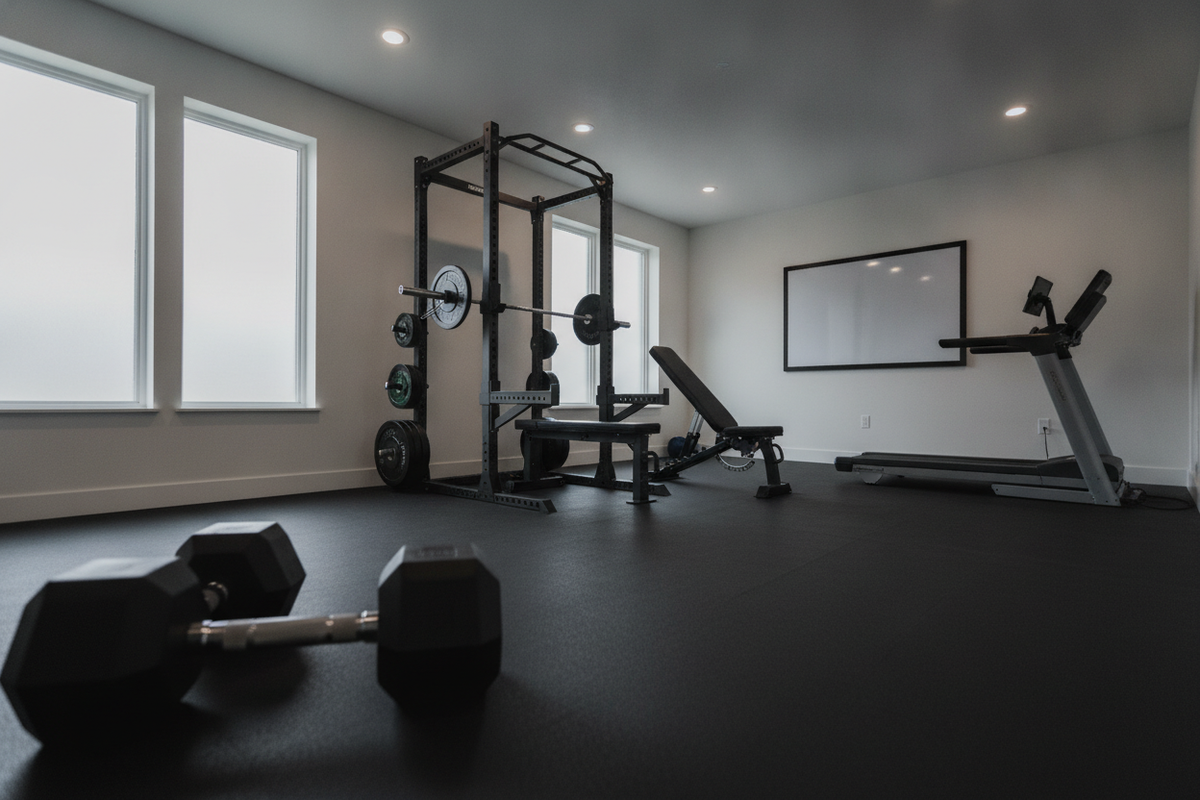
Soft-tissue work demands significant floor contact, making your floor setup a critical factor in how comfortable and effective each session feels. Performing deep pressure holds on bare concrete or slippery hardwood distracts from recovery and can cause unnecessary joint irritation.
Firm Cushioning for Bony Landmarks and Joints
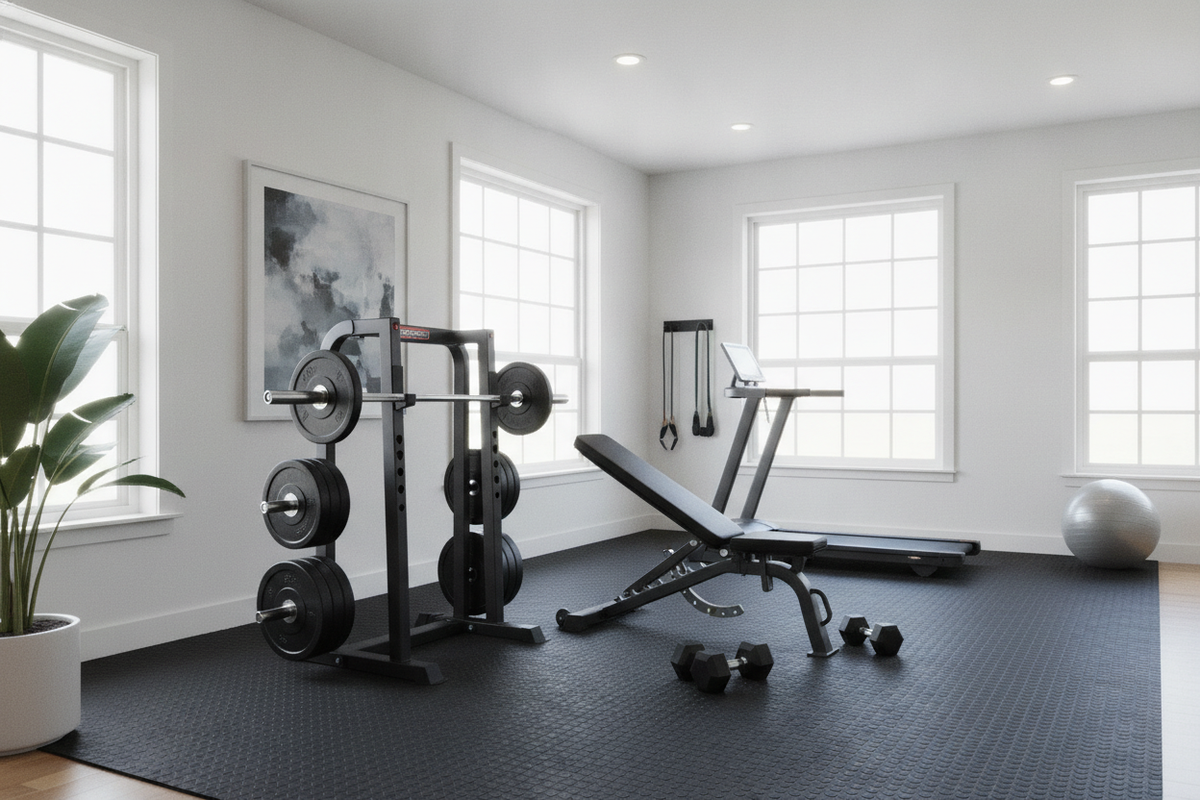
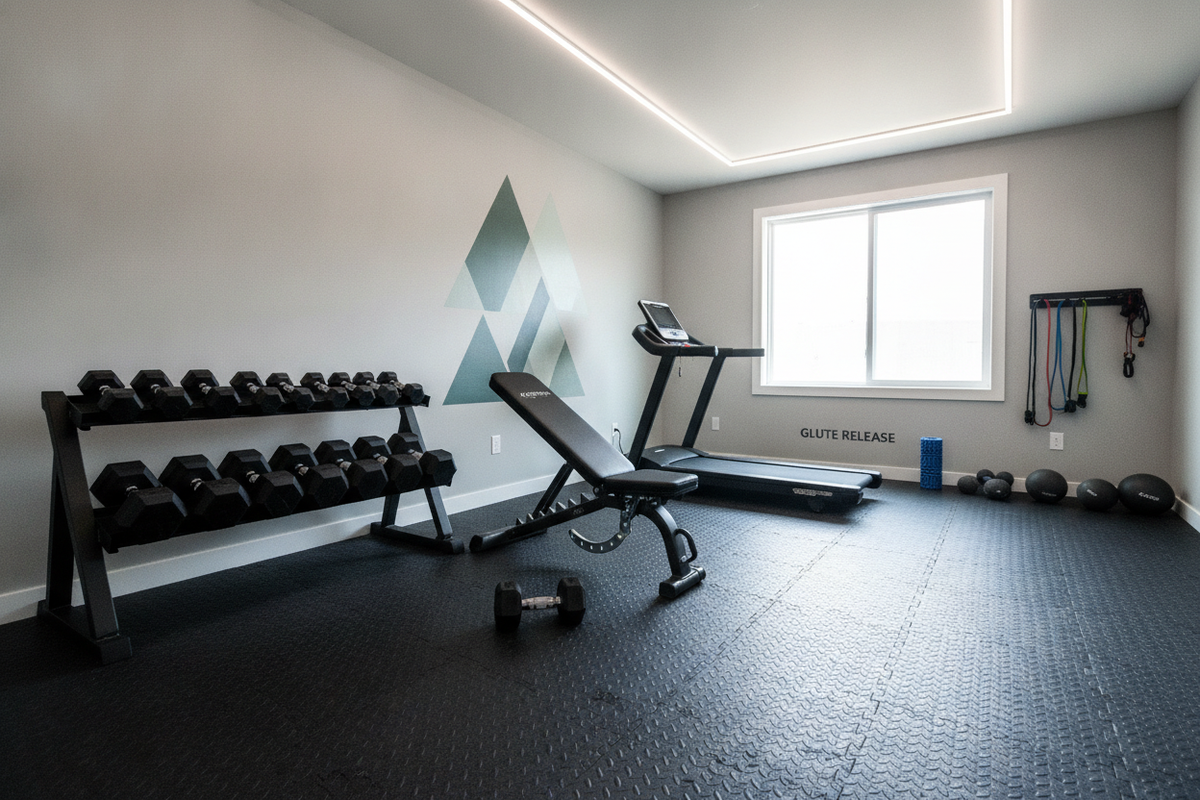
When you release glutes on the ground, your tailbone, sacrum, and support wrists carry substantial weight. Hard surfaces press directly against these sensitive bony landmarks, causing you to brace defensively. Using high-density gym flooring or a supportive exercise mat provides the firm cushioning needed to cradle joints while remaining rigid enough to keep rolling tools from sinking uselessly into soft padding.
Non Slip Stability for Precise Bodyweight Pressure
A non slip foundation is equally important when managing bodyweight pressure. When you lean onto a massage ball or foam roller, any sliding under your supporting hands or feet destabilizes your posture, making it impossible to sink into a tight trigger point safely. A textured, non slip exercise mat ensures your rolling gear grips the floor firmly, allowing you to relax into deep pressure holds without sliding out of position.
How Often Should You Do Glute Release Routines?
You should do glute release routines two to four times per week depending on your training volume, sitting habits, and overall hip tightness. Consistency matters far more than extreme pressure; brief, regular sessions produce better tissue response than infrequent, aggressive rolling.
Glute Release for Active Recovery and Pre-Workout Preparation
Tailor your glute release timing to your daily goals:
- Pre-workout: Spend two to three minutes per side with a foam roller using brisk, sweeping passes to improve blood flow and prep tissue for squats or lunges.
- Post-workout: Dedicate three to five minutes to slower, deliberate rolling to ease acute glute tension from heavy lifting.
- Active recovery days: Combine five to ten minutes of focused lacrosse ball trigger point work with gentle mobility flow to support ongoing tissue suppleness.
- Desk work resets: Take a five-minute midday break on your gym flooring to release glute muscles that have grown stiff from prolonged seated posture.
By establishing a dedicated space with dependable firm cushioning and reliable non slip traction, your at-home glute release work becomes an effortless, restorative anchor for long-term hip health and smooth daily movement.