Daily Recommended Protein Intake: A Practical Guide
Finding your daily recommended protein intake does not require complicated nutrition formulas or rigid calorie counting. For anyone staying active with home workouts, lifting weights, or building a sustainable fitness routine, understanding your daily protein needs is simply about providing your body with the building blocks necessary to recover, maintain lean tissue, and stay energized throughout the day.
While general nutritional guidelines offer a baseline target to prevent deficiency, people who engage in regular strength training often find that their actual day-to-day requirements are higher. Determining your target depends on your activity level, daily routine, and personal fitness goals.
Understanding Daily Recommended Protein Intake for Active Living
The standard baseline recommendations established by dietary guidelines are intended to support the general population under normal conditions. This baseline daily value of protein prevents deficiency for someone with an average lifestyle, but it does not account for the additional demands of regular resistance training or strenuous conditioning.
When you perform bodyweight exercises or lift weights, your muscles experience micro-tears that require dietary amino acids for repair and rebuilding. Because of this natural process of muscle protein synthesis, active individuals generally benefit from an increased protein daily intake compared to sedentary peers. Thinking about your recommended daily protein intake as a helpful target rather than a strict rule allows you to adapt your nutrition to how hard you train on any given day.
Key Factors That Influence Your Protein Requirements Per Day
No single target fits everyone. Several practical factors influence your optimal protein requirements per day:
- Exercise Volume and Style: High-intensity resistance circuits, dumbbell training, and calisthenics demand more recovery support than light daily walking. The more structural demand you place on your muscle tissue, the more valuable consistent protein delivery becomes.
- Body Composition Goals: If your priority is muscle growth, keeping a reliable surplus of amino acids circulating helps support tissue adaptation. Conversely, during periods where you reduce overall food intake to trim body fat, keeping your percentage of protein in diet relatively high helps protect hard-earned muscle from being broken down for energy. For an in-depth look at structured eating around workouts, explore our daily bodybuilder meal planning guide.
- Age and Recovery Capacity: As the body matures, muscle tissue becomes slightly less sensitive to dietary protein, making quality protein portions at each meal especially helpful for maintaining strength and joint stability.
How to Structure Protein Intake in a Day Across Meals
Many lifters make the mistake of saving almost all their protein intake in a day for an oversized dinner. While your body will still digest and utilize what you consume, distributing your intake of protein more evenly creates better satiety, supports continuous muscle repair, and prevents digestive sluggishness.
A balanced daily approach typically divides your target across three primary meals and an optional snack:
- Morning Anchor: Start your day with whole food protein such as eggs, Greek yogurt, or a plant-based scramble. A protein-rich breakfast stabilizes morning energy and sets the tone for your daily calorie balance.
- Midday Fuel: Build your lunch around lean protein sources like chicken breast, tuna, tofu, or lentils combined with complex carbohydrates and vegetables.
- Post-Workout Nutrition: Following an intense session, having a simple protein source helps initiate muscle repair and recovery when your body is primed to absorb nutrients. For structured meal inspiration, review our daily 80-gram protein meal guide.
- Evening Nourishment: Complete your day with a solid portion of poultry, fish, beans, or tempeh alongside fiber-rich sides.
Pairing Daily Nutrition with Home Strength Training and Recovery
Optimal nutrition and thoughtful training habits work hand in hand. Even the most carefully managed recommended protein intake daily will not build strength without consistent physical stimulus, and dedicated training will yield frustrating plateaus if your body lacks recovery support.
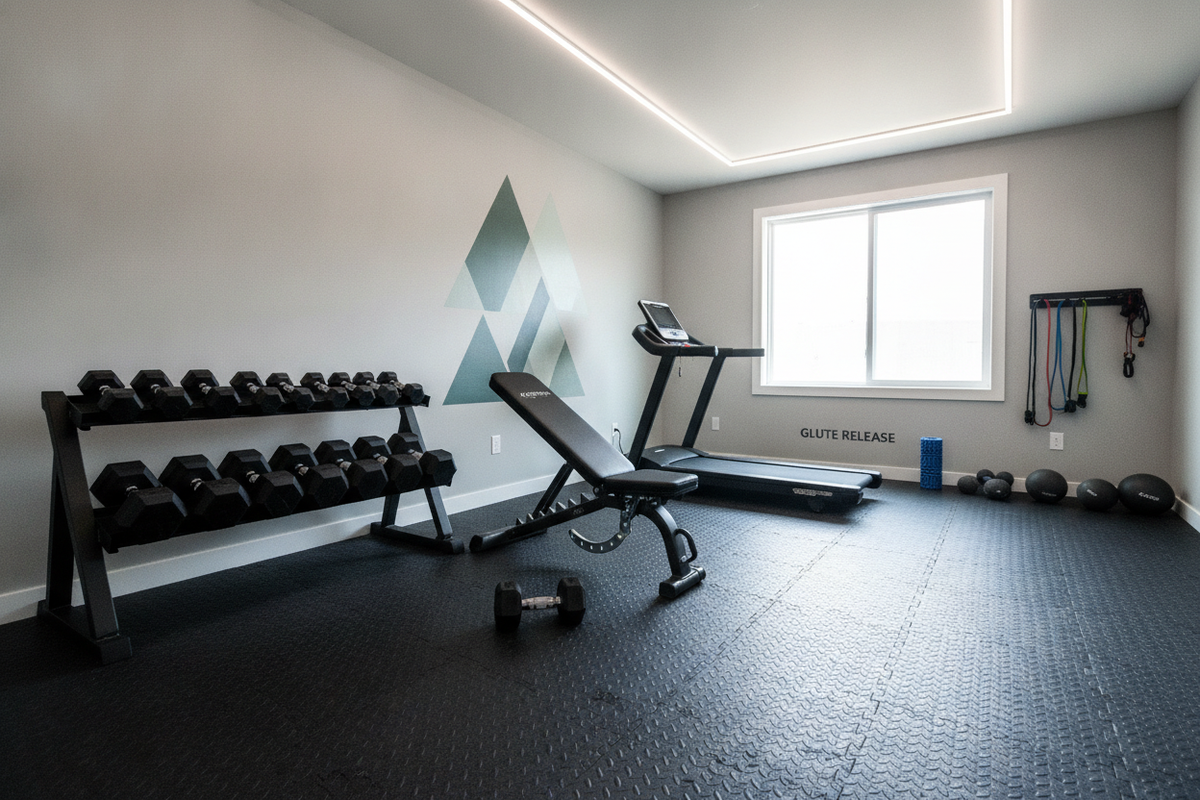
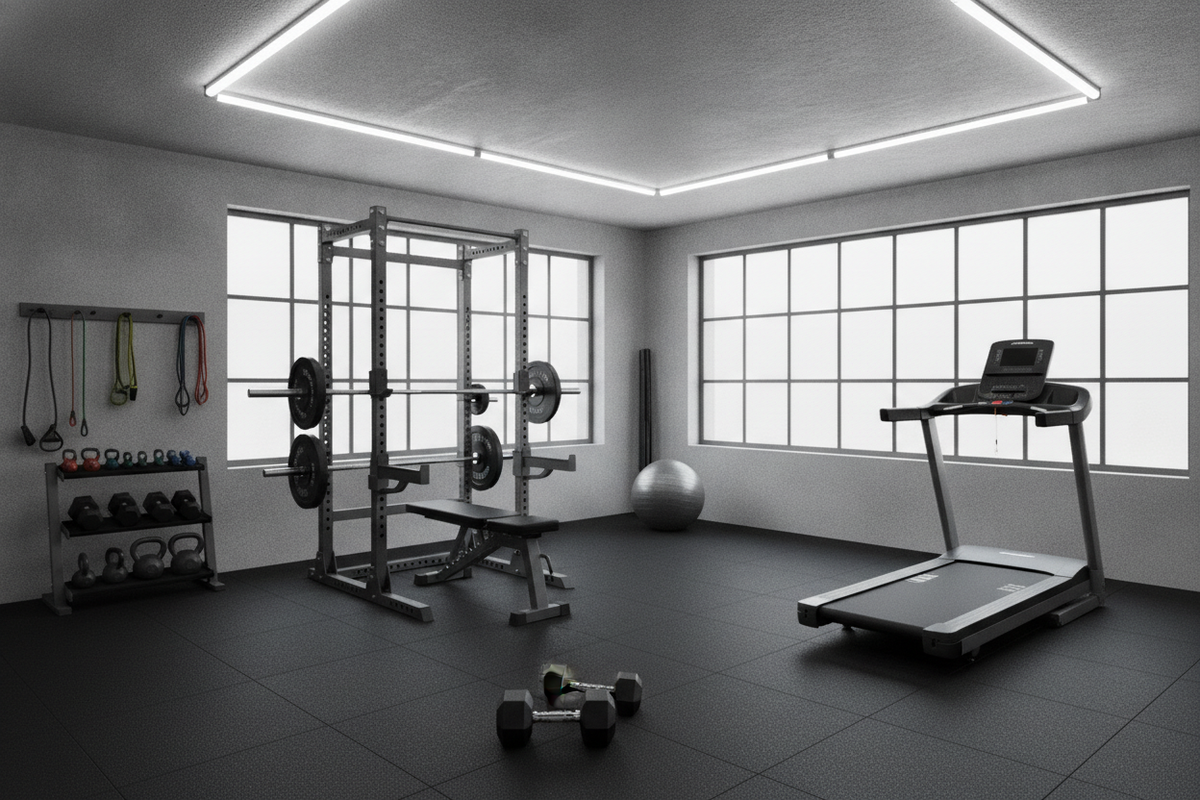
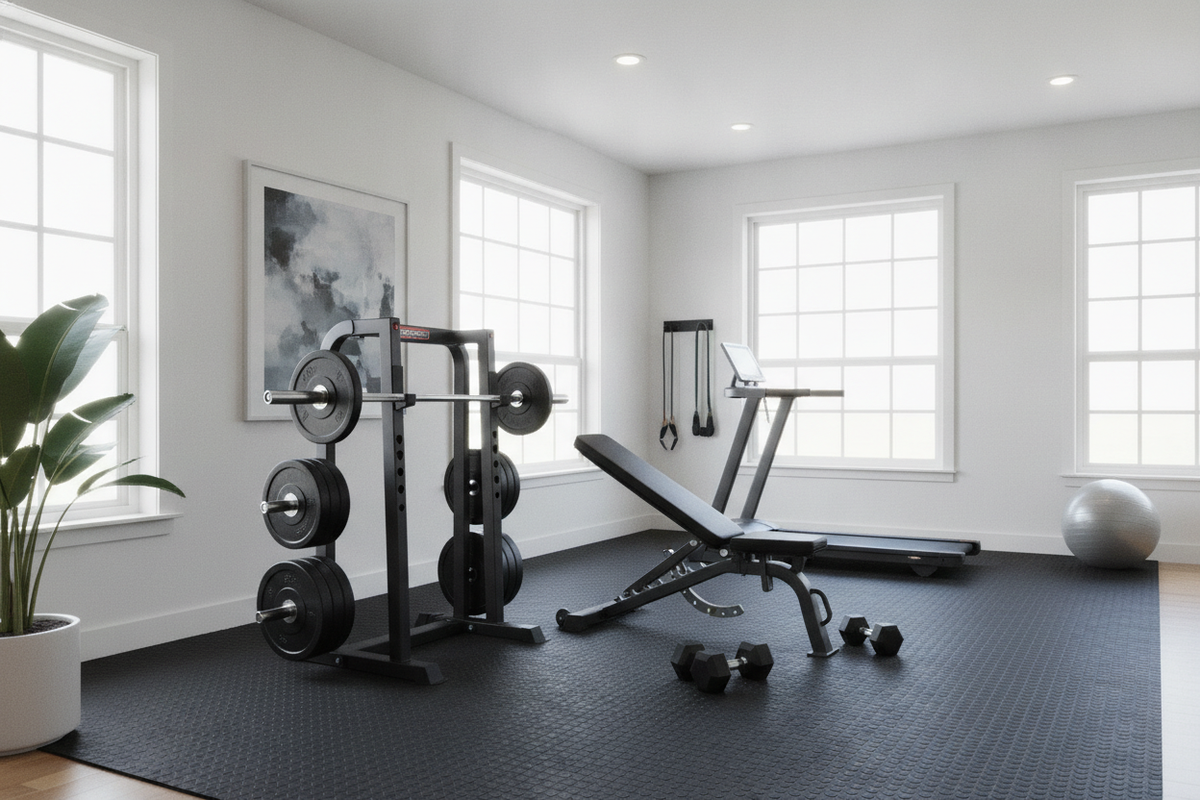
When setting up a home fitness area, supporting your physical recovery also involves keeping your joints comfortable during rigorous sessions. Movements like lunges, push-ups, planks, and the dumbbell floor press place repetitive pressure on your wrists, knees, and spine. Training on hard flooring can create unnecessary discomfort that distracts from proper exercise form.
Using high-density extra-wide workout mats provides crucial joint cushioning, firm footing, and floor stability so you can execute heavy lifts and bodyweight drills safely. In my experience, setting up a dedicated, cushioned training surface makes sticking to a daily workout routine far more inviting.
Common Questions About Daily Recommended Protein Intake
Can you consume all your daily protein in one meal?
While total daily volume is the most significant factor for meeting baseline nutrition goals, eating all your protein in a single sitting can feel physically heavy and may leave you feeling hungrier during the rest of the day. Spreading your protein across multiple meals generally provides steadier energy and keeps you fuller between training sessions.
What are the best food sources to reach your healthy daily intake of protein?
A balanced mixture of whole foods offers the best nutritional profile. Poultry, lean red meats, eggs, fish, dairy, lentils, beans, edamame, and seeds supply valuable amino acids alongside essential vitamins and minerals. Protein supplements can be convenient tools on busy days, but whole foods should form the foundation of your daily eating habits.
How do you know if you are meeting your protein amount daily?
If you feel steadily energized, recover well between training days without persistent muscle soreness, and maintain stable strength during your workouts, your protein intake is likely in a solid range. Listening to your body and making minor portion adjustments along the way is the most sustainable path to long-term fitness success.