Hard HIIT Workout: How to Train Safely at Home
Tackling a genuinely hard hiit workout requires more than simply moving quickly through random calisthenics. True high intensity interval training pushes your cardiovascular endurance to its limits through bursts of maximum effort alternated with strict rest. When you commit to a challenging session at home, your pacing, your floor surface, and your movement precision all dictate whether you finish strong or fizzle out halfway through. Understanding how to structure your training helps you build work capacity while keeping your body resilient.
What Makes a HIIT Workout Truly Hard
A routine becomes a true hard hiit workout when the work intervals demand near-maximal physical output rather than steady aerobic movement. In typical circuit training, you might work at a moderate, sustainable pace for an hour. In contrast, high intensity interval training relies on short, explosive segments where your heart rate climbs near its peak. If you are able to speak in complete sentences during a work interval, the intensity has drifted below what defines an authentic high-demand interval.
Recovery is the second half of that equation. Without controlled rest, an intense session collapses into sloppy endurance work. Structuring a proper work to rest ratio ensures that your muscles clear enough fatigue to hit the next burst with equal drive. When you maintain that contrast, you challenge your aerobic engine, recruit fast-twitch muscle fibers, and improve your overall speed and power.
Essential Movement Patterns for Hard HIIT Fitness
Developing dependable hard hiit fitness means mastering multi-joint movements that demand coordination under fatigue. Routines that elevate your heart rate quickly combine vertical explosion, rapid ground contact, and core stability into continuous sequences.
The core of this conditioning style relies heavily on functional bodyweight exercises that require no extra equipment:
- Burpees: Dropping your chest to the floor and launching into a jump challenges your full body and taxes your cardiovascular endurance within seconds.
- Jump squats: These explosive plyometric exercises build lower-body drive while keeping your legs under constant tension.
- Mountain climbers: Driving your knees toward your chest from a solid plank forces core stabilization while keeping your tempo high.
- High knees: Rapid foot turnover combined with an upright posture demands fast hip flexion and immediate ground rebound.
Integrating these movements into your hard hiit workout challenges every major muscle group. For an example of how combat drills and intervals combine for high energy expenditure, check out this 30 minute kickboxing and weights workout to see structured pacing in action.
What Exercises Are Included in a Hard HIIT Workout?
A hard HIIT workout includes high-velocity plyometric exercises, rapid bodyweight exercises, and dynamic floor transitions that demand maximum effort. To build a balanced routine, you want movements that alternate between upper-body loading, lower-body explosion, and midline control so no single muscle group reaches complete failure before your cardiovascular system does.
For example, pairing jump squats immediately with mountain climbers allows your legs a brief mechanical shift while forcing your core and shoulders to work. Following that with burpees spikes systemic demand across your entire body. Finishing an interval block with high knees keeps your heart rate elevated before entering a designated active recovery window. Sticking to compound bodyweight exercises keeps transitions seamless, eliminating wasted time adjusting gear between intervals.
Can You Do a Hard HIIT Workout at Home Without Weights?
Yes, you can do a hard HIIT workout at home without weights by using gravity, explosive jumping, and short rest intervals to create immense physical demand. Many athletes underestimate pure bodyweight interval training until they attempt sustained plyometric exercises with strict timing.
When you eliminate external resistance, you can focus entirely on movement speed, explosive height, and clean landings. Performing explosive burpees or deep jump squats at maximum effort creates high muscular tension without needing dumbbells or kettlebells. The key to making a weight-free hiit workout hard lies in resisting the urge to slow down your reps as fatigue builds. By holding yourself to rapid cadence and crisp form, an equipment-free hard hiit workout delivers serious conditioning benefits.
Structuring Your Interval Blocks for Maximum Output
To keep your hiit workout hard and productive, the clock must guide every segment. A common beginner error is working until total exhaustion with irregular rest periods. Structured interval training keeps your work sharp by balancing exertion and recovery.
A reliable framework for a hard hiit workout is a 2:1 or 1:1 work to rest ratio, depending on your conditioning level:
- The 40/20 Interval: Forty seconds of maximum effort followed by twenty seconds of complete or active recovery. This format is demanding because fatigue accumulates rapidly across four to five rounds.
- The 30/30 Interval: Thirty seconds of full-speed output paired with thirty seconds of rest. The equal rest window allows you to sustain higher top-end power on demanding plyometric exercises.
- The 20/10 Tabata Style: Twenty seconds of sprint-level effort and ten seconds of rest repeated for four minutes. This short rest format is exceptionally taxing and best reserved for finishing blocks.
If you want varied templates and guided interval training routines, exploring a comprehensive workout resource can help you rotate your weekly formats to keep your training engaging and effective.
What Floor Surface Is Best for High-Impact HIIT Training?
The best floor surface for high-impact HIIT training is a dedicated, shock-absorbing dense foam mat placed over a level, firm subfloor. High-intensity home training involves repetitive bounding, lateral bounds, and rapid burpee sprawl movements that subject your ankles, knees, and hips to substantial joint impact.
Concrete garage slabs and standard hardwood floors provide zero cushioning, which can lead to joint soreness over time. On the other hand, plush residential carpet lacks slip resistance and bunches beneath your feet during rapid pivots. Investing in large-format gym flooring such as a workout product like a heavy-duty exercise mat creates an expansive, secure zone. A durable dense foam mat offers essential shock absorption beneath your feet while providing the slip resistance necessary to sprawl for burpees without sliding across the room.
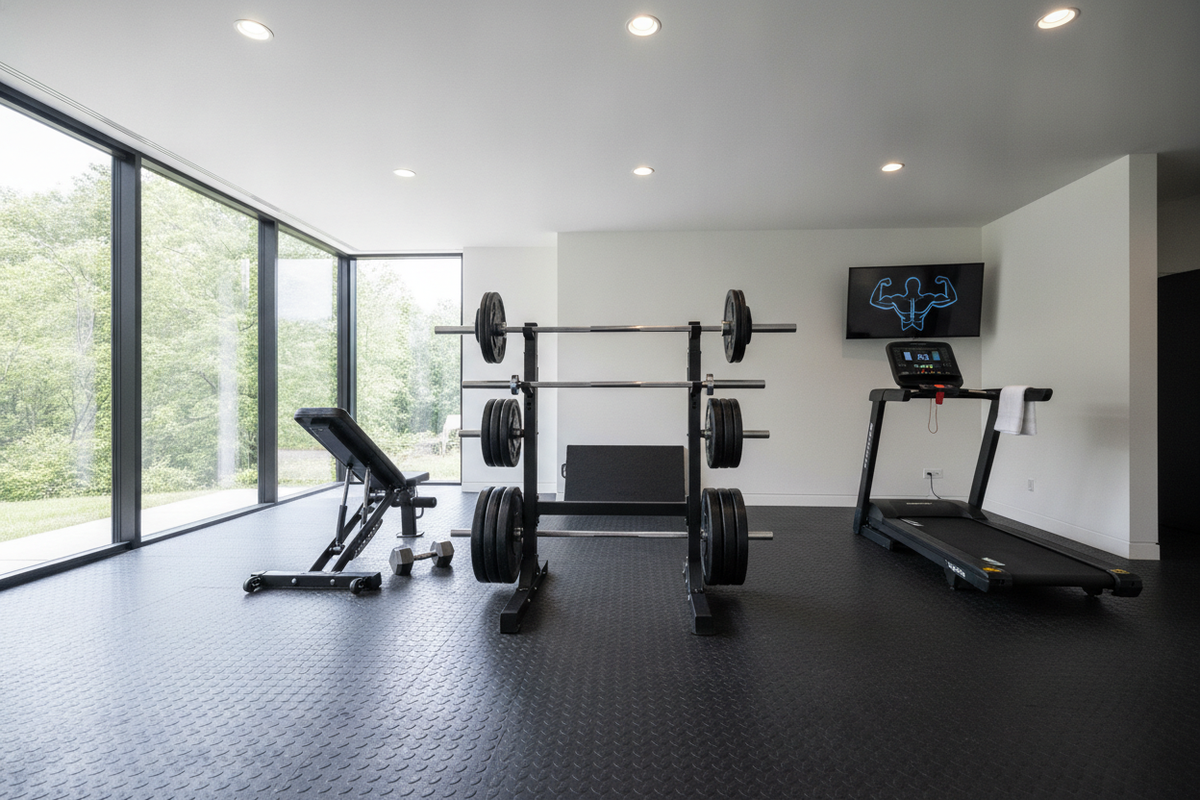
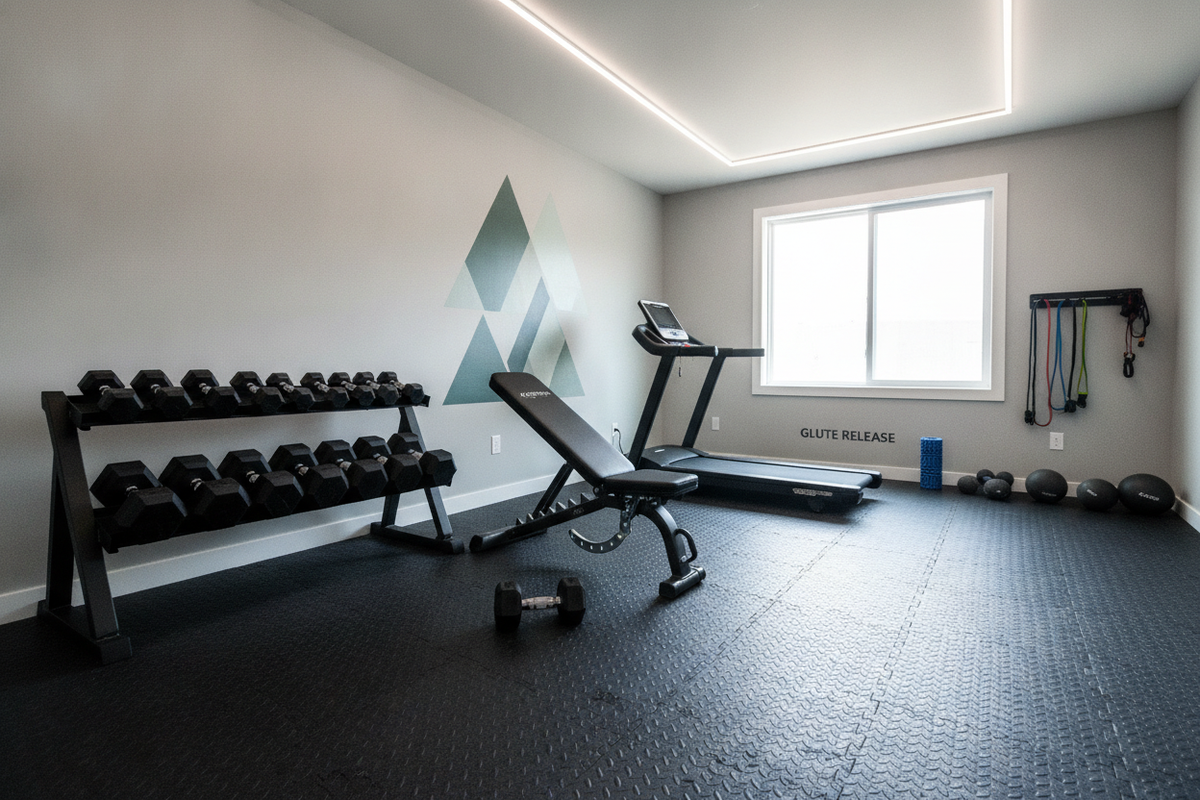
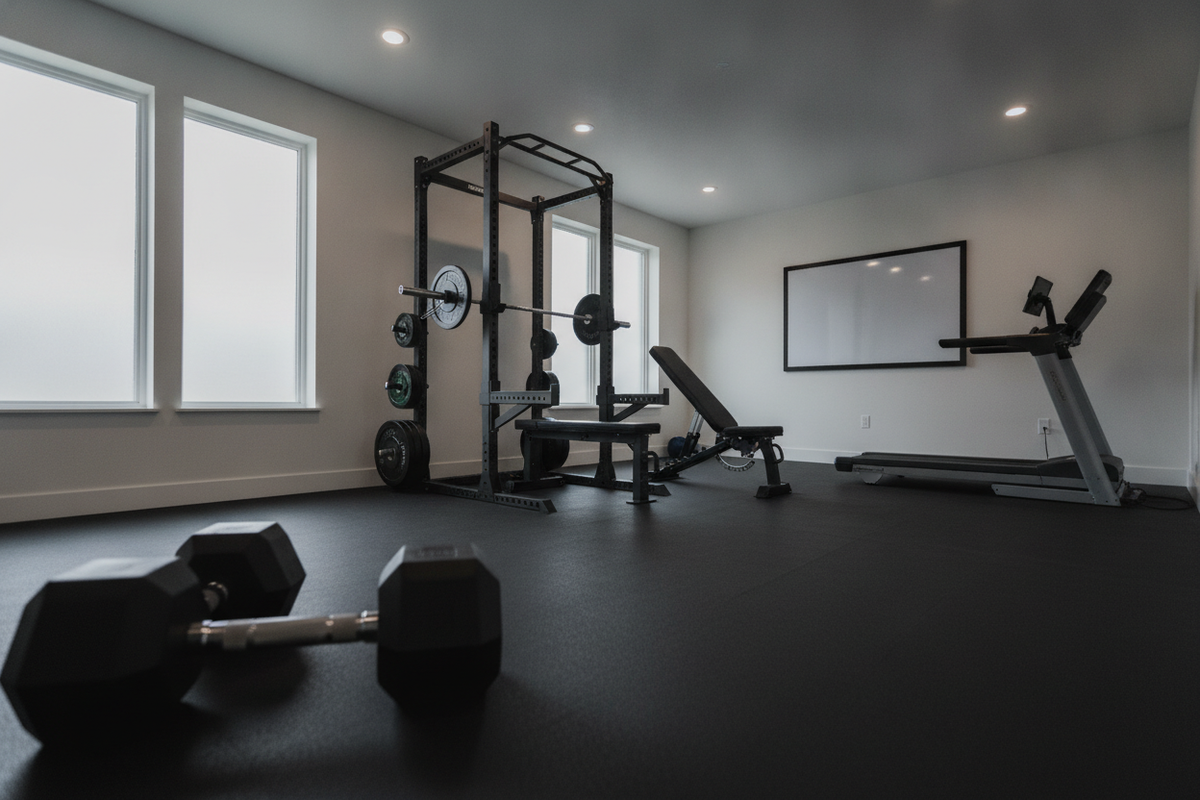
When setting up your home gym setup for a hard hiit workout, ensure your mat lays flat and offers sufficient surface area. Standard yoga mats are too narrow for dynamic bounding drills, often sliding around or forcing you to step off onto bare floor. A broad, high-density exercise mat transforms any living room or basement into a safe space for intense hard hiit fitness routines.
Common Mistakes in High-Intensity Home Training
When pushing through a hiit workout hard, mental grit must never outpace proper form. The chaotic nature of high-cadence training makes it easy to slip into bad habits that diminish your results or increase discomfort.
One frequent mistake is jumping directly into explosive sets without a thorough warm up routine. Your tendons and cardiovascular system need five to ten minutes of dynamic mobility, such as bodyweight squats, arm circles, and light jogging, to prepare for high intensity interval training. Skipping this prep leaves your tissues cold during sudden landings.
Another issue is losing movement integrity when tired. Rounding your spine during burpees or letting your knees cave inward on jump squats places unwanted joint impact on connective tissues. In my experience, slowing your tempo by just five percent to lock in proper form delivers a far better training stimulus than racing through sloppy repetitions. If your routine feels overwhelming or you find yourself burning out constantly, checking out practical fitness hard workout guide recommendations can help you dial back the volume until your base conditioning catches up.
How to Progress Safely Without Burning Out
Because an authentic hard hiit workout places heavy demands on your nervous system and musculature, more is not always better. Doing a hiit workout hard every single day is a direct path to chronic exhaustion. High intensity interval training is most effective when programmed two to three times per week, balanced with steady-state cardio, strength work, and full rest days.
Between challenging sessions, incorporate active recovery like brisk walking or mobility drills to promote blood flow. Always conclude your interval training with a five-minute cool down consisting of gentle walking and static stretching to help bring your heart rate down steadily. By pairing thoughtful recovery, a safe home gym setup, and disciplined work intervals, you can make every hard hiit workout a sustainable step toward superior hard hiit fitness.