Genetics, Drugs, or Sweat: How Do Bodybuilders Get So Big?
I remember sitting in my garage back in 2012, staring at a stack of old muscle magazines and a pair of rusted 25-pound dumbbells. I was 155 pounds soaking wet, wondering how do bodybuilders get so big while I was struggling to put an extra quarter on my bench press. I bought the mass gainer shakes, I did the 'secret' arm routines, and I mostly just ended up with a bloated stomach and a sore ego. It took years of loading, dropping, and sweating on real iron to realize that the industry sells you the 'magic,' but the reality is much more mechanical.
Quick Takeaways
- Mechanical tension via progressive overload is the primary driver of growth.
- Bodybuilders treat eating as a discipline, not a hobby.
- Recovery is where the actual growth happens; training is just the stimulus.
- While genetics and chemistry play a role, consistency is the ultimate gatekeeper.
The Magazine Myth vs. The Garage Gym Reality
If you scroll through Instagram or flip through a fitness mag, you're bombarded with the idea that you're just one 'proprietary blend' away from 20-inch biceps. It's a lie. To get big bodybuilding style, you have to accept that muscle is expensive for your body to maintain. Your biology wants to be efficient, not huge. To break that efficiency, you have to apply a level of stress that forces an adaptation. This isn't about a 'fitness journey'—it's about a decade-long war against your own genetic baseline.
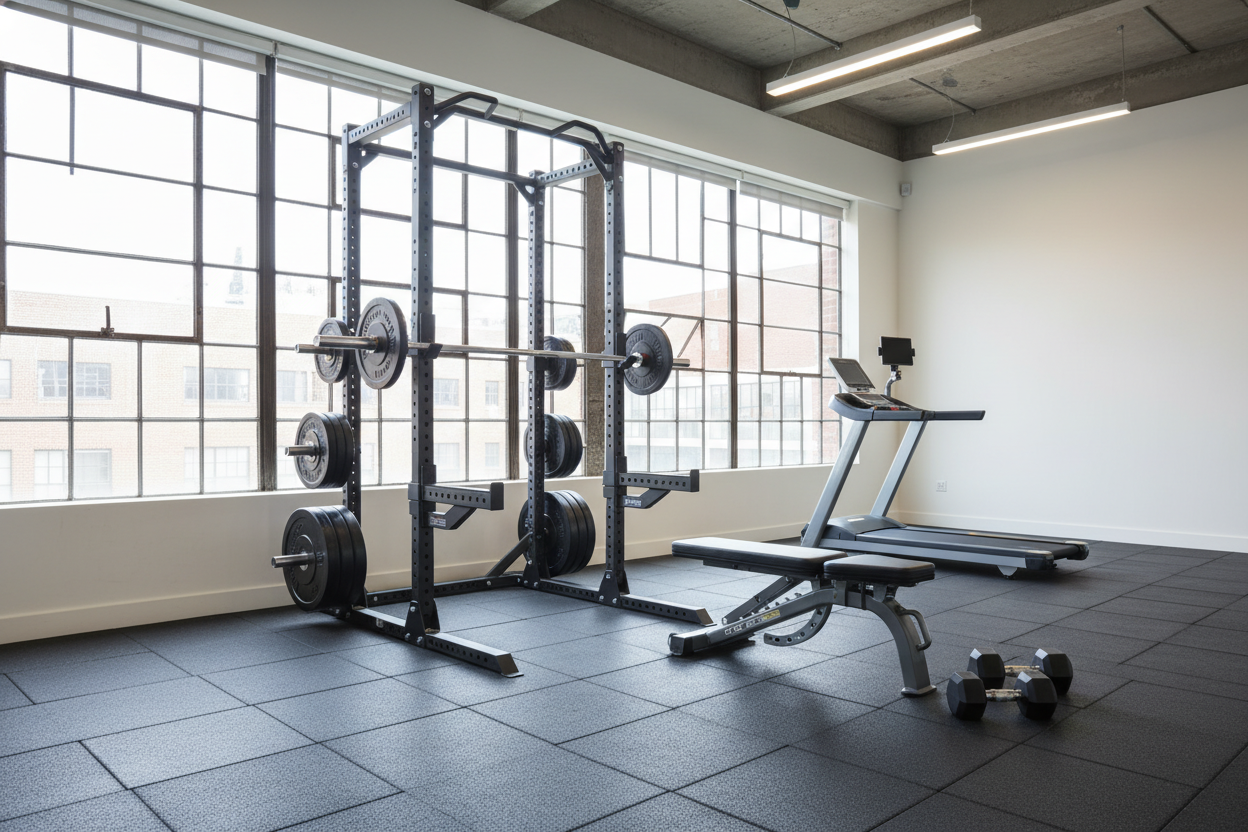
The real answer to how bodybuilders get big isn't found in a colorful tub of pre-workout. It's found in the boring, repetitive violence of hitting the same compound lifts for years. You don't need a 15-machine circuit. You need a barbell, a rack, and the willingness to push until your eyes feel like they're going to pop out. Most people fail because they mistake 'variety' for 'progress.' If your logbook doesn't show more weight or more reps than it did six months ago, you aren't bodybuilding; you're just exercising.
The Three Pillars of Freaky Mass
There are no secrets, only systems. When you strip away the lights and the tan, the process of how to get huge bodybuilding comes down to three non-negotiable pillars. If one is missing, the whole structure collapses.
Pillar 1: Unrelenting Mechanical Tension
Muscles don't have eyes; they only know tension. When you lift a heavy weight, you create mechanical stress that signals your muscle fibers to repair and grow thicker. This is why how to get bigger bodybuilding usually involves moving heavy iron through a full range of motion. You need to stretch the muscle under load and then contract it forcefully.
This is where home gym lifters often hit a wall. Bodyweight stuff is great for general health, but eventually, your 180-pound frame isn't enough to trigger a response. If you want to know how to get big shoulders at home, you'll eventually realize that once you can do 50 push-ups, you're training endurance, not mass. You need to press heavy dumbbells or a barbell to keep that tension high enough to force new growth.
Pillar 2: Eating Like It's A Full-Time Job
You cannot build a house without bricks. To get huge bodybuilding style, you have to eat in a surplus that feels genuinely uncomfortable. We aren't talking about 'eating clean'—we're talking about force-feeding. Most guys who say they can't gain weight are simply not tracking their intake. They eat one big meal and feel full, but they're still 500 calories short of growth.
Professional mass monsters often consume 4,000 to 6,000 calories a day. For a natural lifter in a garage, you might only need 3,200, but that still means hitting your protein targets (around 1g per pound of body weight) every single day. No days off. No 'forgetting' to eat lunch because you were busy. If you don't feed the machine, the machine doesn't grow.
Pillar 3: Recovery and (Let's Be Honest) Chemistry
We have to address the elephant in the room. When people ask how do bodybuilders get so big, the answer often involves performance-enhancing drugs (PEDs). These substances don't do the work for you, but they do allow you to recover faster and synthesize protein at an unnatural rate. They raise the ceiling of what's possible.
However, for the natural lifter, this means recovery is even more critical. You don't have the chemical 'buffer' that pros do. If you aren't sleeping 7-9 hours and managing your stress, you're just digging a hole you can't climb out of. Your muscles grow while you sleep, not while you're lifting. If you ignore the rest, you're just wasting your time in the rack.
Can a Regular Guy Actually Get Bodybuilder Big at Home?
Let's manage expectations. You probably won't step on an Olympia stage training in your basement, but you can absolutely get bodybuilder big relative to your own frame. I've seen guys build physiques that look like they were carved out of granite using nothing but a power rack and a bench. The key is the equipment quality and the intensity.
You need gear that can handle the abuse. If you're doing heavy rows or deadlifts, you're going to be dropping weight. I've cracked a concrete floor because I thought a thin yoga mat was enough protection. It wasn't. You need extra wide exercise mats that can actually absorb the impact of 100-pound dumbbells or a 405-pound pull. Once you have a stable, safe environment to move heavy loads, the only limit is your work ethic.
Stealing Their Playbook for Your Home Workouts
You don't need 20 different machines to get as big as a bodybuilder. You need to master the 'Big Five': Squats, Deadlifts, Bench Press, Overhead Press, and Rows. The 'pro' secret is actually just high-volume training on these staples. Aim for 10-20 hard sets per muscle group per week, staying mostly in the 8-12 rep range for hypertrophy.
Stop chasing the 'pump' and start chasing the 'progress.' If you want to see real changes, you need to learn how to actually get bodybuilding working for you by focusing on the mind-muscle connection. Don't just move the weight from point A to point B. Feel the muscle stretch and contract. It sounds like bro-science, but it’s the difference between building a back like a barn door and just hurting your spine.
Personal Experience: My 'Big' Mistake
In my third year of training, I tried to copy a pro's 'Leg Day' from a magazine. It was 30 sets of high-intensity work. I did it for two weeks, felt like a god, and then my central nervous system fried. I couldn't sleep, my joints throbbed, and my strength plummeted. I didn't have the 'assistance' or the 10 hours of sleep those pros had. I learned the hard way that you have to scale the volume to your own recovery capacity. More isn't always better; better is better.
FAQ
Do I need supplements to get big?
No. Creatine and protein powder are helpful tools, but they won't fix a bad diet or a lazy workout. Focus on whole foods first; use supplements to fill the gaps, not as the foundation.
How long does it take to see results?
You'll see neurological changes (strength) in weeks, but actual muscle tissue takes months. Expect to put in a solid year of consistent training before people start asking if you've been working out.
Can I get big without lifting heavy?
You can build muscle with lighter weights if you take sets close to failure, but 'heavy' is relative. Eventually, you have to increase the load to keep the tension high enough for growth.