Can You Lift Weights While Sitting Down Without Losing Gains?
I remember the first time I dragged an adjustable bench into the center of a crowded commercial gym to do seated overhead presses. A guy with a neck thicker than my quad looked at me like I was trying to lift in a recliner. The 'hardcore' crowd loves to preach that if you aren't standing, you aren't working. But after twenty years of loading plates and nursing the occasional lower-back tweak, I’ve realized they’re mostly full of it. Can you lift weights while sitting down and still see massive hypertrophy? Absolutely. In fact, for some of us, it is the only way to actually hit the muscle we’re targeting.
Quick Takeaways
- Seated lifts eliminate 'body English' and momentum, forcing the target muscle to do all the work.
- Sitting is a lifesaver for those with lower back issues or disc herniations who still want to go heavy.
- Stability is the key to strength; a solid bench allows you to push closer to failure than standing.
- Don't neglect your feet—even while sitting, foot drive and core tension are mandatory.
Why Taking a Seat Isn't a Sign of Weakness
There is this pervasive macho culture in garage gyms and old-school black-iron basements that claims standing is the only way to train 'functionally.' Look, I love a heavy standing overhead press as much as the next guy, but let's be real: most people standing in the squat rack doing curls are using more hip drive than a salsa dancer. When you are sitting weight lifting, you effectively remove the legs and hips from the equation. This isn't weakness; it's isolation.
By taking a seat, you stop the 'cheat' reps before they start. If you’re doing a dumbbell sitting down press, you can’t dip your knees to kickstart the weight. You are forced to rely entirely on your anterior deltoids and triceps. For anyone trying to build pure muscle mass, this is a massive advantage. You’re no longer limited by how much your lower back can stabilize; you’re limited by how much your target muscle can move. It turns a compound-ish movement into a surgical strike on your physique.
Standing Versus Lifting Dumbbells While Sitting
The biomechanical trade-off is simple: stability versus total body engagement. When you stand, your core, glutes, and even your calves are firing to keep you upright. That’s great for burning calories and 'athleticism.' However, if your goal is to make your shoulders grow until they look like cannonballs, standing might actually get in your way. Your core often fatigues before your shoulders do. When your trunk gets tired, your form breaks down, and you end up cutting the set short or, worse, snapping something.
Lifting dumbbells while sitting provides an external source of stability. This allows your nervous system to focus 100% on output. It’s the middle ground between the total freedom of standing and the rigid, often awkward paths of standard Weight Lifting Machines. You still get the benefits of free weights—the need to balance the load and engage stabilizer muscles—but without the 'pogo stick' effect of your legs helping you out. I’ve found that my clients can usually handle 10-15% more volume when seated because they aren't fighting to balance their entire body weight at the same time.
How to Properly Lift Weights While Sitting
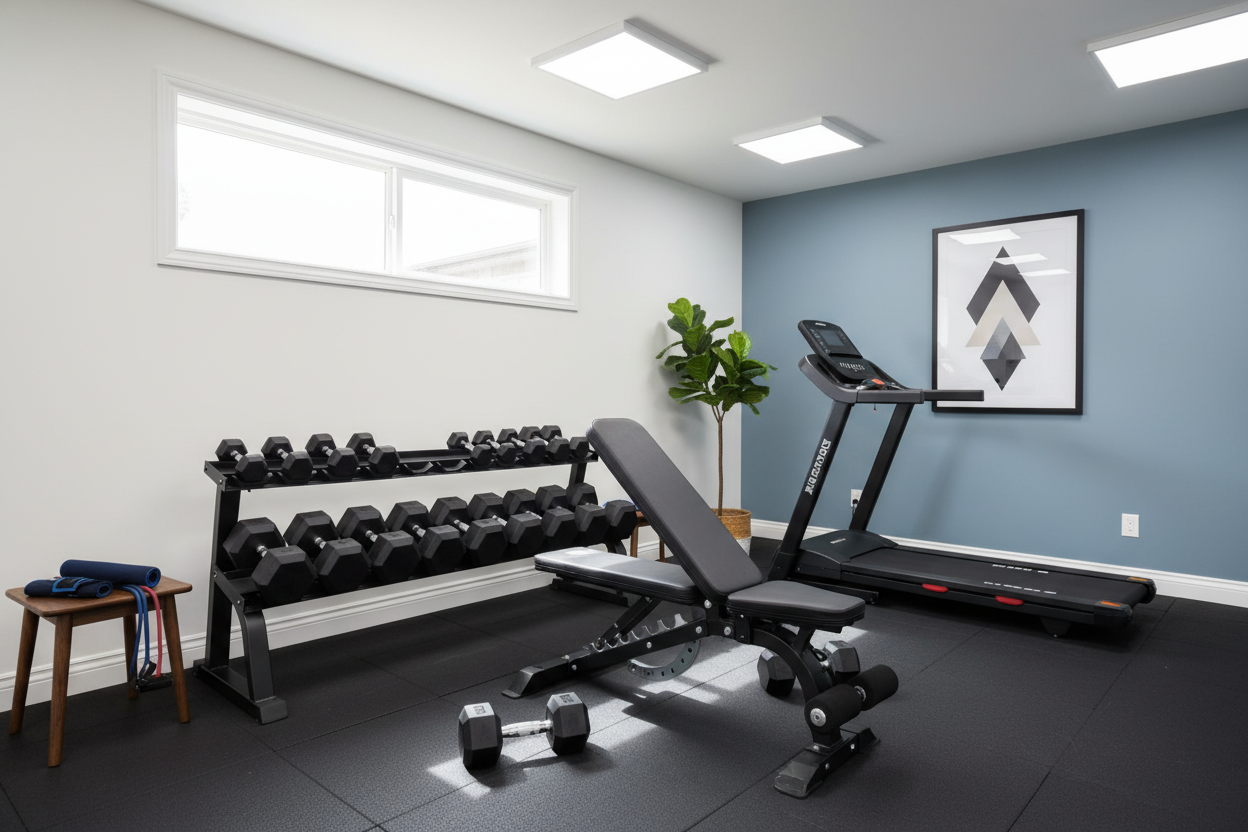
Just because you're sitting doesn't mean you're relaxing. The biggest mistake I see is the 'slump.' People sit down, let their spine round into a C-shape, and then try to press heavy weight. That is a fast track to a physical therapy appointment. If you want to know how to properly lift weights while sitting, it starts with the bench. I personally use a Gxmmat Adjustable Weight Bench because it has a 12-inch backrest that doesn't feel like it's going to snap when I lean back with 90-pounders. You need a backrest that supports your entire thoracic spine.
First, plant your feet. I don't care if you're sitting; your feet should be driven into the floor like you’re trying to push the earth away. This creates tension through your legs and into your core. Second, pin your shoulder blades back and down into the pad. This protects the rotator cuff and gives you a stable platform to push from. If you find yourself arching your back so much that a cat could crawl under it, the weight is too heavy. Slouching during seated presses is a primary cause of impingement, so if you're already feeling the bite, read up on How To Get Rid Of Shoulder Pain From Lifting Weights The Real Fix to get your mechanics back on track.
My Go-To Routine With a Dumbbell Sitting Down
When I’m short on time and my lower back is feeling the miles, I move my entire accessory block to the bench. Lifting weights while sitting doesn't have to be boring. My 'Seated Destruction' routine looks like this: Start with Seated Strict Dumbbell Presses. Go heavy—sets of 6 to 8. Because you’re seated, you’ll feel the burn in your delts almost immediately. Follow that with Seated Alternating Curls. Sitting prevents you from swinging your elbows, making these much harder than the standing version.
Finish off with Seated Lateral Raises. Doing these seated removes the ability to 'shrug' the weight up with your traps. If you have a full home setup like the Gxmmat X6 Power Rack Weight Bench Package, you can do your heavy barbell squats or pulls first, then slide the bench into the rack for these seated finishers. It’s the most efficient way to get high-quality volume without feeling like you’ve been run over by a truck the next morning. I’ve found that my mind-muscle connection is significantly better when I’m locked into a seat than when I’m wobbling on my feet.
Don't Forget the Lower Body (Yes, Really)
You might think sitting is only for the 'mirror muscles' up top, but that’s a narrow way to look at training. If you’re rehabbing a knee injury or dealing with limited mobility, you can still build a base. You can actually learn How To Build Leg Strength With Ankle Weight Exercises While Sitting to keep your quads and hip flexors active. It’s not going to replace a 400-pound back squat, but for maintaining muscle mass during an injury layoff, it’s a vital tool in the shed. Don't let the 'hardcore' gatekeepers tell you that a seated workout doesn't count. Movement is movement, and targeted tension is what builds the body.
Personal Experience: The Injury Epiphany
A few years back, I tweaked my L5-S1 disc moving a heavy log in the backyard. For three months, standing with anything heavier than a gallon of milk caused a shooting pain down my leg. I thought my training was over. Instead, I moved everything to a seated position. I did seated rows, seated presses, and seated curls. I actually ended up putting an inch on my arms during that 'rehab' phase because I was finally forced to stop cheating my reps. The biggest downside? I realized how much I had been relying on momentum for years. It was a humbling lesson in ego management.
FAQ
Is it better to sit or stand for dumbbell curls?
Sitting is better for pure bicep isolation because it prevents you from using your hips to swing the weight. Standing is better if you want to involve more core and 'functional' movement.
Can I lose weight by lifting weights while sitting?
Yes. While you burn slightly fewer calories than standing because you aren't using your legs for stability, the metabolic effect of building muscle is what drives long-term fat loss.
Do I need a special chair for seated lifting?
You need something stable without wheels. A dedicated weight bench is best, but a sturdy, straight-backed kitchen chair can work in a pinch for lighter weights. Avoid office chairs; they will roll or tip.