Forget Biceps: How Get Bigger Muscles Where It Actually Shows
I spent three years chasing a 17-inch arm measurement, buying every 'arm blaster' gadget on Amazon and curling until my elbows felt like they were filled with crushed glass. The result? I still looked like a stick in a size large t-shirt. If you want to know how get bigger muscles, you have to stop thinking about the tape measure and start thinking about your silhouette.
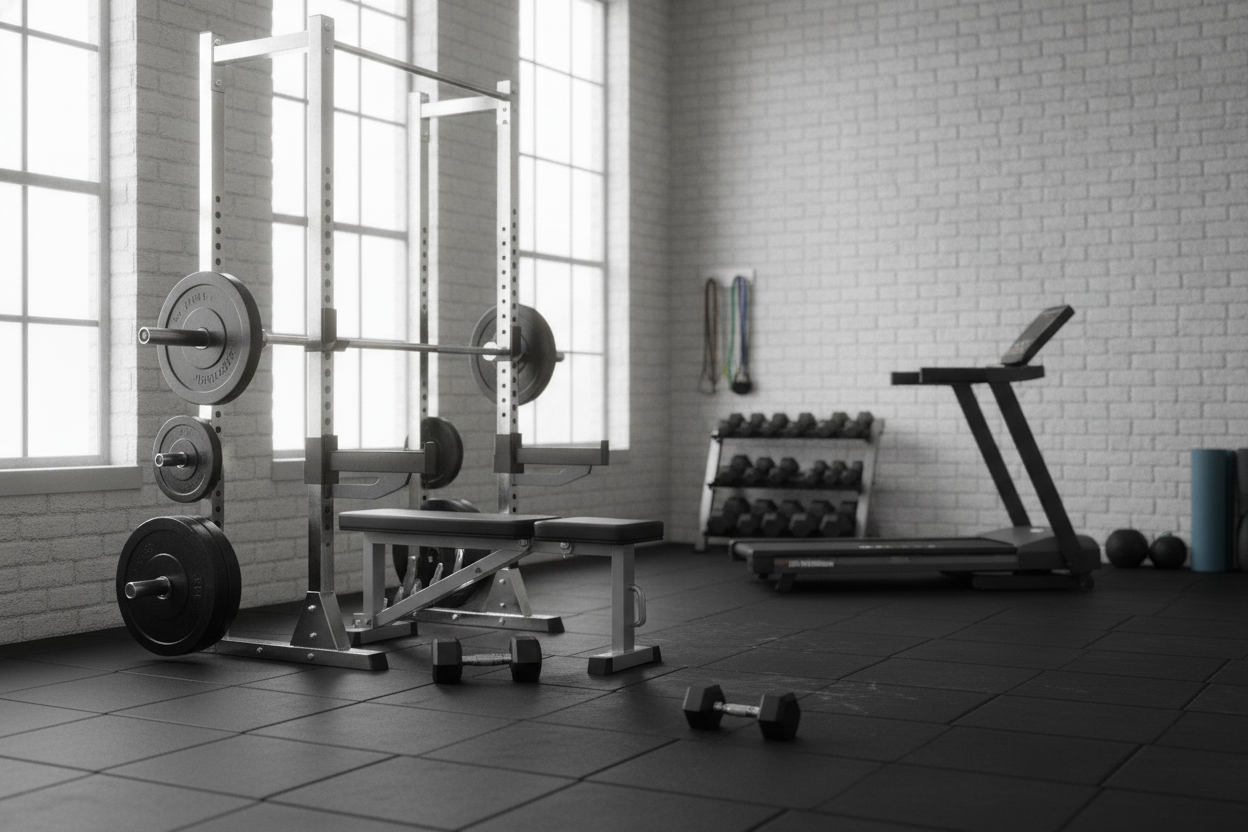
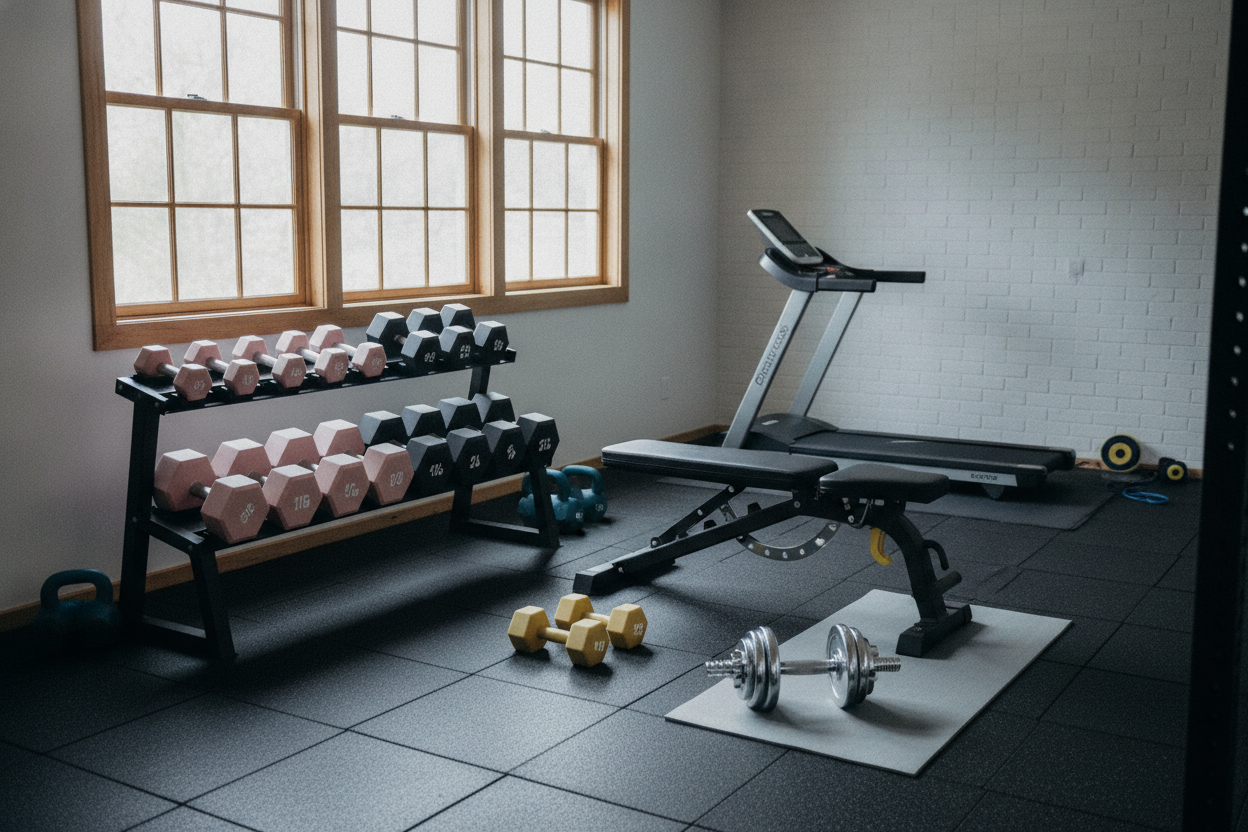
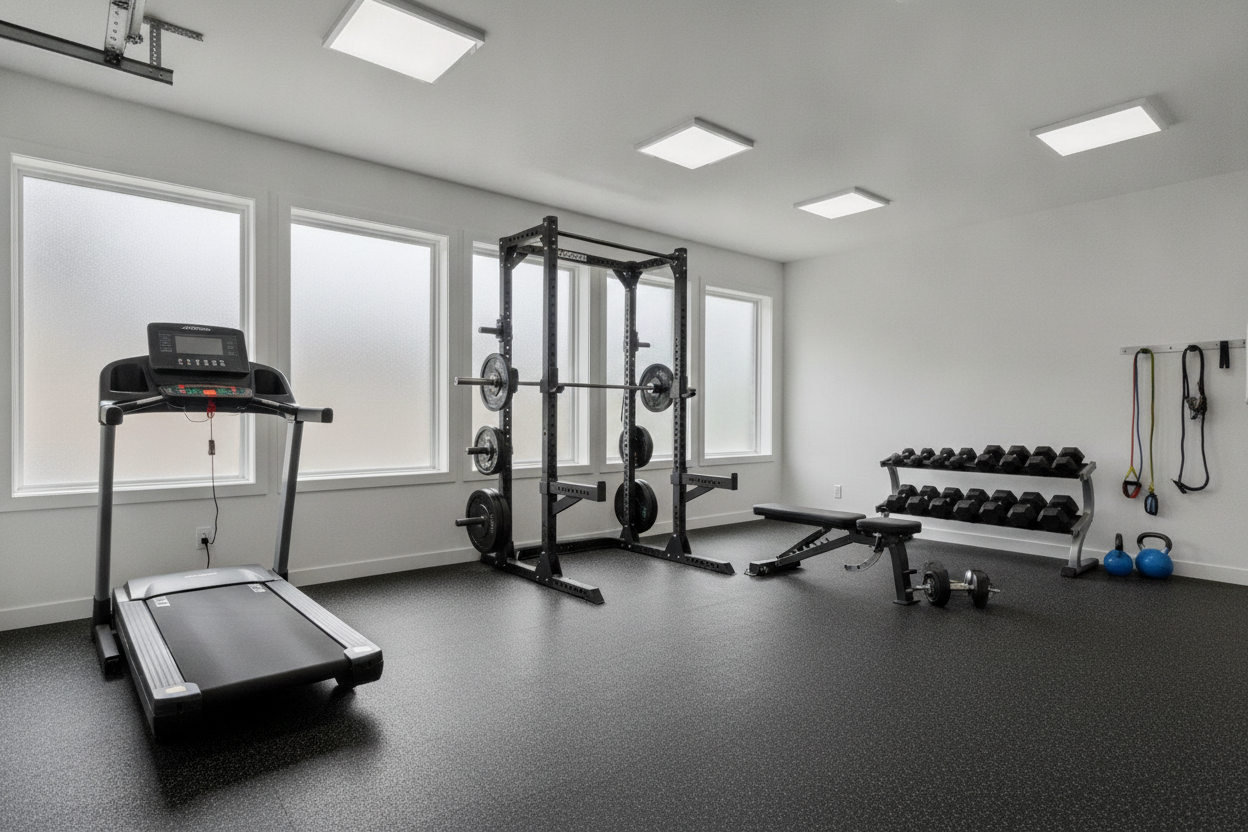
Real visual impact doesn't come from a peaked bicep; it comes from a thick back, a wide chest, and legs that don't look like they'd snap in a stiff breeze. I've spent thousands of hours in my garage testing racks, bars, and programs to see what actually moves the needle.
- Prioritize compound movements over isolation.
- Focus on the 'Yoke'—traps, shoulders, and upper back.
- Stop skipping leg day; it is the foundation of your hormonal profile.
- Invest in floor stability to maximize force production.
Why Your Dedicated Arm Day is a Massive Waste of Time
Most guys walk into their home gym and head straight for the dumbbells to do curls. It’s a trap. Your biceps are tiny muscle groups. Even if you double their size, you’ve only added a few square inches of mass to your frame. It’s the 'illusion of size' that matters. If you want to know how to get muscles big, you need to target the structural muscles that hold your skeleton together.
When you focus on heavy rows and presses, your arms grow as a byproduct of moving heavy iron. I’ve seen more arm growth from 315-lb rack pulls and heavy weighted chin-ups than I ever did from concentrated curls. You want to look big? Build a back that requires you to walk through doors sideways.
Zone 1: The Upper Body Yoke (Chest, Shoulders, and Lats)
The V-taper is the ultimate cheat code for looking massive. This requires a wide upper torso and a narrow waist. To achieve this, your training needs to revolve around the overhead press, the bench press, and the pull-up. These movements recruit the most muscle fibers and allow for the greatest progressive overload.
If you're struggling to add mass to your torso, you likely need a surplus of both calories and intensity. I've found that following proven training and nutrition strategies is the only way to break through a plateau when your bench press has stalled for months. Don't just do three sets of ten; you need to track your lift volume and ensure you're adding weight to the bar every two weeks.
Zone 2: Expanding Your Base (Because Pants Shouldnt Be Baggy)
Nothing looks more ridiculous than a massive upper body supported by bird legs. Beyond the aesthetics, heavy leg training is a systemic stressor. When you squat 300+ pounds, your body has no choice but to grow. It triggers a systemic response that helps your entire body get bigger.
I know the excuses. I’ve used them too. 'My knees hurt' or 'I don't want to ruin my joints.' But you can actually build big legs even with bad knees if you prioritize form and use the right equipment. Box squats and Bulgarian split squats are my go-to's when my patellar tendon starts acting up. A thick set of quads and hamstrings fills out your frame and makes you look like an athlete rather than a gym bro.
The Unspoken Rule of Force Production: Fix Your Floor
You can't fire a cannon from a canoe. If you’re trying to squat or bench on a slick, dusty garage floor, you’re leaving gains on the table. Stability dictates muscle fiber recruitment. If your brain senses that your feet might slip, it will literally 'throttle' the amount of force your muscles are allowed to produce to protect you from injury.
I spent years lifting on bare concrete before I finally got smart. I swapped out the cheap puzzle mats—which always pull apart during heavy sets—for upgraded exercise mats extra wide enough to cover my entire lifting radius. The difference in traction during a max-effort bench press is night and day. When your feet are anchored, you can actually drive through the floor and move the weight required to grow.
The Real Blueprint on How to Make Big Muscles a Reality
If you want to know how to make big muscles happen in a home gym setting, you need a plan that emphasizes heavy compounds three days a week. Forget the high-volume 'pump' routines you see on Instagram. Those are for people with professional-grade recovery (and 'supplements') that you probably don't have.
Start your session with a heavy press or pull, follow it with a secondary compound movement, and finish with one—just one—isolation exercise if you really miss your curls. Focus on adding five pounds to the bar every week. Consistency in a 6x8 foot space will beat a half-hearted effort in a commercial gym every single time.
My Personal Take: The Mistake That Cost Me Two Years
I used to think more was better. I would spend two hours in my garage, hitting 20 sets of chest from every possible angle. I was constantly sore, but I wasn't getting any bigger. My biggest mistake was ignoring my back. Once I started rowing as much as I benched, my chest actually started to look 'fuller' because my posture improved and my ribcage was pulled open. Balance is the secret to size.
FAQ
How many days a week should I train for mass?
Three to four days is the sweet spot for most people. Recovery is when the muscle actually grows. If you're training six days a week in a home gym, you're likely just spinning your wheels and burning out your CNS.
Do I need a power rack to get big?
It helps for safety, especially on squats and bench, but you can do a lot with a solid pair of adjustable dumbbells and a heavy kettlebell. However, if you want to move the kind of weight that builds 'yoke' mass, a rack is the best investment you'll make.
Should I do cardio while trying to get bigger?
Yes, but keep it low impact. A 20-minute walk or a light rucking session won't kill your gains; it’ll actually improve your recovery by increasing blood flow to your muscles.