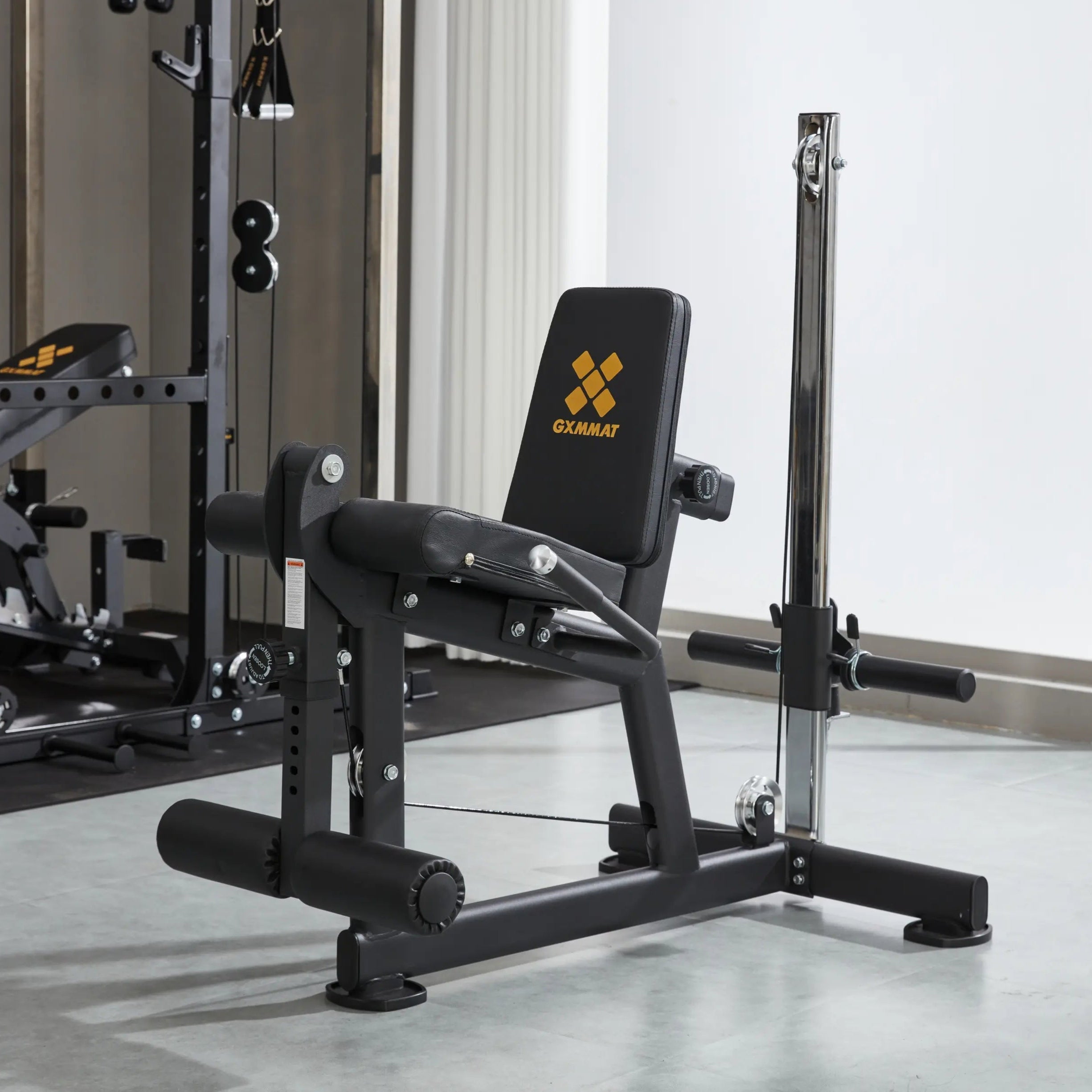
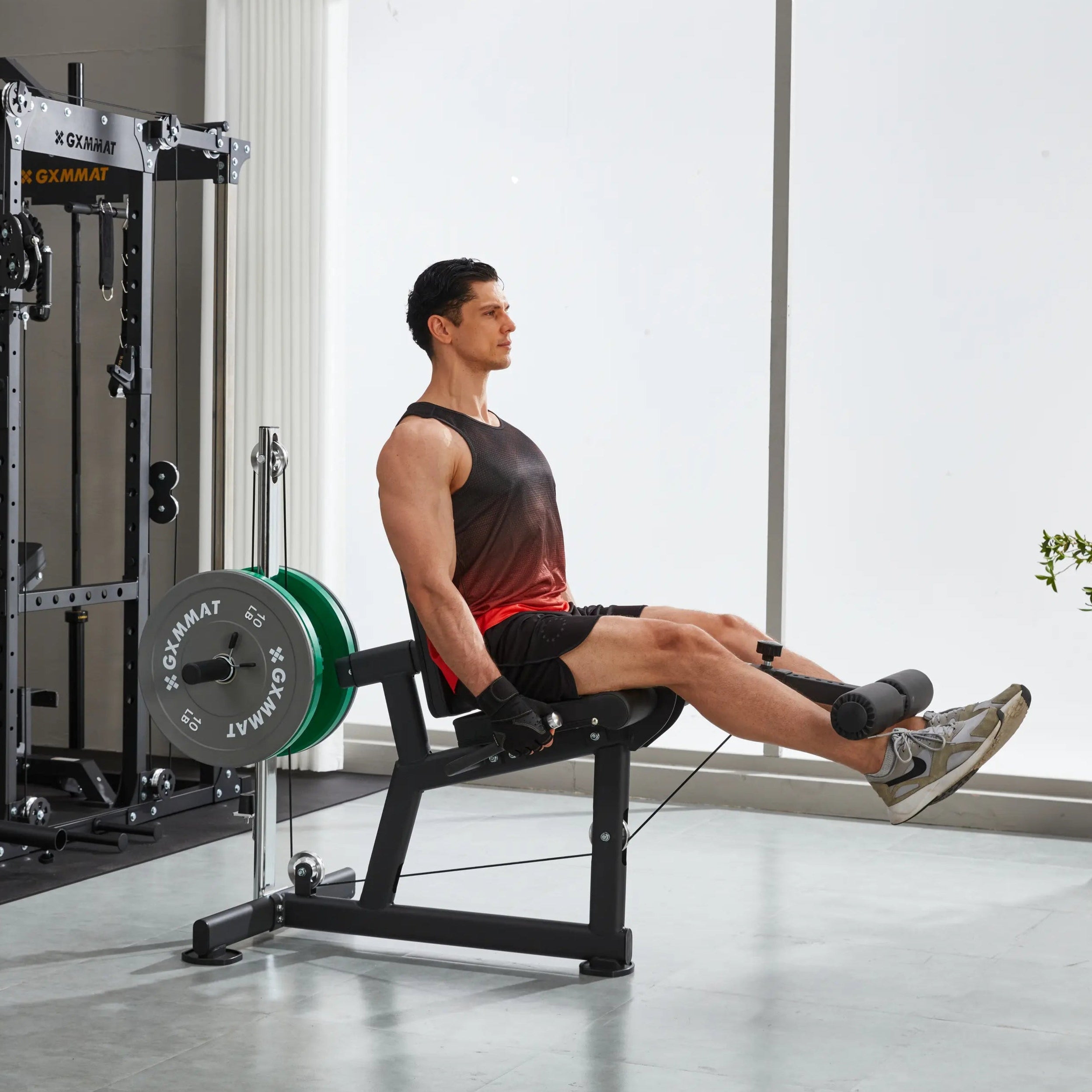
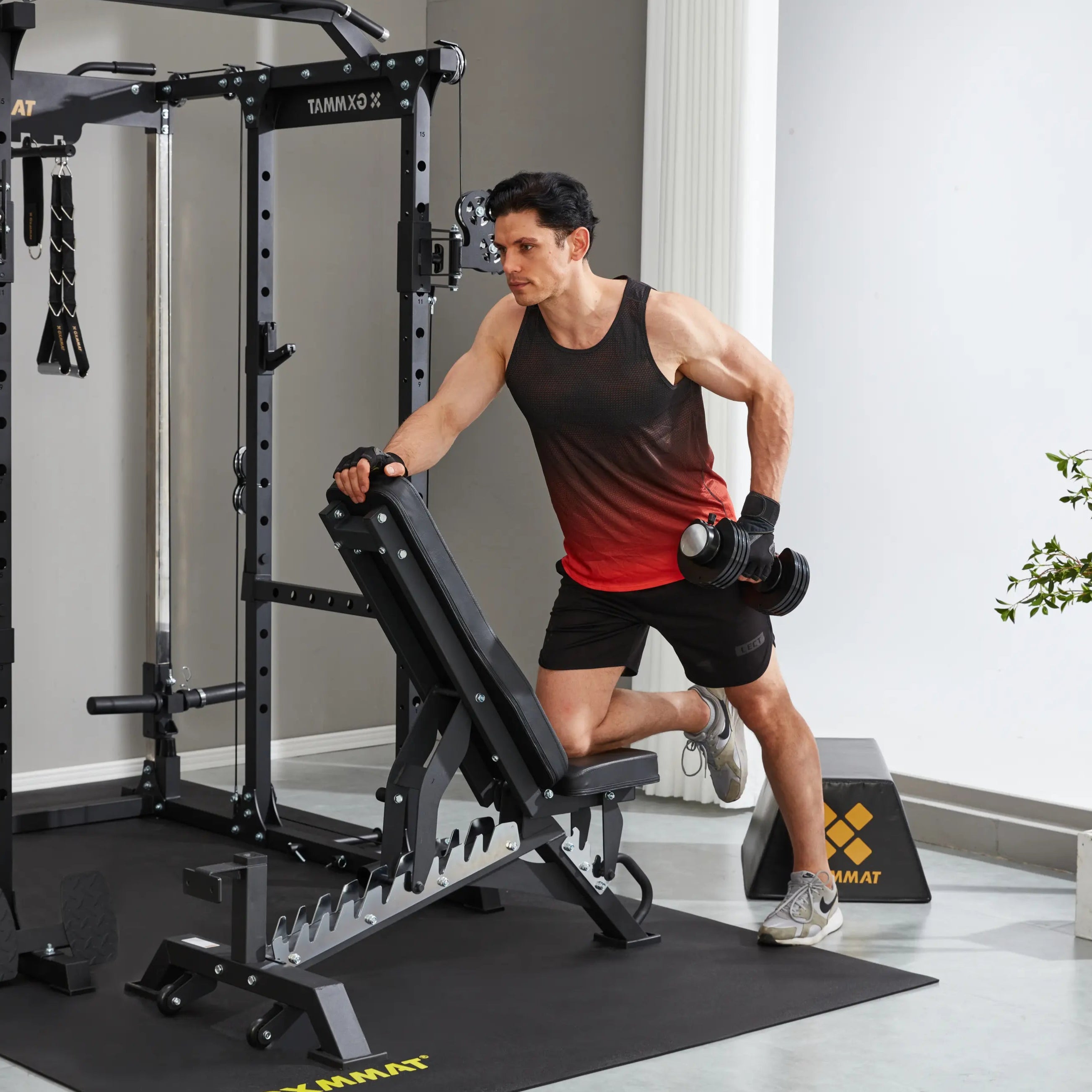
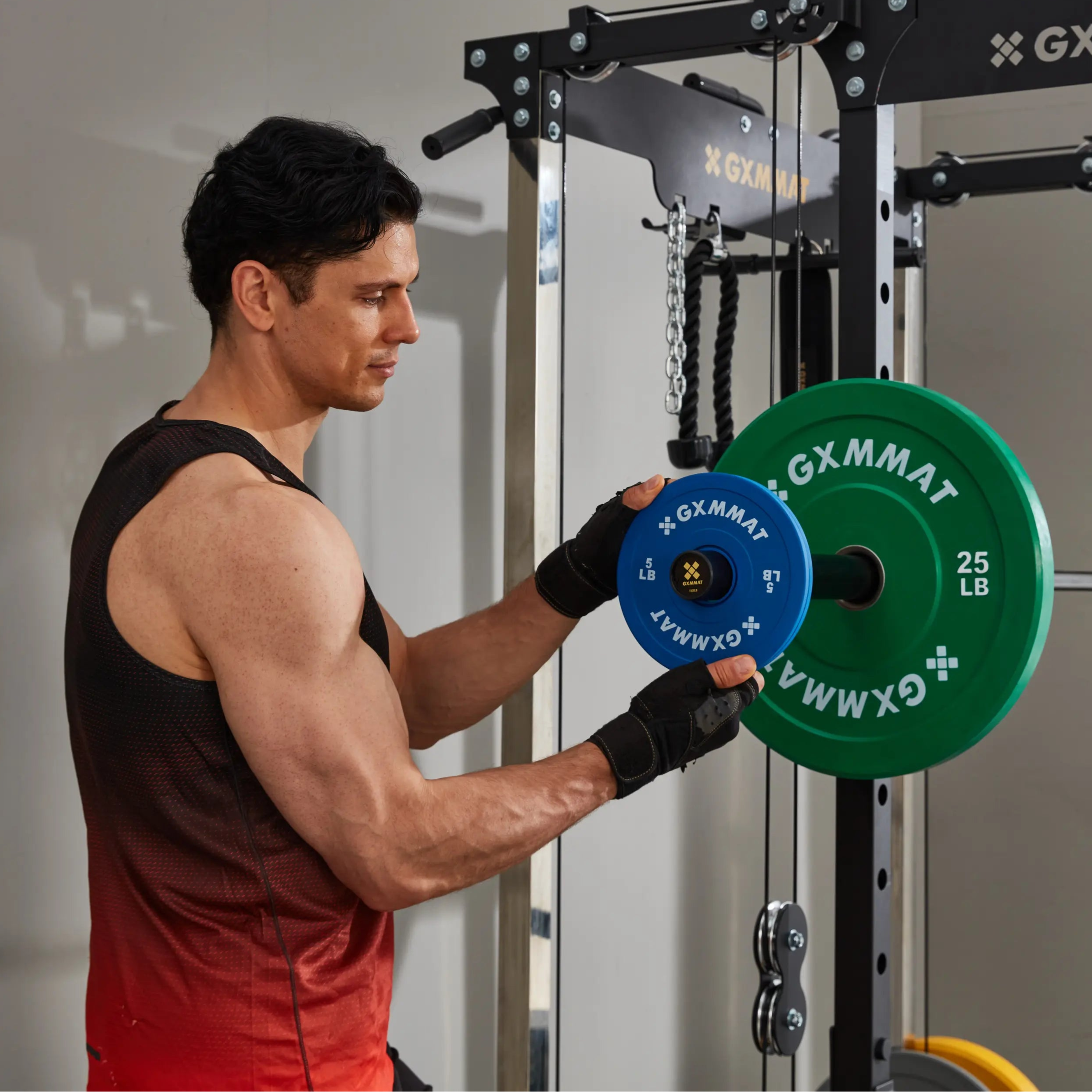
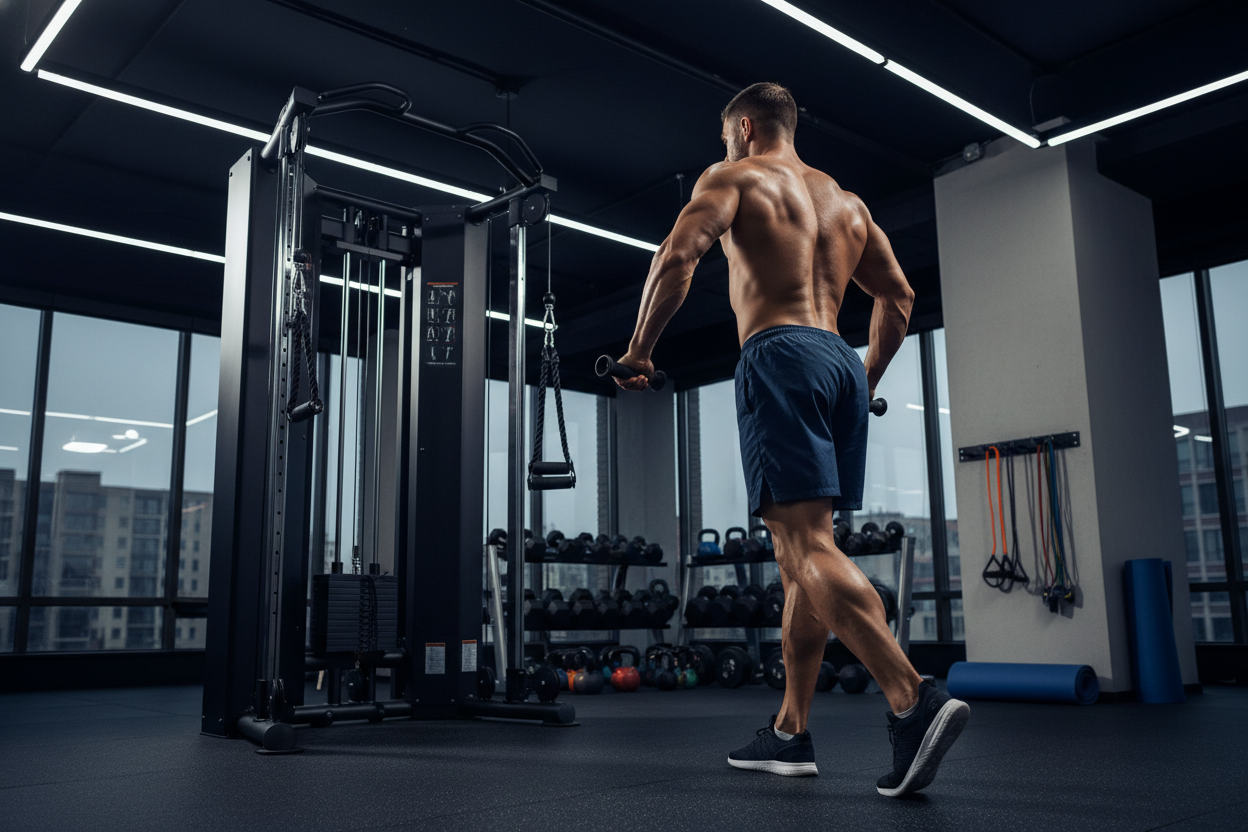
Exercise Cable Machines: Are They Worth The Home Gym Space?
If you have ever hit a frustrating plateau using just dumbbells and a barbell, you are not alone. Free weights are the undisputed kings of building raw strength, but they rely entirely on gravity. The moment you want horizontal resistance or constant tension through a full range of motion, you hit a wall. That is exactly where exercise cable machines step in to transform an average garage setup into a comprehensive training facility.
Whether you are trying to maximize a tight basement corner or looking to replicate the feel of your local health club, finding the right cable machine exercise equipment can be overwhelming. In this guide, we will break down exactly what to look for, how to measure your space, and how to balance your budget without sacrificing smooth, reliable performance.
Key Takeaways
- Constant Tension: Unlike free weights, cables provide continuous resistance throughout the entire eccentric and concentric movement.
- Space Efficiency: Modern gym cable systems offer incredibly small footprints, making them viable for standard spare bedrooms and low-ceiling basements.
- Budget Flexibility: From a basic plate-loaded cable machine cheap enough for beginners to a full commercial cable machine, there is a tier for every budget.
- Pulley Ratios Matter: Understanding the difference between a 1:1 and 2:1 ratio is critical for choosing the right cables weights for your strength level.
Decoding Cable Machine Fitness Equipment
Not all cables are created equal. When shopping for a cables workout machine, the biggest decision you will make is choosing between a weight stack and a plate-loaded system.
Weight Stacks vs. Plate-Loaded Systems
A selectorized weightlifting cable machine uses a built-in pin system. It is fast, convenient, and perfect for drop sets. However, it drives up the cable machine price significantly and makes the unit incredibly heavy to move. If you are on a strict budget, a plate-loaded fitness cable machine allows you to use the Olympic plates you already own, keeping initial costs down while still delivering a fantastic workout.
Single Pulleys vs. Functional Trainers
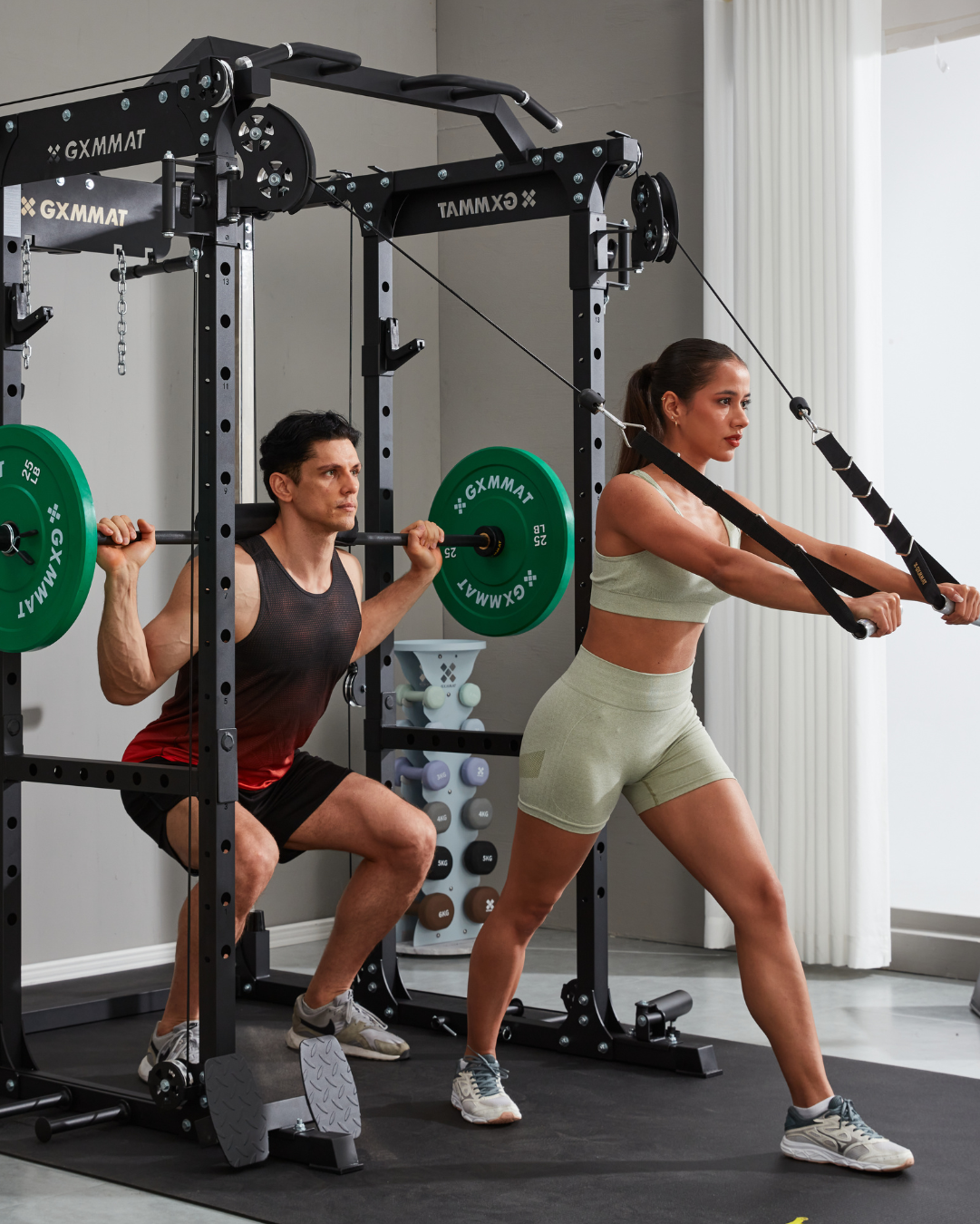
A single high/low pulley is great for lat pulldowns and tricep pushdowns, but an adjustable arm cable machine (often called a functional trainer) unlocks true versatility. With dual adjustable pulleys, you can perform chest flyes, cable crossovers, and rotational core work that mimics a commercial gym cable machine experience.
Space Planning for Gym Cable Systems
The biggest mistake home gym owners make is underestimating the working footprint of a gym equipment cable machine. It is not just about the machine dimensions; it is about the space your body occupies while using it.
Garage Gyms and Basement Clearances
If you are installing a cable trainer machine in a basement, pay close attention to the height. Many standard models stand over 82 inches tall. You need at least two inches of clearance above the machine to assemble the top crossmember. Furthermore, if you are doing cable crossovers, ensure you have at least six feet of width to fully extend your arms without hitting walls or other racks.
Maximizing Your Cable Lifting Machine Budget
Understanding cable machines price brackets will save you from overspending on features you do not need, or under-spending on a wobbly, frustrating piece of gear.
Understanding Cable Machine Price Tiers
Entry-level models (often plate-loaded) can be found for under $400. They are great for basic cable machine fitness routines but may feature plastic pulleys that degrade over time. Mid-tier options ($800 to $1,500) usually introduce dual weight stacks, aluminum pulleys, and smoother guide rods. If you are eyeing a true commercial cable machine, expect to spend upwards of $2,500. For most North American home gyms, the mid-tier offers the best price-to-performance ratio.
From Our Gym: Honest Take
Over the past three years, we have tested everything from budget wall-mounted pulleys to massive commercial functional trainers. Right now, I have a mid-tier, dual-stack adjustable arm cable machine bolted into my garage gym. The aluminum pulleys glide flawlessly, and the 2:1 ratio means the 200-pound stack effectively provides 100 pounds of resistance per handle, which is perfect for functional movements.
However, here is my honest caveat: the assembly process was brutal. It took two people over six hours to route the cables and align the guide rods perfectly. If you are buying a complex gym equipment cable machine, do yourself a favor and buy a dedicated socket set, and do not fully tighten the frame bolts until the guide rods are perfectly plumb. Once dialed in, though, it completely changed my training routine.
Frequently Asked Questions
Are cable machines for gym setups worth the space?
Absolutely. A quality functional trainer can replace dozens of single-use machines. From leg curls and glute kickbacks to chest press and face pulls, it offers the highest exercise-to-footprint ratio of almost any equipment.
What is the difference between a 1:1 and 2:1 pulley ratio?
A 1:1 ratio means moving 100 pounds on the stack feels like 100 pounds. A 2:1 ratio means 100 pounds on the stack feels like 50 pounds at the handle, but the cable travels twice as far. Most versatile cables workout machine setups use a 2:1 ratio for smoother, faster functional movements.
Can I build muscle with just a cable trainer machine?
Yes. Because cables provide constant tension, they are exceptional for hypertrophy (muscle growth). While heavy barbells are ideal for max strength, cable machines allow you to isolate muscles safely and push close to failure without needing a spotter.