Workout Equipment Types Explained: What to Know Before Buying
Building a home gym is an exciting step toward fitness independence, but the sheer volume of choices can quickly become overwhelming. Whether you are dealing with a cramped basement, a spare bedroom, or a spacious two-car garage, understanding the different workout equipment types is crucial to avoid wasting money on gear that will just gather dust.
This guide will break down exactly what you need to know about outfitting your space, matching the right tools to your specific goals, and maximizing your training potential without blowing your budget.
Key Takeaways
- Free weights offer the highest versatility and space efficiency for home setups.
- Cardio machines require dedicated floor space but deliver unmatched convenience for year-round training.
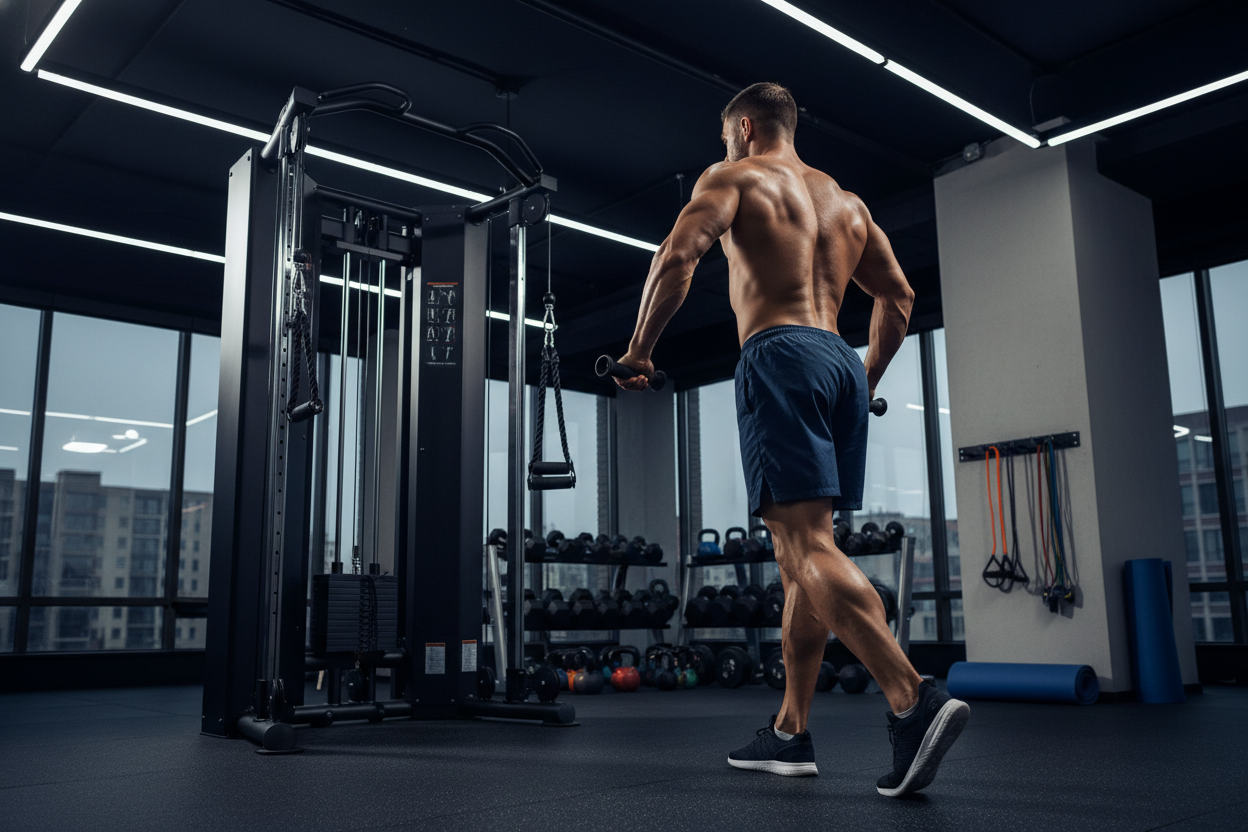
- Resistance bands and cables provide constant tension and are excellent fitness equipment examples for injury rehab and accessory work.
- Your available ceiling height and floor plan should dictate your purchases before you even look at price tags.
Understanding the Core Categories
Before you start adding items to your cart, it helps to categorize the gear. Knowing the strengths of each category ensures a balanced training program and a highly functional home gym.
Free Weights vs. Machines
Free weights, such as barbells, kettlebells, and dumbbells, are the foundation of most home gyms. They require you to stabilize the load, engaging more muscle groups simultaneously. When looking at exercise equipment examples for small spaces, adjustable dumbbells are arguably the smartest investment you can make. On the other hand, selectorized machines isolate specific muscles safely but demand significant square footage and a larger upfront budget.
Cardiovascular Gear
Cardio equipment is designed to elevate your heart rate and improve stamina. Some of the most popular gym equipment examples in this category include rowing machines, treadmills, and air bikes. While they take up more room, many modern options fold up to accommodate tight apartment corners.
Space Planning for North American Homes
Your environment dictates your equipment. A sprawling suburban garage offers different possibilities than a downtown condo, and measuring twice will save you from a costly return process.
Garage vs. Spare Bedroom Setups
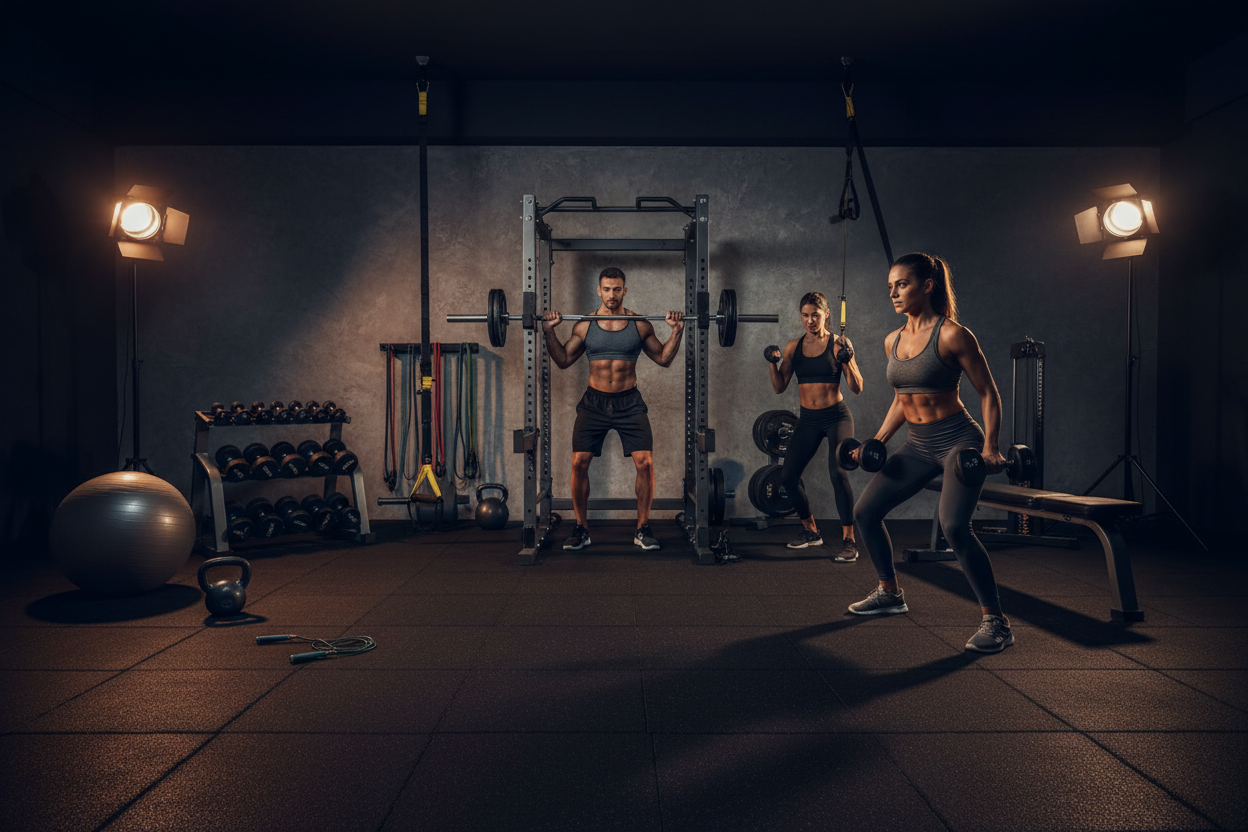
If you are setting up in a garage, a power rack is a must-have. A classic example of gym equipment for this environment, the rack allows for heavy squats and bench presses safely. However, pay attention to the slope of your garage floor and your ceiling clearance. For a spare bedroom, focus on high-density rubber flooring to protect your home's foundation and opt for quieter, low-profile gear like kettlebells and suspension trainers.
From Our Gym: Honest Take
When I first built out my personal garage gym, I thought I needed one of every machine to get a 'complete' workout. I was wrong. I quickly realized that versatility trumps variety. For instance, I bought a bulky leg extension machine that ended up serving as a very expensive towel rack. Conversely, my standard 3x3 power rack became the centerpiece of my training. One specific detail: at 6 foot 2 inches, I needed at least 90 inches of ceiling clearance to do overhead presses inside the rack comfortably—something most product pages don't mention, and a lesson I learned after scraping the ceiling drywall. Stick to the basics first, master them, and only add specialized equipment when your routine absolutely demands it.
Frequently Asked Questions
What is the most versatile type of home gym equipment?
Adjustable dumbbells and a high-quality flat-to-incline bench are universally considered the most versatile setup. They allow you to train every major muscle group while taking up less than 10 square feet of floor space.
How much space do I need for a basic setup?
A standard footprint of 8 feet by 8 feet (64 square feet) is generally enough to comfortably house a power rack, a barbell, and enough clearance to load weight plates on either side without hitting a wall.
Which equipment is best for beginners?
Beginners should focus on mastering bodyweight movements and basic resistance training. Excellent fitness equipment examples to start with include resistance bands, a high-quality yoga mat, and a set of light-to-medium kettlebells.